
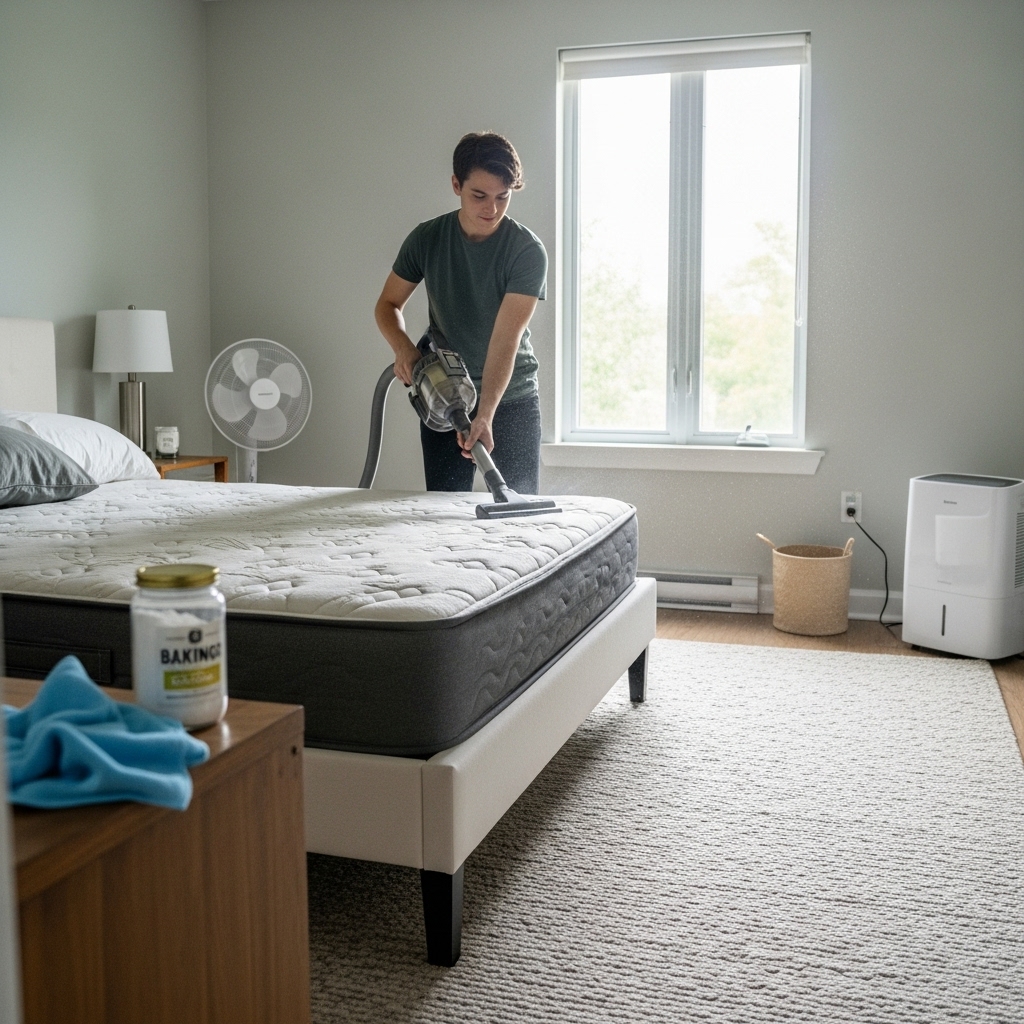
Maintaining a fresh, healthy mattress is one of the smartest home-care routines you can establish, especially in a busy city like Elizabeth, New Jersey, where seasonal humidity, urban dust, and allergy triggers can accumulate quickly. If you have ever wondered how to tackle mattress care without relying on harsh chemicals or complicated gadgets, this guide walks you through an effective, step-by-step approach you can confidently perform at home. You will also learn how to tailor your routine to local conditions—such as spring pollen or summer humidity off Newark Bay—so your bed stays comfortable and hygienic year-round. And if you decide you want extra help, you can always compare your DIY results with trusted mattress cleaning resources to see what works best for your needs.
Why Clean Your Mattress Regularly in Elizabeth, NJ?
Mattresses gradually collect sweat, skin cells, dust mites, pollen, and household dust. In a city environment with regular traffic and fluctuating seasons, these contaminants can add up faster than you might expect. Even if you keep fitted sheets and protectors on, debris can still make its way into the top layers. Over time, this buildup can affect indoor air quality, cause odors, and reduce mattress comfort.
In Elizabeth, changing weather patterns can create challenges—winter’s dry indoor heat can amplify static and airborne dust, while late spring and summer often bring humidity that can cause lingering odors if you do not dry your mattress completely after cleaning. A methodical, routine approach prevents these issues and extends your mattress’s lifespan.
Tools and Supplies You Will Need
You do not need a closet full of specialized tools to keep your mattress in good condition. Gather these basics before you start so the process is smooth and effective:
- Vacuum with upholstery attachment
- Clean, white microfiber cloths
- Measuring spoons and a small bowl
- Spray bottle for light misting
- Baking soda
- Mild liquid dish soap (clear, dye-free is ideal)
- White vinegar (for targeted deodorizing)
- Hydrogen peroxide 3% (for certain organic stains)
- Enzyme cleaner suitable for fabrics (especially for pet-related spills)
- Distilled water (helps minimize mineral residues)
- Mattress protector (for prevention after cleaning)
Prepare Your Space
Good preparation ensures you work efficiently and dry the mattress properly:
- Open windows if the weather allows. Fresh air helps with odor control and drying. On humid days, run a fan or dehumidifier to keep drying on track.
- Strip all bedding and launder sheets, pillowcases, and covers in hot water if care labels allow. Add an extra rinse cycle if you have sensitive skin or seasonal allergies.
- Remove large debris from the mattress surface with a lint roller or a clean, dry cloth before vacuuming.
Step 1: Thorough Vacuuming
Use a vacuum with an upholstery attachment and slow, overlapping passes. Pay special attention to seams, quilting, and edges, where dust and skin cells accumulate. Flip the mattress if the manufacturer allows (some modern foam or pillow-top models are one-sided) and vacuum both sides. The goal is to remove as much dry debris as possible before any spot cleaning begins.
Step 2: Identify Your Mattress Type
Before you apply any cleaner, identify the material: innerspring with a top comfort layer, latex, memory foam, or hybrid. Most water-based spot cleaning should be minimal and carefully blotted for foam models, which can hold moisture. Always check the care tag for manufacturer warnings. Knowing your mattress material helps prevent over-wetting and potential damage.
Step 3: Spot Cleaning Stains
Spot treatment is where patience pays off. Instead of rubbing, blot stains from the outside in. Start with the gentlest approach and escalate only as needed.
- General grime and light stains: Mix a few drops of mild dish soap into a cup of distilled water. Lightly dampen a cloth, dab the stain, then blot with a dry cloth.
- Organic stains (food, sweat, certain spills): Try an enzyme cleaner following the label directions. Allow the cleaner to dwell for the recommended time before blotting dry.
- Persistent discoloration: After testing in an inconspicuous area, you can apply a small amount of 3% hydrogen peroxide. Blot gently and avoid over-saturating.
Always test any cleaning solution on a small, hidden part of the mattress first to ensure there is no discoloration. Keep liquids to a minimum—your goal is to clean the surface layers without soaking the interior.
Step 4: Deodorizing With Baking Soda
After spot cleaning, lightly sprinkle baking soda over the entire surface. Let it sit for at least 30 to 60 minutes to absorb ambient odors. On a sunny, dry day in Elizabeth, longer dwell time with airflow can yield even better results. Vacuum the baking soda thoroughly using the upholstery attachment, again with slow passes to remove as much powder as possible.
Step 5: Promote Proper Drying
Drying is critical. If humidity is high, create airflow with a fan or run a dehumidifier. Avoid making the bed until the surface is fully dry to the touch. If you used any water-based cleaners, give the mattress extra time to dry so moisture does not linger in deeper layers.
Odor Control Tips Specific to Local Conditions
Urban environments can introduce mixed odors from cooking, street traffic, and general indoor living. To keep your sleep space fresh:
- Ventilate after cooking strong-smelling meals to reduce odor transfer to fabrics.
- Use a washable mattress protector and launder it on a regular schedule.
- Allow sunlight to enter the room when possible; light and airflow help neutralize smells.
- For recurring odors, spot-treat specific areas rather than overusing deodorizer across the entire surface.
Allergy and Asthma Considerations
Elizabeth residents can experience seasonal pollen surges, especially in spring. If pollen is a trigger, keep windows closed on high-pollen days and focus on indoor air filtration while you clean. Change bedding weekly, and consider washing pillow covers and protectors more frequently during peak seasons. Vacuum the mattress monthly, even if you do not perform a full deep-clean each time, to keep dust levels in check. When possible, use hypoallergenic covers designed to block dust mites and micro-particles.
Deep-Cleaning Schedule
In general, a full home clean every three to four months works well for many households. Families with pets, young children, or allergy concerns may prefer more frequent attention. In late summer and early fall, when humidity begins to ease, is a great time to do a more thorough clean because drying is easier. Mid-winter can also be ideal because indoor air is typically drier.
When to Avoid Aggressive Cleaning
Not every cleaning method suits every mattress. If your mattress is memory foam or latex, minimize moisture and never saturate the surface. Avoid harsh chemicals that can degrade foam or leave residues. If you encounter a pervasive odor from water damage or discover mold, do not attempt extensive DIY treatments—address the underlying moisture source and consult a specialist for safety.
Eco-Friendly Practices
Many home-friendly approaches reduce chemical exposure and waste. Using small amounts of mild detergent, baking soda, and enzyme cleaners designed for fabrics can be safer for both your indoor air and the mattress materials. Always ventilate during and after cleaning. If you have a dehumidifier, run it for several hours to speed drying without heat.
Common Mistakes to Avoid
- Over-wetting the mattress while chasing a stubborn stain
- Scrubbing instead of blotting, which can spread stains and damage fibers
- Skipping vacuuming before spot cleaning, which can turn dry debris into muddy residue
- Using strongly perfumed cleaners that mask odors instead of removing them
- Neglecting to clean the bed frame and surrounding area, which can reintroduce dust
Step-by-Step Quick Reference
- Strip bedding and launder.
- Vacuum thoroughly with upholstery attachment.
- Spot clean gently, starting with mild solutions.
- Apply baking soda, let dwell, then vacuum again.
- Ensure complete drying before remaking the bed.
- Protect with a washable, breathable cover.
Special Scenarios: Pets, Kids, and Guests
Life happens—spills, accidents, and the occasional pet mishap. For bio-based incidents, an enzyme cleaner is particularly helpful because it breaks down organic matter. Blot, apply enzyme cleaner per directions, blot again, and allow ample drying time. If accidents are frequent, consider a heavier-duty waterproof protector that is still breathable so the mattress does not trap heat.
For guest rooms used sporadically, air out the space before and after visitors. Vacuum the mattress in advance and after your guests depart. Store clean linens in sealed containers so they remain fresh and dust-free between uses.
Mid-Clean Checkpoint and Additional Help
About halfway through a deep-clean, reassess whether certain stains or odors need extra attention. Reapply an appropriate cleaner only if the area is drying well and prior tests showed no discoloration. Remember, a little goes a long way. If you ever want to compare your technique or consider a professional approach, reputable professional mattress cleaning information can help you decide whether to continue DIY or explore other options.
Maintaining a Fresh Mattress Between Deep Cleans
- Wash sheets weekly and protectors monthly.
- Vacuum the mattress surface monthly, focusing on seams.
- Rotate the mattress every three to six months if the manufacturer recommends it.
- Keep the area under the bed dusted and clear to reduce airflow contamination.
- Address spills immediately to prevent stains from setting.
Frequently Asked Questions
Q: How often should I deep clean my mattress at home?
A: Aim for every three to four months. Increase frequency if you have allergies, pets, or frequent spills.
Q: Can I use a steam machine on my mattress?
A: Some mattresses tolerate light steam on the surface, but many foam models do not. Excess moisture can lead to slow drying and potential damage. Always check manufacturer guidance.
Q: What is the safest way to remove a stubborn odor?
A: Start with baking soda and ventilation. For organic odors, an enzyme cleaner can help. Repeat light treatments rather than a single heavy application.
Q: Is white vinegar safe on mattresses?
A: In small, diluted amounts and with careful blotting, it can help neutralize certain odors. Always test first and avoid soaking the fabric.
Q: How do I prevent dust mites?
A: Use allergen-blocking covers, wash bedding in hot water when care labels allow, and vacuum the mattress regularly with a HEPA-equipped vacuum.
Q: Should I flip my mattress?
A: Only if your mattress is designed to be flippable. Many modern mattresses are one-sided; rotating 180 degrees might be acceptable instead.
Q: How long does drying take?
A: It depends on humidity and how much liquid was used. Plan for several hours with airflow. In humid weather, use fans or a dehumidifier.
Q: What if a stain reappears after drying?
A: Some stains wick back as the mattress dries. Re-blot with a minimal amount of cleaner, then press with a dry cloth and allow more drying time.
Creating a Long-Term Cleaning Routine
Consistency is the secret to keeping your mattress looking and smelling its best. Set reminders to vacuum monthly and deep clean quarterly. Sync your schedule with local seasons—tackle a thorough clean as pollen subsides, and take advantage of crisp, dry days to speed the drying process. Pair this with regular bedding care and a quality protector, and your mattress will remain comfortable for years.
Ready to Refresh Your Sleep Environment
If your mattress needs more help than a routine home clean can provide, or you simply prefer expert support, consider scheduling trusted mattress cleaning to restore freshness and comfort. Take the first step today so you can enjoy a cleaner, healthier night’s sleep in Elizabeth.