
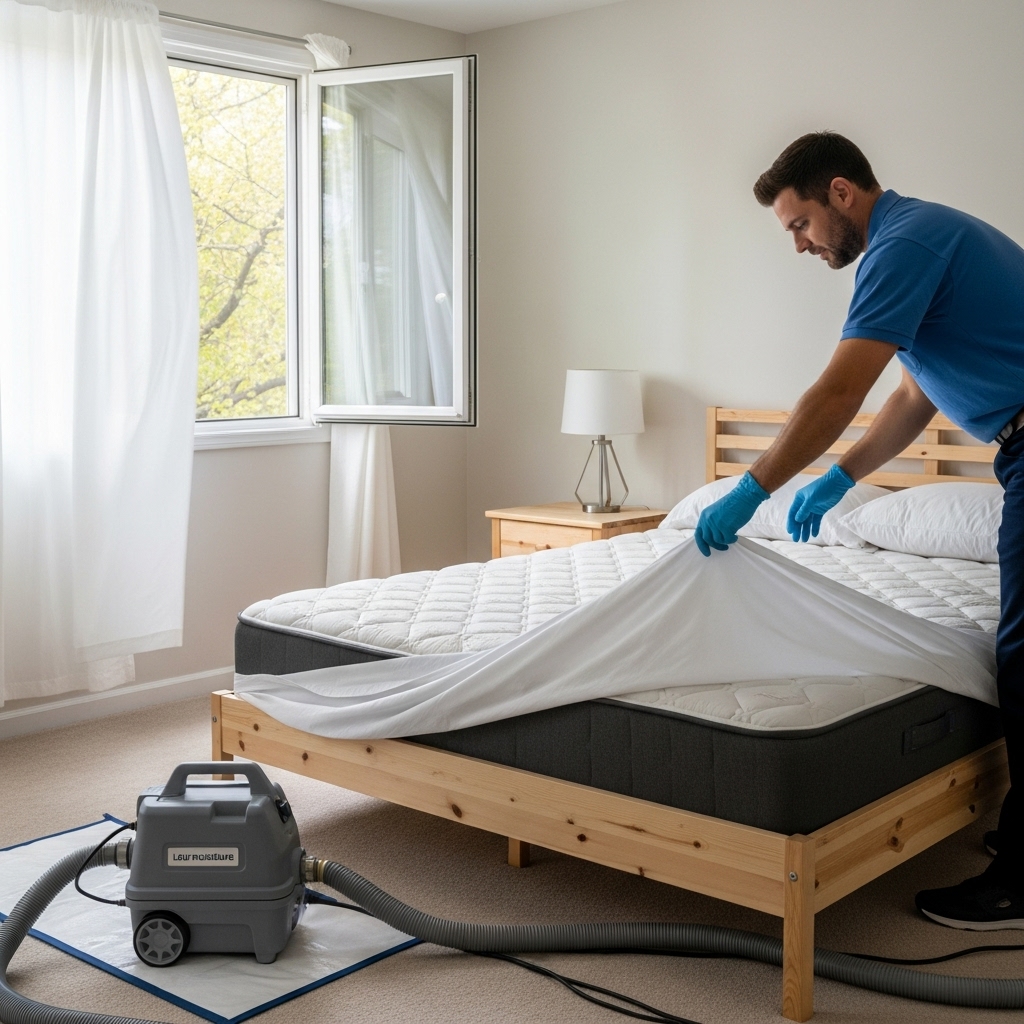
When you are evaluating mattress cleaning services in Elizabeth, New Jersey, it helps to understand what shapes overall value and how to prepare your home for excellent results. While every household’s needs differ—pet ownership, allergy concerns, mattress type, and how long it has been since the last deep clean—you can take a structured approach to making a confident decision. Whether you are pursuing a one-time refresh or planning a routine schedule, this guide explains key factors, practical tips, and simple ways to keep your mattress healthier between professional visits. If you are exploring both DIY and service options, you can also review reputable information related to mattress cleaning to compare methods and outcomes.
Why Professional Mattress Care Matters
Mattresses quietly collect skin cells, sweat, dust mites, pollen, and indoor residues over time. Family life, pets, and seasonal humidity common to the Elizabeth area can accelerate buildup. Professional treatments can address deep-seated issues, remove stubborn odors, and complement your own routine. Even if you are diligent at home, periodic expert attention can help prolong mattress comfort and support.
Key Factors That Influence Service Scope
Without discussing specific figures, it is useful to understand what can expand or streamline a visit. This helps you plan expectations and select an approach that fits your goals.
- Mattress size and construction: Larger sizes and thick pillow-tops may require more time. Memory foam and latex often need moisture-sensitive techniques.
- Condition and age: Heavily soiled surfaces, set-in stains, or older mattresses with multiple layers of buildup typically take longer to address.
- Stain type: Organic spills, pet accidents, or beverage stains usually call for targeted enzyme or oxidation strategies, handled carefully to protect fabrics.
- Odor intensity: Persistent odors may need staged treatments, dwell time, and enhanced ventilation.
- Allergy considerations: If dust mites or pollen are major concerns, added attention to seams and allergen-blocking methods can be incorporated.
- Access and logistics: Narrow stairways, high floors, or tight schedules can affect how technicians plan the job.
- Add-on requests: Some households want pillows, toppers, or upholstered headboards treated to create a fresher overall sleep environment.
What to Do Before a Technician Arrives
Preparation makes a big difference and can streamline the appointment:
- Strip the bed and launder bedding so everything is ready to replace once cleaning is complete and dry.
- Clear the area around the bed so equipment can be positioned efficiently.
- Share details about mattress type, age, and any accident history or sensitivities (fragrances, allergies, or preferred products).
- Provide ventilation by opening windows if weather allows or plan to run fans for drying.
Common Methods Used by Professionals
Technicians tailor methods to your mattress material and goals. Among the approaches you may encounter:
- Low-moisture surface extraction to reduce drying time and protect foam interiors
- Targeted enzyme treatments for organic stains and odors
- Careful oxidation or specialty spotting techniques for discoloration, applied only after testing
- Allergen-reduction passes that focus on seams and quilting where dust tends to accumulate
How Often Should You Schedule Service?
Frequency depends on lifestyle and sensitivities. Many households benefit from a professional visit every six to twelve months, with more frequent attention for homes with pets, children, or allergy challenges. In Elizabeth’s seasonal climate, late fall and early spring are popular times to refresh.
DIY vs. Professional: Making the Comparison
DIY cleaning gives you regular control and can be highly effective when you follow best practices, especially for maintenance between deeper treatments. Professional service brings advanced tools, specialty solutions, and trained eyes for complex stains or odors. Many residents choose a hybrid plan: light monthly care at home, plus a periodic professional visit to reset the mattress.
Practical Tips for Better Results
- Use a breathable, washable protector to guard against spills while allowing airflow.
- Vacuum the mattress surface monthly to reduce dust and pollen buildup.
- Address spills immediately with blotting and a gentle cleaner suited to the material.
- Ventilate the room during and after any wet cleaning to speed drying.
- Rotate the mattress if recommended by the manufacturer to distribute wear.
Evaluating Service Options in Elizabeth
When comparing local options, look at methods, experience, and how providers handle moisture control and drying. Ask about training for specific mattress types, especially memory foam or latex. Understand what steps they take for stubborn odors or recurring stains. Clarify expected drying times and what you can do to help, such as running fans or dehumidifiers. Around the middle of your decision-making process, it can be useful to review independent guidance on professional mattress cleaning so you have a benchmark for techniques and outcomes.
Allergy and Sensitivity Considerations
For households with asthma or severe allergies, request fragrance-free or hypoallergenic products when possible. Bring up any chemical sensitivities in advance, and ask how technicians minimize residues. After cleaning, consider washing bedding with an extra rinse and vacuuming nearby upholstery to reduce dust in the room overall.
Drying, Ventilation, and Timing
All mattress treatments benefit from solid airflow. Plan your appointment so there is time to dry the surface thoroughly before remaking the bed. If your home tends to hold humidity—common in summer near the bay—run a dehumidifier or multiple fans. Avoid sleeping on the mattress until it feels fully dry to the touch.
Maintaining Results Between Appointments
- Wash sheets weekly and protectors monthly.
- Vacuum seams and edges where dust concentrates.
- Spot clean spills promptly using minimal moisture.
- Keep bedroom windows closed during high-pollen days if allergies are a concern.
Environmental and Safety Notes
Gentle, fabric-safe products and conservative moisture use are essential for mattress care. Whether at home or during a professional visit, always prioritize ventilation. Avoid harsh chemicals and aggressive scrubbing, which can damage top layers and push stains deeper.
Frequently Asked Questions
Q: How do I know if my mattress needs professional attention?
A: If odors persist after your usual routine, if stains reappear, or if allergies seem worse in the bedroom, it may be time for an expert visit.
Q: Can every stain be removed?
A: Some older or deeply set stains may lighten significantly but not vanish completely. A skilled technician will set realistic expectations and prevent damage while improving appearance and freshness.
Q: Will services change the feel of my mattress?
A: Proper techniques are designed to preserve the mattress’s comfort and support. Over-wetting is avoided to protect interior materials.
Q: How long should I wait before putting sheets back on?
A: Only after the surface is completely dry to the touch. Drying time varies with method, airflow, and humidity.
Q: Are scented deodorizers recommended?
A: Unscented or mild options are often better, as strong fragrances can mask odors rather than removing their source and may bother sensitive sleepers.
Q: What information should I share with a technician?
A: Mattress type, age, previous spills, any attempts at home treatment, and sensitivities. Photos can help if you are scheduling remotely.
Q: How can I keep allergens down between visits?
A: Use allergen-proof covers, vacuum regularly with a HEPA-filtered vacuum, and wash bedding in warm to hot water if care labels allow.
Building a Long-Term Plan
Think of mattress care as an ongoing routine rather than a one-time event. Combine light monthly maintenance with periodic professional work. Align your schedule with seasons: handle a thorough refresh when pollen drops in late spring or when indoor humidity is lower in fall. Keep protectors clean and respond to spills quickly to prevent lingering issues.
Take the Next Step for a Fresher Mattress
If you are considering expert help to complement your routine, explore trusted mattress cleaning to restore comfort and cleanliness. With clear expectations and smart preparation, you can maintain a healthier sleep environment in Elizabeth year-round.