
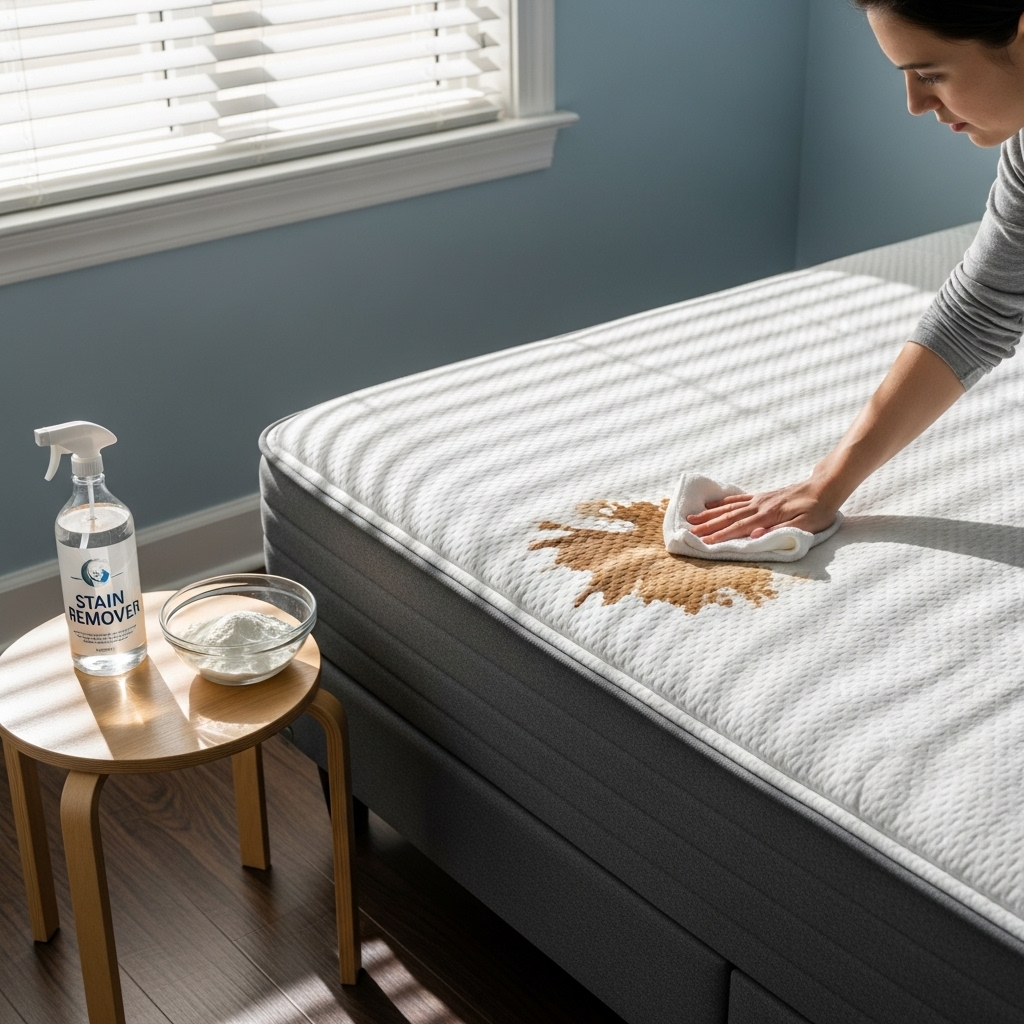
Life in Elizabeth, New Jersey is full of busy schedules, family gatherings, and the occasional unexpected spill. When a stain shows up on your mattress, fast, careful action makes all the difference. This guide explains a practical stain-removal framework that protects delicate fabrics, respects moisture limits, and keeps your sleep surface fresh. You will learn how to handle common stains, when to escalate techniques, and how to maintain a cleaner mattress over time. If you want to compare your at-home approach with expert methods, you can also reference trusted insights on mattress cleaning to see which solutions match your goals.
Know Your Mattress Before You Treat
Different materials respond differently to moisture and cleaners. Innerspring models with quilted tops may accept limited damp blotting. Memory foam and latex are much more sensitive; they should be treated with minimal liquid and plenty of airflow. Always read the care tag to check for warnings and recommended practices.
First Principles: Blot, Do Not Rub
When a fresh spill occurs, immediately blot with a clean, white cloth to lift as much liquid as possible. Rubbing spreads the stain and can drive it deeper into the fabric. Work from the outside toward the center of the spill to reduce the chance of rings.
Essential Supplies for Stain Removal
- White microfiber cloths
- Spray bottle with distilled water
- Mild liquid dish soap (clear, dye-free)
- Enzyme cleaner for organic stains
- 3% hydrogen peroxide (only after spot testing)
- Baking soda for deodorizing and light absorbency
- Vacuum with upholstery attachment
Targeted Strategies for Common Stains
Each stain type responds best to specific tactics. Always test on an inconspicuous area first and use minimal moisture.
- Beverage spills: Blot thoroughly. Mix a few drops of mild dish soap in a cup of distilled water, lightly dampen a cloth, and dab the area. Blot dry.
- Food stains: Carefully lift residue with a dull utensil, then dab with the mild soap solution. Avoid saturating the surface.
- Organic accidents: Use an enzyme cleaner according to label directions. Let it dwell as recommended, then blot dry and allow for extended airflow.
- Deodorizing after treatment: Sprinkle baking soda lightly, let it sit for 30 to 60 minutes, and vacuum thoroughly.
Dealing With Set-In Stains
Older stains can be stubborn. After trying gentle soap-and-water dabbing, you may test a small amount of 3% hydrogen peroxide. Apply with a cloth, blot carefully, and keep the area as dry as possible. Patience is key: several gentle rounds are better than one heavy-handed attempt.
Moisture Management Matters in Elizabeth
Humid days are not ideal for wet cleaning. If the air feels heavy, rely more on blotting and dry methods, and run fans or a dehumidifier to help the mattress dry quickly. Avoid putting sheets back on until the area is dry to the touch. Moisture trapped inside foam layers can cause recurring odors.
Odor Control Without Overdoing It
Use baking soda sparingly across the affected zone and vacuum after dwell time. Skip heavily perfumed products that only mask odors. Ventilation—open windows if weather permits and use fans—does more to remove smells than strong fragrances do.
Prevent Stains With Smart Protection
A breathable, washable mattress protector is your best defense. In family or pet-friendly homes, choose a protector with a waterproof membrane that still allows airflow. Wash it regularly according to the label to maintain performance and hygiene.
Step-by-Step Stain Response Plan
- Act fast: Blot immediately to remove as much liquid as possible.
- Identify the stain: Organic, beverage, or unknown origin.
- Choose a targeted cleaner: Mild soap solution or enzyme cleaner for organic stains.
- Test first: Try a small, hidden area to check for discoloration.
- Apply minimally: Dab, do not rub, and avoid saturating.
- Deodorize if needed: Light baking soda application and vacuum after dwell.
- Dry thoroughly: Use airflow. Do not remake the bed until fully dry.
Refreshing the Entire Mattress
Once stains are addressed, consider a broader refresh to even out the surface:
- Vacuum the entire mattress, focusing on seams.
- Apply a light coating of baking soda, allow a longer dwell, and vacuum again.
- Rotate the mattress if manufacturer guidance allows to distribute wear.
What Not to Do
- Do not use colored cloths that may bleed dye.
- Do not soak the mattress; moisture trapped inside is hard to remove.
- Do not use harsh solvents or bleach, which may degrade fibers and foams.
- Do not cover the mattress with sheets before it is fully dry.
Special Situations: Pets and Kids
For pet accidents, enzyme cleaners are especially valuable because they break down the compounds that cause lingering odors. After blotting and enzyme treatment, allow extra drying time and ventilation. For children’s spills, respond quickly, and consider keeping an extra protector on hand so you can swap it out immediately and launder later.
Seasonal Considerations in Elizabeth
Spring pollen and summer humidity can complicate mattress care. Use allergen-proof covers if allergies are a concern, and take advantage of drier days in fall and winter for more thorough refreshes. During humid weeks, lean on fans and dehumidifiers to maintain a comfortable indoor environment.
Mid-Process Check and Optional Escalation
If a stain partially lifts but leaves a faint ring, pause and let the area dry completely. Rings sometimes disappear as the surface fully dries. If discoloration remains, repeat gentle dabbing with a mild solution rather than resorting to aggressive scrubbing. If you are unsure about the next step, review trusted guidance on professional mattress cleaning techniques that emphasize minimal moisture and fabric safety.
Long-Term Maintenance
- Vacuum monthly to keep dust and allergens in check.
- Wash bedding weekly and mattress protectors regularly.
- Rotate as recommended to reduce uneven wear.
- Spot treat immediately after any spill or accident.
Frequently Asked Questions
Q: Can every stain be removed completely?
A: Not always. Some set-in stains can lighten significantly with repeated gentle treatments but may not vanish entirely. Focus on cleanliness and odor control alongside appearance.
Q: Is hydrogen peroxide safe for all mattresses?
A: Use only 3% and test first. Some fabrics can discolor. Apply sparingly and blot immediately.
Q: Should I use steam for stain removal?
A: Steam is not the best first line for stains and can add unwanted moisture. Targeted spot cleaning is safer for most mattresses, especially foam.
Q: How do I prevent future stains?
A: Use a breathable waterproof protector, wash bedding regularly, and address spills promptly.
Q: What if an odor returns after cleaning?
A: Revisit the area with an enzyme cleaner if the source is organic, then ensure extended airflow and full drying.
Q: How often should I refresh the whole mattress?
A: Every few months works for most households, with more frequent care if you have pets, kids, or allergies.
From Stain Relief to Lasting Freshness
With a gentle, methodical approach, you can rescue stained areas and keep your mattress comfortable for the long haul. If you ever need extra help or prefer to outsource heavily soiled situations, explore reliable mattress cleaning support that aligns with your mattress type and household needs.
Sleep Better on a Clean, Comfortable Mattress
Ready to restore freshness and peace of mind in your Elizabeth home? Reach out for trusted mattress cleaning that helps you protect your investment and enjoy deeper rest night after night.