
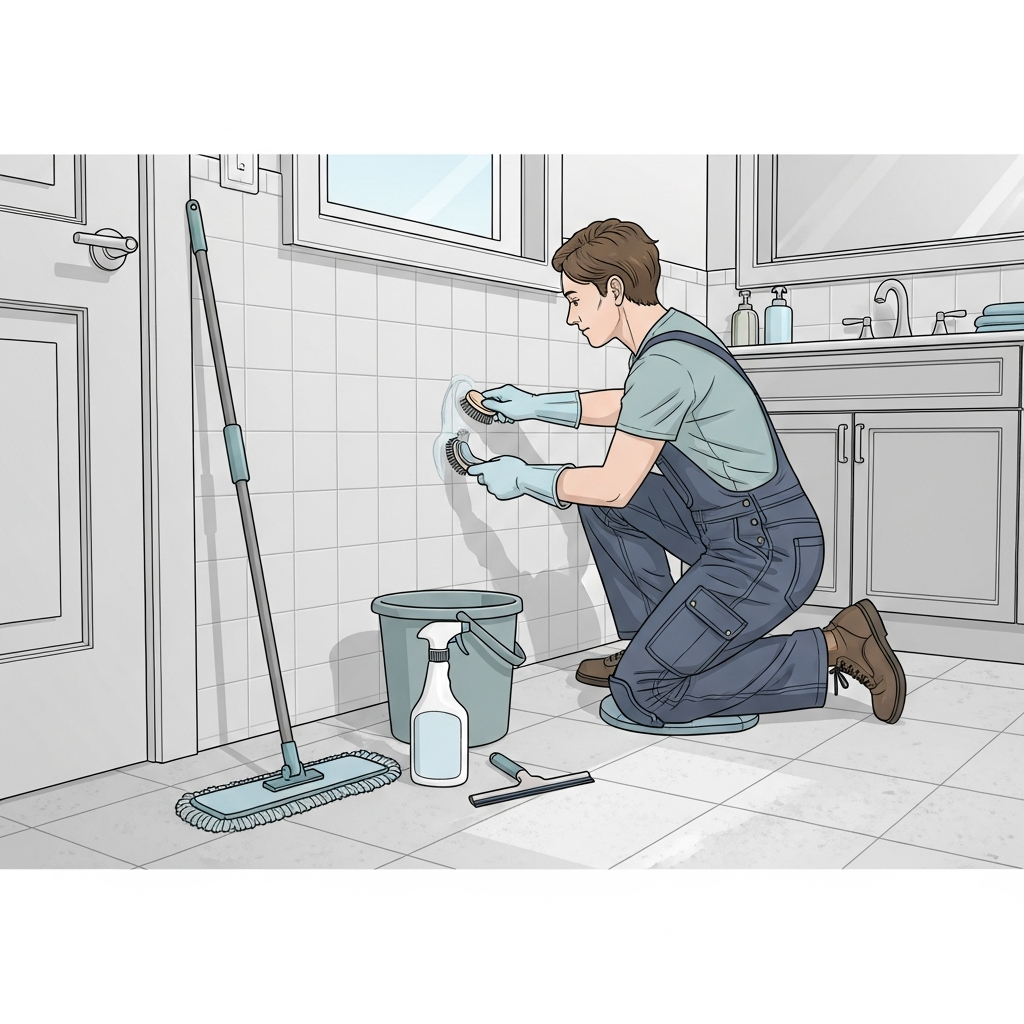
At-Home Tile and Grout Cleaning for Elizabeth, NJ Homes
Learning how to handle tile and grout cleaning at home empowers you to keep kitchens, bathrooms, and entryways looking sharp between deep cleans. In Elizabeth, New Jersey, where winter slush, spring pollen, and humid summers put floors and showers to the test, a smart routine can save hours of scrubbing later. To start, it helps to understand what grout is and why it darkens. Grout is porous, so it absorbs spills and residue that soaps and ordinary mopping sometimes spread rather than remove. With a plan, you can deal with everyday soil safely and set yourself up for better long-term results. And if you ever decide your surfaces need a deeper reset, professional-grade tile and grout cleaning is there to complement your efforts and extend the life of your home finishes.
This comprehensive guide covers tools, techniques, stain-specific strategies, and common mistakes to avoid. It is tailored for Elizabeth homeowners living in a mix of pre-war apartments, single-family houses, and new-townhome builds where tile runs from front door to bath and beyond.
Gather the Right Tools and Products
Having a small kit ready makes weekly upkeep simple. Assemble these basics:
- Soft-bristle grout brush and a medium nylon brush for tile texture
- Microfiber mop and extra washable pads
- Bucket with measuring marks to control dilution
- Vacuum with a hard-floor setting or a quality dust mop
- pH-neutral cleaner formulated for tile and stone
- Oxygenated powder cleaner for occasional brightening of grout
- Spray bottle for spot treatment
- Squeegee for showers and bathroom walls
- Clean, colorfast towels for drying and buffing
Optional items include a kneeling pad, knee protection, and gentle scrubbing pads designed for tile. Avoid steel wool and harsh abrasives that can scratch glazes and open grout pores.
Daily and Weekly Maintenance
Maintenance is about keeping soil from settling. Dry soil removal comes first—vacuum or dust-mop floors every few days, especially near entries and in kitchens. Use a pH-neutral cleaner diluted per label, and mop with a damp (not wet) microfiber pad. Rinse the pad frequently to avoid spreading residue. In bathrooms, run the exhaust fan during and after showers, and use a quick squeegee on tile walls and glass. This prevents persistent moisture and reduces the need for mildew-fighting later.
Wipe kitchen splatters as they occur. If cooking oils or sauces hit the floor, blot before you wipe to avoid pushing them into grout. Note where grime concentrates—under highchairs, near pet bowls, or by the range—and give those spots extra attention during weekly cleaning.
Monthly Deep-Clean Routine
Even with great habits, films and residues accumulate. Once a month, do a more thorough session:
- Vacuum or dust-mop carefully, including baseboard edges and under appliances if accessible.
- Pre-treat grout lines with a mild oxygenated cleaner mixed as directed. Let it dwell long enough to break down discoloration without drying.
- Agitate grout with a soft-bristle brush in short sections. Work methodically so product does not sit too long in any one area.
- Mop the tile with a pH-neutral solution, paying special attention to traffic lanes and textured areas.
- Rinse with clean water or a fresh microfiber pad to remove loosened residue; replace the water or pad as it becomes cloudy.
- Dry the floor with towels or a dry pad to prevent water marks and to reveal any missed spots.
For showers, apply a soap-scum remover labeled safe for your tile, agitate, rinse thoroughly, and squeegee dry. Keep the fan running until surfaces are no longer damp.
Stain and Soil Strategies
Different soils call for different tactics. Grease and cooking film respond to alkaline cleaners, while mineral deposits need a different approach. On ceramic and porcelain, a carefully selected product can remove haze, but avoid acidic cleaners on natural stone such as marble and travertine. When in doubt, test in an inconspicuous spot first.
For kitchens, use a little dwell time on greasy areas before scrubbing gently. On bathroom floors and walls, address soap scum with a product designed to break it down, then rinse thoroughly. For discoloration along grout lines where water sits, oxygenated cleaners excel at lifting organic stains. Always rinse well after treatment and dry the surface.
Elizabeth-Specific Considerations
Local conditions matter. In winter, de-icing salts and gritty sand get tracked into entryways, scratching tile and embedding in grout. Place mats outside and inside doors and clean them frequently. Vacuum entries more often, and consider an extra quick mop when storms pass. In summer, humidity increases the time surfaces remain damp, especially in bathrooms without windows. Run the fan, leave the door ajar after showers, and squeegee to keep grout brighter.
Renovations are common across Elizabeth’s neighborhoods, from revitalized downtown lofts to suburban expansions. Construction dust can drift through vents and settle on tile; vacuum with a HEPA filter and wipe surfaces gently to avoid grinding particulates into grout. If you host frequent gatherings, plan an extra deep-clean the following day to prevent spills from setting.
Safety and Surface Protection
Protect adjacent materials before you begin. Mask wood baseboards or painted trim if you are using a cleaner that could affect finishes. Keep solutions off natural stone counters unless you are absolutely sure the product is safe. Open windows or run fans for ventilation when using any solution with a scent or active oxygen. Keep pets and children away from wet floors until dry to the touch.
Use only non-scratch pads and brushes formulated for tile. If you own natural stone, stay with pH-neutral options and consult your stone’s care guidelines. Never mix chemicals, and label your spray bottles so you remember what is inside months later.
When DIY Is Not Enough
DIY care is perfect for routine maintenance, but some situations call for heavier equipment and advanced chemistry. If grout darkening returns immediately after mopping, if sticky residue persists on porcelain, or if shower corners refuse to brighten, that is a sign of deeper embedded soil. Another indicator is uneven results—clean around the edges but dull in the center—or spotting after every rinse. When you encounter those issues, a targeted professional clean can restore a uniform look and make your home routine more effective. Midway through your home-care journey, it is perfectly reasonable to consider a periodic reset with expert tile and grout cleaning so your weekly work pays off with less effort.
Sealing: The Protection Step
Sealing clean grout helps repel liquids and slows discoloration. For cement-based grout in kitchens and baths, this step can make maintenance notably easier. Apply a quality penetrating sealer as directed and give it time to cure before exposing the area to moisture. Test water beading afterward; if water soaks in immediately, apply a second light coat. Remember that sealers wear with use, so plan to re-seal high-traffic zones more frequently than quiet guest baths.
Room-by-Room Tips
Kitchen: Focus on the cooking zone and sink area where splatters occur. Blot greasy spills before wiping and rinse the mop head or cloth often. Place washable runners near prep stations and the dishwasher.
Bathroom: Keep humidity down. Squeegee, run fans, and use a microfiber cloth to dry corners that stain easily. Replace old caulk so water does not creep behind joints. Check that shower curtains or doors seal well to avoid puddles on floors.
Entryway: Manage grit with mats and boot trays. Vacuum edges where particles accumulate and rotate rugs to even out wear. For rainy days, dry mop quickly once traffic slows to prevent water marks and residue lines.
Laundry and Utility Areas: Detergent drips and rust marks from metal hampers or appliance feet can stain grout. Wipe spills immediately and place pads under metal objects to prevent orange halos.
Common Mistakes to Avoid
- Using too much cleaner and too little water, leaving a sticky film that attracts soil.
- Scrubbing with abrasive pads or powders that scratch tile and open grout pores.
- Relying on bleach as a cure-all; it may lighten stains temporarily but can leave residues and does not seal grout.
- Skipping dry soil removal before wet cleaning, which grinds grit into the surface.
- Leaving showers wet; standing moisture encourages discoloration.
Simple Maintenance Schedule
Daily: Spot-wipe splatters, squeegee showers. Weekly: Vacuum or dust-mop, damp mop with neutral cleaner, and brush visible grout lines. Monthly: Do a focused deep-clean with oxygenated product on grout and a thorough rinse. Quarterly: Inspect for re-sealing needs and touch up high-traffic and splash zones. Annually: Consider a professional reset to renew uniform brightness and make home maintenance easier.
Frequently Asked Questions
Q. What cleaner is safest for most tile? A. A pH-neutral cleaner designed for tile and stone is the safest starting point for ceramic, porcelain, and many sealed surfaces.
Q. Can I use steam on my own? A. Consumer steamers can help with edges and light soil, but uneven heat or prolonged dwell can affect certain materials. Test carefully and keep the tool moving.
Q. How do I keep shower grout from darkening? A. Reduce moisture, squeegee daily, and ventilate well. Regular deep-cleaning and re-sealing give you more time between refreshes.
Q. My porcelain looks cloudy after mopping. Why? A. Likely cleaner residue or mineral film. Reduce product, rinse with clean water, and buff dry with a towel or dry pad.
Q. What about natural stone? A. Avoid acids and use products labeled safe for your specific stone. Seal as recommended and wipe spills immediately.
Q. Is colored grout harder to maintain? A. Not necessarily, but colored grout can show light residue differently than dark grout. Consistent care and sealing help both types look their best.
Ready to See a Noticeable Difference?
With the right tools and a steady routine, Elizabeth homeowners can keep tile and grout looking crisp all year. When your efforts plateau or you want to reset surfaces before holidays, entertaining, or a move, a focused deep clean can make every subsequent mop more effective. If you are ready to pair smart home care with a professional-grade refresh for lasting brightness, explore expert tile and grout cleaning and enjoy cleaner, healthier spaces without the struggle.