
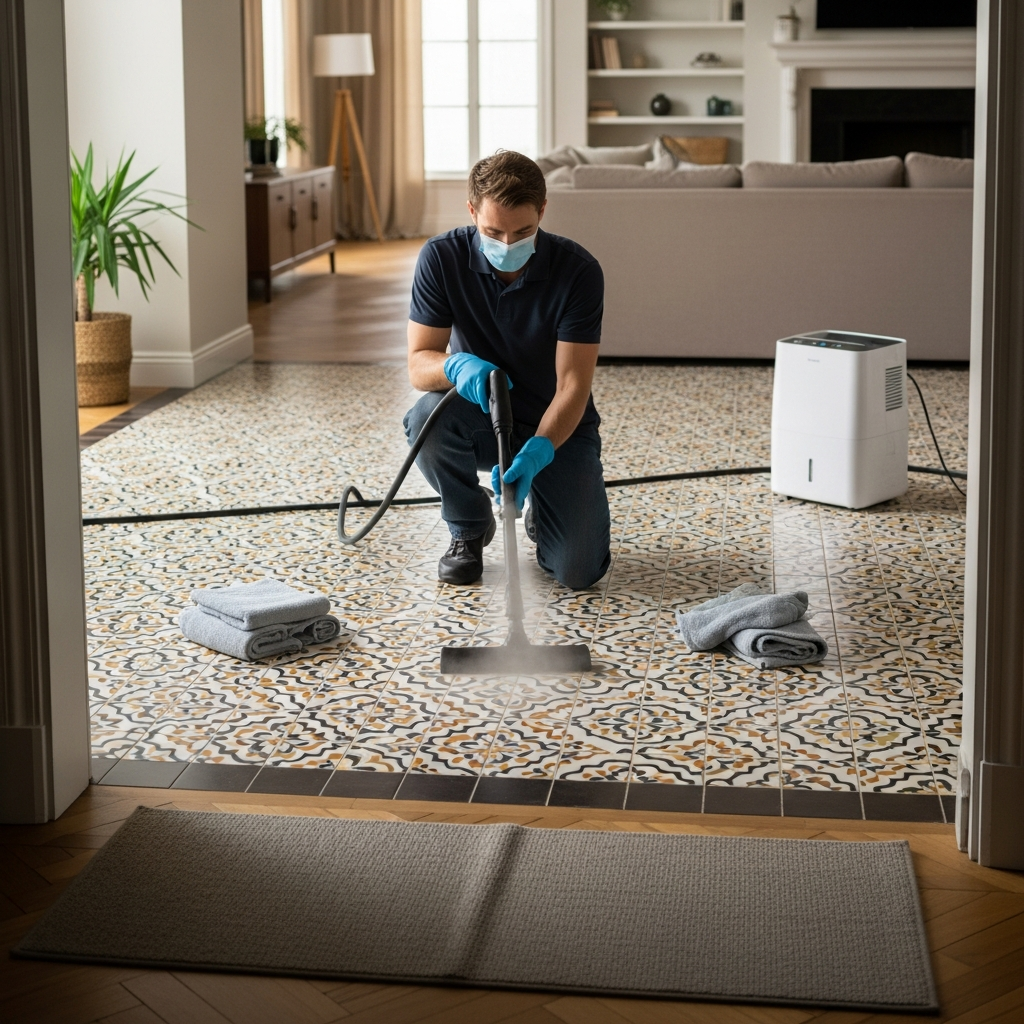
What to expect from tile and grout steam cleaning in Elizabeth, New Jersey
Steam-based or hot-water extraction methods are among the most effective ways to revitalize tile and grout. In Elizabeth, where kitchens, baths, and entryways see constant traffic, a carefully managed steam cleaning can reset surfaces to a bright, hygienic baseline. This guide walks you through each stage of the visit—from the first walkthrough to drying—so you know exactly how professionals protect your home, adapt to different materials, and deliver consistent results. To set the stage, we begin with a quick overview of modern tile and grout cleaning techniques that pair precisely calibrated heat, agitation, and rinsing for a deep, residue-free finish.
The term “steam cleaning” is often used broadly. In practice, professionals use a combination of heated solutions, dwell time, and extraction to flush soils out of pores and textures. The key is control: enough heat and agitation to release buildup without harming finishes, followed by thorough rinsing and pH balancing.
Pre-inspection and testing
A successful appointment starts with identification. Technicians determine tile type—porcelain, ceramic, natural stone, glass mosaics—and grout composition. They look for previous sealers, topical coatings, or waxes that may affect technique. Spot tests confirm solution compatibility and gauge how soils respond, especially in areas with heavy buildup like shower floors or kitchen work zones.
During this stage, you can share concerns about stains, slippery areas, or recurring haze. Clear communication ensures the plan targets your priorities. Technicians will also discuss access logistics common in Elizabeth, such as parking, building entry, and protection for narrow stairways or corners.
Preparation and protection
Before active cleaning begins, the crew stages equipment thoughtfully. Corner guards and floor protection help keep adjacent areas safe. Dry soil removal captures grit that could scratch surfaces if left in place. Drains and thresholds are checked, and delicate transitions to adjacent flooring are protected.
In showers, shelves and niches are cleared, and fixtures are shielded where helpful. In kitchens and entries, rugs and small items are removed so cleaning can proceed without interruption. These preparations support speed, safety, and quality.
Targeted chemistry and dwell time
Heat alone is not enough. A compatible pre-spray softens and separates films—oils, soap residues, and urban grit—from the tile face and grout pores. Dwell time allows chemistry to work so that less aggressive agitation is required. The right product for your materials prevents etching, preserves sheen, and readies soils for extraction.
Where mineral deposits are present, technicians may incorporate a step tailored to those issues, with careful control to protect nearby metal finishes or natural stone. The sequencing of these steps matters and is adapted to each room’s needs.
Agitation: gentle but effective
Once soils have been loosened, technicians agitate strategically. Grout brushes sized to joint width reach into channels, while surface-appropriate pads or tools address the tile face. The aim is even coverage that lifts stubborn films without scouring or eroding grout.
Different tiles call for different tools. A textured porcelain in a mudroom benefits from more mechanical action than a polished tile in a powder room. Skill is knowing how much is enough and when to stop.
Steam or hot-water extraction and thorough rinsing
Now the cleaning power comes to life. Using specialized wands or tools, professionals apply controlled heat and pressure to flush soils from pores and micro-texture, immediately extracting the slurry so it does not settle back. This step removes residues that mopping tends to smear around and sets your floors up for a clean, squeak-like feel underfoot.
Following extraction, a pH-balancing rinse brings surfaces back to neutral. This protects grout and tile, minimizes the chance of rapid re-soiling, and readies the area for drying.
Drying and final inspection
Air movement is often used to speed drying so rooms can return to service sooner. A final inspection checks for uniform color in grout lines, clarity on tile faces, and any small areas that need a touch-up. Technicians also tidy hoses and protective gear, leaving the space clean.
During the walkthrough, you will receive guidance on initial care: minimizing foot traffic while surfaces dry and how to make the most of your fresh start with simple maintenance.
Health and comfort benefits
Steam-based extraction does more than elevate appearance. By removing embedded soils and residues, it supports a fresher indoor environment, especially in damp zones like bathrooms and laundry areas. Many homeowners notice a difference in how spaces look and feel—brighter, lighter, and more welcoming.
Safety improves as well. Films from soaps or oils can reduce traction; removing them restores a more secure footing in kitchens and baths. This is particularly meaningful for families with young children, seniors, or frequent guests.
What steam cleaning can and cannot do
Professional steam cleaning can dramatically improve grout color uniformity and tile clarity. However, it cannot reverse permanent discoloration caused by damage or chemical changes within the grout. If a stain has penetrated deeply or a tile’s finish is etched, professionals will explain realistic outcomes and suggest next steps if repair is needed.
Sealing may be recommended after cleaning, especially in kitchens, baths, and entries. While sealing does not hide stains, it helps resist new ones and makes routine maintenance more effective.
Elizabeth-specific considerations
Local lifestyles influence service plans. In busy corridors or multifamily buildings, technicians plan for parking and elevator use, and they protect trim and corners in tight stairwells. Urban grit from sidewalks can be especially stubborn in entryways, and seasonal moisture in bathrooms may require extra attention to grout joints.
Mixed-material installations—like stone accents within ceramic fields—are also common. Pros identify each material and adjust chemistry and tools accordingly to protect delicate areas while still achieving a thorough clean.
How to prepare for your appointment
Clear floors of small items and lift bath mats or runners. Remove personal products from shower ledges where possible. Share any concerns about stained areas, loose trim, or slippery spots. Provide building access instructions ahead of time, particularly in denser parts of Elizabeth where parking or entry must be coordinated.
Plan for normal routines to shift briefly while cleaning and drying are underway. Keeping pets comfortable in another room and limiting foot traffic in active zones help the process go smoothly.
Post-cleaning maintenance that keeps results longer
Routine sweeping or vacuuming removes fine grit that acts like sandpaper on tile and grout. Use neutral pH cleaners designed for tile, and rinse pads so you are not re-depositing residue. In showers, a quick dry pass after use slows the return of film and keeps grout brighter between services.
Entry mats inside and just beyond doors capture grit before it settles in joints. In kitchens, address cooking splatters promptly; sealed grout gives you more time, but prompt attention always helps.
Midway perspective: the science behind the shine
What separates lasting results from short-lived shine is balance—heat, chemistry, agitation, and rinsing working together. Selecting a team that specializes in professional tile and grout cleaning ensures that each variable is tuned to your materials so residues are removed thoroughly and finishes are protected.
Frequently asked questions
Is steam cleaning safe for all tiles? Professionals tailor temperature, tools, and chemistry to the material. While porcelain and ceramic are generally robust, natural stone and certain finishes require gentler methods. Testing confirms the right approach.
How disruptive is the process? Crews stage equipment carefully, protect corners and adjacent flooring, and work efficiently. You will be asked to limit foot traffic in active areas and until surfaces are ready for normal use.
Will all stains come out? Many will lighten or disappear, but permanent stains or etched finishes may remain. A pre-inspection sets honest expectations and identifies any areas that might need repair rather than cleaning alone.
Do I need sealing afterward? In many kitchens, baths, and entryways, sealing grout after cleaning helps resist future staining and streamlines routine care. Your technician will advise based on usage and materials.
What should I do between professional visits? Keep it simple: sweep or vacuum dry soils, clean with a neutral pH solution, rinse pads, and dry shower areas after use. These steps slow buildup and keep your floors looking their best.
Bring back clarity and confidence
When your tile looks dull or grout lines have lost their brightness, a carefully managed steam cleaning can reset the entire space. Choose a provider who inspects thoroughly, explains each step, and respects your home from setup to final walkthrough. If you are ready for surfaces that look and feel refreshed, contact a local specialist in tile and grout cleaning services and enjoy the difference that a balanced, professional process makes.