
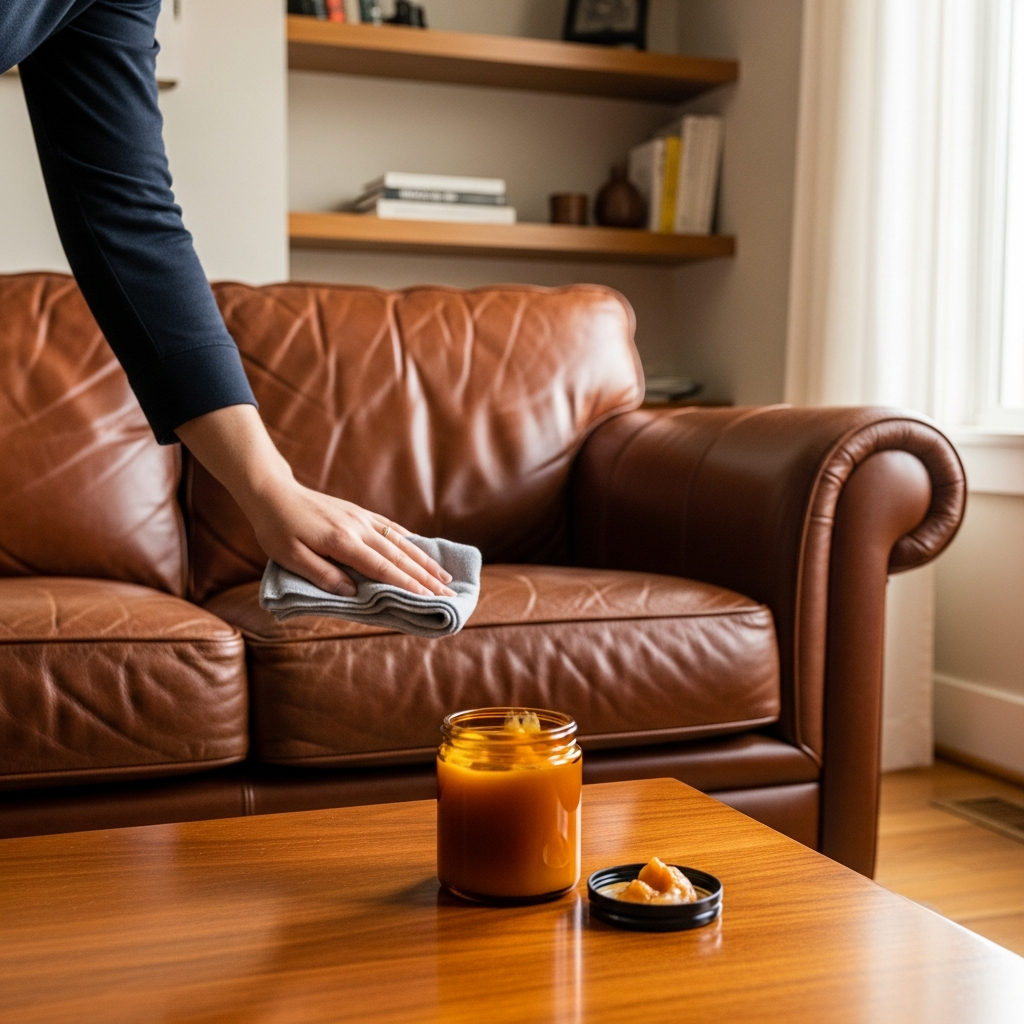
Leather brings warmth, durability, and timeless style to living rooms across Elizabeth, New Jersey. Yet it also demands specialized care. From winter heating that dries the air to humid summer days that leave surfaces tacky, local conditions can make leather cleaning and maintenance feel complicated. This comprehensive guide explains how to identify your leather type, choose safe products, remove common soils without damaging the finish, and maintain a supple feel year-round. If you prefer a convenient reference to revisit as you build a routine, save a trusted page on sofa cleaning and return here for leather-specific techniques tailored to Elizabeth homes.
Know Your Leather: Finish and Structure
All leather is not the same. Understanding finish types helps you select appropriate cleaning and conditioning approaches. Pigmented (protected) leather features a durable topcoat that resists abrasion and minor spills. Semi-aniline retains some natural character with a light protective layer. Full aniline displays the most natural look and breathability but stains and marks more easily. Nubuck and suede have a velvety nap and are among the most delicate, requiring highly specialized dry methods.
Examine a hidden area with a drop of distilled water. If it beads briefly, you likely have a protected finish. If it darkens the hide immediately, absorption is high and the finish is more delicate. Always perform cautious tests and defer to the gentlest compatible process.
Why Elizabetha0NJ Conditions Matter
Seasonal heating pulls moisture from indoor air, which in turn draws oils from leather, leaving it dry and prone to fine cracking. Summer humidity introduces stickiness and attracts airborne dust. Urban grit carried indoors on clothing and bags can abrade finishes. A successful care plan addresses both soil removal and moisture balance, shifting slightly with the seasons.
Daily and Weekly Maintenance
Dry dusting with a soft, lint-free cloth prevents gritty buildup that can scratch finishes. For protected leather, a slightly damp cloth can remove light soils; always follow with a dry wipe. Avoid household wipes and harsh cleaners that can break down topcoats or leave residues. Vacuum crevices with a soft brush attachment to lift crumbs and pet hair without scuffing.
Monthly Care: Gentle Cleaning
For pigmented and some semi-aniline leathers, a pH-balanced leather cleaner used sparingly can remove body oils, light spills, and grime from frequent contact areas like armrests and headrests. Apply the product to a cloth, not directly to the sofa. Work in small sections, lifting soil rather than scrubbing. Immediately buff with a dry cloth to even out the sheen and prevent streaks.
Conditioning for Suppleness
Conditioners help replenish essential oils that keep leather flexible. Choose a product designed for your finish type; many protected leathers need periodic conditioning to maintain a pleasant hand and resist surface cracking. Apply lightly and evenly. Over-conditioning can attract dust and leave a film, so use the smallest effective amount and buff thoroughly.
Spot Treatment: What to Do and What to Avoid
Water spots on absorbent leathers are best minimized by blending the surrounding area with a lightly dampened cloth, then allowing it to dry evenly. Oil-based marks may respond to blotting and time, as some oils redistribute into the hide. Protein-based spills should be addressed quickly with a barely damp cloth; avoid hot water. Ink marks are notoriously difficult; proceed cautiously and consider a specialist for persistent lines or dye transfer.
Nubuck and Suede Considerations
These velvety finishes are sensitive to moisture and soils can penetrate quickly. A specialized nubuck cloth or block can lift dry soils, and professionals can apply protective treatments designed for porous hides. At home, avoid liquid cleaners, vigorous scrubbing, and steam. Maintain even nap by gently brushing in a consistent direction.
Handling Body Oils and Headrest Shadows
Where heads, hands, and bare arms rest, natural oils build up over time. On protected leather, periodic gentle cleaning helps prevent dark, shiny patches. On more absorbent finishes, oils can migrate into the hide and become difficult to remove. Regular attention—light, frequent care rather than infrequent, aggressive scrubbing—maintains a consistent appearance.
Color Transfer From Clothing
Dye transfer from dark denim or new garments can stain lighter leathers, especially during summer humidity. Test new clothing on a hidden area if you notice smudging. Quick, gentle cleaning may reduce early transfer; long-set migration is challenging even for experienced technicians. Use throws or covers temporarily when wearing brand-new dark jeans on pale leather seating.
Sunlight and Heat Management
Direct sunlight can fade and dry leather, while radiators and heating vents accelerate moisture loss. Arrange seating to minimize direct sun exposure, use window treatments when practical, and keep sofas a safe distance from heat sources. During winter in Elizabeth, add a small humidifier to maintain comfortable indoor humidity, which helps leather stay supple.
Why Steam Is Not a Leather Cleaning Method
While steam is excellent for many fabrics, leather is a different material entirely. Moist heat can swell and distort fibers, damage protective finishes, and cause uneven texture or discoloration. Stick to dry dusting, targeted cleaners designed for leather, and appropriate conditioning.
Professional Expertise for Complex Issues
Full aniline, nubuck, severe dye transfer, or large oil spills may require professional attention. Trained technicians identify finish types accurately and use controlled methods to clean and protect leather without stripping finishes or changing the hand. If you are vetting options, reviewing reputable approaches to sofa cleaning services can give you a sense of the care, patience, and testing protocols that should accompany leather work, even though leather-specific products and techniques will differ from fabric upholstery.
Seasonal Care Plan for Elizabeth Homes
In autumn, address summer humidity residues and apply a light conditioning pass before heating season begins. In winter, dust frequently and monitor dryness; a small humidifier can make a noticeable difference. In spring, remove built-up soils from closed-window months. In summer, wipe down contact points more often to stay ahead of tackiness created by perspiration and ambient moisture.
Creating a Leather Care Kit
Keep a soft dust cloth, a dedicated leather cleaner matched to your finish, a compatible conditioner, cotton swabs for edges and seams, and a soft-bristle brush for nubuck, if applicable. Store products away from heat and sunlight. Always test in a hidden area before wider application.
FAQs: Leather Sofa Care in Elizabeth, NJ
Q: How can I tell if my leather is protected or aniline? A: Light water beading and a uniform appearance suggest a protective topcoat. Rapid darkening on contact and visible natural markings point to aniline. When in doubt, consult a specialist.
Q: How often should I condition? A: Frequency depends on exposure and finish type. Light, periodic conditioning for protected leather maintains flexibility; overuse can lead to a sticky surface.
Q: Is baby oil or household polish safe for leather? A: Avoid. These can disrupt finishes, attract dust, and create uneven sheen.
Q: Can I erase ink myself? A: Ink is unpredictable. Small, fresh marks sometimes lighten with appropriate products, but permanent removal is not guaranteed and attempts can spread the stain.
Q: What should I do about a large spill? A: Blot immediately, avoid rubbing, and allow the area to dry evenly. For absorbent hides or dark discoloration, seek expert help.
Q: Will a heater make my leather crack? A: Prolonged exposure to dry, hot air increases risk. Keep seating away from vents and add gentle humidity during winter.
Q: Are store-bought protectants useful? A: Some provide a breathable barrier against light soils. Choose products intended for your finish and apply sparingly.
Bring Back the Beauty of Your Leather Sofa
With the right routine—gentle cleaning, fabric-aware products, and seasonal adjustments—your leather seating can age gracefully in Elizabeth, NJ. For delicate finishes, complex discoloration, or a full living room refresh coordinated with your fabric pieces, consider scheduling trusted experts in professional sofa cleaning who respect leathera0specific needs and deliver careful, consistent results.