Introduction
Welcome to the Ultimate Guide to carpet care in Elizabeth, New Jersey—your comprehensive resource for healthier floors, fresher air, and a home that feels inviting year-round. Whether you live in the Elmora neighborhood, near the bustling Port Newark–Elizabeth Marine Terminal, or in quiet residential streets by Warinanco Park, your carpets experience a unique blend of urban foot traffic, seasonal weather, and daily life. In this guide, you will learn how professional methods differ from DIY, what services make the most sense for Elizabeth homes, and how to keep carpets looking pristine in between visits. If you are just getting started, one of the most helpful steps is learning what modern carpet cleaning services actually include and how to choose the right team for your home or small business.
Carpet fibers can trap allergens, dust, pet dander, and outdoor pollutants tracked in from busy city streets. Over time, these particles can dull your carpet’s color, create musty odors, and even aggravate allergies. Professional cleaning targets soil deep in the pile, removing residue that standard vacuuming leaves behind. With the right plan, your carpet not only looks better but also lasts longer, saving you from premature replacement and the disruption that comes with it.
Why Professional Carpet Cleaning Matters in Elizabeth
Elizabeth’s climate brings humid summers, slushy winters, and a steady flow of rain through shoulder seasons. Moisture can linger in carpet padding, especially in older homes or garden-level apartments, inviting odors or even microbial growth. Professionals use high-powered extraction equipment and controlled drying protocols to ensure moisture doesn’t remain trapped. Beyond the climate factor, Elizabeth’s high-traffic corridors—near shopping districts and transit hubs—mean more grit and fine debris underfoot. Expert technicians understand how to identify fiber type, select the correct pre-spray chemistry, and extract soils thoroughly without overwetting or causing rapid re-soiling.
Another advantage is targeted stain removal. From spilled espresso to road salt residues, local carpets face a range of stubborn spots. Professional cleaners can differentiate between protein, oil-based, tannin, and dye stains, then apply appropriate spotters and agitation techniques. This precision reduces the risk of spreading stains or setting them permanently. Technicians also know how to protect delicate fibers like wool or patterned Berber, which can fuzz or distort if mishandled.
Understanding Methods: Hot Water Extraction, Low-Moisture, and Beyond
Hot water extraction (often called steam cleaning) is a gold standard for deep restorative work. It uses heated solution and powerful suction to flush contaminants from the carpet pile. It is especially useful in households with pets or children, where spills and allergens are common. Low-moisture methods, such as encapsulation, suspend soil with polymers and require shorter drying times—great for busy homes or condos with limited ventilation. Bonnet cleaning offers quick surface improvements, but it is best reserved for maintenance rather than heavy restorative work.
In Elizabeth, many homeowners choose a hybrid approach: periodic hot water extraction for deep resets and interim low-moisture cleanings for appearance maintenance. This combination supports both health and aesthetics. When a professional assesses your home, they will consider traffic patterns, fiber composition, prior cleaning history, and the presence of odors or pet accidents before recommending an approach.
How Often Should You Clean?
Cleaning frequency varies with lifestyle. A home with multiple pets, frequent entertaining, or young children benefits from professional cleanings every three to six months. Lower-traffic households may opt for semiannual or annual service. Seasonal timing also matters. A deep clean at the end of winter can remove salt, sand, and slush residues, while a late-summer service can address humidity-related odors and prepare your home for fall and holiday gatherings.
In addition to professional visits, consistent vacuuming—two to three times per week for high-traffic zones—substantially reduces embedded soil. Use a vacuum with adjustable height and a quality HEPA filter to capture fine particulates without damaging fibers. Rotate furniture and area rugs occasionally to distribute wear more evenly and prevent permanent pile distortion.
What to Expect During a Professional Visit
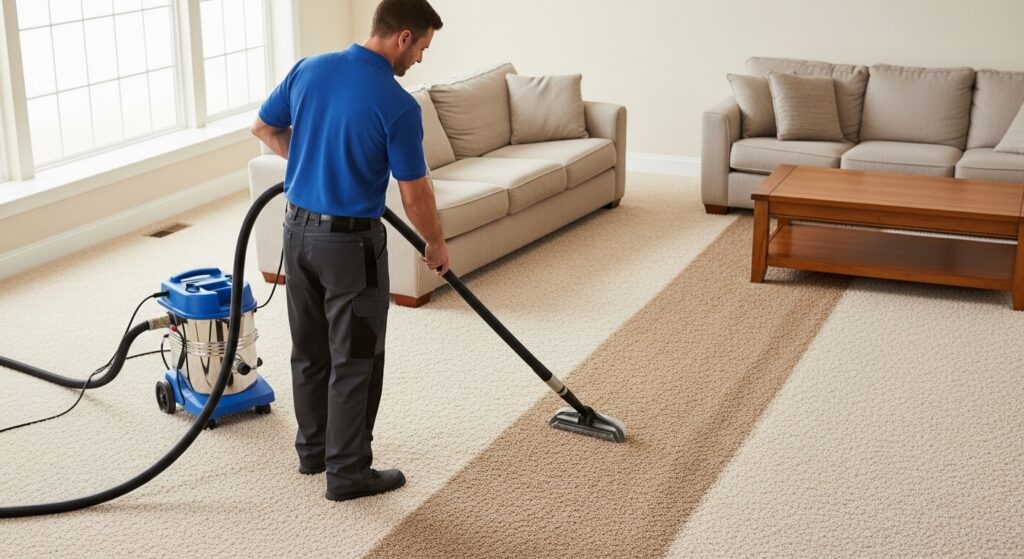
Reputable providers begin with a walkthrough and fiber inspection. They test for colorfastness, evaluate existing protectants, and discuss any concerns like pet odor or water damage. Next comes dry soil removal with commercial-grade vacuuming, followed by preconditioning to break down oils and tracked-in grime. Agitation—using brushes or counter-rotating machines—works the solution deep into the pile. After an appropriate dwell time, extraction lifts they loosened soil. If requested, a protector can be applied to help future spills bead on the surface, making spot cleanup easier.
Drying is the final critical step. Air movers and dehumidification speed evaporation so your carpets can be walked on sooner. Windows may be cracked for airflow depending on the weather, but professionals often bring airflow equipment to ensure consistent results regardless of the season. Remember to keep pets and children off damp areas until dry to prevent re-soiling and to maintain groomed pile tracks.
Eco-Conscious and Family-Safe Options
Many Elizabeth residents prioritize low-VOC, biodegradable solutions. Ask your cleaner about detergents and spotters that balance performance with safety for kids and pets. Modern formulations can be highly effective without strong fragrances or residues. Clear rinsing and powerful extraction remove surfactants that might otherwise attract dirt, reducing the need for frequent re-cleans. If a household member has sensitivities, communicate that up front so the team can choose fragrance-free or hypoallergenic options.
Water stewardship is also essential. Low-moisture maintenance visits reduce overall water use, while routine filter cleaning and equipment upkeep keep machinery working efficiently. A conscientious provider will explain their approach and show you how they minimize waste without sacrificing results.
Common Local Stains and How Pros Treat Them
Elizabeth carpets often battle road salt marks, rust from radiators, urban soot, and food spills from vibrant local eateries. Pros spot test, then tailor treatments: reducing agents for certain dye stains, enzyme solutions for organic spills, oxygen-based boosters for tannins, and solvent-based gel spotters for sticky residues like gum or wax. They also evaluate underlying padding and subfloor for wicking risks—when a stain reappears after drying—then address the source, not just the surface.
Odor control is similarly strategic. For minor issues, normal hot water extraction may suffice. For stronger odors, such as repeated pet accidents, technicians may apply enzyme digesters, inject treatments into the pad, or in severe cases recommend partial pad replacement. These interventions are most successful when matched to the exact contaminant and moisture level.
Selecting the Right Provider in Elizabeth
Look for technicians who explain their process in plain language, show certifications or training records, and perform a clear pre-inspection. Detailed estimates should outline the areas to be cleaned, the methods to be used, and expected drying times. Schedule flexibility is a plus—especially for apartment dwellers who may need weekend or evening visits to work around building policies. When comparing teams, ask about their approach to spots that reappear and what post-cleaning support they offer if you notice something after the carpet is fully dry.
Midway through your research, it helps to build a shortlist and compare apples to apples. Read through service descriptions and verify that their methods align with your carpet type. At this point, you should have a confident understanding of how modern carpet cleaning services differ, which can make conversations with providers more productive and ensure you book the right kind of visit for your home’s needs.
Preparing Your Home Before the Appointment
Preparation improves outcomes. Remove small items from the floor, pick up drapes or bedskirts that skim the carpet, and isolate pet bedding or litter areas. If you plan to have protectant applied, consider moving lightweight furniture out of the room so protectant can be applied wall to wall. Identify stains with a quick log of spills—what happened and when—so your technician can choose the right chemistry from the start. If there are mobility concerns or tight spaces, mention them ahead of time to ensure the crew brings the best tools for the job.
Day-of logistics also matter. Clear a path for hoses and equipment, and make nearby outlets accessible. If building access or street parking is complex, provide clear instructions. A little forethought here saves time and helps the team focus on results instead of navigation.
Aftercare: Keeping Carpets Cleaner, Longer
Post-cleaning care begins with ventilation and light traffic only, following your technician’s guidance. Once dry, resume routine vacuuming within 24 to 48 hours to lift any remaining grooming lines and capture loosened microsoil. Address new spills promptly: blot, never rub; start with plain water, then use a cleaner recommended by your technician. Place walk-off mats at entryways and rotate them seasonally. Felt pads under furniture help prevent dents and protectors on high-traffic hallways create a barrier that buys you precious reaction time when accidents happen.
Consider an annual maintenance plan that alternates between deep restorative cleaning and faster, low-moisture refreshes. This strategy balances hygiene, appearance, and convenience—especially helpful for busy families, home-based professionals, or anyone managing allergy triggers.
Special Considerations for Apartments and Older Homes
Elizabeth’s housing stock includes charming older homes and multi-unit buildings. In apartments, coordinate elevator access windows or stairwell routes with building management. Noise considerations may limit certain equipment during quiet hours, so ask your provider about low-noise solutions. In prewar homes, watch for delicate stair runners, uneven subfloors, and radiators that may oxidize nearby carpet tacks. Experienced crews handle these details by using protective corner guards, adjusting pressure on delicate fibers, and setting up containment to keep moisture and overspray exactly where it belongs.
Basement or garden-level units sometimes battle humidity. A professional may suggest pairing cleaning with temporary dehumidification to reduce dry times and discourage musty odors. If you have a history of moisture intrusion, discuss it candidly so your technician can inspect for wicking or lingering pad moisture.
Frequently Asked Questions
Q: How long does carpet typically take to dry after a deep clean? A: Most carpets dry within 4 to 12 hours, depending on fiber type, humidity, and airflow. Technicians may use air movers to shorten this window. High-pile or dense fibers may take a bit longer.
Q: Will professional cleaning remove all stains? A: Many stains can be significantly reduced or fully removed, but complete removal depends on the spill’s age, type, and whether prior DIY attempts set the stain. Honest providers will explain likely outcomes before they start.
Q: Are cleaning solutions safe for pets and children? A: Yes, when you choose teams that prioritize low-residue, low-VOC products and thorough rinsing. Communicate sensitivities in advance so the right solutions are selected.
Q: How often should homeowners in Elizabeth schedule service? A: High-traffic households benefit from cleanings every 3 to 6 months; lighter-use homes may opt for semiannual or annual visits. Consider seasonal factors like winter salt or summer humidity.
Q: What is the difference between steam cleaning and hot water extraction? A: In residential contexts, the terms are often used interchangeably. The key is heated solution combined with strong extraction, not visible steam. Proper technique matters more than terminology.
Q: Can I walk on the carpet while it is drying? A: Light traffic with clean socks is usually fine, but avoid shoes and heavy furniture placement until fully dry to prevent crushing the pile or transferring soils.
Q: How do protectants work? A: They create a barrier that helps liquids bead on the surface instead of soaking in, giving you time to blot spills before they become stains. Protectants do not make carpet stain-proof but improve your odds.
Q: What if a stain reappears the next day? A: That may be wicking—residue from the backing or pad traveling upward as the carpet dries. Contact your provider; a quick follow-up may resolve it with targeted extraction.
Ready for Fresher Carpets in Elizabeth?
If you are ready to revitalize your home and breathe easier, schedule a professional visit that fits your routine and priorities. Whether you want deep restorative cleaning or a fast low-moisture refresh, now is the perfect time to set a plan that keeps your carpets vibrant through every season in Union County. Get started by exploring trusted carpet cleaning services and take the first step toward a cleaner, more comfortable home.