
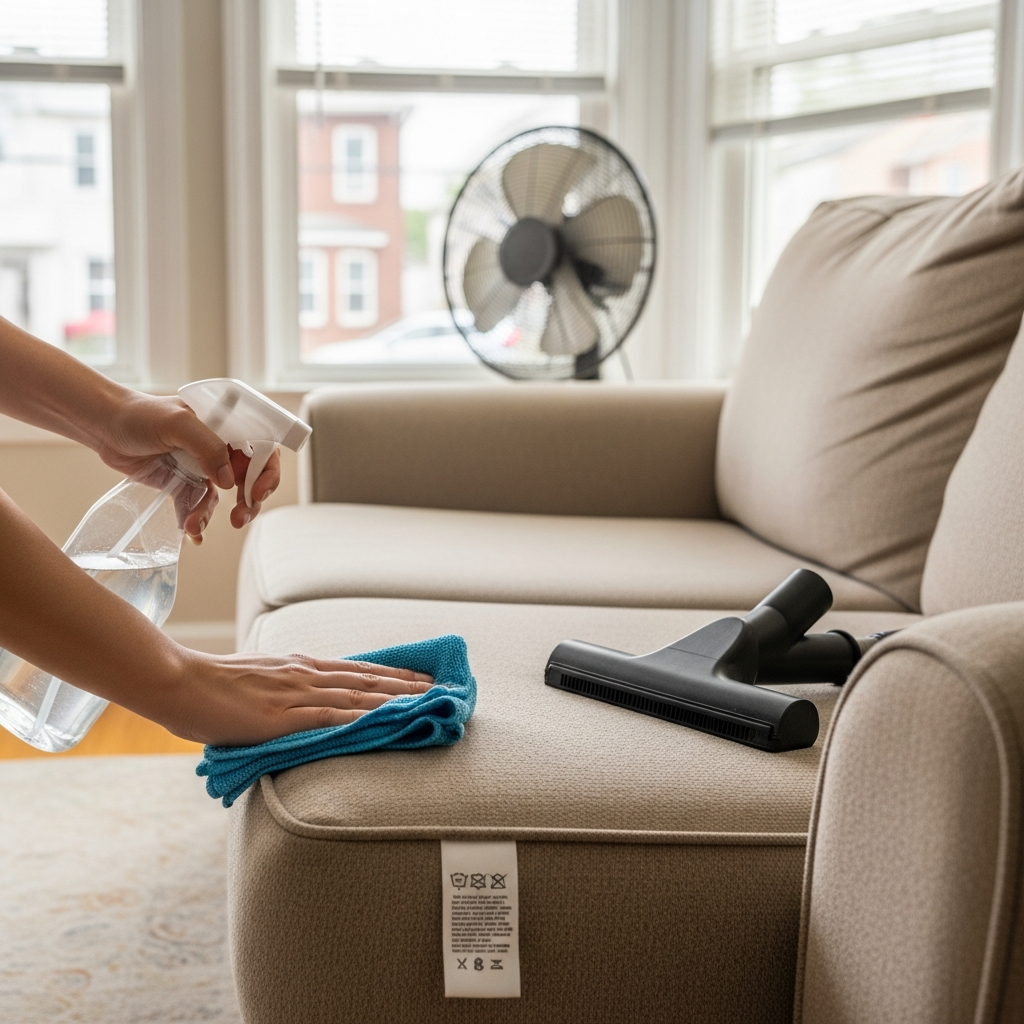
Introduction: A Local Guide to Cleaner, Fresher Upholstery
Fresh, clean upholstery makes every room in your Elizabeth, New Jersey home feel brighter, healthier, and more welcoming. Whether you are caring for a cozy sectional in Elmora, a vintage armchair in Peterstown, or a kid-friendly sofa near North Broad Street, learning how to clean fabrics safely at home gives you control over your space and air quality. This guide walks you through step-by-step methods, safe solutions, and local-minded strategies that work well with the Northeast’s humidity swings and frequent indoor/outdoor traffic. As you begin, keep in mind that smart DIY routines pair nicely with periodic help from a professional. If you ever need a hand beyond the basics, consider scheduling upholstery cleaning to complement your regular home care.
Before you start, scan your furniture for the manufacturer’s fabric code, inspect seams and buttons, and test any cleaner in a small, inconspicuous area. These easy, early checks help you avoid color bleeding, water marks, or texture changes. With a bit of planning, the job is straightforward and surprisingly satisfying.
Know Your Fabric Codes and What They Mean
Most sofas and chairs use a simple letter code to guide cleaning: W means water-based cleaners are safe, S means solvent-only cleaners should be used, W/S allows either water-based or solvent-based methods, and X indicates vacuum-only with professional attention recommended for stains. If your tag is missing, proceed cautiously. Natural fibers like cotton, linen, and wool often respond differently than synthetics like polyester and acrylic. Blends add another layer of nuance. When in doubt, use the mildest possible method and test carefully. In Elizabeth’s older housing stock, vintage fabrics may be more delicate, so err on the side of gentle suction and light dabbing rather than vigorous scrubbing.
Tools and Supplies for DIY Success
- A vacuum with upholstery and crevice attachments
- Microfiber cloths or soft cotton towels
- Soft-bristle brush (optional for lifting nap)
- Spray bottles for distilled water and DIY solutions
- Mild, dye-free dish soap or a gentle fabric-safe detergent
- Isopropyl alcohol (for S-coded fabrics, used sparingly)
- White vinegar (for deodorizing in small amounts)
- Baking soda (for light odor absorption)
- Ice pack and dull spoon (for sticky residues like wax or gum)
- Fans or open windows for airflow and drying
Keep all liquids light and controlled; excessive moisture can cause rings, promote mildew, and slow drying in our seasonal New Jersey climate.
Step 1: Dry Soil Removal
Start by removing dry soil—dust, pet hair, grit, and crumbs. Use the upholstery attachment to gently vacuum every surface, including cushions, backs, sides, and under any loose cushions. Move slowly and overlap passes. Use the crevice tool for seams and tight spots, and a lint brush if pet hair clings. This step dramatically improves results by preventing dirt from spreading or embedding further during spot cleaning.
Step 2: Pre-Treat Spots the Right Way
Identify stains before you moisten anything. Different stains require different tactics. For protein-based spills like food or sweat, use cool water and a tiny drop of mild soap, dabbing gently from the outside in. For oily residues—like salad dressing, makeup, or body oils—blot first with a dry cloth, then consider a solvent-based approach if your tag allows it (S or W/S). For dyes like juice or markers, quick action helps: blot, do not rub, and swap to a clean area of the towel often to avoid transferring color back onto the fabric.
Step 3: Mix Mild Cleaning Solutions
For W or W/S fabrics, create a light soap solution by mixing a few drops of mild, dye-free dish soap into a cup of distilled water. You want a barely-sudsy mix—too much soap leaves residue and attracts new soil later. For S-only fabrics, isopropyl alcohol applied to a cloth (not poured directly on the furniture) can help dissolve oils without over-wetting. Always ventilate well, avoid open flames with alcohol, and patch-test.
Step 4: Clean in Manageable Sections
Work in small sections to maintain control and consistency. Lightly mist or dampen a microfiber cloth with your chosen solution—avoid soaking. Gently dab and lightly agitate with the cloth, then immediately follow with a second, clean, slightly damp cloth to lift soil and residue. Finish with a dry towel to blot excess moisture. Keep your movements even and consistent so you do not create rings. On textured or pile fabrics, follow the nap while cleaning, then lightly brush or hand-groom the fibers to keep them looking uniform.
Step 5: Rinse and Residue Control
Soap residue can make fabric feel stiff and attract dust. After your cleaning passes, lightly wipe the area with a cloth dampened in plain distilled water to remove leftover cleaner. Blot dry. If you see any rings forming, widen the cleaned area slightly and blend the edges, keeping overall moisture very light.
Step 6: Drying for Elizabeth’s Climate
Drying is as important as cleaning. Aim for airflow and time, not heat. Turn on a fan, open windows when weather allows, and rotate cushions so all surfaces dry evenly. Avoid direct heat sources like hair dryers, which can set stains or warp fibers. In humid stretches, give fabric more time and airflow, flipping loose cushions periodically.
Targeted Solutions for Common Household Stains
- Food and drink: Blot immediately. Use a mild soap solution on W/W-S fabrics and dab; follow with a plain water wipe and blot dry.
- Grease and oils: Start with dry blotting. For S/W-S fabrics, gently apply isopropyl alcohol to a cloth and dab the area, then follow with a dry towel.
- Mud and outdoor soil: Let dry fully, vacuum, then spot-clean with a mild solution. Rubbing wet mud often spreads it.
- Wax or gum: Harden with an ice pack, lift gently with a dull spoon, and treat any residue with your approved cleaner type.
- Ink or dye: Quick blotting is essential. Mild solutions may help on W/W-S fabrics; for S-only, a careful solvent-based dab is often better. Always test.
Deodorizing Without Overdoing It
Odors can linger when residue or moisture remains. After dry soil removal and light cleaning, sprinkle a small amount of baking soda on dry upholstery, let it sit for 20–30 minutes, then vacuum thoroughly. For musty smells, crack a window and use fans to reduce indoor humidity. A tiny splash of white vinegar in your rinse cloth can help with stale odors on W/W-S fabrics, but keep it minimal and always test first. Avoid heavy perfumes that mask rather than solve the issue.
When to Pause DIY and Call in Help
Some issues exceed home care—set-in dyes, extensive pet stains, smoke contamination, or delicate antique fibers. If you notice color transfer on your cloth, repeated rings, or fabric distortion, it is wise to stop and consult a professional. Mid-project reassessment prevents permanent damage. When you need deeper extraction, advanced stain treatments, or specialized handling for heirloom pieces, a local upholstery cleaning service can provide targeted solutions while preserving the fabric’s look and feel.
Preventive Habits that Pay Off
- Vacuum weekly, more often for households with pets or frequent entertaining.
- Rotate and flip cushions to distribute wear and reduce body oil buildup on favorite spots.
- Use washable throws on high-use areas to intercept soil.
- Address small spills immediately to prevent permanent staining.
- Manage indoor humidity with ventilation and fans to discourage mustiness.
- Set a gentle quarterly refresh: vacuum, light spot check, and a mild wipe-down where appropriate.
Seasonal Considerations for Elizabeth, New Jersey
Local weather matters. Spring pollen and rain increase tracked-in grime; increase vacuuming and lint rolling during these months. Summer humidity slows drying—plan larger projects on breezy days and rely on fans. Fall brings leaf debris and earthy soils; vacuum crevices more thoroughly. Winter boots track road grit; place mats near entries and brush off clothing before settling into fabric seats to cut down on abrasion and gray shading along armrests and cushion fronts.
Working Safely and Smartly
Always prioritize ventilation, test before treating, and keep cleaning solutions minimal. Wear gloves if you are sensitive to detergents or solvents. Never mix chemicals, and keep all products out of reach of curious kids and pets. Respect the fabric code and the age of your furniture—vintage pieces often deserve a gentler hand and a slower pace.
Frequently Asked Questions
Q: How often should I clean my upholstery at home? A: Vacuum weekly and perform a light refresh every one to three months. Spot clean immediately as needed, and consider a deeper professional cleaning annually or biannually depending on use.
Q: What if my sofa has no cleaning tag? A: Assume the most delicate approach: vacuum, test a mild solution in a hidden spot, and proceed slowly. If you see color transfer or texture change, stop and seek expert guidance.
Q: Can I use a steam cleaner on all fabrics? A: No. Steam can set stains or shrink delicate fibers. Only use on fabrics that allow water-based methods and tolerate heat, and even then, proceed carefully with low moisture.
Q: How do I avoid water rings? A: Use minimal liquid, clean in controlled sections, and blend edges by feathering slightly beyond the treated spot. Immediately blot with a dry towel and promote airflow.
Q: What is the best way to handle pet hair? A: Start with a vacuum and upholstery tool, then a lint brush or slightly damp glove to gather fine hair. Finish with another light vacuum to capture remaining debris.
Q: Why does my fabric feel stiff after cleaning? A: Soap residue. Wipe with a cloth dampened in plain distilled water and blot dry. In the future, use fewer suds and follow with a clean-water wipe.
Q: Are homemade cleaners safe? A: Mild, well-tested solutions are fine for many fabrics, but always patch-test. Avoid strong chemicals, bleach, or vinegar in large amounts.
Q: When should I call a pro? A: For severe stains, delicate or antique fibers, smoke or heavy pet contamination, or when your tests show color transfer. A trained technician can stabilize dyes and lift soils more completely.
Breathe New Life into Your Furniture
If you want faster results, a deeper refresh, or help with tricky stains, schedule expert upholstery cleaning for your Elizabeth, New Jersey home. With the right combination of careful DIY and timely professional care, your sofas and chairs will stay welcoming, hygienic, and beautiful season after season.