
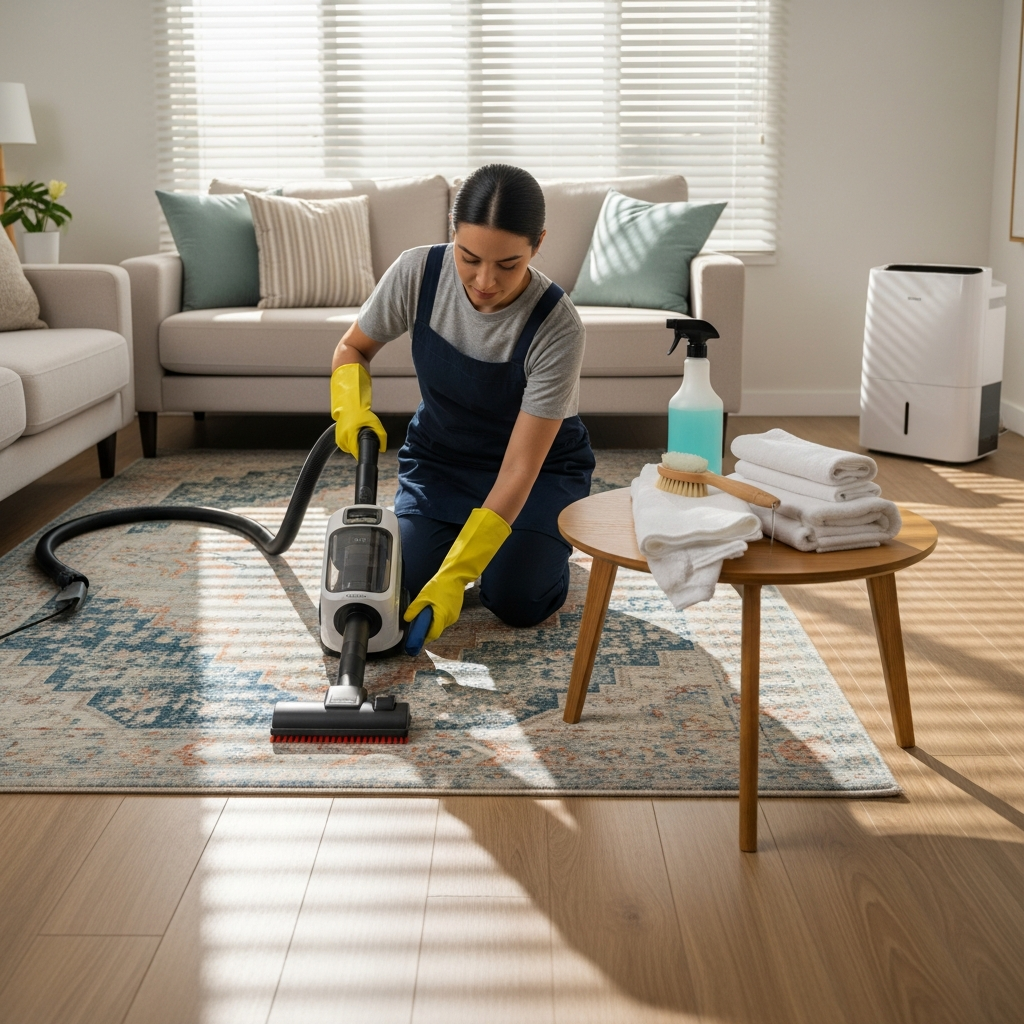
Keeping rugs clean in Elizabeth, New Jersey homes requires a balance of practical daily habits and occasional professional intervention. Rugs trap dust, allergens, pet dander, and spills, and they also act as decorative anchors in living rooms, dining rooms, and entryways. As seasons change, so do the types of dirt your rugs face—from winter salt and mud to summer pollen. For homeowners who want a reliable reference that covers everything from routine maintenance to deep restoration, this guide provides clear, actionable advice. If you are looking for expert assistance or reliable deep-cleaning options, consider contacting a specialist in rug cleaning to learn more about techniques and options that suit your home and rug types.
Understanding Your Rugs: Fibers, Construction, and Common Issues
Before deciding on a cleaning regimen, it helps to understand the materials and construction of your rugs. Wool, cotton, synthetic fibers like nylon and polypropylene, and natural fibers like jute each react differently to water, heat, and cleaning agents. Handmade or antique rugs may have delicate weaves and dyes that require gentle care, while modern machine-made rugs tolerate more aggressive treatments.
Common problems Elizabeth homeowners encounter include tracked-in salt and grit during winter months, soil buildup near entryways, food and beverage stains, pet odors and accidents, and discoloration from sun exposure. Dust mites and pollen are also recurring concerns, especially during seasonal changes. Identifying whether the issue is surface dirt, embedded soil, or a stain will determine whether routine vacuuming, spot treatment, or professional cleaning is needed.
Daily and Weekly Care Routines That Make a Difference
Daily attention to your rugs prevents minor issues from becoming major problems. Start with vacuuming: use a vacuum with adjustable height and a beater bar appropriate for the rug pile. Vacuum high-traffic areas more frequently; for many homes this means a quick sweep every couple of days and a thorough pass once a week. Rotating rugs every few months helps ensure wear is even and prolongs the life of the fiber.
Spot treatment is another essential habit. Attend to spills immediately by blotting—never rubbing—using a clean, absorbent cloth to lift as much liquid as possible. For most water-soluble spills, dab with a mixture of cool water and a few drops of mild dish soap, then rinse with clean water and blot dry. Keep a simple spot-cleaning kit ready: white towels, a spray bottle of mild soap solution, and a small, soft-bristled brush for gentle agitation when necessary.
Seasonal Checklist: Adjusting Care Through the Year
Elizabeth homeowners should adapt their rug care routines according to seasonal needs. In winter, brush salt and grit from shoes at entry points and use mats to reduce tracking. During spring and fall, increased pollen and humidity call for more frequent vacuuming and airing out rugs to reduce allergens. In summer, protect rugs from direct sunlight by using blinds or moving rugs out of the brightest beams to prevent fading.
Seasonal care also includes a deep clean every 12 to 24 months depending on traffic and household composition. Homes with pets, children, or higher foot traffic may benefit from an annual professional clean, while low-traffic areas might extend to two years between professional visits. Regular inspections for moth damage in closets and under furniture during humid months can save a treasured rug from serious damage.
Spot Cleaning: Techniques That Work Without Damaging Fibers
Spot cleaning must be done carefully to avoid setting stains or causing dye migration. Begin by blotting the spill to remove excess moisture. Test any cleaning solution on an inconspicuous corner to ensure colorfastness. For protein-based stains like blood or egg, use cold water and a gentle enzyme cleaner; warm water can set those stains. For oil-based spills, sprinkle a small amount of cornstarch or baking soda to absorb oil before vacuuming up and then proceed with a mild detergent solution.
Avoid harsh chemicals such as bleach or ammonia-based cleaners, which can damage fibers and alter colors. Always rinse treated areas thoroughly to remove detergent residue that can attract more soil. After spot cleaning, place a clean towel over the area and weigh it down to help absorb remaining moisture; allow the rug to dry completely before walking on it.
When to Choose Professional Rug Cleaning
There are several situations where professional cleaning is the right choice. Deep-embedded dirt that vacuuming cannot remove, widespread staining, lingering odors, and delicate or antique rugs that require specialized handling all warrant professional attention. Additionally, rugs with fringe, heavy pile, or construction details that could be damaged by home cleaning equipment should be entrusted to experienced technicians.
Professionals use methods tailored to the rug’s material and condition—ranging from low-moisture encapsulation to full immersion cleaning in controlled environments. They also have access to equipment that extracts more soil and moisture than consumer-grade machines, which reduces drying time and the risk of mildew or odor development. For homes with allergy sensitivities, a professional cleaning can significantly reduce allergen levels embedded in rug fibers.
Choosing the Right Professional Service in Elizabeth
Selecting a reputable cleaner means asking the right questions: how do they handle delicate or antique rugs, what cleaning methods do they recommend for specific fibers, and how do they ensure color and material protection? Look for local reviews, ask for references, and verify that the company is insured and offers guarantees for their work. You can also ask about on-site versus off-site cleaning and whether the firm performs a pre-cleaning inspection and testing for colorfastness.
Many local companies offer pick-up and delivery, which can be convenient for larger or heavier rugs. If you prefer on-site cleaning, inquire about drying times and ventilation protocols to avoid prolonged dampness that could harm the rug or subfloor. Properly trained technicians will also provide care recommendations after cleaning, including how often to vacuum and whether you should rotate the rug more frequently.
Dealing with Common Stains Found in Family Homes
Different stains require different treatments. Coffee and tea respond well to a mild detergent solution and careful blotting. Wine and colored beverages may need an oxidizing agent or targeted stain remover used by professionals. Pet urine demands thorough enzymatic cleaning to neutralize odor-causing bacteria; professionals often combine enzymatic pre-treatment with deep extraction to fully remove residues.
For stubborn stains that have sat for a long time, do not attempt strong home remedies that might worsen the problem. Instead, hire a service that specializes in stain removal. Professionals can test for residual soil and color stability, then choose an appropriate chemical or mechanical process to lift the stain while preserving the rug’s appearance.
Protecting Investment Rugs: Padding, Placement, and Storage
Rug pads extend the life of your rug by preventing slippage and reducing wear through shock absorption. Choose a pad that fits the rug dimensions and the type of flooring beneath it—non-slip pads are ideal for hard surfaces, while thicker pads suit area rugs over carpet. Improper padding can trap moisture, so select breathable materials and ensure proper airflow beneath the rug during and after cleaning.
Placement matters too. Avoid placing precious rugs in direct sunlight or in rooms with high humidity unless you can mitigate exposure. For seasonal storage of rugs, roll them with acid-free tissue or muslin, avoid folding, and store in a climate-controlled area to prevent mold, pests, and color changes. Periodically unroll and inspect stored rugs to catch any signs of damage early.
Health and Safety: Allergens, Mold, and Pet Considerations
Rugs trap allergens that standard vacuuming can only partially remove, including dust mite waste and pollen. Professional cleaning that includes hot water extraction or specialized encapsulation can reduce allergen load significantly. For homes where inhabitants have asthma or allergies, discuss hypoallergenic cleaning solutions and drying procedures with your chosen professional.
If a rug becomes wet from flooding or a major spill, rapid drying is critical to prevent mold growth. Remove excess water promptly, elevate rugs if possible to increase airflow, and call a professional if the rug has been saturated or if subfloor moisture is suspected. When pets are part of the household, regular maintenance and immediate attention to accidents are essential to prevent lingering odors and to maintain a healthy indoor environment.
DIY vs. Professional: Knowing Your Limits
Homeowners can handle routine care and minor spot treatment, but recognizing limits avoids irreversible damage. Do-it-yourself cleaning may be suitable for everyday dirt and small, fresh spills. For large stains, faded areas, or any case where you’re unsure of fiber or dye stability, professional intervention is recommended. A professional can restore the rug’s appearance and protect its fibers with industry-grade products and machinery.
FAQ
Q: How often should I have my rugs professionally cleaned? A: Frequency depends on use. For busy households with pets and children, annual professional cleaning is common. For lower-traffic areas, every 18 to 24 months may suffice. Inspect your rug for soil build-up and odors to decide if an earlier cleaning is necessary.
Q: Will professional cleaning shrink or damage my rug? A: When performed by trained technicians who test for colorfastness and use appropriate drying methods, professional cleaning should not cause shrinkage. Always disclose rug materials and any known conditions to the cleaner so they can choose the safest method.
Q: Can I use household cleaners on my rug? A: Mild household cleaners can work for fresh, small spills if tested on an inconspicuous area first. Avoid bleach and ammonia, and do not over-wet the rug. For cherished or delicate rugs, consult a professional before using any cleaner.
Q: How long does it take a rug to dry after professional cleaning? A: Drying time varies with the cleaning method, rug thickness, and ventilation. With professional extraction and good airflow, many rugs dry within 6 to 24 hours. Thicker or dense rugs may take longer; the technician will advise on expected times.
Q: What should I do if my rug has a pet odor that won’t go away? A: Persistent odors often require enzymatic treatment and deep extraction to remove urine salts and bacteria. Professional cleaners have access to specialized products and tools to neutralize odors rather than temporarily masking them.
Practical Maintenance Timeline for Elizabeth Homes
Set a simple calendar that maps daily, weekly, monthly, and annual tasks. Daily: quick spot checks and immediate attention to spills. Weekly: vacuum all rugs thoroughly, focusing on high-traffic areas. Monthly: inspect fringes, edges, and placements; rotate rugs as needed. Every 12–24 months: schedule a professional deep clean, more frequently if you have pets or a busy household.
This rhythm keeps maintenance manageable and prevents the need for emergency treatments. It also helps preserve color, texture, and structural integrity for rugs that often have sentimental or financial value.
Local Considerations for Elizabeth, New Jersey
Elizabeth’s climate means homeowners should be mindful of winter salt and spring pollen that can affect rugs differently through the year. Establish a no-shoes policy or use heavy-duty entry mats during harsh weather. If you live near busy roads, increased dust and particulate matter may settle more quickly into rug fibers, requiring more frequent vacuuming and professional care.
When selecting a local cleaner, choose a company familiar with regional challenges and able to recommend products and schedules tailored to Elizabeth homes. Local technicians often have practical tips on how to manage seasonal issues and can advise on protective finishes or treatments suited for your rug type.
Final Thoughts and Next Steps
Maintaining rugs in Elizabeth, New Jersey is an ongoing process that blends daily care, seasonal adjustments, and periodic professional attention. By understanding your rug materials, establishing consistent routines, and recognizing when to call in experts, you can preserve beauty and comfort while extending the life of your rugs. If you would like a consultation or a professional evaluation, contact a trusted provider specializing in rug cleaning to discuss options for your specific rugs and home environment. Their guidance can help you build a care plan that protects both appearance and indoor air quality.
Ready to Refresh Your Rugs?
If your rugs show signs of wear, stubborn stains, or lingering odors, professional help can restore them to a healthier, cleaner state. Reach out to a qualified team that understands local conditions and rug materials. Schedule a consultation or service with a professional who offers expert solutions tailored to Elizabeth homes and experience the difference that proper care makes for the look and longevity of your rugs. Book an appointment through a reputable provider for comprehensive rug cleaning and start the process of revitalizing your home’s textiles today.