
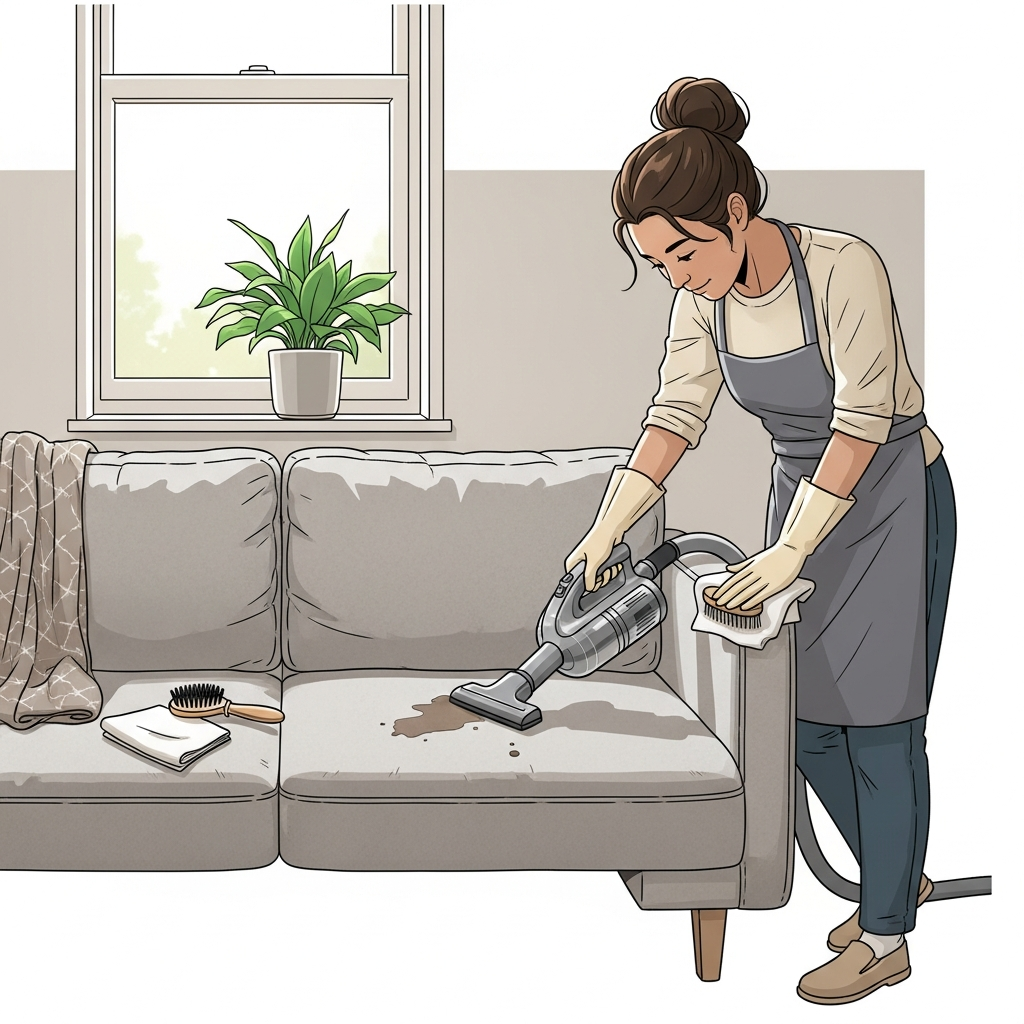
If you are new to caring for your sofas, chairs, ottomans, and dining seats, this beginner-friendly guide will help you build a simple, effective routine for upholstery cleaning in Elizabeth, New Jersey. City life brings dust, road residue, and seasonal pollen, while family life adds snacks, art projects, and pet naps. The good news is that a few smart habits deliver most of the benefits and make deeper services more effective when you need them. Start by understanding what proper upholstery cleaning involves: removing dry soil before anything wet touches the fabric, treating spots gently, and controlling moisture so drying is quick and even.
Elizabeth’s neighborhoods—from the historic streets near Broad Street to newer developments and apartment communities—house a mix of furniture styles and fabrics. Your plan should match what you own. Microfiber, polyester, and other synthetics tolerate a wider range of care methods, while cotton-linen blends and delicate velvets appreciate a lighter hand. If you can locate a fabric code (W, S, WS, or X) under a cushion or along the frame, let that guide your decisions. When in doubt, test in a hidden spot and pause if you see dye transfer or texture change.
Tip 1: Vacuum Like It Matters
Dry soil removal is the cornerstone of clean upholstery. Use a vacuum with strong suction and a dedicated upholstery tool. Work systematically: seat tops, backs, arms, seams, and the deck beneath loose cushions. Grit acts like tiny blades on fibers; removing it early preserves texture and color. Finish by lightly brushing the nap in one direction for a neat look. A monthly routine is ideal for average use and even more valuable during spring pollen or after busy weeks.
Do not forget the surrounding environment. Dust side tables, lamp bases, and window sills so you do not sabotage your efforts. Entry mats reduce grit tracked across living areas and into cushions. In winter, be mindful of salt carried inside, which can transfer to fabrics via coats or throw blankets.
Tip 2: Master the Art of Blotting
Spills are inevitable. When they happen, blot immediately with a clean, white, absorbent cloth. Press to lift; do not rub, which spreads the problem and can fuzz delicate weaves. For food residue, lift solids gently with a dull tool. If your fabric code allows, lightly apply a mild cleaner to the outer edge of the spot and work inward. Keep it minimal; excess liquid increases the risk of water rings.
Oily spots—like body oils on arms—respond to solvent spotters labeled for textiles if your code permits S or WS. Test first, use a light touch, and follow with a gentle water-based rinse if allowed. Finish by blotting again. Your aim is to loosen, lift, and leave the area as dry as practical.
Tip 3: Use Low-Moisture Refreshes Between Deep Cleans
When fabric looks dull but not stained, a low-moisture wipe-down can restore freshness. Mist a small section with a compatible cleaner, wipe with a clean microfiber cloth, and turn the cloth to continue collecting soil. Keep airflow moving with fans or HVAC. In Elizabeth’s humid months, air conditioning helps speed drying and discourages musty smells.
If your cushions have removable covers, think twice before laundering unless the manufacturer recommends it. Shrinkage and zipper strain are common. Often, in-place cleaning preserves shape and fit better than removal.
Tip 4: Respect Fabric Limits
Microfiber is resilient but can show water marks if flooded. Cotton and linen blends can brown when over-wet. Velvet and chenille require gentle handling and nap grooming. Leather and faux leather prefer dusting and periodic conditioning. Knowing these tendencies prevents accidental damage and directs your choice of products and techniques.
Sunlight matters, too. Fabrics near windows can fade; rotate cushions and shift furniture seasonally to even out exposure. Cleaning cannot reverse fading, so prevention is key.
Tip 5: Plan for Odor Control
Odors settle into foams and batting. Routine vacuuming, prompt spot work, and good ventilation solve most minor issues. If a cushion smells musty, stand it upright and run a fan across the surface. Avoid heavy fragrances that only mask problems and may leave sticky residues. Persistent or pet-related odors often call for deeper flushing by a trained technician.
Tip 6: Build a Simple Kit
Keep white cotton cloths, a soft upholstery brush, a mild fabric cleaner, a small solvent spotter for S/WS fabrics, a lint roller, and a compact fan together in one bin. Store it where you can reach it fast—speed matters when you are blotting a spill during movie night.
Tip 7: Know When to DIY and When to Call Pros
DIY shines for routine maintenance and fresh, simple spills. Professionals are worth it for delicate fabrics, complex construction, set stains, and odor issues that live deep in the cushion. Their equipment can flush and extract more thoroughly, leaving a balanced finish that resists quick re-soiling. As you build confidence, you will recognize which tasks fit your toolkit and which benefit from expert care.
Elizabeth-Specific Considerations
Local climate and lifestyle shape your routine. Pollen and coastal humidity add to the soil load on textiles. Busy commutes and proximity to bustling corridors bring fine dust that settles on arms and headrests. Plan monthly vacuuming and low-moisture refreshes to counter these realities. If you host gatherings or have a full house, schedule maintenance a little more frequently to keep seating inviting.
Beginner Mistakes to Avoid
Common errors include skipping vacuuming, over-wetting, choosing harsh multipurpose cleaners, and scrubbing aggressively. Another misstep is using colored cloths for blotting, which can transfer dye. Stick with white, test everything, and remember that gentle, consistent care outperforms occasional heavy-handed attempts.
Frequently Asked Questions
Q: How often should I clean professionally if I care well at home? A: Many homes do well with annual professional service, though high-use spaces may benefit from shorter intervals. Your routine vacuuming and spot care stretch the time between visits.
Q: What is the safest first step for an unknown stain? A: Blot with a white cloth and avoid adding product right away. If your fabric code allows, test a mild cleaner in a hidden area before addressing the visible spot.
Q: Can beginners use rental upholstery machines? A: Yes, on durable W or WS fabrics, with restraint. Keep solution passes light and follow with multiple vacuum-only passes. Prioritize airflow for quick drying.
Q: Why does my sofa feel sticky after cleaning? A: Residue from strong or overly sudsy products. Rinse with a fabric-appropriate cleaner and extract thoroughly. Going forward, use low-residue options and lighter applications.
Q: Will cleaning remove sun fade? A: No. Cleaning removes soil and improves texture but cannot restore color lost to UV exposure. Rotate pieces to balance sunlight over time.
Putting Your Plan Into Motion
Choose one evening each month for a 15-minute reset: vacuum cushions and seams, dust nearby surfaces, and inspect for spots. Address spills the moment they happen, using your simple kit and a light touch. Over time, these small steps protect fabric, maintain color, and keep rooms feeling welcoming.
Finish with Confidence
When your furniture needs a deeper refresh than DIY can deliver, book professional upholstery cleaning and enjoy the comfort of cleaner, healthier seating throughout your Elizabeth home.