
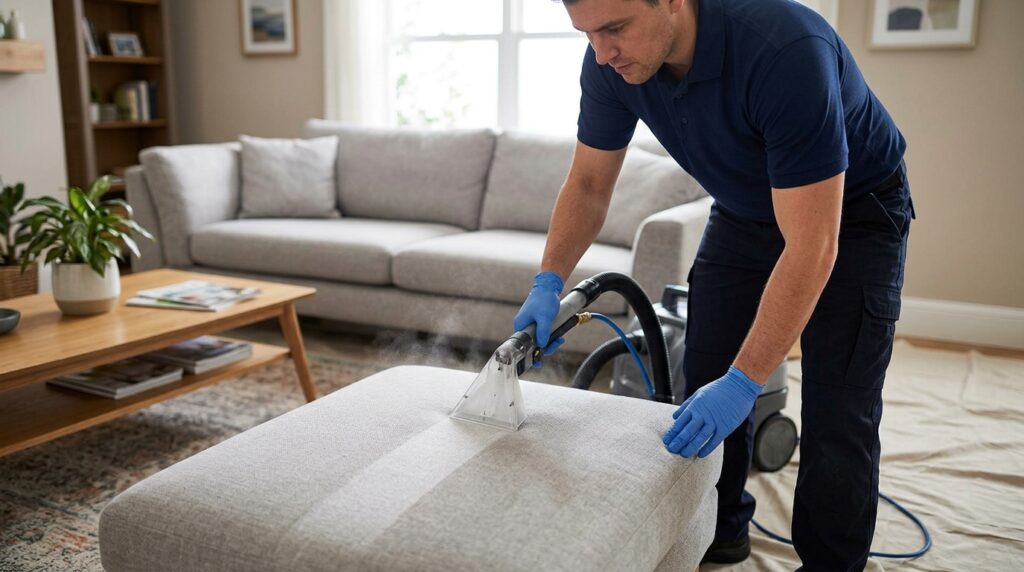
When it is time to refresh your living room centerpiece, Elisabeth, New Jersey homeowners often wonder how to navigate service options, what determines the scope of work, and how to evaluate providers. While the title of this guide points to the financial side of the decision, the real story is about understanding value: fabric safety, stain expertise, drying practices, and customer care that extends the life and comfort of your sofa. This article explains the factors that shape the service experience so you can make a confident choice—without getting lost in numbers. If you decide to bring in a trusted team, you can begin by reviewing reputable local sofa cleaning specialists who emphasize testing, controlled moisture, and thorough extraction.
Value Starts with Fabric Knowledge
Every sofa tells a different story. Cotton-linen blends behave differently from microfiber; wool and viscose blends require special handling; and leather is its own category. A professional who can quickly identify fiber type, weave structure, and dye stability sets the foundation for a safe, effective treatment. Fabric literacy minimizes risk, helps determine pre-spot chemistry, and guides how much moisture and heat your sofa can safely tolerate.
Scope of Work: What a Thorough Visit Includes
- Inspection and testing: Confirming colorfastness and identifying stains.
- Dry soil removal: Deep vacuuming that lifts grit and dander before moisture is applied.
- Targeted pre-spotting: Matching chemistry to stain type—tannin, oil, protein, or dye transfer.
- Main cleaning: Controlled-moisture techniques that balance heat, solution, and extraction.
- Detailing and grooming: Aligning the nap for a uniform finish.
- Drying strategy: Fans, airflow, and guidance to ensure a prompt return to use.
Condition and Complexity
The starting point of your sofa matters. Light soil levels respond quickly, while set-in stains, pet-related issues, or odor challenges require more nuanced steps. Tufted construction, intricate seams, and attached cushions add complexity that professionals account for when planning the job. An honest technician outlines realistic outcomes and explains when a mark may lighten rather than disappear.
Environmental and Household Factors
Elizabeth’s humid summers and gritty winters shape cleaning strategies. Pros plan for extra airflow in muggy weather, adjust chemistry for salt and street residue, and protect nearby flooring. In households with children or pets, technicians may devote extra time to high-touch zones and discuss protective habits to maintain results longer.
Products and Equipment Matter
Look for teams that use low-residue solutions, fabric-appropriate pre-treatments, and powerful extraction. The goal is to lift soils while leaving the least behind. Strong extraction also shortens drying time, preserving cushion shape and helping prevent rings or musty smells.
Stain Expertise: The Art and Science
From coffee and wine to ink and cosmetics, each stain has a profile. Matching the correct chemistry—without over-agitating fibers—requires training and a patient, methodical approach. Professionals stage treatments, allowing dwell time and reassessing progress before moving to stronger solutions.
Drying: Where Results Are Won or Lost
Thorough drying underpins a crisp, uniform finish. Skilled providers encourage airflow, may use air movers, and recommend a temporary seating alternative. Rushing this step can lead to imprints, uneven texture, or recurring spots due to wicking.
Customer Care and Communication
Trustworthy teams explain the plan, set expectations, and walk through results with you—pointing out what improved and what may require additional attention in the future. They also share aftercare tips tailored to your fabric and lifestyle.
Signals of a Quality Provider
- Clear identification of fabric type and careful testing
- Thoughtful, targeted stain treatment rather than one-size-fits-all cleaning
- Controlled-moisture methods with strong extraction
- Attention to drying and ventilation
- Positive local reputation and satisfaction guarantees
Common Myths to Leave Behind
- More moisture means deeper cleaning: In reality, excessive wetting can damage cushions and adhesives.
- All cleaners are the same: Upholstery demands pH-balanced, fiber-specific solutions.
- Rubbing harder removes stains faster: Aggressive scrubbing distorts fibers and sets stains.
- DIY always saves the day: Consumer tools can help, but complex fabrics and set-in stains often need expert handling.
Questions to Ask Before You Book
- What is my sofa’s fiber and finish, and how will you adjust for it?
- How do you approach pre-spotting and odor issues?
- What steps ensure thorough drying and a uniform finish?
- Do you provide guidance for ongoing maintenance after the visit?
Timing and Scheduling in Elizabeth
Seasonal rhythms influence planning. Spring and fall are popular for deep cleaning, aligning with allergy relief and holiday hosting. Summer appointments benefit from dehumidification for faster drying, while winter services focus on managing road grit and salt transfer from clothing.
Maintenance Habits That Protect Your Sofa
- Weekly vacuuming to remove dust before it embeds
- Immediate blotting of spills with a white cloth
- Rotation of cushions to spread wear evenly
- Light, fabric-appropriate spot cleaning between professional visits
Leather Considerations
Leather belongs to a separate care category. Rather than steam or high moisture, it needs pH-appropriate cleaners and periodic conditioning that replaces essential oils. An expert recognizes the finish—aniline, semi-aniline, or protected—and tailors the plan accordingly.
Upholstery Protection Without Overdoing It
Protective treatments can help repel spills, but they are not a substitute for swift spill response and routine upkeep. A balanced approach avoids stiff finishes or altered color while adding a practical buffer for busy households.
Why Local Experience Helps
Providers accustomed to Elizabeth’s climate and housing styles understand typical soil loads, fabric trends in area furniture showrooms, and the logistics of apartment versus single-family homes. That familiarity speeds decision-making onsite and supports consistent results.
Frequently Asked Questions
-
Can every stain be removed? Some marks—particularly dye transfers and long-set stains—may only lighten. An inspection will clarify realistic outcomes.
-
How long will my sofa take to dry? Drying depends on fabric density, airflow, and technique. Many sofas dry within hours when moisture is controlled and ventilation is strong.
-
Is steam always used? No. Fabric code, construction, and stains determine the best method. Solvent-based or low-moisture options may be safer for certain sofas.
-
What about pet odors? Addressing the cushion core is key. Professionals may pair targeted chemistry with careful extraction to manage odors effectively.
-
Will my sofa feel stiff after cleaning? Quality services use low-residue products and thorough extraction to leave fabrics soft and natural-feeling.
Making a Confident Choice
When you evaluate providers by fabric knowledge, stain strategy, drying practices, and communication—not just by a single variable—you can feel secure about the care your sofa receives. If you are ready to bring back color, comfort, and freshness, connect with established sofa cleaning experts serving Elizabeth, NJ, and enjoy a living room that looks and feels renewed.