Clean, well-maintained carpets do more than look presentable in a business setting. They extend flooring life, reduce allergens and dust, and support a professional brand image that customers and employees notice immediately. In Elizabeth, New Jersey, varied building types—from historic storefronts near Broad Street to modern offices close to the port and transportation hubs—demand a structured approach to floor care. This comprehensive checklist helps facility managers, office administrators, and property owners coordinate with a provider and ensure consistent, high-quality results every time. Getting organized from the start with dependable carpet cleaning services will keep your teams productive and your spaces inviting.
How to use this checklist
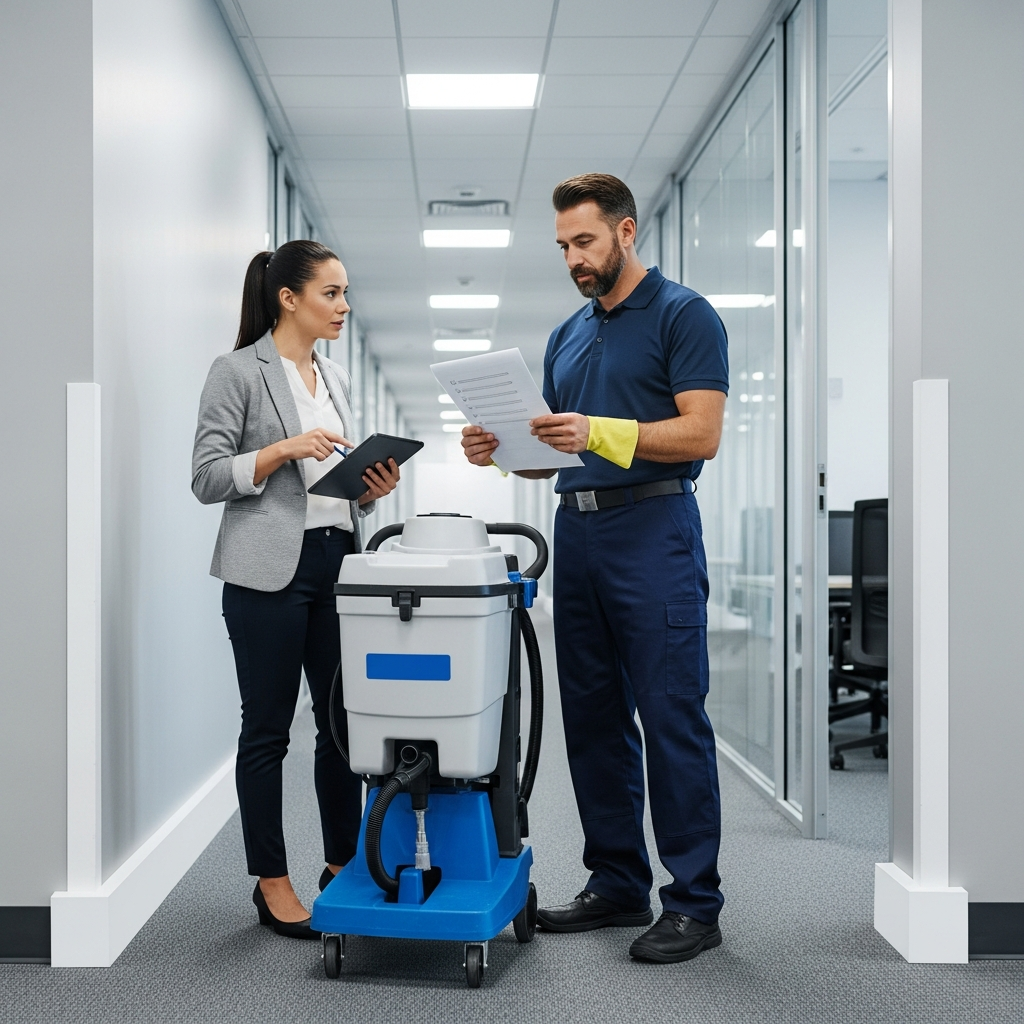
Think of this as a living document you review quarterly. Walk your floors, identify high-traffic corridors, and speak with department leads about scheduling windows that minimize disruption. Share the checklist with your provider and ask them to confirm each point, suggest improvements, and note building-specific requirements. The best results happen when both parties treat cleaning as an ongoing partnership rather than a one-off task.
Pre-engagement essentials
- Define all areas included in service: lobbies, corridors, conference rooms, cubicles, stairwells, break rooms, and auxiliary spaces.
- Map heavy traffic lanes and pivot points where chair casters and footfall concentrate soil.
- Identify sensitive zones such as server rooms or records storage that require special care for adjacent flooring.
- Clarify security protocols for after-hours access, alarms, keys, and escort procedures.
- Coordinate with building management for elevator protection, parking, loading docks, and water access if needed.
Onsite assessment and documentation
- Complete a formal walk-through noting fiber types, backing, and any seams, transitions, or previous repairs.
- Record pre-existing stains, traffic wear, and frayed edges for reference and realistic outcome planning.
- Test for colorfastness and check for residue from old spotters that may affect new treatments.
- Identify moisture or humidity challenges in basements or ground-level spaces, especially during summer.
- Capture before photos to support maintenance tracking and quality assurance.
Cleaning specifications by area
- Entry zones: frequent interim maintenance plus periodic deep cleaning to control tracked-in grit and salt.
- Corridors and lobbies: prioritize traffic lanes, pivot points, and under edges where soil accumulates.
- Open office areas: address chair caster paths and partition edges where dust collects.
- Conference rooms: treat beverage spots and under-table areas carefully where spills often hide.
- Stairs: protect hard nosings, address edges, and ensure even appearance on risers and treads.
Method selection and process controls
- Pre-vacuum with high-filtration equipment to remove dry soils that cause abrasion.
- Choose hot water extraction, low-moisture encapsulation, or dry compound based on fiber, soil load, and drying needs.
- Apply targeted spot treatment for coffee, tea, toner, and grease with appropriate dwell time.
- Agitate evenly to lift embedded particles without damaging fibers.
- Rinse or encapsulate to minimize residue and reduce rapid re-soiling.
- Groom the pile for a uniform finish and faster drying.
Safety and building protection
- Use corner guards, door jam protectors, and floor coverings for hose routes.
- Post walk-path signs and coordinate temporary reroutes for occupied floors.
- Secure cords and hoses to eliminate tripping hazards.
- Ensure ventilation or air movement to support healthy indoor conditions during and after service.
Chemistry, sensitivity, and sustainability
- Use low-residue, low-odor options when occupants are sensitive to fragrances.
- Confirm solutions match fiber type and are measured to correct dilution and pH.
- Discuss environmentally conscious practices that still achieve thorough soil removal.
Team training and accountability
- Verify that technicians receive ongoing education in fiber care and stain chemistry.
- Ensure a lead technician directs the crew and acts as the single point of contact onsite.
- Confirm that equipment is cleaned and inspected regularly for consistent performance.
Scheduling to minimize disruption
- Plan around peak hours and events; consider phased work over multiple evenings or weekends.
- Notify staff of drying windows and set up safe walk paths.
- Coordinate access to power, water, and secure storage for equipment between phases if needed.
Quality assurance and measurement
- Conduct mid-project and final inspections with photo documentation.
- Evaluate appearance, odor control, and uniformity in traffic lanes versus edges.
- Hold a debrief meeting to capture lessons learned for the next cycle.
Communication protocol
- Set a primary and backup contact for both your organization and the provider.
- Define how change requests are handled and documented.
- Schedule recurring check-ins to review performance and make adjustments.
Emergency and special situations
- Establish rapid response steps for spills, leaks, or unexpected foot traffic spikes.
- Keep a basic spill kit onsite with instructions for safe first response prior to professional treatment.
- Clarify how after-hours or weekend requests are initiated and confirmed.
Multi-tenant and multi-location considerations
- Standardize specifications so results are consistent across suites and buildings.
- Coordinate calendars with property managers to align hallway and elevator protection.
- Use shared reporting formats to compare outcomes and plan improvements system-wide.
Mid-project benchmarking
In the middle of your cleaning cycle, perform a spot audit. Walk a representative sample of spaces and compare them to your before photos and notes. Look for uniformity, especially where cubicle panels meet carpet, at door thresholds, and under reception desks. This is an ideal time to reaffirm expectations with your provider. When selecting teams, it helps to compare their approach to established professional carpet cleaning services that emphasize method selection, drying management, and open communication.
Post-cleaning aftercare
- Increase vacuuming frequency temporarily to pick up loosened dry soils.
- Use entry mats to reduce tracked-in grit and moisture.
- Place protective pads under rolling chairs where possible.
- Document any stubborn areas for targeted treatment in the next cycle.
Staff education and cooperation
- Share quick tips for spill response: blot, do not scrub, and notify facilities promptly.
- Encourage desk-side decluttering on cleaning days to improve access and speed.
- Request that food and beverages be limited to designated areas when practical.
FAQ
Question: How often should a business schedule carpet maintenance? Answer: Frequency depends on foot traffic, the nature of your operations, and environmental factors. Many facilities benefit from a structured plan that combines periodic deep cleaning with interim maintenance for entrances and corridors.
Question: Which method is best for offices that need fast turnaround? Answer: Low-moisture systems can be ideal for interim care, while thorough hot water extraction may be selected for heavier soil. Method choice should reflect fabric type, soiling, and available drying time.
Question: Can professional cleaning help with allergy concerns at work? Answer: Yes. Effective dry soil removal, proper rinsing or encapsulation, and good air movement reduce particulates and odors that can aggravate sensitivities.
Question: How should we prepare before technicians arrive? Answer: Clear floors of paper stacks, secure cords, and communicate access details. Identify recent spills or sensitive areas so the crew can plan targeted treatments.
Question: What ensures consistent results over time? Answer: Documented specifications, recurring inspections, and steady communication between your team and the provider foster reliability across cycles and locations.
Partner with a provider that understands Elizabeth
From bustling retail stores to medical offices and logistics hubs, local conditions shape how carpets should be maintained. Choose a company that inspects, plans, and executes with care, and that focuses on both appearance and indoor air quality. When you are ready to streamline your building’s maintenance and present a polished image every day, align with trusted carpet cleaning services that treat your floors as an asset and your time as a priority.