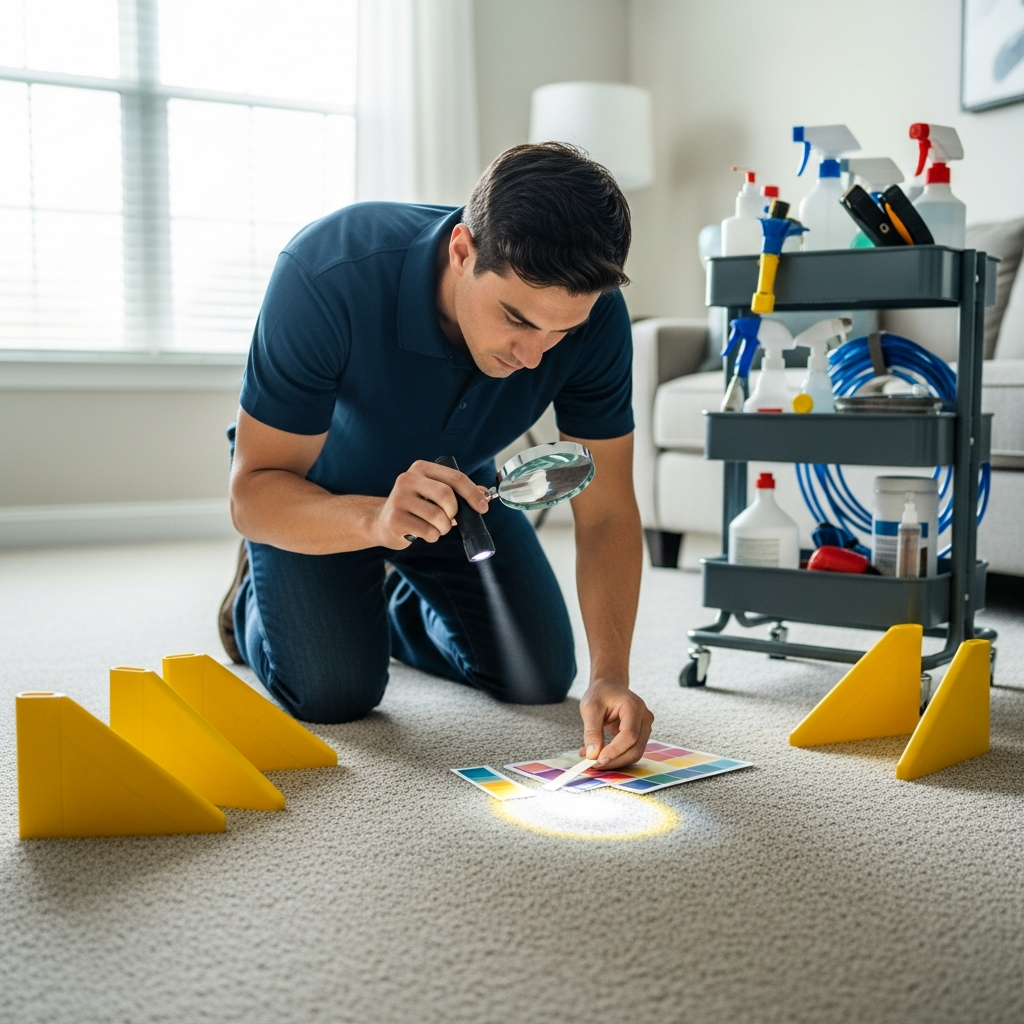
A thorough inspection is the foundation of successful carpet cleaning in Elizabeth, New Jersey. Before any solution touches your floors, a skilled technician should understand fiber type, construction, soiling patterns, and environmental conditions. This careful evaluation shapes method selection, equipment setup, drying strategy, and realistic expectations. Whether you manage a busy office near the port or a cozy home in Elmora, learning what a professional inspection includes empowers you to ask better questions and enjoy better results. And when you are ready to schedule, choose dependable carpet cleaning services that treat inspection as a non-negotiable step, not an afterthought.
Why inspection matters
Carpets are complex systems. Fibers, backing, pad, and subfloor interact with humidity, temperature, and foot traffic. Hidden residues from DIY spotters or previous cleanings can react with new solutions if not identified first. The inspection brings these variables to light. It reveals which stains are likely removable, which may be permanent, and which areas require special protection or drying support. A thoughtful inspection prevents surprises and keeps your home or business safe and orderly during service.
Initial conversation and scope
The process starts with a conversation. A technician will ask where you notice odors, recurring spots, or dullness that resists vacuuming. They will note pets, children, or high-traffic events that affect soiling patterns. They will also ask about previous products used so they can anticipate residues. This background helps set priorities and ensures that effort is focused where it matters most.
Visual walkthrough and mapping
Next comes a room-by-room walkthrough. The technician maps traffic lanes, pivot points, and entries where outdoor residue accumulates. They examine edges where dust collects, transitions between flooring types, and any visible seams or frayed areas. In multifamily buildings, they plan hose routes, elevator protection, and staging areas to keep hallways tidy and safe. Photographs may be taken to document conditions and support transparent before-and-after comparisons.
Fiber identification and construction
Understanding fiber type helps determine safe chemistry and moisture levels. Simple tests can differentiate nylon, polyester, wool, and blends. Loop pile, cut pile, and patterned constructions respond differently to agitation and grooming. Backing and pad condition also matter; if a spill has reached the backing, surface-only treatment will not solve deeper odor sources. Identifying these layers early avoids disappointment and shapes a targeted plan.
Colorfastness and stain behavior
Colorfastness testing in an inconspicuous area validates that dyes will remain stable during cleaning. The technician also evaluates stains to classify them: tannin-based from coffee or tea, protein-based from food or pets, oil-based from cosmetics, or dye transfers from furniture or clothing. Each category responds to different chemistry and dwell times. Correct identification saves time and prevents overuse of products.
Dry soil load and pre-vacuum strategy
Most soil in carpet is dry and abrasive, not sticky. Removing it thoroughly before wet or low-moisture steps reduces fiber wear and improves final appearance. The technician evaluates vacuuming needs, edge build-up, and areas under furniture that trap dust. High-filtration equipment and methodical passes form the base of a successful clean, and inspection determines where to focus that effort.
Moisture, ventilation, and drying plan
Elizabeth’s seasons influence drying. In humid months, more air movement is required; in winter, vestibules and entries may be wet with slush and salt. The technician assesses airflow, window access, and HVAC options to plan effective ventilation. They may stage fans strategically, open interior doors, and recommend temporary walk paths. A balanced drying plan prevents wicking and helps fibers regain their natural texture quickly.
Spot and odor source tracing
Recurring spots often originate below the visible surface, wicking from the backing after cleaning. Odors can hide in pad or along baseboards. Inspection tools and experience help trace sources accurately. For pet issues, the technician looks for patterns and checks likely areas near doorways, couches, or favorite pet spots. For beverage spills, the focus is under tables and along seating. Accurate tracing means targeted solutions rather than guesswork.
Residue and pH considerations
Previous products can leave sticky residues that draw new soil quickly. The technician may test for residue and consider a rinse that balances pH to reduce re-soiling. This step supports a cleaner finish that stays cleaner longer. It also protects fibers that are sensitive to high alkalinity or harsh solvents.
Risk management and protection
Inspection includes planning for property protection. Corner guards, door jam covers, and mats under equipment prevent scuffs and drips. Stairwells and elevators in multifamily buildings may require additional safeguards. The technician also notes delicate furnishings, loose thresholds, or electronics cables that need special care. Anticipating risks keeps the service smooth and respectful of your space.
Method selection based on findings
With data in hand, the technician selects the appropriate method or combination of methods. Hot water extraction may be ideal for deep residues and heavy traffic lanes. Low-moisture encapsulation can be chosen for quick turnarounds or maintenance between deeper visits. Dry compound methods may be reserved for delicate fibers or situations where minimal moisture is crucial. The chosen path reflects fiber type, soil profile, odor concerns, and drying logistics.
Setting expectations and communicating outcomes
Transparent communication turns inspection insights into confidence. The technician explains which stains are likely to improve, which may remain, and why. They describe how long the work will take, how drying will be managed, and what aftercare steps you should follow. Clear expectations are a sign of professionalism and usually lead to greater satisfaction with the final results.
Mid-project checkpoints
During the job, the team reassesses. Has an older coffee stain wicked from the backing? Does a traffic lane need additional agitation? Are fans optimally placed? These checkpoints keep the plan responsive. Mid-course corrections are routine in high-quality work and demonstrate that the provider is focused on outcomes, not just checking boxes.
Final walkthrough and aftercare
Inspection concludes with a final walkthrough. The technician confirms that target areas improved, reviews any permanent discolorations, and ensures the pile is groomed for a uniform look. They advise on ventilation, furniture replacement, and protective tabs or blocks. They may also suggest a simple maintenance schedule tailored to your home or business to keep results lasting longer.
What great inspection looks like in practice
- Technicians arrive on time, explain the process, and listen closely to your concerns.
- They use consistent steps to evaluate fiber, construction, stains, and environmental conditions.
- They protect your property during setup and keep walkways orderly.
- They check drying strategy proactively, especially in humid weather.
- They communicate honestly about limitations and likely outcomes.
Frequently asked questions
Question: How long does inspection take? Answer: It depends on the size and complexity of the space. A careful inspection is concise but thorough and pays dividends in better results.
Question: Can inspection predict every outcome? Answer: It dramatically improves predictability, but certain deep stains or color changes may only fully reveal themselves during cleaning. Good communication bridges any gaps.
Question: Do all carpets need the same method? Answer: No. Method selection follows the inspection. Different fibers, constructions, and soil loads call for different approaches.
Question: How does inspection help with pet odors? Answer: By tracing sources to fibers, backing, or pad, the technician can target treatment rather than masking odors at the surface.
Question: Will inspection slow down the job? Answer: It actually saves time overall by preventing missteps, reducing rework, and guiding efficient, focused cleaning.
Ready to see the difference a real inspection makes?
If you want predictable, satisfying results and a home or workplace that feels cleaner and healthier, start with a provider that treats inspection as the blueprint for success. When you are set to book, choose experienced carpet cleaning services that understand Elizabeth’s buildings and climate and deliver careful, method-driven care from the first walkthrough to the final grooming.