Dry Mattress Cleaning for Allergy Relief in Elizabeth, New Jersey
When you are sensitive to dust or seasonal pollen, a mattress can become an unexpected source of irritation. Traditional deep cleaning methods rely on moisture, which must be carefully controlled on foam and layered constructions. Dry mattress cleaning offers a low-moisture alternative that reduces allergen load while minimizing downtime and keeping delicate materials safe. For Elizabeth households seeking a quicker turnaround with a strong hygiene boost, this approach can be a game-changer. To explore how experts tailor low-moisture processes to different mattresses, start with a proven guide to dry mattress cleaning and discover options that support clearer breathing and better rest.
Allergy management is about lowering overall exposure. Bedding, carpets, and soft furnishings can hold onto fine particles. By focusing on your mattress—the place you spend hours every night—you can make a meaningful difference in comfort. Dry cleaning methods center on precise application of cleaning compounds, controlled agitation, and thorough particulate removal, avoiding the risks associated with overwetting.
How Dry Mattress Cleaning Works
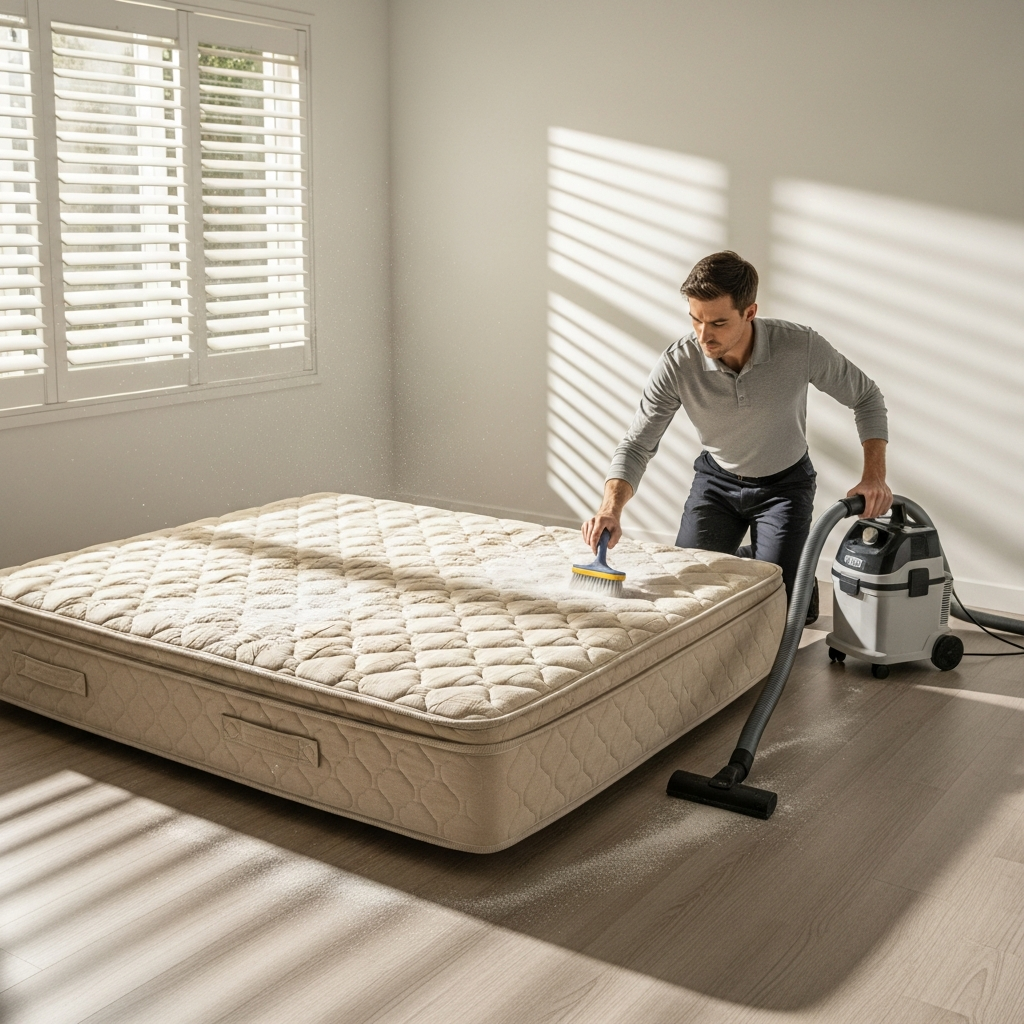
Dry cleaning leverages specialized agents and vacuum-assisted removal to lift soils with minimal moisture. Professionals begin with a careful assessment of your mattress type and fabric cover. After HEPA vacuuming removes loose debris, they apply a low-moisture solution or dry compound that attaches to soils. Gentle agitation helps the compound penetrate surface layers, and a detailed extraction collects both the compound and contaminants. The process refreshes the mattress while keeping drying times short.
- Low-moisture control: Ideal for memory foam, latex, or mattresses sensitive to water.
- Allergen reduction: Efficiently captures fine particles that contribute to nighttime congestion.
- Odor management: Targets odor sources rather than masking them.
- Fast turnaround: Minimal downtime means you can remake the bed sooner.
Why Allergy Sufferers in Elizabeth Benefit
Elizabeth’s seasons bring shifting pollen counts and varying humidity. Apartments and homes near busy streets may also experience higher particulate levels. Dry mattress cleaning provides an effective refresh that limits moisture exposure, which can be important for sensitive fabrics and for households that want quick reuse.
Comparing Dry Cleaning to Steam or Hot Water Extraction
Steam and hot water extraction are excellent for many scenarios, but certain mattresses, fabric blends, or time constraints call for a dryer touch. Dry methods use encapsulation chemistry or absorbent compounds to lock onto soils, which are then removed mechanically. The choice depends on fabric type, sensitivity, and the specific concerns you want to address.
What to Expect During a Dry Mattress Cleaning Visit
- Inspection and testing: Identify materials, perform a spot colorfastness check, and note any odor hotspots.
- HEPA vacuuming: Lift loose dust and allergens from the surface and seams.
- Application of low-moisture agent: Even, light coverage designed to bond with soils.
- Agitation: Gentle brushing to help the agent reach textured quilting or tufting.
- Detailed extraction: Remove the agent and suspended contaminants for a refreshed surface.
- Ventilation guidance: Encourage airflow to keep everything crisp and ready for bedding.
Maintenance for Ongoing Allergy Relief
- Wash sheets and pillowcases weekly in warm water according to fabric care instructions.
- Use a breathable, zippered protector to shield against dust and perspiration.
- Vacuum the mattress monthly with a clean upholstery attachment and HEPA filtration.
- Maintain bedroom ventilation; consider filtration if pollen counts run high.
- Rotate the mattress per manufacturer guidelines to distribute wear.
Elizabeth Home Realities: Urban Air, Real-World Schedules
Between commuting, family life, and vibrant local events, schedules in Elizabeth stay full. Dry mattress cleaning’s minimal downtime fits this pace. It allows you to refresh your sleep environment without waiting long for the bed to dry, which is especially useful in cooler months when open-window ventilation is limited.
Safety and Fabric Care
Low-moisture agents are formulated for textiles and used in measured amounts. Technicians test and calibrate application to ensure compatibility with your cover fabric and internal layers. This precise approach means your mattress receives the hygienic benefits you want while preserving comfort and structure.
Signs It Is Time for a Dry Clean
- Waking up congested or with itchy eyes despite fresh bedding.
- A persistent, stale scent even after laundering sheets.
- Increased sensitivity during high pollen seasons.
- Recent illness in the household and a desire for a bedroom refresh.
- Pet dander or shedding near sleeping areas.
Midway Guidance: Building a Whole-Home Allergy Strategy
Improving your sleep environment pays off even more when combined with other sensible steps: frequent dusting with microfiber cloths, routine vacuuming of carpets with HEPA filters, and laundering of throws and decorative pillows. If you are considering which method is best for your specific mattress and allergy concerns, review expert insights on allergy relief mattress cleaning to map out an effective plan.
Frequently Asked Questions
Q: Is dry mattress cleaning effective for memory foam and latex? A: Yes. The low-moisture approach helps maintain foam integrity while removing allergens and light soils.
Q: How soon can I make the bed after dry cleaning? A: Typically, you can reassemble bedding the same day, often sooner than with water-based methods, thanks to minimal moisture use.
Q: Will dry methods remove all stains? A: They can reduce the appearance of many common spots. Deep or set-in discolorations may need specialized spot treatments, and some may not fully disappear.
Q: How often should I schedule dry cleaning? A: Many allergy-sensitive households prefer a semiannual schedule, with additional sessions during peak pollen periods.
Q: Are the cleaning agents safe? A: Professional products are designed for textile care. Technicians apply them responsibly and remove residues through thorough extraction.
Q: Can dry cleaning handle pet odors? A: It can significantly reduce many common odors by targeting their sources. For persistent issues, a combination of methods may be recommended.
Q: Do I need to move the mattress? A: Clear a pathway and remove nearby breakables. Technicians typically handle positioning safely.
Breathe Easier Tonight
Allergy relief starts where you sleep. Choose a method that respects your mattress materials, reduces irritants, and gets you back to bed quickly. Book dependable hypoallergenic mattress cleaning today and enjoy a fresher, calmer bedroom in Elizabeth, New Jersey.