
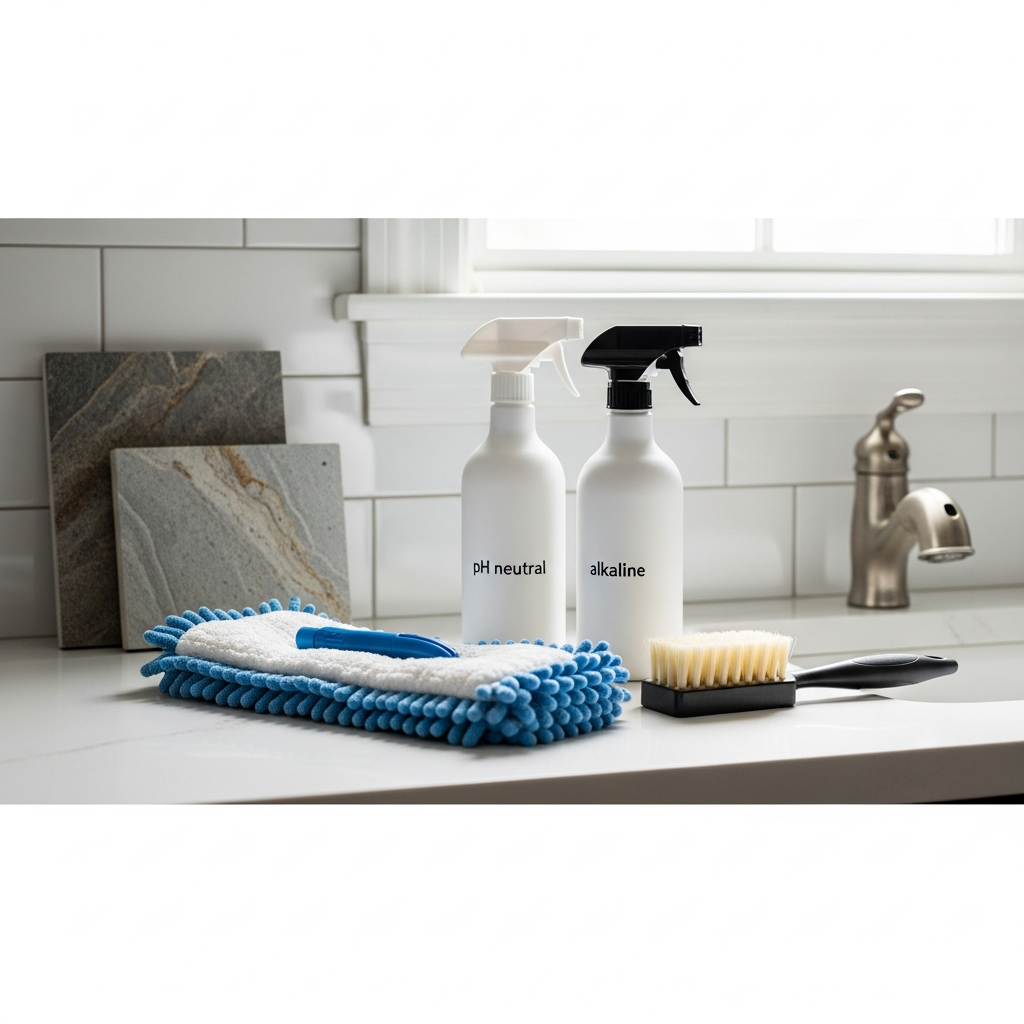
The Best Tile and Grout Cleaning Solutions for Elizabeth, New Jersey Homes
Between coastal humidity, winter slush, and busy family routines, Elizabeth homeowners face a unique blend of grime on floors, showers, and backsplashes. Choosing the right cleaners determines whether your grout brightens or dulls and whether tile shines or looks streaky. This comprehensive guide explains which solutions work best for ceramic, porcelain, and natural stone in Union County’s climate, how to use them, and how to avoid common pitfalls. If you prefer to skip trial-and-error and get guaranteed results, you can also lean on professional tile and grout cleaning to match chemistry and technique perfectly to your surface.
At a glance, the ideal cleaner removes soil efficiently, rinses clean, protects finishes, and is safe for your family and pets. But not all formulas are created equal, and the wrong choice can leave residue, etch stone, or prematurely strip sealers. Below, you will find practical, field-tested recommendations tailored to the realities of Elizabeth’s homes and weather.
Neutral pH Cleaners: Everyday Winners
For routine maintenance on ceramic and porcelain tile, a neutral pH cleaner is your best friend. Neutral formulas cut everyday soil without leaving sticky films that attract dirt. They also play nicely with grout sealers and do not risk etching stone. Dilute exactly as directed; over-concentrating a neutral cleaner can turn it into a residue-maker rather than a soil-lifter.
Use the two-bucket method—one for solution and one for rinse water—or a spray-and-microfiber approach. The goal is to suspend soil, rinse it away, and leave nothing behind. In Elizabeth’s humid summers, buff tiles dry with a microfiber to avoid water spots.
Alkaline Degreasers: Kitchen Muscle
Greasy buildup around stoves, under dining tables, and near pet feeding stations often resists neutral cleaners. An alkaline, tile-safe degreaser delivers the punch you need. Apply to small areas, allow several minutes of dwell time, and agitate with a soft pad. Rinse thoroughly to remove all traces. Reserve these stronger products for trouble zones rather than whole-floor use to minimize wear on sealers.
Watch corners and grout intersections near cooktops; oils creep into these spots and darken lines. A narrow grout brush and patient dwell time are more effective than cranking up concentration.
Acidic Cleaners: Mineral and Soap Scum Specialists
In showers and around sinks, mineral buildup and soap scum bond tightly to surfaces. Carefully chosen acidic cleaners can dissolve this film on ceramic and porcelain. Keep the solution controlled, avoid contact with metals and natural stone, and rinse thoroughly. Always ventilate well, and never mix acids with bleach or alkaline cleaners.
Elizabeth’s older homes sometimes have unglazed ceramic or decorative tiles in bathrooms. Spot-test first to confirm compatibility. If you see dulling or color lift, stop and switch to a milder, pH-balanced product designed for mineral deposits.
Stone-Safe Formulas: Protection for Marble, Travertine, Slate
Natural stone requires a dedicated approach. Use pH-balanced, stone-safe cleaners that do not etch or strip. For grout on stone installations, choose sealers and cleaners labeled as stone-compatible. Avoid vinegar, lemon, and harsh degreasers. If stains persist—wine, oil, or rust—consider a poultice designed for specific stains. Patience beats aggression with stone; longer dwell and gentle agitation protect the surface while achieving results.
After cleaning, dry buff stone tiles to a consistent sheen. Uneven drying can leave shadowy patches that look like residue but are simply moisture variations.
Oxygenated Cleaners: Brightening Without Bleach
Powdered oxygenated cleaners, when properly diluted, help lift organic stains and brighten light-colored grout without the strong odor and risks of chlorine bleach. They work well for laundry-room floors, mudrooms, and traffic lanes near exterior doors. Dissolve the powder completely, apply to pre-wetted grout lines, allow dwell time, and agitate. Rinse very well to prevent re-crystallization on the surface.
Because these products are active only for a limited time after mixing, prepare small batches and use them promptly. Store any unopened powder in a dry, cool space.
Disinfectants and When to Use Them
Disinfection is sometimes important—after illness, pet accidents, or food spills. Choose an EPA-registered disinfectant compatible with tile and grout, follow contact times, and rinse if the label requires it. Use disinfectants as targeted treatments rather than everyday cleaners to avoid residue and overexposure. Improve airflow during and after application, especially in small bathrooms.
If odors linger even after cleaning and disinfection, inspect caulk and weep holes in showers. Moisture trapped behind surfaces can cause persistent smells that chemistry alone cannot solve.
Sealers and Enhancers: Keeping Grout Clean Longer
Once grout is cleaned, protect it with a penetrating sealer. Penetrating sealers repel liquids and slow staining without creating a glossy film. In culinary zones, a quality sealer prevents tomato sauce, oil, and coffee from becoming permanent. Avoid topical sealers that create a shiny layer unless the product is specifically recommended for your tile and you are committed to its maintenance.
Enhancing sealers deepen color and can make stone and grout look richer. They are beautiful when used intentionally, but test carefully; an enhancer may darken grout more than expected. Whatever you choose, wipe excess from tiles promptly and allow proper cure time before heavy use.
DIY Mixes: When Simple Works—and When It Does Not
Some DIY mixes, like a mild dish soap solution, can be safe and effective for quick wipe-downs on ceramic and porcelain. However, avoid baking soda pastes on polished stone, which can scratch. Likewise, steer clear of vinegar on marble or travertine. If you want a green approach, look for third-party-certified neutral cleaners that verify safety without compromising performance.
Remember, the key to DIY success is minimal residue. Rinse and dry buff after using any homemade solution to prevent dulling.
Choosing the Right Solution by Room
Kitchens see oils, sauces, and tracked-in grit. Start with a neutral cleaner weekly, spot-treat greasy areas with an alkaline degreaser monthly, and seal grout every 12 to 18 months. Bathrooms face soap scum and humidity; use a pH-balanced or stone-safe descaler for ceramic and porcelain showers as needed, and squeegee after each use. Entryways tackle road salt in winter—rinse thoroughly to dissolve crystals, then neutral clean and dry.
Basements in Elizabeth can experience dampness. Focus on thorough drying, dehumidification, and cleaners that rinse fully to avoid musty films.
Application Techniques That Maximize Results
No cleaner is better than its application method. Pre-vacuum or sweep to remove grit. Mix solutions precisely. Use microfiber mops that hold and release solution evenly. Work in manageable sections, allow adequate dwell time, and agitate with appropriate brushes. Rinse with clean water, then buff dry to prevent spotting.
For grout lines, a narrow, firm nylon brush delivers control without tearing. Keep strokes along the line rather than across tile edges to avoid scratching.
When Solutions Alone Are Not Enough
Sometimes chemistry needs mechanical help. An orbital floor machine with a soft pad or a handheld scrubber can lift stubborn films that mopping misses. Wet/dry vacuums excel at extracting dirty solution, especially from porous grout. If results plateau—persistent discoloration, etched stone, or sealed-in haze—professional technicians can evaluate the cause and select specialty products you may not find on retail shelves.
Midway through a project, if you suspect your products are mismatched to the surface, consider consulting local experts who can test in small areas and adjust. A precise match between soil type, tile material, and cleaner saves time and protects your floor. When in doubt, schedule expert tile and grout cleaning to reset surfaces and set you up for easier maintenance.
Elizabeth, NJ Considerations
Winter slush introduces salt and deicers that leave films; rinse with warm water first to dissolve crystals before using a neutral cleaner. Summer humidity slows drying; increase airflow with fans and open windows when possible. Historic homes may have delicate tile patterns and older grout that benefits from gentler products and softer brushes. Newer constructions often use porcelain with epoxy grout—cleaning is easier, but rinse thoroughly to keep the epoxy joints from developing a dull film.
In multi-level homes, place mats on interior landings to reduce tracked soil between floors. Regular mat laundering pays dividends for grout longevity.
Frequently Asked Questions
Which cleaner is safest for daily use on ceramic and porcelain? A neutral pH cleaner diluted per label is the safest and most effective for routine care. It lifts soil without residue and protects grout sealers.
What should I avoid on natural stone? Avoid acids, vinegar, lemon, and harsh degreasers. Use stone-safe, pH-balanced formulas and test in a discreet area first.
Do oxygenated cleaners replace bleach? They can brighten grout and remove organic stains with less odor and risk, but they are not universal disinfectants. Use them strategically and rinse thoroughly.
How do I remove winter salt residue? Rinse with warm water to dissolve salts, then neutral clean and buff dry. Repeat if a faint film remains, and increase mat usage at entrances.
Why is my floor sticky after mopping? Over-concentration or no-rinse products can leave films. Use correct dilution, rinse with clean water, and switch to residue-free formulas.
Can I mix cleaners for extra strength? Never mix chemicals. Combining products can neutralize cleaning power or create dangerous fumes. Instead, extend dwell time or use mechanical agitation.
How often should I seal grout? In high-traffic areas, every 12 to 18 months is typical. Test by placing a few water drops on grout; if they soak in quickly, it is time to reseal.
Are disinfectants safe for regular use? Reserve disinfectants for targeted needs. For everyday cleaning, neutrals are gentler and leave fewer residues.
What is the best way to prevent soap scum? Squeegee walls and glass after each shower, ventilate the bathroom, and use a descaler only as needed to avoid overexposure.
How can I tell if a cleaner is stone-safe? Look for labels indicating suitability for marble, travertine, or slate, and verify the pH is balanced. When unsure, test before widespread use.
Bring Out the Best in Your Tile
Armed with the right solutions and smart techniques, you can keep grout bright and tile gleaming in every season. Dial in neutral cleaners for daily care, reserve specialty products for targeted problems, and protect grout with a quality sealer. If you want guaranteed results without the learning curve, schedule professional tile and grout cleaning and enjoy a fresher, brighter home with less effort year-round.