
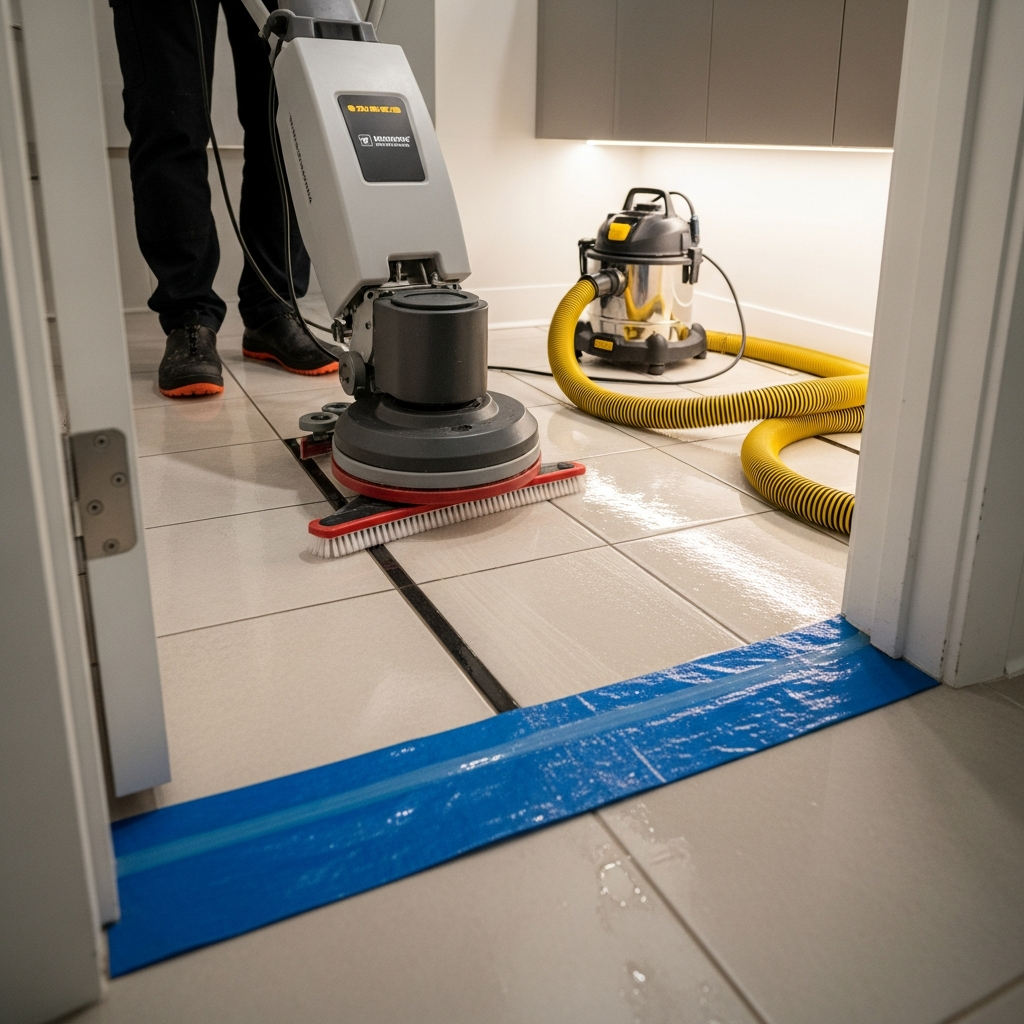
Your Guide to Renting Tile and Grout Cleaning Machines in Elizabeth, New Jersey
Renting a tile and grout cleaning machine can transform dull floors and discolored grout lines into a fresher, brighter surface—without buying expensive equipment. If you live in Elizabeth, New Jersey, where winter slush, summer humidity, and high foot traffic collide, a carefully chosen rental plus the right process can deliver professional-quality results. This guide explains machine types, accessories, detergents, setup, operation, and safety so you can tackle kitchens, bathrooms, entryways, and basements with confidence. If you decide mid-project that you would rather have seasoned pros handle the heavy lifting, you can always pivot to professional tile and grout cleaning for a guaranteed finish.
Before you reserve a unit, assess your surfaces and soil level. Ceramic and porcelain tolerate more aggressive agitation than soft natural stones. Grout that is cracked or missing may need repair before wet extraction. Understanding these factors ensures you choose the right tool and avoid damage.
Machine Types and What They Do
Oscillating or orbital floor machines: These tools use quick micro-oscillations to scrub evenly with pads or brushes. They are excellent for breaking up soil films on tile faces and lightly agitating grout. Paired with a neutral or alkaline cleaner, they lift grime without gouging. Choose softer pads for delicate tiles.
Rotary scrubbers: Traditional spinning machines with brush attachments. They deliver strong agitation and can be effective on heavy soil. However, they require control to prevent splatter and to avoid catching on grout joints. They are better suited to larger, open areas than tight bathrooms.
Pressurized spinner tools with extraction: Often used with a small pressure washer or extractor, spinner heads enclose jets and vacuum ports to blast and recover solution simultaneously. They can dramatically restore grout but demand careful pressure control to protect joints and prevent flooding.
Wet/dry vacuums and extractors: These are not scrubbers but are vital for removing dirty solution from grout pores. Pair them with manual or machine agitation for best results.
Brushes, Pads, and Attachments
Select accessories based on tile and grout condition. Soft white or beige pads are gentle on glazed tile. Nylon bristle brushes labeled for grout target lines without tearing. Avoid wire brushes; they scratch glaze and shed metal. Corner and edge tools help reach along baseboards and under cabinet toe kicks—areas where soil concentrates.
Keep extra pads and brushes on hand. Switching to a fresh pad mid-job restores scrubbing efficiency and prevents re-depositing grime.
Detergents and Solutions
Match chemistry to the soil. Use a neutral cleaner for routine dirt, an alkaline degreaser for kitchens, and a stone-safe pH-balanced cleaner for natural stone. In showers with soap scum, a carefully selected acidic cleaner may be appropriate on ceramic and porcelain but avoid on stone. Mix exactly as directed. Stronger is not better; over-concentration leaves residue and can foam excessively inside machines.
Always spot-test in a hidden area to confirm no color change, dulling, or etching. If foam becomes a problem in extraction tanks, add a defoamer per the label.
Prepping Your Space
Clear rugs, small furniture, and obstacles. Vacuum thoroughly to remove grit—sand and road salt in Elizabeth winters can scratch when caught under a pad. Tape off nearby outlets in bathrooms and use GFCI-protected circuits for machines. Open windows or run fans to accelerate drying. Keep pets and children out of the work area.
Protect adjacent hardwood or carpet by placing towels or plastic barriers at transitions. Have plenty of clean microfiber towels ready for edges and final buffing.
Operating Sequence for Best Results
Section the floor into manageable zones, such as three-by-three feet. Apply cleaner evenly and allow dwell time—typically three to five minutes. Agitate with your chosen machine, moving slowly to let the pad or brush work. Overlap passes for uniform coverage. For stubborn grout lines, pause and use a handheld grout brush, then resume machine scrubbing.
After agitation, recover the slurry immediately. A wet/dry vacuum or extractor removes suspended soil from grout pores. Rinse with clean water, then extract again. Finally, buff with a dry microfiber to eliminate spots and speed drying. This rinse-extract-buff trio prevents residue that can dull the finish days later.
Pressure, Speed, and Safety
Use the lowest effective pressure, especially with spinner tools. Excess pressure can force water deep into grout and subfloors, increasing dry time and risk of efflorescence. Maintain steady, measured passes—too fast and you will leave soil; too slow and you may over-wet an area. Keep electrical cords behind you and away from water paths.
Wear non-slip shoes and eye protection. If using an acidic cleaner, wear gloves and ensure excellent ventilation. Never mix chemicals, and never use chlorine bleach inside extraction equipment.
Special Considerations for Elizabeth Homes
Winter months bring deicing salts that can create films; start with a warm-water rinse before applying detergent. In humid summers, deploy fans or a dehumidifier to reduce dry time. Historic homes may have uneven tile planes; use softer pads and gentle pressure to reduce edge wear. In basements, check for seepage after heavy rain before you begin—standing moisture undermines cleaning and can cause rapid resoiling.
Multi-unit buildings often require scheduling elevator time and protecting common hallways during equipment transport. Plan your route and protect thresholds to avoid tracking slurry.
Rental Logistics: What to Ask Before You Book
Ask which pads and brushes are included and which cost extra. Confirm amperage requirements for machines to avoid tripping breakers. Request a quick demo or instruction sheet. Verify that the unit was cleaned and descaled after its last rental; residual chemical buildup can impair performance. Check availability of defoamer, corner tools, and wet/dry vacuums to pair with your scrubber.
Take photos of the machine at pickup and note any existing wear. Understand the return policy, including late fees and cleaning expectations, so you are not surprised. Bring your own extension cords rated for the load.
Common Mistakes and How to Avoid Them
Over-wetting is the number-one issue with rentals. Limit dwell time on highly porous grout and extract methodically. Skipping the rinse leaves films that reappear as haze after drying. Using the wrong brush or pad can scratch tile or tear grout—choose conservatively and test. Racing through sections leads to stripes of clean and dirty; use consistent overlap on each pass.
Do not forget ventilation. Without airflow, drying drags on and can cause odors, especially in small bathrooms or basements. Finally, do not crank chemical strength to compensate for technique—dial in your process first.
Dealing with Stains and Problem Areas
For grease near stoves, extend dwell time with an alkaline cleaner and agitate twice. For soap scum, apply a ceramic-safe descaler, scrub lightly, and rinse thoroughly. Rust or orange discoloration near radiators or laundry appliances may require a specialty spotter; test first and extract thoroughly. Efflorescence needs dry conditions after removal; address moisture sources to prevent return.
If grout remains gray after cleaning, it may have absorbed pigment or oil deeply. Consider a color-seal treatment after the floor is dry; this restores uniform appearance and adds protection.
Post-Clean Protection
Once fully dry, apply a penetrating grout sealer. Work in small sections, wiping excess from tile faces. Allow recommended cure time before heavy use. In kitchens and entryways, plan to reseal annually or when water no longer beads on grout. Place mats at entries year-round and launder them frequently during Elizabeth’s winter season.
Establish a maintenance routine: weekly vacuuming or sweeping, monthly detail work on grout lines in traffic lanes, and quarterly light scrubs with a neutral cleaner. Protection and consistency extend the time between deep cleanings.
Frequently Asked Questions
Which machine is best for small bathrooms? An oscillating or orbital scrubber with a small footprint and a set of soft pads provides control in tight spaces without splatter.
Can I use a pressure washer indoors with a spinner tool? Only with equipment designed for indoor use and proper extraction. Keep pressure moderate and ensure immediate recovery to avoid flooding. When in doubt, use lower pressure or switch to machine-plus-wet/dry vacuum.
What solution should I start with? Begin with a neutral cleaner. If grease or heavy buildup persists, step up to an alkaline degreaser for kitchens or a ceramic-safe descaler for soap scum, always testing first.
How long does drying take? With fans and good airflow, most floors dry within one to two hours. Basements or humid days may require more time. Avoid foot traffic until surfaces are completely dry.
Will machines damage my grout? Not if you choose the correct pad or brush, control pressure, and avoid hovering in one spot. Fragile or missing grout should be repaired before cleaning.
Do I need a wet/dry vacuum? Strongly recommended. Extraction removes suspended soil from grout pores and speeds drying. Mopping alone often leaves residue.
What if I see haze the next day? Haze is typically leftover detergent. Rinse with clean water, extract, and buff dry with microfiber. Adjust dilution and rinse more thoroughly on future sections.
Is sealing necessary after rental cleaning? Yes, sealing clean grout prolongs results and resists staining. It is a valuable final step.
Want Guaranteed Results Without the Learning Curve?
Rental machines can deliver excellent results when used correctly, but they demand planning, testing, and patience. If you prefer a sure thing—fast, uniform results and protected grout—schedule professional tile and grout cleaning and enjoy refreshed floors without wrestling with equipment or drying logistics.