Pet Stain And Odor Carpet Cleaning Services In Elizabeth, New Jersey: Fresh Floors For Pet-Loving Homes
Pets bring warmth, routine, and laughter to our lives in Elizabeth, New Jersey, but they also bring the occasional mess. From puppy training accidents to hairball surprises and muddy paws after a romp in the park, carpets quietly absorb the evidence. Over time, minor spots can turn into stubborn stains and persistent odors that regular vacuuming or basic spot treatments cannot fully resolve. Specialized pet stain and odor services exist to cut through this challenge and restore the comfort of your home.
True pet-focused cleaning goes beyond masking smells. It identifies the source, chooses the right chemistry for the specific type of contamination, and uses controlled rinsing to remove what is causing the issue. In Elizabeth’s mix of apartments, townhomes, and single-family residences, these services are tailored to each living situation so pets, people, and carpets can happily coexist. If you are ready to reclaim freshness room by room, consider professional carpet cleaning services with proven pet treatment protocols and clear guidance.
Different pet accidents demand different strategies. A fresh urine spot at the surface is not the same as a long-dried incident that has penetrated into the backing or pad. Likewise, oily residues from fur and dander behave differently from water-soluble soils. The best results come when your technician inspects, identifies, and then treats each problem precisely, rather than applying one generalized solution across the entire carpet.
Understanding Pet Odor At The Source
Pet urine is a complex mixture that changes as it dries. Fresh urine is primarily water with organic compounds. As it ages, crystals can form, and odors often intensify when moisture from cleaning or humidity reactivates them. This is why homes sometimes smell worse immediately after an inadequate cleaning—improper methods can moisten residues without fully removing them. Effective pet odor control means dissolving and extracting those residues, not just covering them.
An experienced technician may use specialized tools and inspection techniques to locate problem areas. Moisture meters, UV light, or simply trained observation can reveal spots you cannot see. Once identified, the technician selects enzyme or oxidizing treatments appropriate for the fiber type and the severity of contamination, then follows up with thorough extraction.
Inspection, Treatment, And Extraction—The Three Pillars
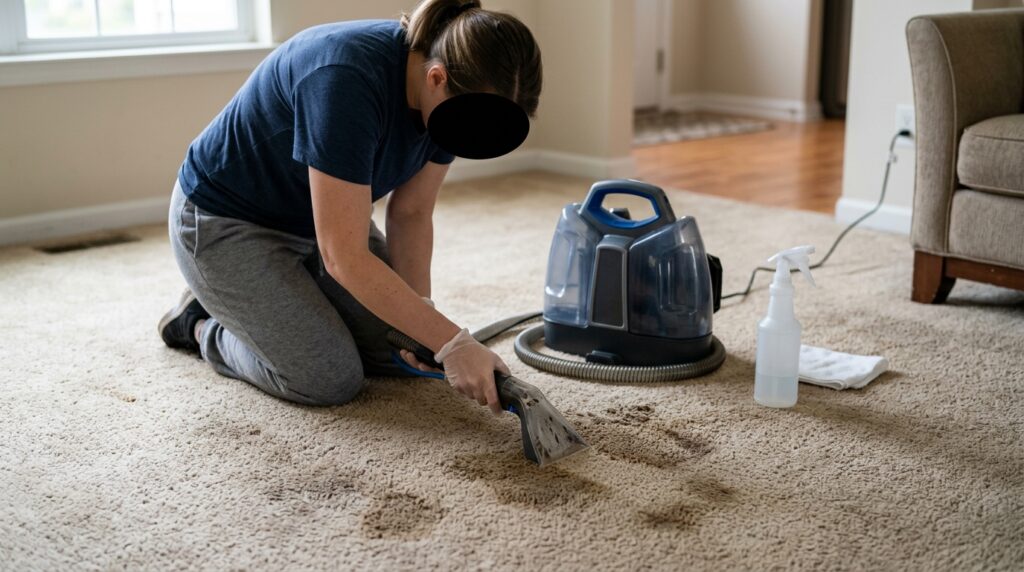
Inspection sets the stage. Your provider will ask about recent accidents, previous at-home attempts, and any persistent trouble areas. Next comes treatment, which may involve applying targeted solutions that break down odor-causing compounds. Finally, extraction removes the dissolved contaminants and cleaning agents. Together, these steps address both the stain you see and the odors you sense when you walk into the room.
Sometimes, sub-surface flushing is appropriate. This controlled technique introduces solution to the depth of the contamination and then retrieves it with specialized tools. It is not always necessary, but for heavier incidents or recurring odors, it can be the difference between a temporary improvement and a lasting fix. Throughout, the key is balance—enough solution to reach the source, enough dwell time to work, and powerful recovery to remove as much as possible.
When The Pad Or Subfloor Is Involved
In more severe cases, urine can saturate the carpet pad or even reach the subfloor. Here, successful remediation may require more than surface-level cleaning. After inspection, a provider might recommend targeted pad treatment, sealing of subfloor areas, or strategic replacement if contamination is extensive. While this level of intervention is not always needed, it is critical to evaluate realistically so that recurring odors do not undermine your efforts.
Transparency matters. A good technician will explain the findings in plain language and outline options from most conservative to most comprehensive. With clear information, you can decide on the right balance between practicality and thoroughness for your home.
Working With Multiple Pets And Busy Households
Life in Elizabeth is busy, and where there is more activity, there is more potential for wear on carpets. Multi-pet homes often benefit from a layered approach: routine vacuuming with strong filtration, immediate blotting of fresh accidents, and scheduled professional visits that focus on pet-prone zones. Bedroom carpets might need less frequent pet treatment than living areas or hallways where animals spend most of their time. A thoughtful plan recognizes these patterns.
Odor control is a team effort. Alongside cleaning, maintain litter boxes diligently, groom pets to reduce shedding and dander, and ensure adequate ventilation. These habits complement professional work and help you preserve that just-cleaned freshness longer.
Safe Chemistry And Indoor Comfort
Modern pet treatments are designed to target odor compounds effectively while respecting indoor air quality. Ask about solutions that are appropriate for sensitive occupants and follow any ventilation guidance provided by your technician. Rinsing and extraction are essential—leaving active chemistry in the carpet for too long can be counterproductive. The aim is always to neutralize, remove, and leave the fibers clean and comfortable for both people and pets.
Because pets spend so much time close to the floor, residue control matters. Thorough rinsing, balanced pH, and proper drying make carpets feel soft under paw and foot alike. Your home should smell clean because it is clean, not because strong scents are present.
Handling Common Pet-Related Stains
Beyond urine, pet households face other blemishes. Organic spills, vomit, and tracked-in mud each require tailored responses. Protein-based spills can set if treated with high heat too soon, while oily residues bond to fibers differently and need the right solvent to release. Gentle agitation helps treatments contact all sides of the fiber, but aggressive scrubbing should be avoided to protect the pile. Skilled technicians adjust techniques based on what they encounter during inspection.
Reappearing marks after cleaning are often the result of wicking or previously applied spotters that left sticky residues. Technicians plan for these scenarios by managing moisture carefully, making extra dry passes, and applying post-treatments designed to stabilize the area as it dries.
Practical Prevention Tips That Actually Work
Prevention supports everything you invest in cleaning. Place washable runners in pet pathways, use high-quality doormats at entries, and create cozy pet stations with easily washable bedding away from main traffic lanes. Regular grooming reduces shedding and oily transfers from fur. For puppies or newly adopted pets, confine them to easier-to-clean spaces until training becomes consistent.
When accidents happen, blot early and often. Use a clean, white towel and gentle pressure. Avoid scrubbing and avoid saturating the area with household cleaners not formulated for carpet. If you use a store-bought spotter, follow label directions exactly and rinse lightly with water afterward to prevent residue. Share details of your at-home treatments with your cleaner; that information helps them choose compatible solutions during professional service.
Why A Pet-Focused Provider Matters
Pet odor remediation is both a science and an art. Providers with a track record in pet work ask the right questions, anticipate hidden contamination, and come prepared with specialized tools. They know how to calibrate dwell time and choose between enzymatic and oxidizing solutions without risking dye stability. They also understand how to communicate realistic outcomes—what will likely improve fully, what may improve partially, and when structural issues demand deeper intervention.
If you are researching options in Elizabeth, look for teams that show their process clearly and invite your questions. A provider who shares aftercare tips freely is signaling confidence and partnership. To compare approaches and get a sense of scope, review reputable carpet cleaning services and note how they describe pet-specific inspection, treatment, and extraction.
Frequently Asked Questions
Q: Will professional cleaning remove pet urine odor completely? A: Often yes for surface-level accidents, especially when addressed promptly. If urine has penetrated the pad or subfloor, further steps like sub-surface flushing, pad treatment, or sealing may be needed. A thorough inspection reveals the best path.
Q: Are pet treatments safe for animals and children? A: Responsible providers use solutions designed for indoor use and rinse them effectively. They also recommend ventilation and brief off-limit periods during drying to keep everyone comfortable.
Q: Why do old stains seem to return after cleaning? A: This can be wicking, where deeper residues rise to the surface as the carpet dries. Technicians minimize it with controlled moisture and extra extraction. Persistent spots may get a quick follow-up touch.
Q: Can I treat pet stains myself? A: Immediate blotting helps. Use carpet-safe spotters sparingly and follow directions. Avoid over-wetting and scrubbing. Share what you used with your technician so they can plan compatible treatments.
Q: How often should pet households schedule professional cleaning? A: Many homes benefit from a twice-yearly plan for main areas, with targeted spot and odor treatments as needed. Frequency depends on the number of pets, their routines, and how much time they spend indoors.
Q: Will enzyme treatments discolor my carpet? A: When chosen and applied correctly for your fiber type, they should not. Technicians test in inconspicuous areas and monitor dwell time to protect dyes while achieving odor reduction.
Q: Does steam cleaning alone remove urine crystals? A: Steam cleaning provides a deep rinse, but urine crystals often require pre-treatment to dissolve. The best results combine targeted chemistry with thorough extraction.
Q: What about repeated accidents in the same spot? A: Animals can return to previously soiled areas. Comprehensive odor removal and, when needed, pad or subfloor treatment help break the cycle. Adding deterrents and retraining strategies also helps.
Q: Can strong fragrances solve pet odor problems? A: Fragrances may mask smells briefly but do not remove the source. Effective solutions neutralize and extract odor-causing compounds so the home smells clean because it is clean.
Q: Will cleaning make my pet more likely to mark again? A: Thorough odor removal reduces the cues that trigger remarking. Combine cleaning with behavior strategies and consistent routines to support long-term success.
Q: Are area rugs treated differently than wall-to-wall carpet? A: Often yes. Some rugs benefit from off-site cleaning, especially if contamination is heavy. Your provider will recommend the safest, most effective route for each item.
Reclaim Freshness And Comfort
You do not have to choose between loving your pets and loving your home. With the right inspection, targeted treatments, and careful extraction, carpets can smell and look truly clean again. Prepare your list of problem areas, plan for a short drying period, and partner with a pet-savvy team. For clear processes and dependable results, contact trusted carpet cleaning services and enjoy life with pets on cleaner, fresher floors.