
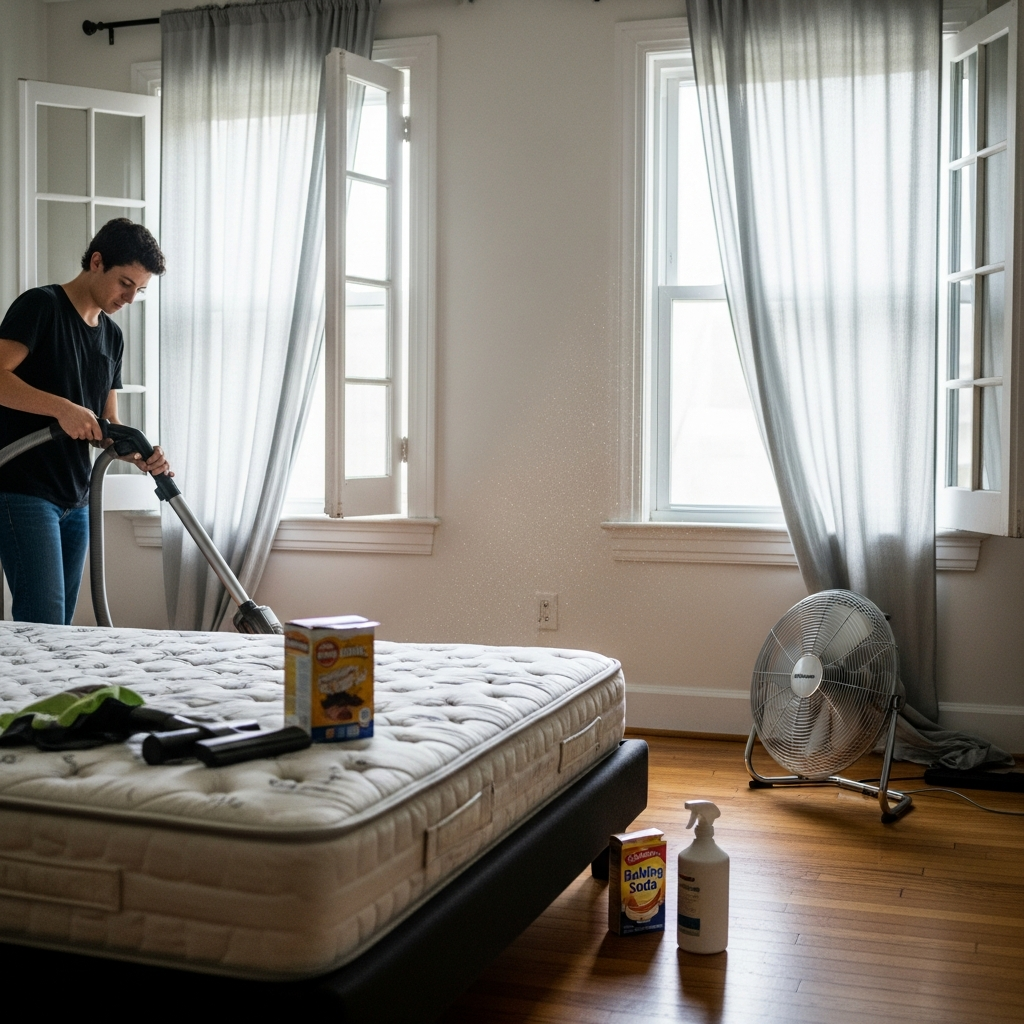
Refreshing your mattress at home in Elizabeth, New Jersey is more than a once-a-year chore; it is a health habit that improves sleep quality, reduces allergens, and extends the life of your bed. With a mix of city grit, coastal breezes from Newark Bay, and seasonal humidity swings, mattresses in Elizabeth can trap dust, pollen, and moisture faster than you might expect. This guide gives you a complete, step-by-step approach to safely clean your mattress with household tools and mindful techniques tailored to the local climate. If you decide partway through that you would like a professional touch, you can always explore this keyword for deeper solutions. Either way, by the time you finish this guide, you will know how to restore your mattress to a fresher, healthier condition without harsh methods or unnecessary risks.
Understand Your Mattress First
Before you vacuum or spritz a single drop of cleaner, identify your mattress type and materials. Foam, latex, hybrid, and innerspring models respond differently to moisture and agitation. Read the care tag on the side or underside—often marked with codes like “S” (solvent only) or “W/S” (water-based or solvent-based)—and take note of any warnings against steam or heavy water use. Memory foam is particularly moisture-sensitive; too much liquid can linger and encourage mold. Latex dislikes harsh solvents and high heat. Natural fiber padding, such as wool or cotton, can shrink or felt together if over-wetted. Knowing these basics helps you choose the right approach and avoid damage.
Supplies and Tools You Will Need
- Vacuum with an upholstery attachment and a crevice tool
- New vacuum bag or a clean canister to avoid blowing odors back
- Plain white cloths or microfiber towels for blotting
- Spray bottle for spot treatments
- Mild, color-safe oxygen-powered stain remover suitable for upholstery
- Enzyme cleaner designed for biological stains (sweat, urine, food drips, pet accidents)
- Baking soda for deodorizing
- Isopropyl alcohol (70%) for quick-drying spot work when appropriate
- Distilled water to reduce mineral residue and rings
- Optional: handheld garment steamer for surface sanitation on steam-safe mattresses
- Optional: a small fan or dehumidifier to speed drying—useful during humid Elizabeth summers
Preparation: Set Up Your Space
Choose a time when you can keep windows open or run a fan for circulation. In Elizabeth, spring and early fall often provide the best conditions—moderate humidity and comfortable temperatures. Strip bedding and immediately launder sheets, pillowcases, and protectors on hot water settings safe for the fabric to remove oils and mites. If possible, move the mattress slightly off the wall to access all sides. Clear a nearby surface to place cleaning supplies and keep traffic through the room minimal to prevent stirring up dust.
Step-by-Step: The Gentle Deep Clean
-
Dry Debris Removal. Start with a slow, methodical vacuum using the upholstery tool. Work from top to bottom, edge to edge, overlapping passes. Use the crevice tool along piping, tufts, handles, and label areas where lint and grit collect. This removes dust mites, dander, lint, and skin cells that fuel odors and allergies.
-
Evaluate Stains in Good Light. Turn on bright task lighting. Identify the type of stain—oily (body oils, lotions), protein (sweat, urine, blood), tannin (tea, coffee), or unknown. Choose a cleaner that matches the category. When in doubt, begin with the mildest approach.
-
Spot Treatment Protocol. Lightly mist the stain with distilled water to pre-dampen fibers (unless your care tag prohibits water). Apply a small amount of the appropriate cleaner to a cloth, not directly on the mattress. Blot outward from the center to the edges, lifting the stain instead of pushing it deeper. Avoid scrubbing; friction can distort fibers and enlarge the blemish.
-
Rinse by Blotting. Dampen a clean cloth with distilled water and blot to lift residue. Alternate between the cleaner cloth and the damp cloth until the stain is reduced. Finish with a dry cloth to absorb remaining moisture. For delicate foams, swap water-based rinsing with light dabs of isopropyl alcohol for faster evaporation if the care tag allows.
-
Odor Neutralization with Baking Soda. After spot cleaning, sprinkle a thin, even layer of baking soda over the mattress surface. Let it sit for 30–60 minutes to absorb odors and residual moisture. During humid New Jersey days, extend contact time or run a dehumidifier to combat slow drying.
-
Final Vacuum Pass. Vacuum the baking soda thoroughly. This step brightens odors and leaves the surface refreshed. Take your time; fine particles settle into quilting and need multiple passes to remove.
-
Optional Steam on Steam-Safe Mattresses. If your tag approves light steam, hover a garment steamer a few inches above the surface for brief, sweeping passes. Do not saturate. The goal is quick surface sanitation, not soaking. Immediately run fans to dissipate humidity.
-
Drying and Airing. Stand the mattress on its side, if safe, or prop it slightly using stable supports to promote airflow around all surfaces. Aim a fan across the surface or place a dehumidifier in the room. In winter, dry indoor air in Elizabeth can help, but avoid blasting heat directly at foam.
Addressing Common Elizabeth, NJ Challenges
Pollen spikes in spring and fall can settle on bedding and transfer into your mattress. Heavy traffic corridors near the Turnpike and Port activity can introduce fine soot that clings to fabrics. Moist summer nights invite condensation if your bedroom is poorly ventilated. To counter these factors, vacuum more frequently during peak pollen days, shower before bed after outdoor activities, and run a HEPA purifier or dehumidifier to stabilize the room environment.
Targeted Stain Strategies
-
Sweat and Body Oils. Use an enzyme cleaner or oxygen-powered solution. Apply sparingly and blot repeatedly. Follow up with baking soda to absorb residual odors.
-
Urine (Kids or Pets). Quickly blot with absorbent cloths. Apply an enzyme cleaner and let it dwell as directed to break down uric crystals. Rinse by blotting with distilled water. Repeat until odors are gone, then use baking soda to finish.
-
Blood. Cold water only. Blot gently, never rub. Consider a small amount of oxygen cleaner formulated for fabrics. Rinse by blotting and dry thoroughly.
-
Food and Drink. Address tannin stains with a mild detergent solution on a cloth, followed by blot rinsing. Avoid hot water that can set stains.
Moisture Management and Drying
Moisture is the enemy of mattress longevity. Even small amounts trapped inside can cause mildew or subtle foam breakdown. In Elizabeth’s humid months, give extra time for drying and consider airflow enhancements: open opposite windows for cross-ventilation, position fans at different heights, or run a dehumidifier overnight. Touch the mattress in several places; it should feel uniformly dry and cool, not damp or clammy. If in doubt, wait longer before remaking the bed.
Deodorizing Beyond Baking Soda
While baking soda is a great first-line deodorizer, persistence odors sometimes need a second approach. Enzyme cleaners help with biological smells. For stubborn non-biological odors, repeat the vacuum and baking soda cycle on a different day. Maintain a clean bedroom ecosystem: wash pillows regularly, clean under-bed storage bins, dust baseboards, and consider washable encasements for pillows and mattress. Odor sources migrate; controlling the whole room prevents recurrence.
When to Use a Mattress Protector
A high-quality, breathable protector is insurance against the next spill or sweaty summer. Choose a protector with a waterproof membrane that is quiet and cool to the touch. Launder it monthly or more often during allergy season. If you prefer a topper, ensure it is washable and compatible with your protector; layer them so the protector sits directly over the mattress to guard the core.
Rotating, Flipping, and Leveling Wear
Most modern mattresses are one-sided and should not be flipped, but rotating head-to-foot every three to six months spreads wear. Mark a calendar or set reminders for the equinoxes—easy milestones in New Jersey’s seasonal rhythm. Inspect the bed frame and slats; a sagging foundation undermines your cleaning efforts by compressing materials unevenly and trapping debris in valleys.
Middle-of-the-Process Checkpoint
By the midpoint of your cleaning plan—after vacuuming, spot treatment, and deodorizing—evaluate whether stains or odors remain. If they do, repeat targeted blotting rather than escalating immediately to heavy wetting. For detailed techniques or to compare your results with professional benchmarks, you can consult this helpful keyword and decide if a supplemental service visit makes sense for your situation.
Special Situations: Pets, Kids, and Guests
Life in a busy household brings unique mattress challenges. For pets, trim nails to prevent snags and shake out blankets weekly to minimize fur transfer. For children’s beds, schedule a quick vacuum weekly and a deeper clean every season. Keep a “spill kit” in a nearby closet containing cloths, a small enzyme cleaner, and a spray bottle of distilled water for fast response. Guest rooms in Elizabeth homes may sit unused for months; air them out, vacuum mattresses, and launder bedding a week before visitors arrive to release musty odors.
Bed Bugs and Insect Concerns
While bed bugs are not a cleaning issue alone, good housekeeping helps you detect and respond early. As you vacuum, inspect seams and tufts for dark specks or shed skins. If you suspect activity, encase the mattress and box spring in certified bed bug covers and consult a licensed professional for treatment guidance. Avoid secondhand mattresses unless you can confidently verify their history and cleanliness.
Green and Sensitive-Skin Approaches
For sensitive skin or asthma, choose fragrance-free, dye-free cleaners and rinse thoroughly by blotting. Ventilate the room during and after cleaning to reduce airborne residues. If you prefer greener methods, rely on vacuuming, minimal moisture spot work, and baking soda. Always patch test on an inconspicuous area before applying any product broadly.
Routine Schedule for Elizabeth Homes
- Weekly: Quick vacuum and shake out protector or topper
- Monthly: Launder protector, inspect for new stains
- Seasonally: Full vacuum, spot treatment, baking soda deodorize, rotate mattress
- Annually: Extra-thorough cleaning day, check bed frame, refresh encasements
Common Mistakes to Avoid
- Over-wetting foam or pillow-top layers
- Scrubbing stains aggressively, which spreads them
- Skipping the final vacuum after baking soda
- Sealing in dampness by remaking the bed too soon
- Using hot water on protein stains like blood
- Ignoring the care tag and voiding warranties
What Clean Looks and Feels Like
After a proper home cleaning, your mattress should smell neutral, feel completely dry, and look brighter in the quilting channels. Slight shadowing on older stains is common and not necessarily a sign of poor hygiene. Focus on odor control, dryness, and dust reduction as your primary success metrics. If the mattress consistently smells musty or feels clammy in humid weather, consider room dehumidification and a protector with better breathability.
Frequently Asked Questions
Q: How often should I deep clean my mattress at home in Elizabeth?
A: Aim for a seasonal routine—four times a year—plus quick touch-ups after spills or peak allergy weeks. Rotate your mattress during each seasonal session.
Q: Can I use a carpet cleaner machine on my mattress?
A: Generally no. These machines apply too much water for most mattresses and risk slow drying and mildew. Stick to spot blotting and minimal moisture methods.
Q: Does steam kill dust mites?
A: Light steam on steam-safe mattresses can reduce mite populations on the surface, but it must be brief and followed by thorough drying. Always respect your care tag.
Q: What if my room is very humid in summer?
A: Run a dehumidifier, use fans, and clean during cooler morning hours. Allow extended drying time before remaking the bed.
Q: Are essential oils okay for deodorizing?
A: Many oils can leave residues or trigger sensitivities. Favor baking soda and frequent laundering of bedding for safe, neutral odor control.
Q: How do I treat a fresh urine spill?
A: Blot immediately, apply an enzyme cleaner with dwell time, blot-rinse with distilled water, and finish with baking soda before a careful final vacuum.
Q: My mattress is older and has yellowing. Can I whiten it?
A: Yellowing is often oxidation and may not fully reverse. Focus on hygiene, odor control, and a clean protector to improve day-to-day freshness.
Q: Should I clean both sides?
A: If your mattress is double-sided, yes. If it is one-sided, clean the top and sides and keep the underside aired when possible.
Q: Are mattress protectors hot to sleep on?
A: Modern protectors with breathable membranes are much improved. Look for ones labeled breathable and wash regularly to maintain comfort.
Q: When should I consider replacing the mattress?
A: If there are deep sags, persistent odors after thorough cleaning, or chronic discomfort despite rotation, it may be time to replace.
Putting It All Together
With careful vacuuming, smart stain targeting, controlled moisture, and patient drying, you can maintain a clean, comfortable mattress at home even through Elizabeth’s humid summers and brisk winters. Keep your tools ready, schedule seasonal sessions, and treat spills the moment they happen. If you prefer to benchmark your results against expert methods or seek a periodic deep refresh, review this trusted keyword for options that complement your DIY regimen.
Ready for a Fresher Night’s Sleep in Elizabeth?
You now have a practical, climate-aware plan for safe mattress care at home. Start with a thorough vacuum, treat stains patiently, and let the room’s airflow do its work. Protect the results with a washable, breathable protector and a seasonal reminder on your calendar. If you want added peace of mind or a once-a-year professional reset, schedule a visit through this convenient keyword and enjoy the confidence of a clean, healthy sleep surface night after night.