
Keeping your mattress clean in Elizabeth, New Jersey does more than brighten a bedroom—it safeguards your sleep, supports healthier breathing, and helps your mattress last longer through coastal humidity, city dust, and busy family life. The tips below distill best practices into everyday actions any homeowner can take, with special attention to our local climate. If you want to compare your DIY approach with professional benchmarks at any point, you can consult this useful keyword while you plan a routine that fits your home.
Tip 1: Start with a Clean Foundation
Strip bedding and launder sheets and protectors regularly. Wash weekly during high-pollen months and at least every two weeks the rest of the year. If you live near high-traffic corridors or keep windows open on breezy days, consider weekly washes to remove soot and dust. Keep pillows and toppers on a rotation; many are machine-washable and benefit from a seasonal refresh.
Tip 2: Vacuum Methodically
Slow, overlapping vacuum passes with an upholstery attachment remove dust mites, lint, and grit that contribute to odors and allergies. Use the crevice tool along seams, piping, and labels. Increase frequency during Elizabeth’s spring and fall pollen peaks to prevent particles from embedding deeply in the quilting.
Tip 3: Respond Quickly to Spills
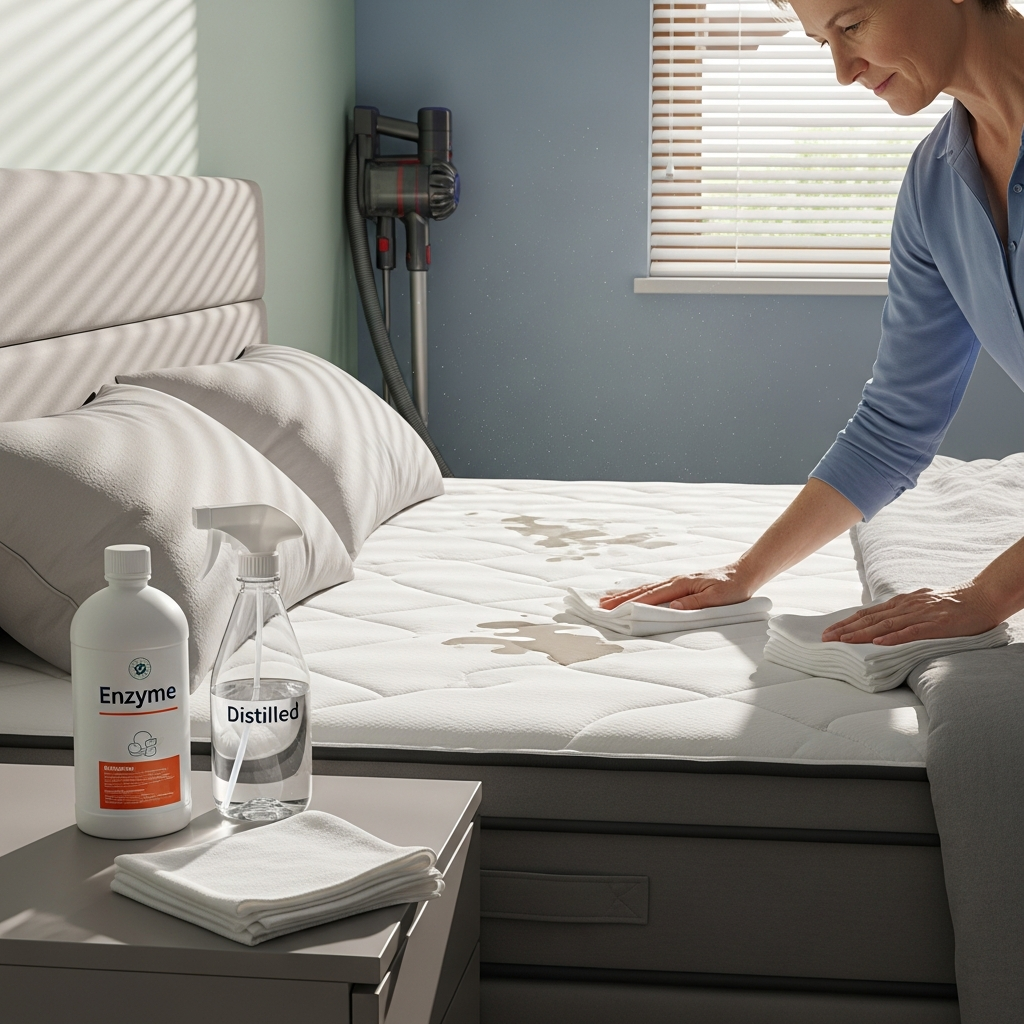
A small spill kit makes all the difference: white cloths, an enzyme cleaner, a small bottle of distilled water, and a mild oxygen cleaner. Blot, do not scrub. Dampen carefully and keep liquids to a minimum, especially on foam. Finish with a sprinkle of baking soda and vacuum when dry.
Tip 4: Match Cleaner to Stain Type
- Protein (sweat, urine, blood): enzyme cleaner, cool water blotting
- Oils (body oils, lotions): mild detergent solution or oxygen cleaner
- Tannin (tea, coffee): gentle detergent solution, quick blotting
Test in an inconspicuous area before wider use. The goal is to lift residues without over-wetting or rough scrubbing.
Tip 5: Deodorize the Smart Way
Baking soda is a gentle, effective odor absorber. Dust a fine layer over the surface after spot work, let it sit for up to an hour, then vacuum thoroughly. If odors persist, repeat a day later and evaluate nearby sources like pillows and toppers.
Tip 6: Master Moisture Management
Moisture risk is higher during humid summers in Elizabeth. Clean earlier in the day, open windows when outdoor humidity is reasonable, and run a fan or dehumidifier. Never remake the bed until the mattress feels cool and completely dry in every section.
Tip 7: Rotate on a Seasonal Schedule
Rotate head-to-foot every three to six months to even out body impressions and protect comfort layers. Use the equinoxes as easy reminders to rotate and perform a deeper clean—vacuum, spot treat, deodorize, and check your protector.
Tip 8: Use a Breathable Protector
A waterproof yet breathable protector blocks sweat, spills, and dust, making future cleanings faster and more effective. Wash it monthly and inspect for membrane wear. If you add a topper, keep the protector closest to the mattress to guard the core.
Tip 9: Keep the Whole Room Clean
Mattress odors often originate elsewhere. Dust baseboards, vacuum carpets or hard floors, wash drapes or wipe blinds, and clean under the bed. Elizabeth’s older housing stock can harbor dust in trim gaps; a semi-annual deep room clean boosts results significantly.
Tip 10: Handle Foam with Care
Memory foam and latex require minimal moisture and gentle blotting. Avoid high heat, harsh solvents, and vigorous scrubbing that can tear cells or degrade materials. When in doubt, use less liquid and more patience with blotting and airflow.
Tip 11: Pet- and Kid-Friendly Routines
Protect children’s and pet-frequented beds with washable throws or secondary protectors. Keep an enzyme cleaner within reach for quick accidents. Train pets to sleep on designated blankets and wash them weekly to prevent fur and dander buildup.
Tip 12: Allergen Reduction Strategies
Use encasements for pillows and mattresses if allergies are a concern. Launder bedding in warm or hot water as safe. Showering after spending time outdoors reduces pollen transfer. Consider running a HEPA purifier and keeping windows closed on high-pollen days.
Tip 13: Optional Steam—Only if Approved
Steam can refresh the surface on steam-safe mattresses, but it must be used briefly and followed by strong airflow. Skip steam entirely if you are unsure or if the tag prohibits it.
Tip 14: Prevent Recurring Odors
Persistent smells often indicate residues or hidden moisture. Revisit stains with enzyme action, increase airflow, and repeat baking soda applications. A protector that stays clean and intact is the best long-term odor defense.
Tip 15: Keep a Maintenance Log
A simple note on your calendar—date cleaned, rotated, and any stain notes—keeps you on track. In busy households, logs prevent repeated work on the same spot or forgotten rotations.
Elizabeth Climate Pointers
Our area’s humidity and pollen cycles shape mattress care. Clean on lower-humidity days, usually late morning to early afternoon, and give extra time for drying in July and August. In winter, dry indoor air helps moisture evaporate but can carry dust; vacuum more frequently to keep particles off the surface.
Mid-Routine Check: Are You On Track?
Halfway through a seasonal session—after vacuuming, targeting stains, and deodorizing—pause to reassess. Touch several zones to confirm dryness and sniff for neutrality. If you are curious how your progress compares with expert standards or wish to combine DIY with occasional help, review this informative keyword before deciding on next steps.
Quick Reference Lists
- Do: Vacuum slowly, blot stains, use baking soda, rotate seasonally, launder protectors.
- Don’t: Soak foam, scrub harshly, use hot water on protein stains, ignore drying.
- Good to Have: White cloths, enzyme cleaner, oxygen cleaner, distilled water, a handheld fan.
Common Myths, Debunked
- Myth: Heavy water cleaning is the best deep clean. Reality: Excess moisture invites mildew and damages foam; controlled blotting is safer.
- Myth: Strong fragrance equals clean. Reality: Neutral scent indicates clean; added fragrance can mask issues or irritate sensitive sleepers.
- Myth: Protectors are hot and crinkly. Reality: Modern breathable membranes are quiet and comfortable when laundered regularly.
Frequently Asked Questions
Q: How often should I rotate the mattress?
A: Every three to six months. Align it with seasonal cleaning for convenience.
Q: What if a stain keeps returning?
A: Residual deposits or insufficient drying may be to blame. Re-treat with enzyme action, extend drying time, and ensure the protector is clean.
Q: Can I use hydrogen peroxide?
A: Low concentrations can help with some stains but may lighten fabrics. Test first and use sparingly.
Q: Is baking soda safe for all mattresses?
A: Generally yes. Vacuum thoroughly afterward to remove all residue.
Q: How can I reduce pet odors?
A: Enzyme cleaners for accidents, washable blankets on the bed, and frequent laundering of bedding help break odor cycles.
Q: Do I need a professional clean if I follow these tips?
A: Many homeowners manage well with consistent care. Periodic professional refreshes can support odor removal and allergen reduction, especially after major spills.
Q: Will sunlight sanitize the mattress?
A: Limited, indirect sunlight can help freshen, but avoid excessive exposure that may degrade materials.
Q: Are there fabrics I should avoid cleaning myself?
A: Foam layers and delicate quilting require gentle, minimal-moisture methods. When uncertain, proceed conservatively or seek guidance.
Bring It All Together
A clean mattress is the result of steady habits: careful vacuuming, smart stain targeting, ample airflow, and protection against future accidents. Elizabeth homeowners face humidity and pollen that challenge cleanliness, but a measured routine keeps the surface fresh and the core dry. If you want to complement your efforts with periodic expert care or learn more advanced methods, consult this trusted keyword and tailor a balanced plan for year-round comfort.
Ready for Cleaner, Calmer Sleep?
Choose a mild-weather afternoon, gather your tools, and give your mattress the attention it deserves. With thoughtful steps and patient drying, you will improve air quality and nighttime comfort. When you want extra reassurance or a once-a-year deep reset, schedule support through this convenient keyword and enjoy a consistently fresh, healthy sleep environment.