
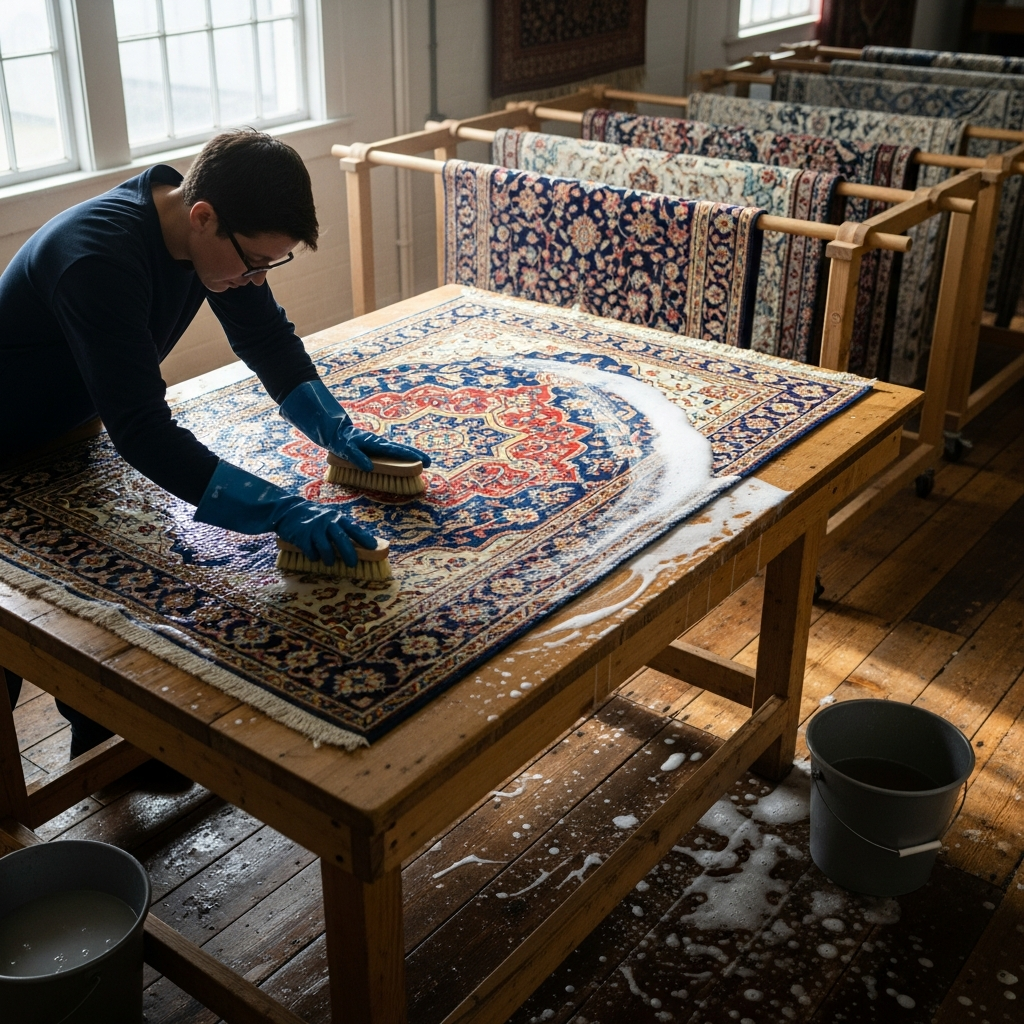
Oriental rugs are prized for their craftsmanship, vibrant dyes, and cultural significance. In Elizabeth, New Jersey, residents who own these heirlooms often seek specialized cleaning and conservation services to preserve both beauty and value. Because oriental rugs are constructed and dyed using traditional methods, they require more than routine vacuuming — they benefit from the expertise of specialists who understand delicate fibers, natural dyes, and hand-knotted foundations. For owners considering professional care, one useful resource is to connect with companies that emphasize experienced handling and restoration; many homeowners report positive outcomes after working with experts in professional rug cleaning services.
What Makes Oriental Rugs Different?
Oriental rugs include a wide range of hand-knotted and hand-woven rugs from regions such as Persia, Turkey, the Caucasus, Central Asia, and parts of India. They are often constructed from natural fibers like wool, silk, and sometimes cotton, and artists use natural or synthetic dyes to achieve complex color palettes. The knot density, foundation structure, and finishing techniques vary, which contributes to the rug’s durability and value. These characteristics also dictate specific cleaning and restoration strategies, since aggressive or inappropriate methods can damage fibers, cause dye migration, or weaken the foundation.
Common Issues with Oriental Rugs
Oriental rugs face unique challenges:
- Dye bleeding: Natural dyes can sometimes run when exposed to water and improper chemicals.
- Fringe damage: Fringe is often the most vulnerable part of a rug and can fray or brown with age and soil accumulation.
- Warp and weft stress: Over time, foundations may weaken, causing distortions or loosening knots.
- Insect damage: Moths and carpet beetles can feed on natural fibers and cause holes or thinning.
Addressing these problems requires targeted solutions. Specialists perform dye tests, use gentler chemistries, and employ repair techniques like re-weaving, binding, and fringe restoration that coax the rug back to stable condition without altering its character.
Inspection and Pre-Treatment Steps
Before cleaning any oriental rug, a skilled technician conducts a detailed inspection. This includes examining weave integrity, knot density, dye stability, and previous repairs. The technician will often perform a spot dye test in an inconspicuous area to ensure colors are stable. If dyes are not colorfast, they may recommend specialized low-moisture or dry cleaning methods to reduce risk. Pre-treatment also includes dry soil removal and targeted stain chemistry to loosen embedded organic matter.
Hand Washing vs. Low-Moisture Cleaning
For many oriental rugs, hand washing remains the safest and most effective method. The rug is laid flat, soiled areas are treated gently, and warm (not hot) water with pH-neutral detergents is used to clean the pile. Technicians rinse thoroughly and remove excess moisture by carefully pressing or using specialized extractors. Rugs are dried horizontally to prevent warping. Low-moisture or dry cleaning may be appropriate for fragile rugs or those with unstable dyes. The choice depends on the rug’s condition and the results of dye and fiber testing.
Repair and Restoration Services
Specialists often offer repair and restoration in addition to cleaning. Common services include:
- Reweaving: Reconstructing areas where knots have been lost due to wear or damage.
- Fringe repair or replacement: Restoring the visual balance and structural integrity of ends.
- Edge binding: Securing loose edges to prevent further unraveling.
- Foundation reinforcement: Repairing or reinforcing damaged warp or weft threads.
These interventions require specialized skills; many shops employ artisans trained in traditional techniques to ensure repairs harmonize with the rug’s style and age. When restoration is necessary, ask for a clear explanation of the methods used, samples of matching yarns, and photos showing work in progress.
Preventative Care for Oriental Rugs
Protecting an oriental rug’s longevity involves regular maintenance and sensible usage:
- Vacuum gently on a low setting and avoid using power-head attachments directly on fringe.
- Rotate the rug periodically to distribute wear and sun exposure evenly.
- Use a breathable rug pad to reduce movement, cushion fibers, and provide airflow beneath the rug.
- Address spills quickly by blotting; do not apply household bleach or harsh solvents.
Additionally, minimize direct sunlight to prevent fading and consider professional inspections every couple of years for valuable pieces.
How to Choose an Oriental Rug Specialist
When searching for a specialist in Elizabeth, evaluate the following:
- Demonstrated experience: Ask how many oriental rugs the company cleans annually and request examples of similar work.
- Conservation training: Technicians with training in textile conservation bring an additional layer of expertise.
- On-site facilities: Offsite workshops with space for hand washing, drying, and repair indicate comprehensive capability.
- Clear communication: Specialists should explain risks, alternatives, and expected outcomes before starting work.
Many owners ask for a written condition report and documented before-and-after images. This practice helps protect both parties and creates a record of the rug’s state through restoration.
Handling Old or Fragile Pieces
Antique oriental rugs require especially careful consideration. Repairs and cleaning should be minimally invasive to preserve patina and authenticity. Specialists may recommend patch repairs or stabilization rather than full-scale cleaning if fibers are too fragile. Conservation-grade work often prioritizes long-term preservation over immediate cosmetic improvement.
Common Questions from Oriental Rug Owners
Is it safe to wash a silk rug?
Silk rugs are delicate and often cleaned using low-moisture methods or specialized hand-washing with extremely gentle detergents. Technicians must test dyes and consider whether washing poses a risk to the rug’s structure.
How frequently should oriental rugs be cleaned?
Lightly used oriental rugs typically benefit from professional cleaning every two to five years, while heavier use or households with pets may require more frequent attention. Regular inspections help determine the right schedule.
What if my rug has insect damage?
Specialty pest treatments and structural repairs are needed. Early detection improves the chances of successful restoration; ask your specialist about preventive treatments to protect against insects.
Oriental rug care is an investment in preservation, beauty, and heritage. Selecting an experienced specialist ensures that cleaning and repairs honor the rug’s original craftsmanship and materials.
When you are ready to seek professional assistance, choose a provider who prioritizes careful inspection, dye testing, and conservation-minded treatments. Trusted specialists explain each step of the process and provide clear timelines for cleaning and drying. If you want to discuss your rug with an expert or arrange an evaluation, many owners find it helpful to consult reputable local firms that emphasize both cleaning and restoration — and some reliable providers promote their capabilities through services listed online, such as professional rug cleaning services.
Secure your rug’s future by scheduling periodic inspections, following maintenance advice, and seeking professional restoration at the first sign of trouble. With the right care, oriental rugs remain beautiful heirlooms that enrich your home for generations.