
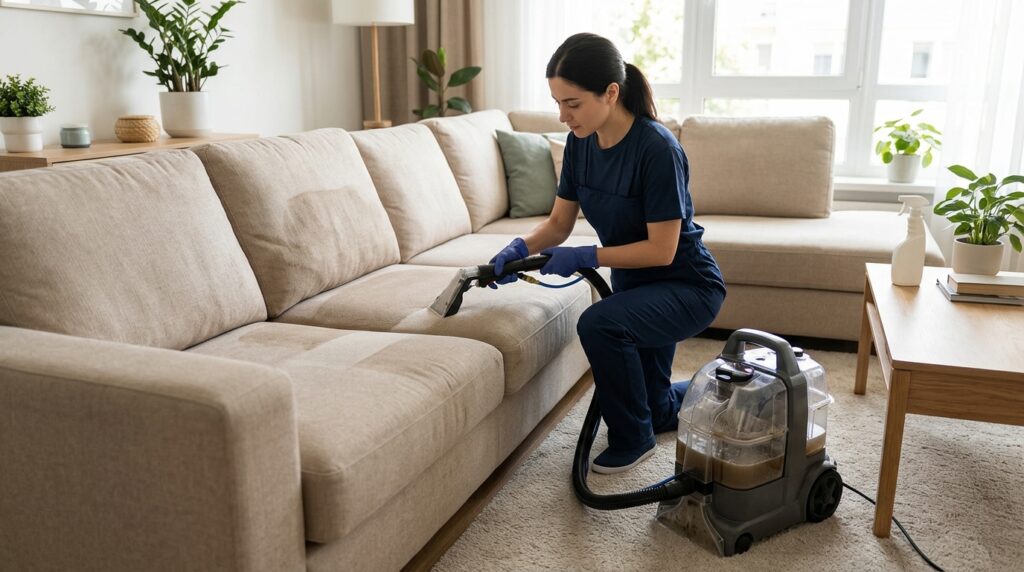
Leather brings warmth, texture, and unmistakable character to a living room. In Elizabeth, New Jersey—where busy commutes, seasonal humidity, and family life converge—a leather sofa can take on soils, body oils, and sunlight exposure that gradually dull its finish. Proper cleaning and conditioning restore suppleness, even color, and the soft sheen that makes leather special. This guide explains how to care for different leather types, avoid common mistakes, and choose maintenance routines that fit your home. If you prefer to partner with a local expert, explore reputable sofa cleaning providers who understand leather finishes and use products formulated to protect your investment.
Know Your Leather: Types and Finishes
Leather is not one-size-fits-all. The right method depends on how the hide was processed and protected:
- Aniline: Dyed through and minimally protected, this leather feels natural and luxurious. It is also more absorbent and sensitive to spills and UV exposure.
- Semi-aniline: Offers a balance of comfort and protection, with a light topcoat that wards off stains while preserving a soft hand.
- Pigmented (protected) leather: Features a durable finish layer and uniform color, making it resilient for families and high-traffic rooms.
- Nubuck and suede: Sanded or buffed for a velvety nap, these are beautiful but sensitive to moisture and require meticulous care.
Because each type behaves differently, testing in an inconspicuous area is essential before any cleaner or conditioner touches the surface.
What Threatens Leather in Elizabeth Homes
Several everyday factors gradually break down finishes and dry out hides:
- Body oils and lotions: Repeated contact can darken armrests and headrests.
- Sunlight and heat: South-facing windows and heat vents speed up fading and dehydration.
- Humidity swings: Summer mugginess and winter dryness both influence how leather holds moisture, potentially causing stiff or wavy panels.
- Dust and particulates: Grit works into pores, dulling the finish and accelerating wear.
Cleaning Leather the Right Way
Gentle, methodical cleaning preserves both color and feel. Here is a safe, step-by-step approach for most protected leathers; always adjust based on finish:
- Dry dusting and vacuuming: Use a soft brush attachment to lift dust from creases and seams.
- Spot evaluation: Identify darkened areas, spills, or ink marks. Ink requires specialized products—avoid household solvents.
- Mild cleaning solution: Apply a pH-balanced leather cleaner to a microfiber cloth, not directly to the sofa. Work in small sections with light pressure.
- Blot, do not scrub: Agitation can scuff the finish. Keep strokes gentle and even.
- Wipe residue: Follow with a slightly damp cloth to remove leftover cleaner.
- Allow to dry: Let the leather air dry away from direct heat.
Conditioning: The Secret to Supple Leather
Conditioners replace essential oils that evaporate over time, preventing surface cracking and stiffness. Choose a product formulated for your finish and test carefully. Apply sparingly with a soft cloth, then buff lightly to even out the sheen. Most households in Elizabeth benefit from conditioning two to four times a year, adjusting for sun exposure and usage.
High-Use Zones Need Extra Attention
Armrests, seat edges, and headrests collect the majority of soils. Cleaning these areas more frequently—and conditioning them slightly more often—keeps the overall appearance uniform. Rotate cushions and switch up common seating spots to distribute wear.
Dealing with Common Leather Stains
- Food and beverage spills: Blot promptly with a clean, dry cloth. Avoid saturating the leather. Follow with a light pass of appropriate cleaner if needed.
- Oily marks: Sprinkle a tiny amount of absorbent powder on protected leather, allow it to sit briefly, and gently wipe away before a targeted clean.
- Ink: Professional-grade ink removers designed for leather are often the safest option. Test carefully and avoid household alcohols.
- Pet accidents: Blot immediately and follow with a specialty cleaner. Address lingering odors at the cushion core if necessary.
Myths That Can Damage Your Sofa
- Using household wipes: Many contain chemicals that strip protective finishes and leave dull patches.
- Olive oil as a conditioner: Food oils can oxidize, darken, and become sticky, attracting dirt.
- All-purpose cleaners are fine: They often are not pH-balanced for leather and can degrade finishes.
- More conditioner is better: Over-conditioning can leave a greasy residue and uneven sheen.
DIY Maintenance Schedule for Elizabeth, NJ
- Weekly: Dust and lightly vacuum, especially seams and creases.
- Monthly: Wipe with a recommended leather cleaner if the finish allows; spot-clean high-use zones.
- Seasonally: Condition appropriately, increase frequency during dry winter months or in sunlit rooms.
- Annually: Inspect for color changes, seam stress, and cushion deformation; address issues early.
When to Call a Professional
Some leather challenges benefit from expert tools and experience—stubborn ink marks, persistent odors, or delicate aniline finishes. Technicians trained in upholstery identification can match cleaners and conditioners to your sofa’s exact finish, balance moisture correctly, and even out color where possible. Midway through your planning, you might also compare reputable sofa cleaning teams that list leather-specific expertise and careful testing protocols.
Sunlight, Climate, and Placement
Elizabeth’s bright summers and cold winters create a cycle of expansion and contraction in natural materials. Protect your sofa by:
- Placing it away from direct sunlight or using UV-protective window coverings.
- Keeping it a few inches from heat vents and radiators.
- Using a humidifier in winter to reduce excessive dryness that can lead to micro-cracking.
Comfort and Aesthetics: Finishing Touches
After cleaning and conditioning, a gentle buff with a dry microfiber cloth restores a soft glow. Consider throw pillows with breathable covers and light-colored throws to minimize body oil transfer. These small steps support even aging and maintain that welcoming, lived-in elegance.
Frequently Asked Questions
-
Can I steam clean leather? Direct steam on leather is generally not recommended. Moisture and heat must be carefully controlled, and protected finishes can be disrupted. Use leather-specific products or consult a professional.
-
How often should I condition my sofa? Two to four times a year suits many homes, but sunlit rooms or high-use sofas may benefit from more frequent, light applications.
-
Will conditioning change the color? Quality conditioners are designed to maintain tone, but some darkening can occur on absorbent leathers. Always test in a hidden spot.
-
What about pet scratches? Minor surface marks on protected leather can sometimes be minimized with gentle buffing and the right products. Deeper scratches may require professional attention.
-
Is vinegar safe for leather? Vinegar is acidic and can disrupt finishes. Stick to pH-balanced products made for leather.
-
Why do headrests darken? Natural oils from skin and hair transfer over time. Regular gentle cleaning and strategic throws help prevent uneven darkening.
-
Can I use any conditioner? Match the product to your specific finish and avoid heavy, oily formulations that attract dust.
Bring Back the Beauty of Your Leather Sofa
If your leather feels dry, looks uneven, or has a few stubborn marks, a thoughtful cleaning and conditioning plan can make a dramatic difference. For tailored guidance and careful product selection, connect with local sofa cleaning specialists who respect the character of leather and help it age gracefully in your Elizabeth, NJ home.