
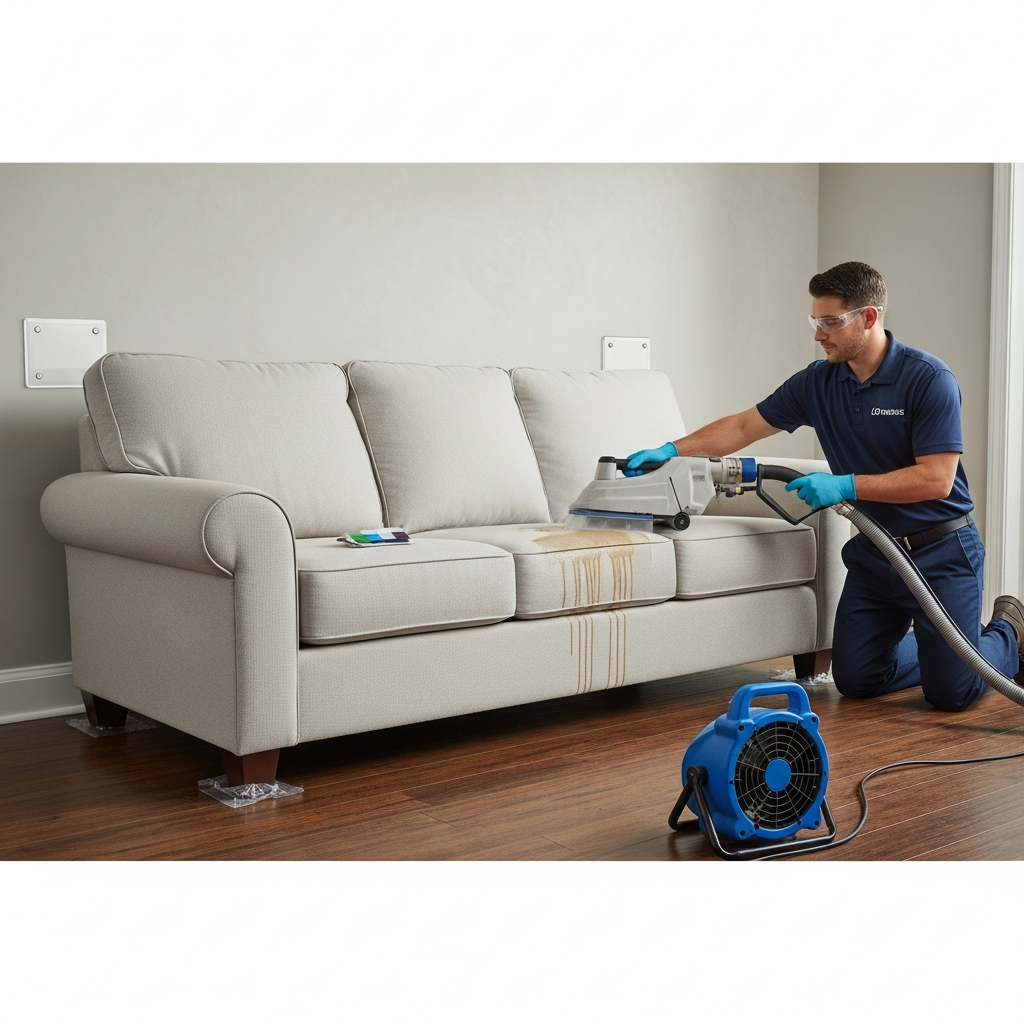
When your sofa anchors family life in Elizabeth, New Jersey, routine vacuuming and quick blotting only go so far. Over time, body oils, city dust, and winter residue settle deep into fibers and foam. Professional help can restore feel, color clarity, and freshness while protecting delicate weaves. This guide explains how services work, what to expect during appointments, and how to prepare your home so results last. If you prefer to blend DIY with expert care, many homeowners rely on targeted professional sofa cleaning for periodic deep refreshes without risking overwetting or residue.
Even though every home and fabric is different, reputable providers follow a structured, fabric-first approach. The best outcomes come from a careful balance of dry-soil removal, controlled application of solutions, and fast drying that leaves the fabric stable and the foam dry.
What Services Typically Include
- Inspection and testing: Technicians identify fiber types, dye stability, and construction details, then test solutions on hidden spots.
- Dry soil removal: Thorough vacuuming lifts grit and dust that can scratch fibers if wet.
- Pre-treatment: Targeted solutions for spills, body oils, and high-traffic arm and headrest zones.
- Main cleaning method: Depending on fabric, this might involve low-moisture encapsulation, hot-water extraction on W fabrics, or solvent procedures on S fabrics.
- Deodorizing: Light, fabric-safe deodorizers or neutralizers to address common household odors.
- Rapid drying: Air movers and moisture control to prevent rings and mustiness.
Good communication is key. A quick walk-through at the start sets expectations and flags any seam weaknesses, loose buttons, or color shifts that require special handling.
Understanding Fabric-First Decisions
Different textiles demand different approaches. A chenille with rayon blend might distort if overheated. Linen needs gentle moisture and fast air movement. Microfiber resists many stains but can mat if brushed too aggressively. Professionals adapt tool choice, solution strength, and dwell time to the specific fabric in your home.
Appointment Flow in an Elizabeth, NJ Home
- Arrival and protection: Floor protectors and corner guards keep your floors and walls safe.
- Assessment: The technician confirms the plan and answers questions.
- Dry vacuum and grooming: Soil is lifted so it does not become sludge during cleaning.
- Spot work: Trouble areas are pre-treated and gently agitated.
- Main clean: The selected method is applied uniformly, mindful of seam direction and nap.
- Neutral rinse and blot: Any residues are minimized to help fabrics stay clean longer.
- Accelerated drying: Fans and airflow help the piece dry promptly before you sit on it again.
In many Elizabeth apartments and townhomes, ventilation and space are limited, so strategic fan placement and open windows on a mild day can make a big difference in outcome.
Preparing Your Sofa and Room
- Clear access: Move side tables, lamps, and floor plants.
- Declutter cushions: Remove throws, toys, and remotes.
- Point out concerns: Show older stains, pet zones, or dye transfer areas from jeans or blankets.
- Secure pets: Keep pets comfortable in another room until the sofa is dry.
This preparation allows the technician to work efficiently and gives more time to focus on tricky areas rather than moving objects around.
Common Methods Explained
- Low-moisture encapsulation: A polymer solution surrounds soil and dries to a brittle residue that is vacuumed away later. Good for quick turnarounds and maintenance.
- Hot-water extraction on W fabrics: Carefully controlled water and temperature rinse soils from fibers, followed by strong vacuum recovery. Requires diligent drying.
- Solvent cleaning for S fabrics: Waterless solutions break down oily residues without swelling delicate fibers.
- Hybrid approach: Some pieces benefit from a dual process, combining targeted solvent work on arms with a low-moisture method on cushions.
The right choice depends on fiber stability, cushion construction, and how the sofa is used in your household.
What to Expect After the Visit
Expect the sofa to feel lighter and smell neutral, not perfumed. Fabric should dry thoroughly before heavy use. Use fans or open windows weather permitting. Replace throws and pillows after everything is completely dry to avoid trapping moisture. Maintain the results with weekly vacuuming and quick blotting for new spills.
Choosing a Provider in Elizabeth
- Ask about fabric testing: Responsible providers test solutions and colors before full application.
- Check method versatility: Ensure they offer more than one cleaning approach.
- Discuss drying strategy: Rapid drying is essential to avoid rings and odor.
- Request post-care guidance: Ask for fabric-specific maintenance tips you can follow between visits.
Reputable companies also note any preexisting wear areas like sagging cushions or seam strain and document them before starting.
Timing and Maintenance Rhythm
Busy Elizabeth households often schedule a deep service before holiday hosting, another in early spring after road grit season, and regular DIY upkeep the rest of the year. This cadence preserves fibers and keeps living rooms guest-ready without constant effort.
Protecting Results Between Appointments
- Rotate cushions monthly to even out wear.
- Use washable throws in high-contact zones.
- Vacuum seams and crevices weekly.
- Address new spills within minutes and avoid rubbing.
Proactive habits reduce the need for intensive spot work later and keep colors vibrant.
Red Flags During Service Selection
- One-size-fits-all promises regardless of fabric type
- No pretesting procedure
- Reluctance to discuss drying plans
- Overuse of heavily scented deodorizers to “cover” odors
Clear, fabric-aware methods produce consistent, safe outcomes. If something sounds too aggressive for your textile, ask for an alternative approach.
Integrating DIY and Pro Care
Pair weekly vacuuming and prompt blotting with periodic expert treatments to handle embedded oils and deep foam issues. Some homeowners schedule light maintenance services more frequently, while others choose a single comprehensive visit each year. Midyear, you might top off home care with a focused professional sofa cleaning to reset odors and texture without changing your routine drastically.
FAQ
Q: How long does a typical appointment take? A: It varies with size, fabric, and soil levels. Many standard sofas are handled within a few hours including drying acceleration.
Q: Will the cleaning change the feel of my fabric? A: When done properly, fibers should feel refreshed, not stiff. Residue control and proper rinsing protect hand-feel.
Q: Is solvent work safe indoors? A: Trained technicians manage ventilation and use products designed for upholstery. They also keep application targeted and brief.
Q: Can older water rings be removed? A: Often, yes, with controlled re-wetting and feathering or with solvent approaches, depending on the fabric code and dye stability.
Q: How soon can I sit on the sofa again? A: After the surface is fully dry. Air movement helps speed readiness and protects seam integrity.
Q: Do I need to move the sofa? A: Clear the surrounding area for access. Moving the piece depends on its weight and the technician’s plan; some cleaning is done in place.
Q: What if my sofa has a care tag X? A: Vacuum-only pieces need specialized approaches. Discuss options; aggressive DIY methods are not recommended.
Ready to Refresh Your Elizabeth, NJ Sofa?
Protect your fabric’s color, shape, and comfort with an approach tailored to your home. When you want a thorough, fabric-safe result that pairs with smart weekly habits, book professional sofa cleaning and enjoy a living room that looks and feels welcoming season after season.