
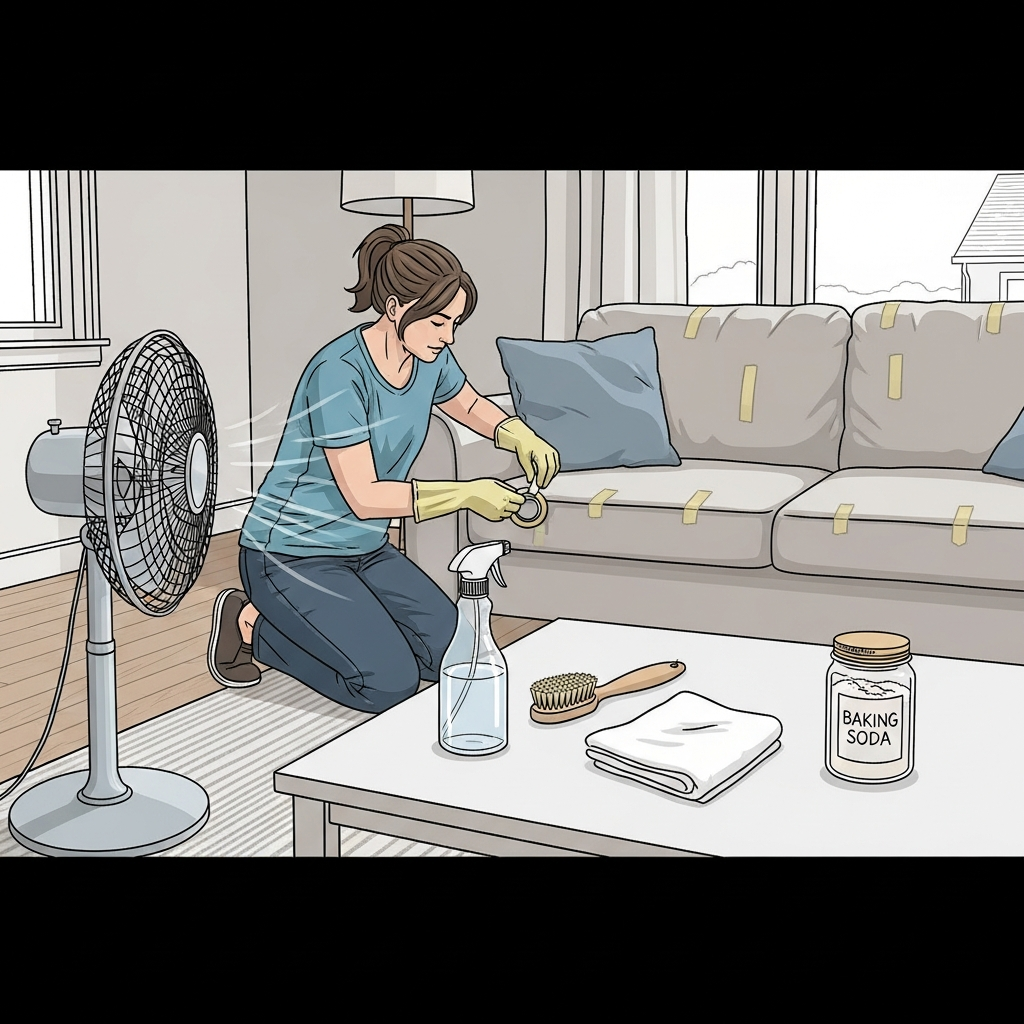
A clean, comfortable sofa sets the tone for your entire living room, whether you are hosting friends in Elizabeth, New Jersey or enjoying a quiet night at home. This step-by-step guide walks you through a safe, methodical process that works for most fabrics and living situations, with special attention to the area’s climate and common household challenges. If you want to pair careful DIY with periodic expert help, you can fold in professional-grade sofa cleaning at key times of the year without disrupting your routine.
Approaching the job in stages helps you avoid the classic pitfalls: overwetting, scrubbing, and uneven drying. The steps below prioritize fabric identification, dry soil removal, targeted spot work, uniform cleaning, and controlled drying.
Step 1: Identify Fabric and Care Codes
Locate the care tag under cushions or along a seam. The codes guide product choice and moisture limits:
- W: Safe for water-based cleaners
- S: Use solvent-based products only
- WS/SW: Either water-based or solvent products with care
- X: Vacuum only; no liquid or solvent cleaning
Write the code down so you do not forget as you move from step to step. When in doubt, test a hidden area first.
Step 2: Assemble Tools
- Vacuum with upholstery and crevice attachments
- Soft upholstery brush and lint roller
- White microfiber cloths
- Spray bottle for distilled water
- Mild detergent or upholstery shampoo (W/WS)
- Upholstery-approved solvent (S)
- Baking soda
- Fans for drying
In Elizabeth’s humid months, a box fan or dehumidifier can be as important as the cleaner itself because complete drying prevents rings and musty odors.
Step 3: Dry Soil Removal
Vacuum slowly and methodically. Use the crevice tool to reach seams and the frame edge. Brush the nap in both directions and run a second vacuum pass. This step protects fibers when you later apply moisture to W or WS fabrics.
Step 4: Map Trouble Zones
Arms, headrests, and front cushion edges tend to collect body oils and dyes from clothing. Mark these areas mentally or with painter’s tape to ensure even attention during pre-treatment.
Step 5: Pre-Treat Stains
- W/WS fabrics: Mix a small amount of mild detergent with distilled water. Lightly dampen a cloth and blot stains from the outside inward.
- S fabrics: Apply a tiny amount of approved solvent on a cloth or swab; work gently.
- Unknown areas: Test first. If color transfers to the cloth, stop and adjust your plan.
Allow pre-treatments a few minutes of dwell time, but do not let them dry completely before blotting away loosened soil.
Step 6: Main Cleaning Pass
For W/WS fabrics, lightly mist your cloth with a diluted cleaner and wipe in overlapping sections, following the fabric grain. Avoid saturation. For S fabrics, continue targeted solvent work, keeping application minimal and uniform. The objective is consistent cleaning with minimal moisture.
Step 7: Rinse Blot and Residue Control
On W/WS fabrics, follow with a separate cloth slightly dampened with distilled water to remove detergent residue. This keeps fibers from becoming sticky and re-soiling quickly. On S fabrics, finish with dry blotting to remove any remaining product.
Step 8: Odor and Nap Care
Lightly sprinkle baking soda across cushions and the back, wait 30–45 minutes, then vacuum. If the fabric has a nap (like velvet or microfiber), lightly brush in one direction to even out the appearance while it dries.
Step 9: Drying and Ventilation
Position a fan on low across the room to move air without blasting the fabric. Crack a window on a mild day. In winter, run the HVAC fan. Full drying is the safety net that prevents water marks and keeps foam fresh.
Step 10: Cushion Rotation and Protection
Flip and rotate cushions so wear evens out. Add a washable throw on high-contact areas when hosting game nights or movie marathons.
Seasonal Strategy for Elizabeth Households
- Early spring: Remove winter grit from boots and coats that has settled into seams.
- Late summer: Address pollen and humidity-related odors before the school year.
- Pre-holiday: Quick refresh before guests arrive, focusing on arm and cushion fronts.
Aligning your deeper sessions with local seasons maximizes benefits while minimizing effort.
Special Situations
- Gum or wax: Harden with an ice cube in a bag, then lift gently with a dull knife before spot cleaning.
- Ink: On S fabrics, use a tiny amount of solvent on a swab, dabbing lightly; for W fabrics, test a fabric-safe remover first.
- Water rings: Feather edges with a barely damp cloth and blot dry, repeating lightly if needed.
Move slowly and avoid scrubbing, which can distort fibers and leave shine marks.
Quick Maintenance Checklist
- Vacuum weekly; more often during heavy shedding or pollen days.
- Spot treat spills immediately according to the care code.
- Deodorize monthly with baking soda and a slow vacuum after.
- Rotate cushions monthly for even wear.
- Use airflow after any wet work to guarantee dryness.
These habits keep the sofa feeling fresh and resilient, even in a high-traffic household.
When to Bring In the Pros
If stains keep returning, if you notice nap distortion, or if the piece holds a persistent odor, consider a professional visit. Experts can control moisture precisely, lift oils from deep foam, and guide you on fabric-specific aftercare. A midyear professional sofa cleaning often resets the fabric so your routine maintenance stays easy for months.
FAQ
Q: How do I know if my sofa can handle water-based cleaning? A: Check for a W or WS code. If the tag is missing, test a hidden area, or consult a professional for fiber identification.
Q: Can I steam clean any upholstery safely? A: No. Steam can swell and distort delicate fibers and cause dye bleed on some weaves. Follow the care code strictly.
Q: What is the safest way to remove odors? A: Dry methods like baking soda and thorough vacuuming are gentle and effective. Ensure complete drying after any wet steps.
Q: How long should drying take? A: With airflow, many light cleanings dry within a few hours. Heavier fabrics or humid days may require more time.
Q: Do removable covers guarantee machine washing? A: Not necessarily. Some blends require hand washing or special care even if they zip off.
Q: What if I cannot identify the fabric? A: Choose the least aggressive route: vacuum, dry deodorizing, and professional assessment for stains.
Q: How do I keep cushions from losing shape? A: Rotate often, avoid sitting on edges, and fluff inserts by hand during your weekly routine.
Bring Your Elizabeth Sofa Back to Life
With a clear, step-by-step plan, you can protect color, texture, and comfort while avoiding the most common mistakes. For deeper refreshes that work hand in hand with your routine, book trusted professional sofa cleaning and enjoy a living room centerpiece that stays clean, supportive, and inviting all year long.