
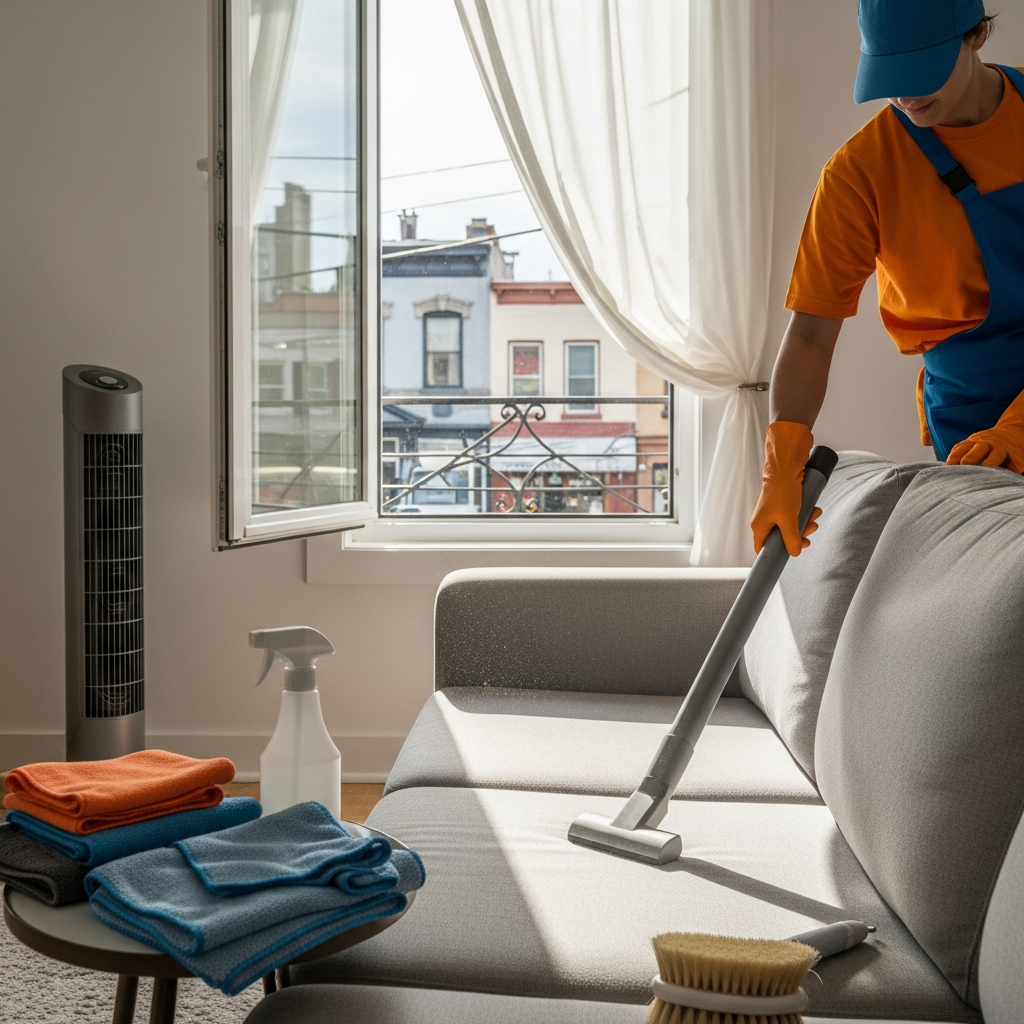
Keeping a sofa looking, smelling, and feeling great is one of the most satisfying parts of home care, especially in a place like Elizabeth, New Jersey, where busy schedules, changing seasons, and active households test upholstery daily. This guide walks you through everything you need to know to maintain a spotless, fresh, and long-lasting sofa, from fabric identification and stain strategy to drying, deodorizing, and routine upkeep. Whether you share your living room with kids, pets, guests, or movie-night snacks, these methods will help you clean with confidence and protect your investment. If you decide at any point that a professional touch would help, you can explore trusted sofa cleaning services for deeper restoration and fabric-specific care.
Elizabeth’s climate brings humid summers, cold winters, and everything in between. That means your sofa can collect grit from wet shoes, static-charged dust, sticky residues from heating systems, and airborne moisture that encourages odors. Taking a methodical approach—starting with fabric identification, then dry soil removal, targeted spot treatment, and safe rinsing—will give you better results in less time and with less risk to your upholstery.
Know Your Upholstery Fabric First
Every effective cleaning plan starts with the fabric. Most sofas include a tag with codes that guide safe methods:
- W: Water-based cleaning is safe.
- S: Solvent-based cleaning only; avoid water-based solutions.
- WS or SW: Water- or solvent-based cleaners are acceptable.
- X: Vacuum or light brushing only; professional-only cleaning is recommended.
If your tag is missing, test cautiously. Pick a hidden spot and lightly blot with a white cloth dampened with distilled water to check colorfastness. For delicate natural fibers like linen, cotton, or wool, keep moisture low and use light agitation. For synthetics like polyester, acrylic, or microfiber, you typically have more flexibility but still want to avoid over-wetting and aggressive scrubbing.
Essential Tools and Supplies
Gather what you need before you begin. Having the right tools helps you work efficiently and prevents setting stains or damaging fibers.
- Vacuum with upholstery tool and crevice attachment
- Soft-bristle brush or upholstery brush
- White microfiber towels or lint-free cotton cloths
- Spray bottles for distilled water and diluted cleaner
- Mild upholstery shampoo or fabric-safe cleaner (matched to fabric code)
- Solvent-based spot cleaner for S-only fabrics
- Enzyme-based deodorizer for organic odors (check compatibility)
- Isopropyl alcohol (often used cautiously on microfiber)
- Clean buckets for rinse water (when applicable)
- Fans for faster drying and ventilation
Pre-Cleaning Inspection and Preparation
Before you vacuum or spot clean, take a few minutes to inspect the sofa thoroughly. Look for discoloration, wear spots, loose threads, or seam damage. Identify high-traffic zones like armrests, headrests, and cushion fronts. Remove blankets, throws, and pillows. If your cushions are reversible, note the orientation so you can rotate them after cleaning to even out wear.
Always work from the top down so soil doesn’t drip onto areas you have already cleaned. Open a window or run a fan to improve airflow and speed up drying, especially during humid New Jersey summers.
Dry Soil Removal: The Non-Negotiable First Step
Vacuuming is the most important part of sofa care. Dry soil—grit, dust, skin cells, pet hair—acts like sandpaper against fibers, dulling color and weakening threads. Use deliberate, overlapping strokes with your upholstery tool. Then switch to the crevice tool to get into seams, tufting, and under cushions. A light brushing can help lift embedded soil so your vacuum can capture it.
For pet hair and lint, a slightly damp rubber glove or a fabric-safe lint brush can help roll debris into clumps that are easier to remove. Take your time on this step; it sets the stage for everything that follows.
Spot Treatment Strategy
Stains are easier to remove when you identify the source and treat promptly. For water-safe fabrics, lightly mist a mild cleaner onto a cloth and blot the spot, working from the outside in to prevent spreading. Never oversaturate. For oily stains, a little solvent-based cleaner on a cloth can help dissolve residues before blotting. For protein-based stains like milk, sweat, or food residues, an enzyme-based cleaner can break down organic matter, but test carefully first.
Always avoid scrubbing. Blot, lift, and repeat. Use a fresh white cloth as the stain transfers so you can track progress and avoid re-depositing soil. Rinse by blotting with a cloth lightly dampened with distilled water to remove cleaner residues that could attract new dirt.
General Cleaning: Low-Moisture Methods
For routine maintenance, focus on low-moisture approaches that are less likely to cause rings, browning, or shrinkage:
- For W or WS fabrics: Lightly mist a diluted upholstery shampoo on a cloth, then wipe in small sections. Immediately follow with a damp cloth to rinse and a dry cloth to absorb moisture.
- For S fabrics: Use a fabric-safe solvent cleaner. Apply to a cloth—not directly to the sofa—and wipe gently. Ventilate the room well.
- For microfiber: Many respond well to isopropyl alcohol applied lightly to a cloth and gently wiped. After drying, fluff fibers with a soft brush.
Work in manageable panels like inside arm, outside arm, cushion tops, cushion sides, and backrest. Keep your cloths rotating so you are always lifting soil, not spreading it.
Deodorizing Without Over-Wetting
Odors in upholstery often come from absorbed spills, pet activity, or environmental moisture. After cleaning and rinsing, apply an enzyme-based deodorizer appropriate for your fabric. Mist onto a cloth and blot rather than soaking the fabric. For S-only fabrics, choose a compatible solvent-based deodorizing option. Improve airflow with fans and open windows to help odors dissipate.
Drying and Grooming
Proper drying prevents water marks and musty smells. Use fans and circulate air across the sofa, not directly at one spot. Stand cushions on their edges to maximize airflow. Blot any areas that look wetter than others to even out moisture. Once dry, brush nap fabrics gently with a soft brush to restore a uniform texture and appearance.
Protecting High-Use Areas
Headrests, armrests, and cushion fronts bear the brunt of everyday use. Rotate cushions regularly, and consider washable slipcovers for zones that see regular contact with hair products, skin oils, or snacks. Place throw blankets strategically and wash them frequently to create a sacrificial layer that catches soil before it reaches the upholstery.
Seasonal Cleaning Plan for Elizabeth Homes
Because local weather swings from humid to heated to icy, a seasonal rhythm keeps your sofa in top form:
- Spring: Deep vacuum and a light overall cleaning to remove winter dust and heating residues.
- Summer: Target deodorizing and moisture control; run dehumidifiers or fans as needed.
- Fall: Remove pollen, pet dander, and dust tracked in during peak outdoor months.
- Winter: Focus on salt and grime near entryways that can transfer to upholstery.
When to Consider Professional Help
It is smart to call in experts for delicate fabrics, extensive staining, or when your sofa needs a full restorative clean that most homeowners cannot safely achieve. Skilled technicians perform fiber identification, colorfast tests, controlled application of preconditioners, mechanical agitation, hot water extraction or low-moisture encapsulation, and rapid drying. The goal is to remove embedded soil and residues while preserving color, hand, and shape. For comprehensive results and convenience, many Elizabeth residents integrate an annual professional visit into their routine. If you want to compare DIY to professional outcomes mid-project, review options for specialized sofa cleaning support and ask about fabric-specific care methods.
Common Stains and How to Handle Them
- Coffee or tea: Blot immediately with a white cloth. Use a mild cleaner on water-safe fabrics, then rinse. Avoid heat until fully removed.
- Wine or juice: Blot, never rub. Apply a light enzyme cleaner if compatible, then rinse.
- Oil or makeup: Use a small amount of solvent-based cleaner on a cloth and blot gently. Follow with a dry cloth to remove residue.
- Pet accidents: Blot, apply enzyme cleaner as directed, and allow dwell time. Rinse or solvent-wipe depending on fabric code. Deodorize and dry thoroughly.
- Mud: Let it dry completely, then vacuum and treat remaining discoloration with appropriate cleaner.
Mistakes to Avoid
- Skipping vacuuming before wet cleaning
- Scrubbing stains aggressively
- Over-wetting cushions or seams
- Using colored cloths that can transfer dye
- Mixing chemicals without testing compatibility
- Ignoring drying and ventilation
Maintenance Habits That Pay Off
Quick, consistent habits make a dramatic difference. Vacuum weekly, focusing on seams and under cushions. Spot treat immediately. Rotate cushions monthly. Keep a small caddy of tools—white cloths, a mild cleaner, a solvent spotter, and a soft brush—ready to deploy. These simple steps lengthen the time between deep cleanings and preserve a plush, even appearance.
Frequently Asked Questions
Q: How often should I deep clean my sofa? A: Vacuum weekly and perform a light overall cleaning every few months. Schedule a deeper restorative clean annually or as needed based on use and fabric.
Q: What if my sofa has no care tag? A: Test in an inconspicuous area. Start with the least aggressive method—vacuuming and gentle blotting with distilled water—before escalating to mild cleaners or solvents.
Q: Can I use steam on upholstery? A: Only if your fabric code and testing indicate it is safe. Many natural fibers and S-only fabrics do not respond well to steam or heavy moisture.
Q: How do I prevent water rings? A: Work in small sections, use minimal moisture, and ensure uniform drying with fans. Blot excess water immediately.
Q: What is the best way to handle pet odors? A: Use a compatible enzyme-based deodorizer after cleaning, allow dwell time, then dry thoroughly with good airflow.
Q: Why does my sofa look dull after cleaning? A: Residual detergent can attract soil. Rinse by blotting with a damp cloth and then dry. Groom nap fabrics with a soft brush.
Q: When should I call a professional? A: For delicate fabrics, extensive staining, color loss, or recurring odors. Professionals have the tools to lift deep soil safely and speed drying.
Ready for a Fresher Living Room
If your schedule is packed or your fabric needs special care, a trained technician can help you restore color, softness, and freshness with minimal disruption. When you are ready to reclaim comfort and confidence in your living room, explore expert sofa cleaning and enjoy a healthier, more inviting home in Elizabeth, New Jersey.