
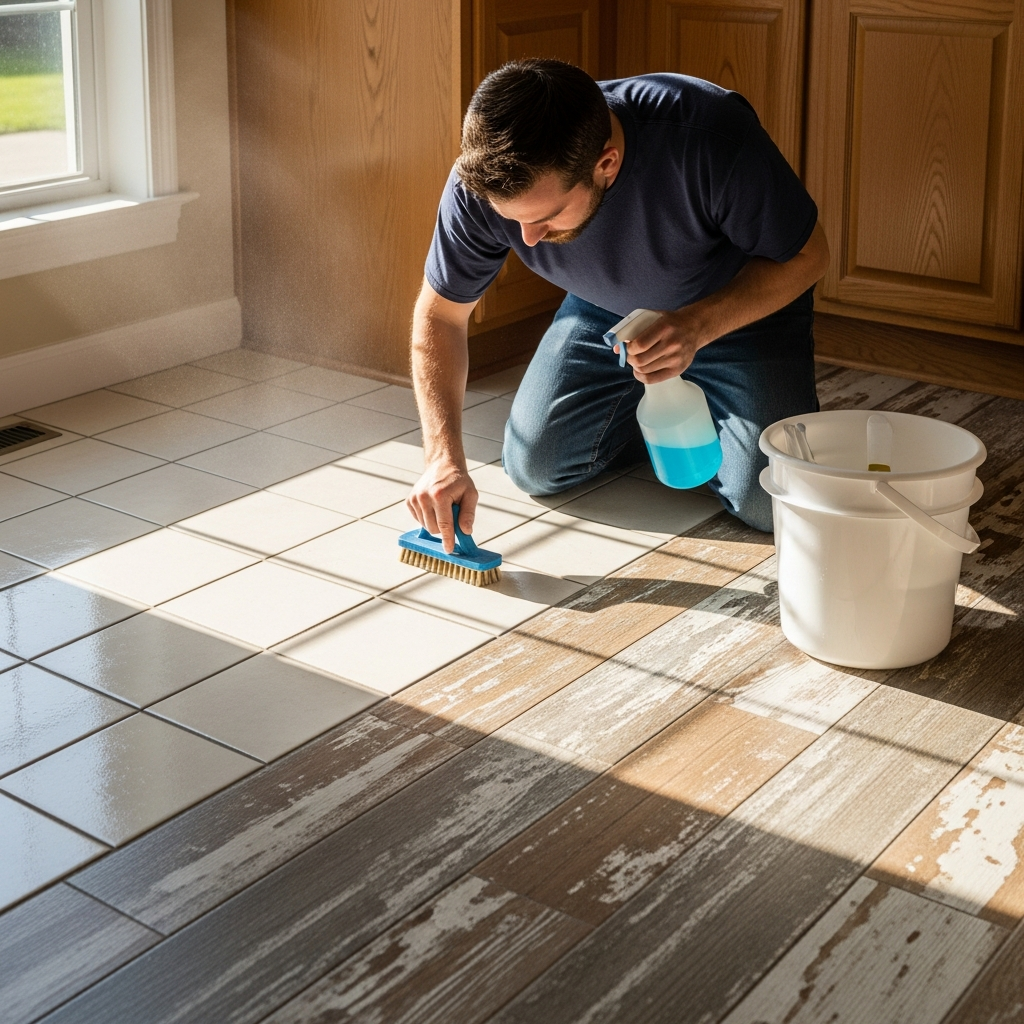
Looking for Tile and Grout Cleaning Near You in Elizabeth, New Jersey?
If you have been typing “tile and grout cleaning near me in Elizabeth, NJ” into a search bar, you already know how overwhelming it can be to sort through choices. Kitchens, bathrooms, entryways, and laundry rooms all take a beating in Union County’s changing seasons, and grout lines can trap grime faster than most homeowners expect. The good news is that with the right approach—whether you take on focused maintenance yourself or bring in a trusted local team—you can restore a bright, fresh look to your tile surfaces. If you are comparing options and want a reliable benchmark for quality methods, it helps to understand the fundamentals of tile and grout cleaning and what separates thorough, safe results from quick fixes.
In Elizabeth, older homes near Elmora and North Elizabeth may have classic ceramic squares, while newer condos downtown often feature porcelain planks and mosaics. Each surface needs slightly different care. This guide explains how professional methods work, when DIY is enough, what to ask a local provider, and how to keep grout protected so your floors and walls stand up to daily life, from snow-boot season to humid shore weekends.
Why Tile and Grout Need Specialized Attention
Grout is porous, meaning it acts like a sponge that absorbs spills, tracked-in residue, and even airborne oils from cooking. Over time, this accumulation dulls tile and darkens grout lines. Regular sweeping and mopping help, but many household methods leave a light film that gradually builds up. In bathrooms, steam and soap scum make it worse, encouraging mildew and hard-water deposits. In kitchens, grease can bind to soil and cling stubbornly to both grout and the micro-texture of tiles. In entryways, road grit from winter and foot traffic adds abrasion that can etch the surface if not removed properly.
Specialized cleaning combines targeted chemistry, agitation, and high-heat rinsing to break bonds and lift soil without damaging the substrate. Equally important, sealing clean grout helps lock out moisture and stains so your next cleanup is easier. When executed correctly, this two-step approach—deep clean plus protection—extends the life of your tile installations and keeps your home feeling fresh.
Elizabeth, NJ Conditions That Affect Tile and Grout
Local climate and lifestyle patterns influence how often you need attention. Winter brings de-icing salts and sand that get tracked indoors and ground into floors. Spring introduces pollen and moisture, which can cling to grout and encourage discoloration in showers. Summer humidity can make bathrooms feel damp; without proper ventilation, grout can darken more quickly. Fall tends to be busy with school and sports, adding repeated traffic over the same routes from the front door to the kitchen. In multi-family buildings and high-rises, hallways and elevator lobbies funnel soil into units whenever packages and groceries are carried inside.
Neighborhood construction and renovation work can also add fine dust that drifts under door sweeps. If you live near busy thoroughfares like Route 1&9 or the Turnpike corridors, airborne residue may be higher than in quieter residential streets, which is another reason periodic deep cleaning and sealing are smart preventive care.
DIY Versus Professional: How to Decide
For light maintenance, homeowners can keep surfaces under control with routine vacuuming, pH-neutral cleaner, microfiber mopping, and a soft-bristle brush for grout lines. In showers, a quick squeegee after each use slows buildup and reduces the need for vigorous scrubbing later. DIY efforts are most effective when soil is superficial and grout is already sealed.
It is time to consider professional help when you see persistent discoloration, sticky residues that reappear after mopping, or widespread haze. If grout has absorbed stains from coffee, wine, turmeric, cosmetics, or mildew, a deep restorative method can reset the surface much faster than prolonged home remedies. Professionals also assess whether you have natural stone, porcelain, or ceramic and adjust the approach so cleaning is effective without etching or dulling the finish.
What a Thorough Professional Cleaning Includes
A complete service typically starts with inspection and testing. The technician identifies tile type, grout condition, prior sealers, and any problem areas. Dry soil removal follows—vacuuming is essential to prevent grit from scratching during wet steps. Next comes targeted chemistry: a suitable alkaline or specialty pre-spray is applied to break down oils, soap residue, and embedded grime. Agitation with a brush or machine lifts soil from grout pores and tile texture.
After agitation, a controlled high-heat rinse or steam-based process extracts suspended soil. This is where professional equipment makes a big difference, as continuous heat and regulated pressure shorten dwell times and improve rinsing. Edges, corners, and transitions receive detail work so the entire field looks even. Once thoroughly rinsed and dried, the final step is sealing the grout (and stone, if applicable). Quality sealers help repel spills and make day-to-day cleaning more effective, preserving the brighter look you just achieved.
Tile Types Common in Elizabeth Homes
Ceramic tile is durable and popular in older kitchens and baths. Porcelain is denser and common in new builds; its low porosity can still trap film on the surface texture if not rinsed well. Natural stone—such as marble, travertine, or slate—appears in some upscale remodels. Each of these materials responds differently to chemistry and heat. For example, acidic cleaners should not be used on calcareous stone like marble, because they can etch the surface. Meanwhile, textured porcelain may require mechanical agitation to release soil from micro-edges.
Grout types also vary. Traditional sanded grout is common on wider joints, while unsanded grout appears on tighter joints and walls. Epoxy grout is more stain-resistant but still benefits from proper cleaning to prevent surface haze. Knowing the specifics helps tailor a safe, effective plan.
How to Choose a Local Provider You Can Trust
Selecting the right help is easier when you have a short list of essentials. Consider these points as you evaluate options in Elizabeth and neighboring towns:
- Method transparency: Can the provider explain their process, chemistry, and equipment in terms you understand?
- Material knowledge: Do they ask what kind of tile and grout you have before recommending an approach?
- Inspection-first mindset: Are they prepared to test cleaners, identify sealant status, and spot potential issues?
- Attention to detail: Do they address edges, corners, and transitions rather than only open floor areas?
- Sealing guidance: Will they discuss suitable sealers, cure times, and aftercare instructions?
- Scheduling and preparation: Do they outline how to prep the area and how long spaces will be off-limits?
During your research, compare providers based on clarity and credibility rather than speed alone. In the middle of your evaluation, it helps to ground your comparisons in proven practices used by specialists who focus on tile and grout cleaning day in and day out, so you can judge recommendations against a consistent standard.
Preparing Your Home Before the Appointment
Preparation makes the service smoother and faster. Declutter floors and counters so technicians can reach all surfaces. Sweep or vacuum to remove loose debris. Secure pets and plan for family movement around wet areas. If possible, clear small furniture and rugs. In bathrooms, remove toiletries from floors and shower niches. Note any areas of concern you want addressed first, such as a breakfast nook that catches morning spills or a shower corner prone to spotting.
Ask about parking requirements for equipment and whether nearby outlets are needed. High-rise residents may want to coordinate elevator access. These small logistics help ensure the work proceeds efficiently and with minimal disruption.
Aftercare: Keeping Tile and Grout Fresher for Longer
Once your grout is clean and sealed, support the results with a simple routine. Dry soil is the enemy of gloss and clarity, so vacuum or dust-mop frequently. Use a pH-neutral cleaner and a damp microfiber mop; avoid over-wetting. For kitchens, promptly wipe spills from coffee, juices, and cooking oils. In showers, run exhaust fans during and after use and consider using a squeegee on walls and glass. If you notice wet footprints lingering on tile, swap to a clean mop head so you are not re-depositing residue.
Inspect grout quarterly. If you see darkening where water pools or spills occur, clean and re-seal those areas sooner rather than later. Remember that heavy scrubbing with harsh pads can scratch tiles and open grout pores, making future soil harder to remove.
Common Problems and Smart Fixes
Sticky floors after mopping usually point to cleaner residue—either too much product or insufficient rinsing. Switch to a neutral cleaner and use fresh water to rinse. Hazy porcelain may indicate mineral film; test a manufacturer-approved cleaner for tile type. Mildew in shower grout suggests insufficient ventilation or persistent moisture; improve airflow and keep surfaces dry between uses. Cracked or missing grout lines should be repaired before cleaning and sealing so the protective work has a stable base.
Pets add another layer: tracked litter, hair, and water bowl splashes. Place mats near feeding areas and use a more frequent vacuum schedule. In entryways, set out boot trays in winter and rugs with non-staining rubber backings to limit transfer to tile.
Seasonal Considerations in Elizabeth
Winter salt and sand demand more frequent dry soil removal, and a gentle alkaline cleaner can help release oily residues when the season ends. Spring cleaning often focuses on bathrooms where humidity and heat combine; this is a great time to re-seal grout after a thorough clean. Summer’s higher humidity means paying attention to ventilation—keep fans running and doors cracked in bathrooms after showers. In the fall, as sports and school activities ramp up, schedule a quick maintenance clean to handle increased traffic before holiday entertaining.
Healthy Home Benefits
Clean grout reduces places where allergens and bacteria can linger. Kitchen tiles that are free of film are safer surfaces for meal prep zones. Bathrooms that shed water quickly stay brighter and smell fresher. For families with small children crawling on floors or for aging adults concerned about hygiene, the peace of mind that comes from consistently clean tile is meaningful. While tile is often chosen for its durability, it delivers its best performance when maintained with a plan rather than occasional emergency scrubs.
FAQs: Tile and Grout Cleaning in Elizabeth, NJ
Q. How often should grout be professionally cleaned? A. Frequency depends on traffic, pets, ventilation, and maintenance habits. Many homes benefit from a deep clean annually, with routine care keeping things fresh in between. High-traffic kitchens or busy bathrooms may appreciate touch-ups sooner.
Q. Do I need to seal grout after cleaning? A. Sealing is a smart step for cementitious grout because it helps repel liquids and slow staining. Epoxy grout is more resistant, but sealing surrounding stone or addressing haze can still be helpful.
Q. Can I use vinegar on tile and grout? A. On ceramic and porcelain tile, diluted vinegar is sometimes used for film removal, but it is not recommended for natural stone or for regular use because repeated acid exposure can dull finishes and compromise grout. A pH-neutral cleaner is safer for routine maintenance.
Q. How long before I can walk on floors after cleaning and sealing? A. Light foot traffic is often possible once the surface is dry to the touch, but sealing products need additional cure time. Follow your technician’s guidance for best results and avoid moisture during the initial curing window.
Q. What about mold in shower grout? A. True mold requires moisture and nutrients. Improving ventilation, using a squeegee, and periodic deep cleaning remove the conditions that support growth. If staining persists, specialized treatment and sealing can make ongoing maintenance easier.
Q. Will high-pressure methods damage grout? A. Responsible use of heat and rinsing, paired with proper chemistry and agitation, is designed to be safe for intact grout. The goal is to lift soil, not blast joints. A skilled technician will choose settings appropriate for your materials.
Ready to Refresh Your Tile in Elizabeth?
When your grout lines look tired and tile has lost its shine, a methodical deep clean followed by the right sealer can transform your space. From Elmora to Midtown, residents appreciate solutions that fit busy schedules and deliver durable results. If you are ready to reclaim bright kitchens and sparkling baths, reach out to a trusted local team that treats your surfaces with care, explains each step, and leaves you with clear aftercare guidance. Start your path toward long-lasting results by exploring expert tile and grout cleaning and enjoy a fresher, healthier home.