
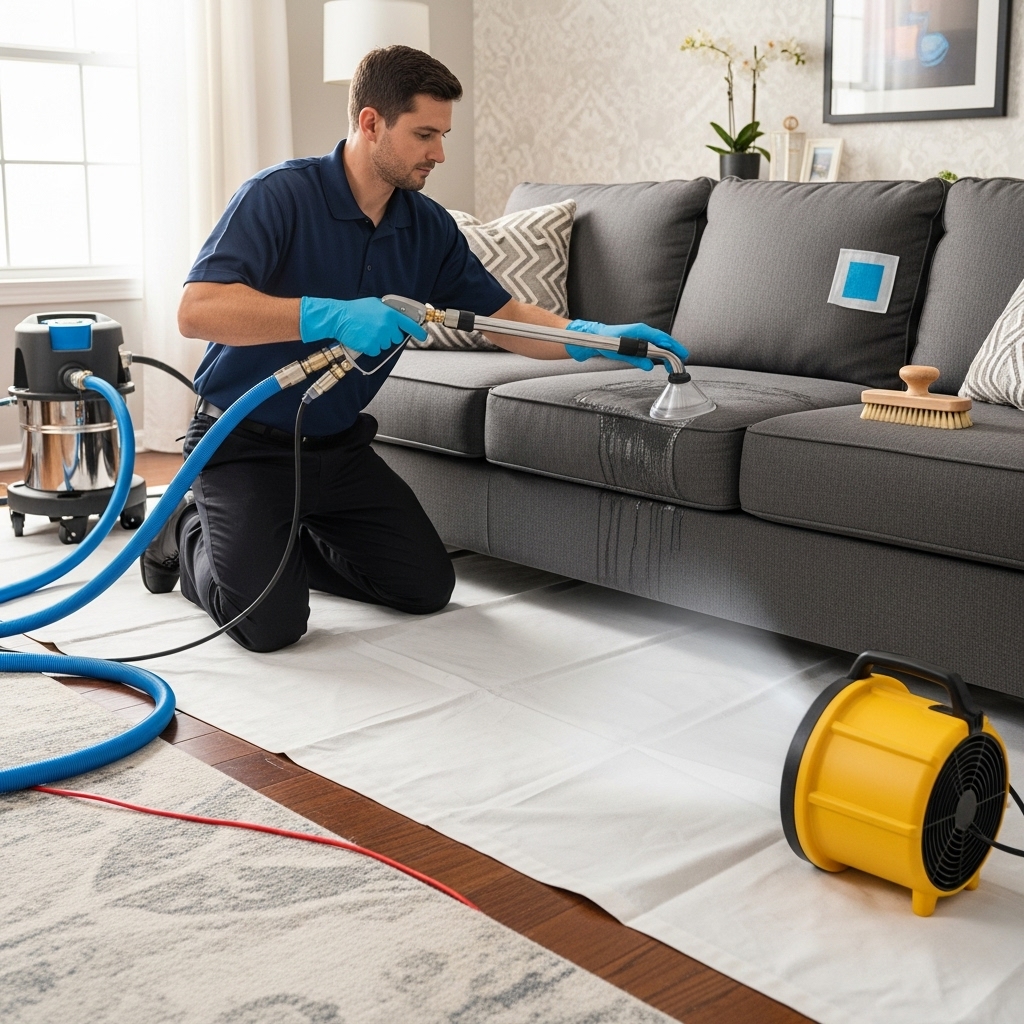
A clean sofa changes the feel of an entire room. It sets the tone for comfort, improves indoor air quality, and restores color and texture that daily life slowly dulls. In Elizabeth, New Jersey—where apartments, row homes, and single-family houses each pose different space and ventilation challenges—successful sofa care means understanding both the factors that influence overall cost and the precise steps that deliver safe, lasting results. This guide explains how pros approach fabric testing, soil removal, rinsing, and drying, and it also helps you anticipate what shapes the investment required for thorough upholstery cleaning without getting lost in confusing industry jargon.
Whether you live near Midtown, Elizabethport, or the residential streets of Elmora, the same principles apply: match the method to the fabric, control moisture, and finish with careful grooming and airflow. Do that, and your sofa looks brighter, feels softer, and stays cleaner longer.
Key factors that influence overall cost
Every sofa is different. Instead of focusing on a single number, consider the variables that shape the scope of work required to restore your piece responsibly.
- Fabric type: Linen, cotton, wool, microfiber, polyester, leather, and sensitive fibers like rayon or viscose each demand specific chemistry and moisture levels.
- Construction complexity: Tufting, channeling, welted seams, attached cushions, and decorative trim increase time for testing and careful handling.
- Soil level and stains: Body oils, beverage tannins, pet accidents, and dye transfer from clothing require targeted, often multi-step treatment.
- Odor concerns: True deodorization goes beyond fragrance and calls for neutralizers or enzyme work paired with thorough extraction.
- Access and setup: High floors, elevator logistics, parking limitations, and room layout can add protective setup and transport time.
- Drying management: Extra air movement, cushion separation, and grooming for pile fabrics keep results even and reduce the chance of wicking.
- Optional protector: Post-clean protector can help repel spills and delay re-soiling on high-use seating.
When you discuss these elements ahead of time, you receive a clearer explanation of what your sofa needs and why the plan looks the way it does.
The professional cleaning sequence, step by step
A disciplined process is the best safeguard against common issues like water rings, browning, or lingering odors. Here is how a thorough sofa appointment typically unfolds in Elizabeth homes:
- Pre-inspection and testing: The technician identifies fiber type and performs dye-stability tests in inconspicuous areas, noting any previous DIY attempts or damage.
- Dry soil removal: A careful pre-vacuum with upholstery tools lifts dust, dander, and grit from seams, crevices, and cushion surfaces.
- Targeted pre-treatment: Spots and high-contact zones such as arms and headrests receive fabric-appropriate solutions with measured dwell time.
- Agitation: Gentle brushing or towel work distributes the solution and raises soils to the surface for easier extraction.
- Primary cleaning method: Depending on fabric and testing, the pro uses hot water extraction, low-moisture encapsulation, or a dry-solvent approach.
- Rinse and neutralization: Balanced rinses remove cleaning residues and help prevent browning or stiff hand feel.
- Detail spotting: Remaining stains—tannins, dye transfer, ink—get specialty treatment, carefully tested each step of the way.
- Deodorization: Functional odor treatments target sources, not just cover scents.
- Drying acceleration: Multiple extraction passes, cushion stand-up, air movers, and grooming align fibers and promote even drying.
- Final walk-through: You and the technician review results and set aftercare expectations.
Fabric-specific considerations
Different fibers require different guardrails. Here are practical notes you can use to evaluate any plan put forward for your sofa:
- Linen and cotton: Prone to water rings and browning without pH control. Ask how the pro limits moisture and prevents rings along arm rests and cushion edges.
- Microfiber and polyester: Durable but hold onto oils; look for an effective yet gentle degreasing step followed by thorough rinsing.
- Rayon and viscose: Sensitive to agitation and water. These may call for very low moisture or dry-solvent methods and extra care during drying.
- Wool blends: Benefit from mild, wool-safe solutions and controlled temperatures to avoid felting or texture changes.
- Leather: Needs separate cleaning and conditioning steps; don’t treat it like fabric.
Drying and appearance management
Drying is not an afterthought; it’s half the result. Cushion cores need to release moisture evenly to avoid odor or marks. Pros groom nap fabrics, separate cushions to promote airflow, and may suggest running ceiling or box fans. Avoid direct sunlight on freshly cleaned pieces to protect dyes.
Why residue-free matters for long-term cleanliness
Residue attracts soil. If you’ve ever felt a slightly sticky armrest a week after a DIY session, you’ve seen this principle at work. Balanced rinses and neutralization leave the sofa feeling soft and reduce quick re-soiling. That’s one reason periodic professional visits remain valuable even if you maintain your furniture diligently between deep cleanings.
Maintenance that keeps sofas cleaner longer
- Vacuum weekly with the upholstery tool, paying special attention to seams and under cushions.
- Rotate and flip cushions when possible to even out wear.
- Blot spills immediately instead of rubbing, and test any spotting solution in a hidden spot.
- Use washable throws on high-contact areas like arms and headrests.
- Manage sunlight exposure to prevent fading.
Elizabeth-specific logistics
From older homes with narrow stairways to newer buildings with elevator scheduling, logistics affect setup and protective measures. Share access details in advance so technicians can plan corner guards, runners, and equipment transport routes. Seasonal weather also plays a role; winter air is dry but cold, while humid summers require extra extraction and airflow.
Comparing proposals the smart way
When reviewing options, focus on clarity of process rather than a single headline figure. Does the provider explain testing, method selection, residue control, and drying? Do they outline preparation steps for you and protection steps for your home? Are they ready to discuss fabric risks candidly? The more transparent the plan, the more predictable the outcome.
When to schedule a professional visit
Schedule after renovations, before hosting guests, or seasonally as part of home care. Households with pets, children, or allergy concerns benefit from a more frequent cadence. If you’ve noticed dullness, persistent odors, or recurring spots, it’s time for a full assessment and deep clean by a reliable team offering comprehensive professional upholstery cleaning.
What not to do
- Avoid soaking stains with water or strong detergents—more liquid is rarely better for upholstery.
- Don’t rely on heavy perfumes to “prove” cleanliness; true cleanliness has a neutral scent.
- Skip abrasive brushes that can fuzz delicate fibers.
- Beware of miracle claims; every fabric has limits, and honest pros explain them.
FAQ
Q: How often should a sofa be cleaned? A: For main seating, many homes benefit from yearly professional care, with maintenance vacuuming weekly. Heavier use may call for shorter intervals.
Q: Can every stain be removed? A: Not always. Dye sets, age, and previous attempts affect outcomes. Experienced techs increase the odds with targeted chemistry and patient technique.
Q: Will cleaning make my sofa feel stiff? A: Proper rinsing and neutralization should leave fabrics soft. Stiffness usually indicates residue or overuse of detergent.
Q: Is protector worth it on a sofa? A: On high-use pieces, it can buy time to blot spills and reduce permanent staining. It won’t make a sofa impervious, but it helps.
Q: How long before I can sit again? A: Drying depends on fabric, humidity, and extraction thoroughness. Technicians will guide you based on your specific piece and home conditions.
Ready to revive your sofa?
Partner with a local team that tests before they treat, explains methods clearly, and leaves you with practical aftercare. Bring back the color, texture, and comfort you love—start by booking a trusted upholstery cleaning service that treats your sofa with care from inspection to final grooming.