
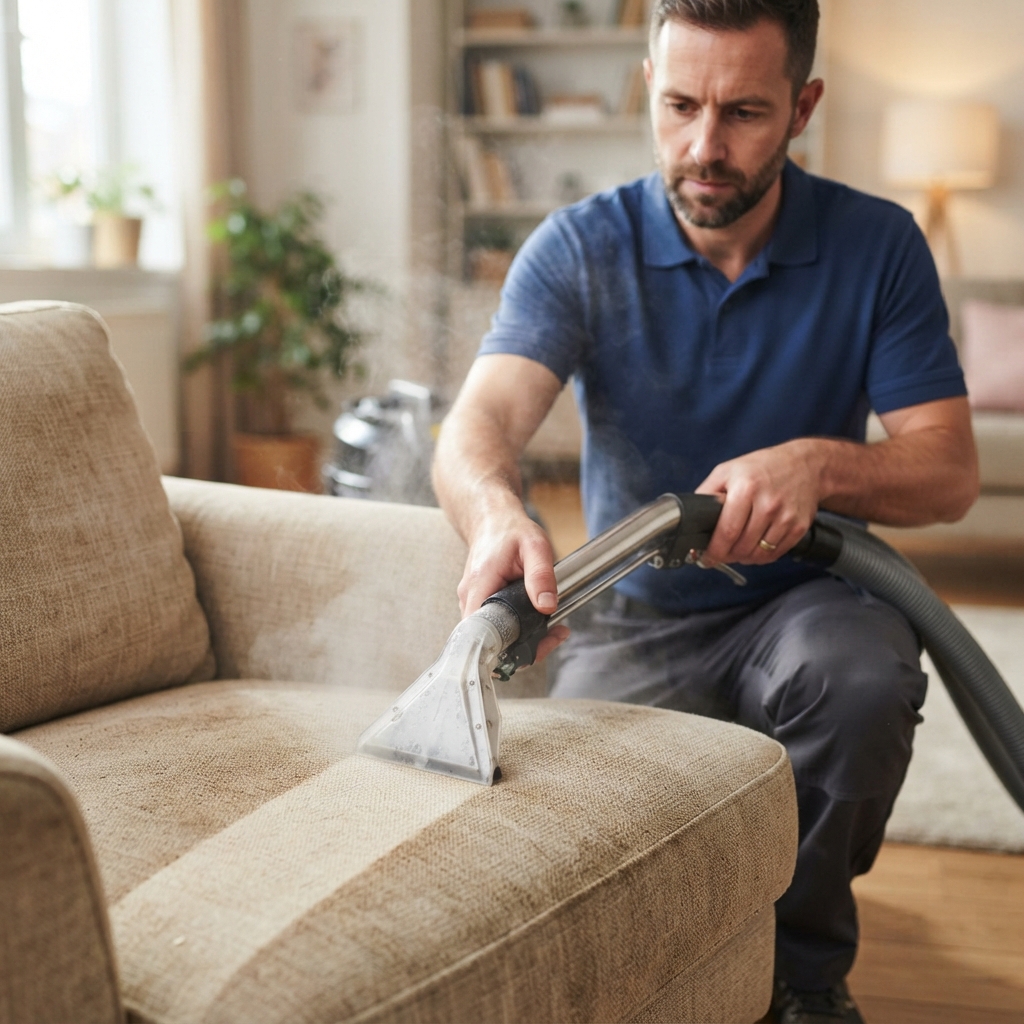
Welcome, Elizabeth Homeowners: Your Complete Guide to Cleaner, Healthier Upholstery
In Elizabeth, New Jersey, busy homes tell their stories right on the furniture. Between daily commutes, weekend get-togethers, and the changing Mid-Atlantic seasons, sofas, armchairs, sectionals, and dining chairs absorb a surprising amount of life. Fabrics trap dust from open windows, pollen after spring yardwork, and the occasional splash of coffee after a morning rush. Over time, these residues dull colors, invite odors, and shorten the usable life of your favorite pieces. A thoughtful, consistent approach to upholstery care protects your investment, upgrades the look and feel of any room, and supports a healthier indoor environment for everyone who shares your space.
If you have ever wondered whether you are cleaning the right way for your fabric type, how often to schedule a deeper service, or which spot-treatment method is safest, this guide is for you. It explains fabric basics, everyday maintenance habits that make a big difference, safe stain-response steps, and how to partner with a trusted local expert when you need extra help. And if you are ready to explore a tailored plan with a neighborhood team, a reliable option for upholstery cleaning can simplify your routine and keep your furniture looking its best through every season in Elizabeth.
Upholstery Versus Carpet: Why Furniture Needs Its Own Strategy
Although carpet and upholstery both collect soils and spills, furniture requires a more customized approach. Sofas and chairs contain a variety of textiles—cotton, linen, rayon, polyester blends, microfiber, wool, and occasionally silk—each with unique cleaning tolerances. The padding and frame underneath also influence drying times and the risk of issues like browning or water rings. Unlike carpet, upholstery presents more curves, tufting, piping, and tight seams where residues can hide. In Elizabeth’s climate, where humidity swings from muggy summers to dry winters, incorrect moisture levels can lead to musty odors or slow drying. The right plan combines careful identification, targeted chemistry, controlled moisture, and thorough rinsing and drying.
Know Your Fabric: Common Materials in Elizabeth Homes
Understanding your upholstery fabric determines how safely you can clean at home and when to call in help. Natural fibers like cotton and linen feel breathable and casual but may be prone to water marks and shrinkage if overwet. Wool blends are resilient yet sensitive to high alkalinity. Silk is elegant and delicate, often requiring dry-solvent methods. Synthetic materials like polyester and acrylic blends are typically more resistant to water-based stains and can handle gentle water-based cleaning with proper care. Microfiber, a favorite in family rooms, releases most soils with mindful agitation and thorough rinsing. Most cushions carry hidden tags with cleaning codes—W (water-based methods), S (solvent-only), WS (water or solvent), and X (vacuum only). These codes are guidelines, not ironclad rules, but they are your first compass for smart decision-making.
What Is Actually in the Soil? Everyday Sources of Grime
Household upholstery does not get dirty at random; it accumulates predictable types of soil that respond to specific methods. Dry soils include dust, hair, dander, grit, and fine particles from outside. Oily soils arrive from skin contact, cooking vapors, lotions, hair products, and airborne pollutants. Then there are spills: coffee, tea, wine, soda, fruit juice, ink, marker, and pet accidents. Each category requires its own strategy. Dry soils respond best to frequent vacuuming with an upholstery attachment. Oily residues need surfactants and appropriate pH to suspend and rinse away. Dyes may require specialized spotters and controlled dwell time. Pet-related incidents require neutralization of odor-causing compounds along with cleaning. By matching methods to the soil type, you reduce risk and improve results.
Daily and Weekly Habits That Prevent Deep-Set Problems
Simple routines deliver outsized benefits. Vacuum high-use seating weekly, moving slowly to lift particles from seams and tufting. Rotate removable cushions to distribute wear. If your piece sits near a window, draw shades during direct sun to limit fading. Place a breathable throw where hands and heads most frequently touch to reduce body-oil transfer, and launder the throw regularly. Encourage a “shoes off” policy to keep grit from grinding into fabrics when people curl their legs on the sofa. In kitchens and open-plan living spaces, use range hoods and ventilate during cooking to reduce the oil mist that can settle on nearby textiles. Finally, always test any cleaner on a hidden area, and keep a clean, white, absorbent towel nearby for immediate blotting when life happens.
Step-by-Step: A Safer At-Home Refresh Between Professional Visits
When your furniture looks dull between deeper cleanings, a thoughtful refresh brightens it without risking damage. First, vacuum thoroughly using short, overlapping strokes and a soft-bristle brush attachment. Second, pre-treat armrests and headrests with a gentle, fabric-appropriate cleaner—something mild and, if possible, formulated for upholstery. Third, lightly apply your solution to a small section, avoid over-wetting, and use gentle agitation with a microfiber cloth to loosen soils. Fourth, blot with a damp, clean cloth to remove residues, followed by a dry towel to speed evaporation. Fifth, position fans for airflow. The key is restraint: more solution is not better, and hard scrubbing can distort fibers. If color transfers to your towel, stop and seek a professional opinion.
Responding to Stains: Timing, Technique, and Patience
Speed matters. Blot liquid spills right away with a white towel, applying gentle pressure without rubbing, which can spread or set dyes. For sticky residues, lift what you can with a spoon edge before blotting. For coffee or tea, a mild, fabric-safe cleaner with a small amount of oxygenated power can help, but test first. For oily spots, a little neutral detergent can suspend the oil; again, test in an unseen area. Ink, permanent marker, and brightly dyed beverages are trickier and can spread quickly. Avoid household solvents unless your fabric clearly tolerates them, and never soak a cushion core. When in doubt, contain the stain by blotting outward to inward and contact a professional for targeted treatment.
When It Is Time to Call a Local Professional
Even the most careful homeowner benefits from periodic deep cleaning. Over months, soils bond to fibers, causing dullness that routine vacuuming cannot reverse. Families with pets, allergies, or heavy usage may need more frequent service to control dander and odors. Professionals bring fabric identification, measured chemistry, agitation tools, controlled rinsing, and specialized drying equipment that protect dyes and textures while restoring clarity and softness. If you notice lingering odors, color loss, water rings, or blotchy results from DIY attempts, that is a good moment to consult a team experienced in Elizabeth’s housing styles—from historic row houses to modern condos. For many households, combining regular maintenance with a scheduled visit from a trusted provider of upholstery cleaning keeps furniture attractive and healthier year-round.
Preparing Your Elizabeth Home for a Service Appointment
A few small steps make the day go smoothly. Clear end tables, toys, and breakables near the furniture to be cleaned. Share the fabric cleaning code if you have it, along with any service history or previous spill details. Point out trouble spots in good lighting so your technician can plan the best approach. Secure pets in a comfortable space while equipment and hoses are in use, and arrange airflow with a ceiling or portable fan to speed drying. If parking is tight on your block or in your building, coordinate access in advance. These small courtesies help your team move efficiently and maximize results while respecting your home.
Aftercare: Protecting Results and Extending Longevity
Once your upholstery is refreshed, let it dry completely before heavy use. Replace protective throws at common contact points. Maintain good ventilation, especially during humid summers, to discourage musty odors. Consider adding fabric protection if suitable for your material and lifestyle; it does not make fabrics stain-proof, but it can slow absorption and make future cleanups easier. Continue weekly vacuuming and quick response to spills. For pieces that host frequent guests, rotate seating positions and rearrange occasional furniture to better distribute traffic. A thoughtful aftercare routine keeps your investment looking brighter and feeling softer for longer.
Seasonal Tips for New Jersey’s Climate
Elizabeth’s four-season weather creates rotating challenges. Spring brings pollen; vacuum more often and consider an air purifier. Summer humidity lengthens dry times; use dehumidifiers and fans after cleaning. Autumn’s leaf litter and outdoor gatherings raise the risk of soil and food stains; place a basket of clean cloths within reach for fast blotting. Winter boots track salt and sand; encourage guests to use entry mats and offer slippers. During holiday hosting, serve beverages away from the lightest upholstery and keep coasters, napkins, and small trays at hand. These seasonal tweaks help prevent preventable damage and keep your furniture guest-ready.
Myths and Facts Every Homeowner Should Know
Myth: More cleaner equals better cleaning. Fact: Excess solution can leave residues that attract soil and may cause browning. Myth: All microfiber is indestructible. Fact: Some microfiber blends are sensitive to heat and strong alkalinity. Myth: Steam alone cleans everything. Fact: Heat can help, but correct chemistry and controlled moisture are essential, especially for delicate fibers. Myth: Fabric protectors make furniture stain-proof. Fact: They buy time for cleanup but do not eliminate the need for blotting and proper care. Knowing the difference between myth and fact helps you make safer, more effective choices.
Quick Troubleshooting for Common Situations
If a cleaned area looks darker while drying, be patient—evaporation often resolves mild shading. If rings appear after spot cleaning, residues may be wicking from deeper in the cushion; a professional post-rinse and thorough drying typically correct this. If a pet’s favorite spot retains odor, it likely penetrated padding; targeted treatment below the surface is needed. If dye appears on your test towel, stop and get help before proceeding. And if frequent cleaning yields only short-lived results, an underlying oily buildup may require deeper flushing and better ventilation afterward.
Frequently Asked Questions
How often should upholstery be professionally cleaned in Elizabeth homes? Frequency depends on use and lifestyle. For a typical family space, once every 12 to 18 months is common. Homes with pets, allergies, or very light fabrics often benefit from more frequent care.
Will professional cleaning shrink or discolor my fabric? Proper identification, controlled moisture, and carefully balanced cleaning agents are designed to prevent shrinkage and color loss. Reputable technicians test first and adjust methods to your fabric.
What should I do if I spill red wine or coffee? Blot immediately with a white towel, avoid scrubbing, and test any cleaner on a hidden area. Do not oversaturate. If the stain persists, call a professional for a fabric-appropriate solution.
Can I clean my cushion covers in the washing machine? Only if the manufacturer’s instructions clearly permit it and colors have been tested for bleeding. Even then, air-drying to avoid shrinkage is wise. When in doubt, ask a professional for guidance.
How long will my furniture take to dry after a deep clean? Drying varies with fabric, padding, and indoor humidity. With good airflow and moderate humidity, most pieces dry the same day. Fans and dehumidifiers help in summer months.
Is fabric protection worth it? For many families, yes. It does not replace careful habits, but it slows absorption, making spills easier to blot before stains set.
Ready for Fresher Furniture in Elizabeth? We Are Here to Help
Your furniture supports daily life—movie nights, homework, celebrations, quiet mornings. With smart maintenance and the occasional expert visit, it can look and feel great for years. If you are ready to combine practical at-home habits with professional help tailored to your fabric and lifestyle, reach out to a team that understands Elizabeth’s homes, climate, and pace of life. Start today by connecting with a trusted local resource for upholstery cleaning, and enjoy a brighter, cleaner living space without the guesswork.