
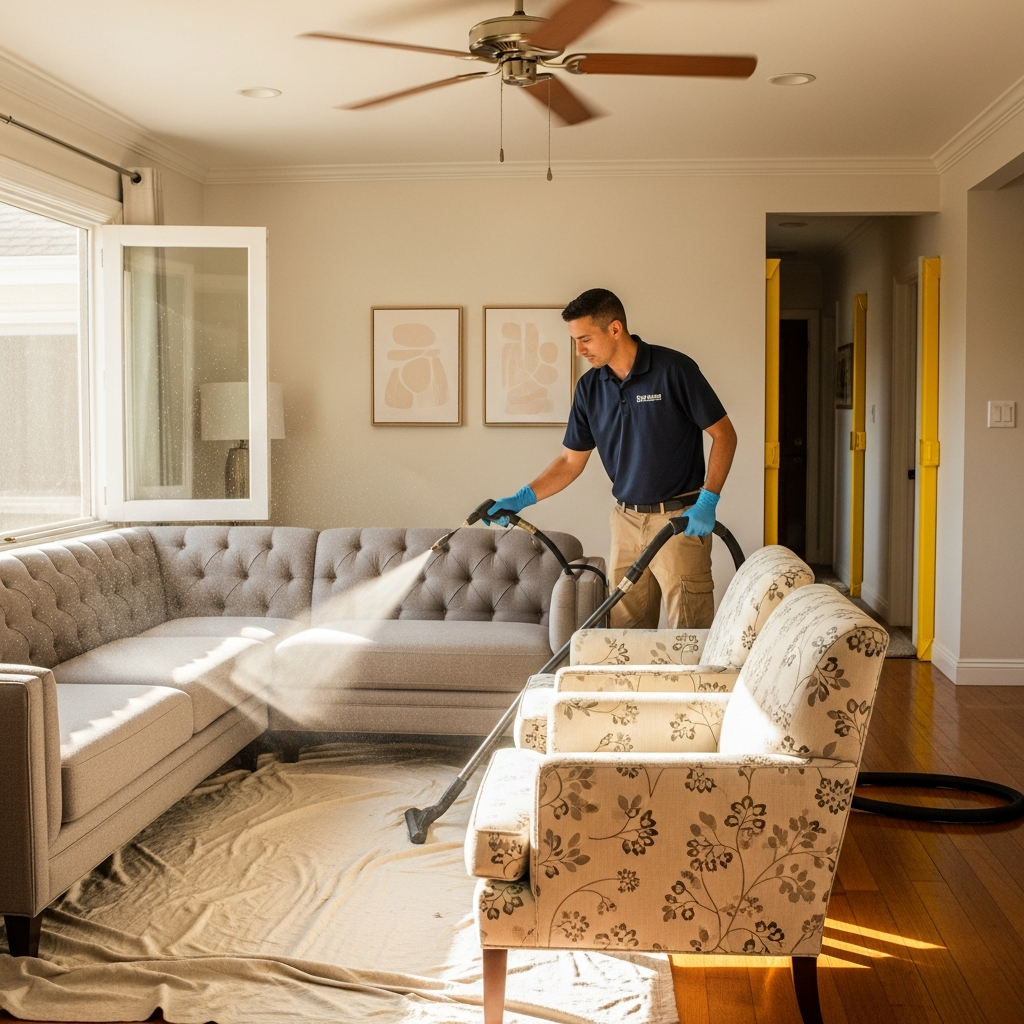
When you start exploring upholstery cleaning near Elizabeth, New Jersey, it is natural to wonder what influences pricing and which services are worth scheduling for a busy home. In a city framed by bustling corridors like Newark Liberty International Airport, the port, Midtown Elizabeth, and neighborhoods from Elmora to North Elizabeth, furniture has to stand up to daily life that can be heavy on wear and tear. In this introduction, you will get a clear picture of what shapes value, the kinds of services local residents typically request, and how to prepare your home for a thorough appointment. To set the stage, it helps to understand exactly what professionals mean by upholstery cleaning: a process tailored to fabric, soil level, and the way your household actually lives, pets and kids included.
Elizabeth’s mix of historic homes and modern apartments means your living room set might include anything from vintage cotton-blend chairs to contemporary microfiber sectionals. Local environmental factors—from coastal humidity and winter salt carried in from sidewalks to summer pollen that drifts through open windows—add layers of soil and allergens. These details matter when you compare services and consider how providers estimate the work. Rather than fixating on a single number, you will make better choices by recognizing which options protect fibers, preserve color, and extend the life of your favorite pieces.
Understanding What Affects Pricing Without Talking Numbers
Several levers shape what a provider will quote for an upholstery cleaning visit in Elizabeth. The first is fabric type. Natural fibers such as cotton, linen, and wool blends can look incredible but often require gentler solutions, lower moisture, and careful temperature control. Synthetics such as polyester, olefin, and microfiber are usually more forgiving and can tolerate a wider range of cleaning methods. If your furniture combines materials—say linen cushions with a rayon trim—technicians may adjust their approach section by section.
Soil load and stains play a major role. A lightly used guest-room chair calls for a different plan than a family sofa that endures game nights, toddler art projects, pet naps, and frequent snacks. Stains from coffee, tea, red beverages, or body oils each respond to different solutions and dwell times. The best providers in Elizabeth pre-test their stain strategy on an inconspicuous area, creating a customized sequence for the issues on your specific furniture.
Size and configuration matter as well. A deep L-shaped sectional with multiple detachable cushions takes more time to vacuum crevices, treat seams, and groom to a uniform finish than a smaller loveseat. Tufting, buttons, nailhead trim, and tight weaves often demand more detailed handwork. Finally, logistics can influence time on site—walk-up buildings, parking considerations around Broad Street or Morris Avenue, and the need to protect hallways in multi-unit residences all add steps.
Service Menu: What You Can Request in Elizabeth
Reputable companies in and around Elizabeth typically offer a core set of services that can be selected individually or combined for comprehensive care. A thorough dry soil removal step comes first, often using commercial filtration vacuums with crevice tools to reach seams and welt cords. This step alone can pull surprising amounts of particulate from cushions and frames. Next comes preconditioning, where a solution is matched to your fabric’s cleaning code. The pre-spray loosens oils and binds soils so they can be rinsed away without aggressive scrubbing.
For many synthetics, hot-water extraction with controlled moisture provides a deep, even rinse that carries loosened soils out of the fabric. For more delicate fibers, low-moisture techniques—foam, encapsulation, or carefully wrung microfiber pads—limit wetness while lifting soil to the surface. Spot treatment and stain work proceed in parallel, with careful blotting rather than rubbing to avoid distortion. A neutralizing rinse helps reset pH so the fabric feels soft, not sticky, which reduces rapid re-soiling. Grooming with a soft brush sets the nap in one direction, producing a consistent, like-new appearance.
Many Elizabeth homeowners also request odor neutralization when furnishings have absorbed cooking aromas or pet smells. Protectants can be applied after cleaning to help repel future spills and slow down absorption, making blotting more effective. Allergy-conscious households, especially those close to parks where pollen is common, often ask for a hypoallergenic approach that focuses on fine-particulate removal.
Fabric Types Common in Elizabeth Homes and What They Need
Microfiber is a staple in family rooms because it resists spills and looks good between cleanings. It typically benefits from agitation with a soft brush and a controlled-moisture rinse, followed by grooming to remove water rings. Cotton-linen blends tilt toward elegance and breathe well, but they can brown or water-spot if over-wet; experienced technicians lean on gentle solutions and quick dry times. Velvet—either cotton or synthetic—rewards meticulous grooming to preserve its directional sheen. Leather and faux leather, while not “upholstery” in the fabric sense, often share rooms with textiles and appreciate periodic cleaning and conditioning to prevent surface cracking.
If you own antique or heirloom pieces, pre-testing is especially important. Older dyes can be fugitive, and padding beneath the cover can affect how moisture moves. Communicate any known history—prior cleanings, at-home attempts, or past stains—so your provider can shape a plan that stabilizes color and protects delicate seams.
Scheduling and Frequency in a Busy Elizabeth Household
How often should you clean? Think in terms of traffic and exposure rather than the calendar alone. In a high-use living room near a busy entryway, an annual professional cleaning keeps soils from grinding into fibers. Homes with pets, small children, or allergy concerns may benefit from more frequent care, paired with monthly vacuuming and prompt attention to spills. Guest rooms or formal areas with light use can go longer between appointments if you maintain a dusting and vacuum routine to remove airborne debris that settles.
Because Elizabeth experiences distinct seasons—snow and road residue in winter, humidity in summer, pollen in spring—timing your cleaning can help. Many homeowners schedule right after peak shedding seasons or before holidays to make living areas feel fresh for gatherings. Rapid-dry techniques and good airflow keep downtime short; open interior doors, use ceiling fans, and keep HVAC running to speed evaporation after cleaning.
DIY vs. Professional: How to Decide
At-home maintenance is essential and cost-effective. Regular vacuuming with an upholstery tool, rotating and flipping cushions where possible, and prompt blotting of spills extend intervals between professional visits. However, there are limits. Over-wetting is a common DIY mistake that can cause rings, browning, or mildew odor, especially in humid weather typical of North Jersey summers. Using an all-purpose cleaner on unknown fabrics can set stains or strip finishes.
Professionals bring calibrated machines, fabric-specific chemistry, and the experience to troubleshoot tricky stains. They can lift embedded soils, neutralize residues, and leave fibers in a stable condition that resists rapid re-soiling. In many cases, the savings come from preservation—extending the life of pieces you love—rather than from skipping appointments altogether. Midway through decision-making, it helps to revisit what you expect from upholstery cleaning: not just a cosmetic touch-up but a process that targets hygiene, comfort, and the longevity of your furniture investment.
Preparing Your Furniture and Space
Clear small items from side tables and tuck away loose throws so technicians can move freely. If parking is tight on narrow streets, coordinate a short loading space or provide building access details. Take photos of any pre-existing issues you want addressed—puckered seams, small tears, or faded arms—and point them out during the pre-inspection. Crate or confine pets so doors can stay open for airflow without worry. If you are in a multi-unit building, ask whether corner guards and drop cloths will be used in hallways to protect shared spaces.
After cleaning, consider simple habits that maintain the finish. Place washable arm caps on frequently used spots. Use coasters and trays to reduce snack spills. Vacuum lightly once a month to gather dust and dander before it binds to fibers. Spot-clean carefully: blot, don’t rub, and always test solutions in a hidden spot before you commit.
How to Compare Providers Beyond the Bottom Line
Comparing companies purely by their lowest advertised figure often misses the point. A responsible provider evaluates fabric type, construction, and soil level before promising results. Ask how they determine method—hot-water extraction versus low-moisture approaches—and whether they test dyes and seams. Inquire about their rinse process and pH balancing, which reduce stickiness and delay re-soiling. Ask about drying strategy: air movers, temperature control, and ventilation recommendations go a long way toward swift, even results.
Clarity in communication matters just as much as technical skill. Look for providers who explain what can and cannot be improved. Some permanent discolorations—UV fading on window-side cushions, abrasion from years of friction—are not stains that “come out” but wear that must be managed. Honest guidance helps set expectations so you are delighted by the realistic improvements that cleaning can deliver.
Frequently Asked Questions
Q: Will professional cleaning shrink my upholstery? A: With a trained technician who matches method to fabric, shrinkage risk is extremely low. Natural fibers respond best to controlled moisture and balanced drying. Pre-testing and gentle handling keep seams stable.
Q: Can all stains be removed? A: Not every stain disappears, but many improve dramatically. Success depends on the type of spill, how long it has been in the fabric, prior attempts, and fabric chemistry. Even when a stain leaves faint discoloration, thorough cleaning often reduces its visibility and refreshes the entire piece.
Q: How long will my furniture take to dry? A: Dry time varies by fabric, method, and room airflow. Good ventilation and gentle air movement help. Avoid sitting on freshly cleaned pieces until they are fully dry to prevent impressions or re-soiling.
Q: Is it safe for kids and pets? A: Yes, when proper solutions are used and rinsed fully. Many providers offer options with low scent and quick drying so households can resume normal routines shortly afterward.
Q: How can I maintain results? A: Vacuum regularly with an upholstery attachment, rotate cushions, keep pets brushed, and attend to spills promptly by blotting. Schedule professional care based on usage and seasonality rather than a rigid schedule.
Neighborhood Notes for Elizabeth Residents
Homes near the waterfront and industrial corridors sometimes collect airborne particulates faster, which settle on textiles. If you live close to busy roads or rail lines, monthly vacuuming and periodic professional cleanings become even more valuable. In historic districts with older windows, drafts can increase dust accumulation; sealing gaps and adding entry mats can reduce soil tracked onto furniture. Apartment dwellers can coordinate with building management to secure elevator time and access protection to streamline service day.
Sustainability and Health Considerations
Many providers in the area emphasize low-residue, fabric-appropriate solutions that rinse clean. Less residue means fewer particulates cling to fibers later, improving indoor air quality over time. For households with sensitivities, request fragrance-light or fragrance-free options. Thoughtful cleaning removes allergens and fine dust that elude basic vacuuming, making living rooms more comfortable during high-pollen months.
What to Expect After the First Cleaning
If you have not cleaned your upholstery in years, the first professional visit can yield striking results—brighter color, softer hand-feel, and reduced odor. The second visit, typically scheduled based on your usage, becomes more about maintenance than rescue. Consistency protects fibers and keeps rooms camera-ready for birthdays, holidays, and last-minute guests.
Ready to Refresh Your Upholstery in Elizabeth?
Whether you are caring for a beloved heirloom chair or giving a family sectional the attention it deserves, the right plan makes all the difference. If you want guidance that prioritizes fabric safety, healthy living, and a finish that lasts, schedule expert upholstery cleaning and enjoy a fresher, more comfortable home in Elizabeth, New Jersey.