Introduction: Finding the Best Area Rug Cleaning Near You in Elizabeth
Area rugs do more than soften footsteps. They define rooms, protect flooring, and add warmth and personality to homes throughout Elizabeth, New Jersey—from historic houses in North Elizabeth and Peterstown to modern apartments near the waterfront. When daily life leaves your rugs looking dull or smelling less than fresh, the challenge often becomes how to find the best area rug cleaning near you, and how to know which team is right for your home. In this guide, you will discover what sets exceptional cleaners apart, how to evaluate techniques for different fibers, and how to keep your rugs vibrant between professional visits. If you are just starting your search, one of the simplest ways to narrow options is to explore trusted area rug cleaning providers that specialize in a full range of fibers, constructions, and soil conditions typical to Union County homes.
Great results come from a careful mix of expertise, process, and local know-how. Elizabeth’s blend of older homes, high-traffic multifamily buildings, and pet-loving households demands cleaners who can address everything from embedded grit to food and beverage spills, winter salt residue, and humidity-related issues. The best providers don’t just clean; they diagnose, treat, and protect.
What Makes a Rug Cleaner the Best in Elizabeth?
When you search for the best area rug cleaning near you, look beyond generic promises. The difference shows up in details before, during, and after cleaning. A standout company will typically offer a pre-inspection, fiber identification, dye stability checks, and a tailored cleaning plan. These steps are crucial because a synthetic shag runner in a hallway behaves differently from a hand-knotted wool rug in a living room, and each one benefits from a specific approach.
- Comprehensive inspection with documentation: Look for providers who document stains, wear patterns, and pre-existing conditions. This establishes realistic expectations and a clear plan of action.
- Fiber and dye testing: Wool, cotton, viscose, silk, polypropylene, and blends each respond differently to water, agitation, and chemistry. Proper testing prevents color migration and texture damage.
- Dusting before washing: Dry soil removal is essential. Professional dusting methods dislodge gritty particles that vacuuming won’t lift, avoiding abrasion during washing.
- pH-balanced solutions: Neutral or fiber-appropriate solutions protect natural oils in wool and the integrity of delicate dyes, while still removing soils and odors.
- Controlled drying: Proper airflow, dehumidification, and blocking straighten edges, stabilize shape, and prevent odor or microbial issues.
- Protective finishing: Application of fiber protectors and grooming techniques help the rug resist future soiling and keep pile looking even.
These standards signal a cleaner who values the long-term health of your textiles, not just a quick refresh. In Elizabeth, where seasons swing from humid summers to snowy winters, protective finishing and controlled drying are especially important.
Understanding Area Rug Types in Local Homes
Area rugs vary widely, and so should their care. In neighborhoods like Elmora and Midtown, many homes feature a mix of hand-tufted wool pieces, machine-made synthetics, and flatweaves. Each category has unique cleaning considerations.
- Hand-knotted wool: Durable and resilient; loves thorough dusting and gentle, pH-appropriate washing. Sensitive to aggressive agitation and high-alkaline solutions.
- Hand-tufted rugs: Common in living rooms and bedrooms. Watch the latex backing; over-wetting or harsh chemistry can weaken adhesives and cause shedding or odor.
- Machine-made synthetics: Polypropylene and nylon resist staining but trap oily soils. They benefit from deep rinsing to remove residues that attract dirt.
- Flatweaves and kilims: Thin, reversible constructions that require careful handling to avoid stretching. Dry soil removal is paramount.
- Viscose and art silk: Highly sensitive to moisture and agitation. Require specialized low-moisture methods to mitigate texture changes.
Knowing which category your rug belongs to helps you ask the right questions, assess cleaning proposals, and understand timelines for pick-up, washing, and drying.
Elizabeth-Specific Soil and Stain Challenges
Living in a bustling city brings unique soil patterns. Street grit and road salts can settle deep into the pile during winter. In warmer months, humidity can intensify musty odors and complicate dry times if not managed properly. Homes near high-traffic corridors may see a steady buildup of oily soils that dull colors over time. The best area rug cleaners in Elizabeth anticipate these patterns and design their process accordingly, from thorough dusting to fast, controlled drying and odor treatments that respect your rug’s fibers and dyes.
The Professional Cleaning Process Step by Step
While processes vary by company and rug type, a rigorous workflow typically includes the following:
- Pre-inspection and testing: Identify fibers, construction, dyes, stains, pet treatments, and pre-existing conditions. Set expectations and select a method.
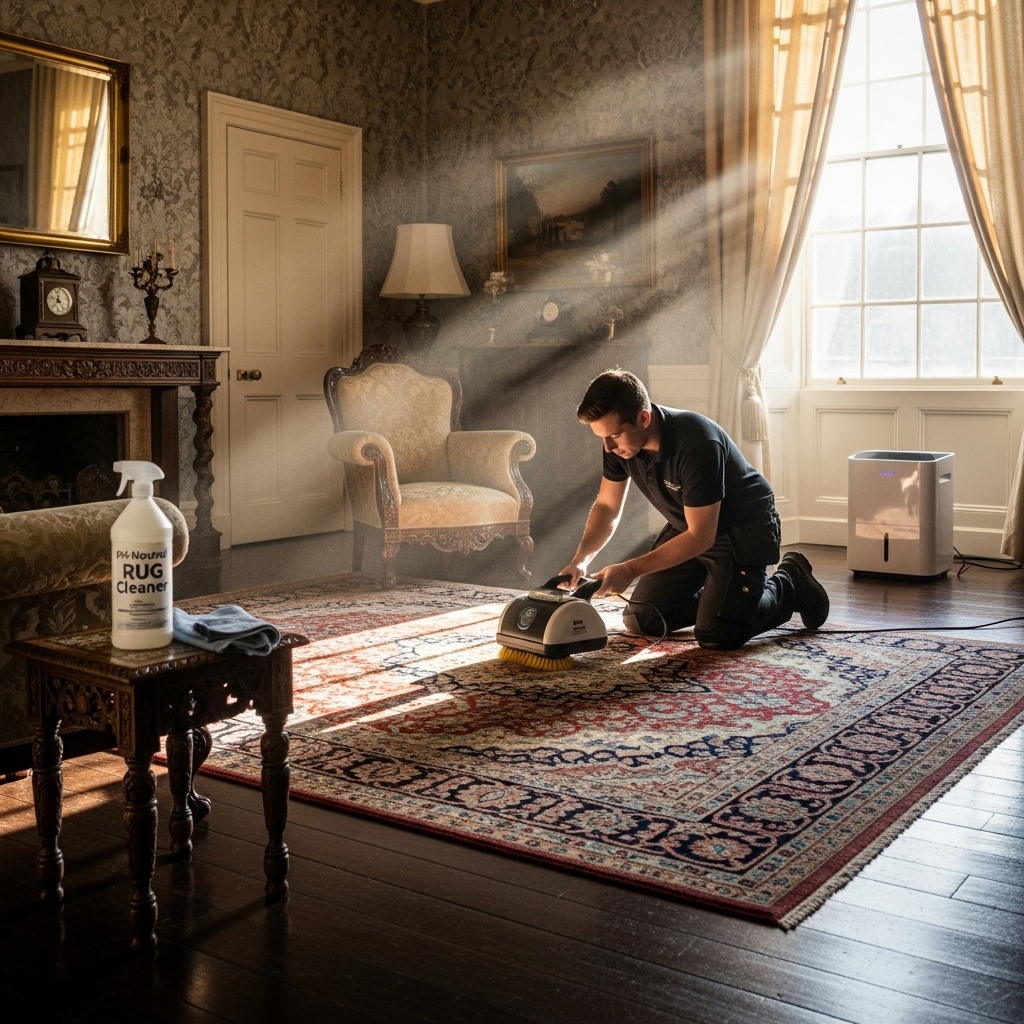
- Dusting: Use mechanical dusting or air-washing to remove dry soil. This step can release a surprising volume of grit and allergens.
- Pre-treatment: Apply targeted solutions to spills, traffic lanes, and odor sources. Agitate gently only where fiber and weave permit.
- Washing or low-moisture cleaning: Depending on fiber stability, use immersion washing, controlled freshwater rinsing, or a specialized low-moisture system.
- Rinsing: Thoroughly rinse residues to prevent rapid resoiling. Poor rinsing is a common reason rugs look dull again quickly.
- Water extraction and grooming: Extract moisture carefully, groom the pile to its natural lay, and set fringe protocols that avoid bleeding or fraying.
- Drying: Move rug to a drying environment with balanced temperature and airflow. Block or stretch lightly to maintain shape.
- Post-clean inspection: Check edges, pile, and odor. Re-address stubborn spots with safe techniques and document results.
- Optional protection: Apply fiber protectants that reduce future staining and make routine maintenance more effective.
This end-to-end process is designed to restore beauty, minimize wear, and protect your investment for years of use.
How to Compare Local Cleaners
When you are searching for the best provider near you, request clarity on methods and materials, including whether they handle cleaning in-house or at a dedicated facility. Ask about training for delicate fibers, drying systems, and steps taken to prevent color migration. The best teams are transparent about their approach and will explain how they tailor techniques for your specific rug.
- Experience with your rug type: Particularly important for hand-knotted wool, silk blends, or older heirlooms.
- Clear communication: You should receive a written plan detailing inspection results, cleaning steps, and aftercare tips.
- Pickup and delivery: Convenient scheduling helps busy households stay on track without disrupting routines.
- Odor and allergen solutions: Ask about methods designed for pet spots, smoke, cooking odors, and seasonal allergens.
- Satisfaction follow-up: The best providers check in after delivery to ensure the rug is performing well and to advise on long-term care.
Maintenance Between Professional Cleanings
Routine habits keep area rugs looking great longer. Consistent, gentle care makes a significant difference in high-traffic homes.
- Vacuum weekly: Use a suction-only setting or raise the beater bar to prevent fiber damage, especially on wool and delicate weaves.
- Rotate quarterly: Even out traffic patterns and sun exposure.
- Manage shoes and mats: Entry mats capture grit that would otherwise migrate to your rugs.
- Spot clean carefully: Blot, do not rub. Use a white cloth and a small amount of cool water. Test cleaning solutions in an inconspicuous area first.
- Humidity awareness: Use dehumidifiers in damp seasons to prevent musty odors and slow dry times after spills.
These small habits create a buffer against heavy soiling, giving professional cleanings a head start and preserving fiber integrity.
Common Mistakes to Avoid
Many area rug mishaps come from well-intentioned but risky DIY steps. Avoid these pitfalls to sidestep color issues and texture changes.
- Using high-alkaline cleaners on wool: This strips natural oils and can distort texture.
- Over-wetting tufted rugs: Weakens latex backing and may cause lingering odor.
- Scrubbing stains aggressively: Friction can fuzz fibers and spread the stain.
- Ignoring pet accidents: Urine salts and odor molecules settle deep in the backing; the longer they remain, the tougher they are to neutralize.
- Drying on the floor: Traps moisture and lengthens dry times, increasing the risk of musty odor.
When to Call a Professional
While minor spills and surface dusting can be handled at home, certain situations call for professional help: stubborn odors, widespread soiling, color bleeding concerns, or after a major event such as a plumbing leak. Professional equipment and techniques outperform home methods for thorough soil removal, controlled drying, and fiber-safe treatments.
Neighborhood Considerations in Elizabeth
Older homes in areas like Westminster and Midtown may have hardwood floors susceptible to moisture marks. After spot cleaning, elevate the rug slightly to allow airflow and protect the wood. Apartments with limited outdoor space require faster drying strategies; a professional facility can deliver the airflow and dehumidification you might not have at home. For homes with pets or near high-traffic corridors, frequent dusting and scheduled cleanings keep allergens and odors in check.
Mid-Article Insight: How Expertise Protects Your Rugs
Skilled cleaners do more than remove dirt. They protect color integrity, maintain pile resilience, and stabilize shape. This is especially important for family rooms with daily foot traffic and for heirloom pieces that carry sentimental value. If you are comparing choices in Elizabeth, look for a team with a robust inspection protocol, dedicated dusting equipment, and safety checks for dyes and fibers. You can also research local providers that focus on comprehensive rug cleaning services built around careful testing and controlled drying.
Aftercare: Keeping Your Area Rug Looking Great
Once your rug is professionally cleaned, a few simple habits will help preserve the look and feel. Avoid walking on the rug until it is fully dry to prevent resoiling. If a protector was applied, follow the recommended wait time before placing furniture back. Use furniture pads to reduce pile compression under legs, and rotate the rug to balance traffic. When sunlight streams onto the rug, draw shades during peak hours to prevent fading and uneven aging.
Dealing with Specific Stains and Odors
Life happens, and with it comes coffee, wine, pet accidents, and the occasional art project spill. Addressing spills quickly offers the best chance for successful removal later. Blot gently with a clean white cloth, moving from the outside inward. Avoid household spotters that make lofty promises; many leave sticky residues. For pet accidents, address both the surface pile and the underlayer where odor salts can settle. Never use hot water on wool or natural dyes; cool water is safer while you arrange for professional treatment if needed.
Eco-Conscious Cleaning Choices
Many Elizabeth homeowners want clean rugs without harsh impacts on indoor air quality. Ask about solutions that are gentle on fibers yet effective on soils, and about rinsing protocols that avoid residue. Good cleaners will explain how they balance cleaning power with environmental considerations, including water usage, filtration, and disposal practices that respect regulations and your home environment.
FAQs: Best Area Rug Cleaning in Elizabeth, NJ
Q: How often should an area rug be professionally cleaned in a busy Elizabeth household? A: For high-traffic homes with kids or pets, plan for a thorough cleaning every 12 to 18 months, with more frequent dusting and spot care in between. Lower-traffic rooms can go longer if routine maintenance is strong.
Q: Can vacuuming damage my rug? A: It can if the beater bar is set too low or if the rug is delicate. For wool and flatweaves, use suction-only or elevate the beater bar to avoid fiber distortion.
Q: What about color bleeding? A: Skilled cleaners test dyes before washing and use methods that keep colors stable. If a rug shows dye instability, specialized low-moisture methods are employed.
Q: Do all rugs need dusting before washing? A: Yes, because dry soil acts like sandpaper if left in the pile. Dusting before washing prevents abrasion and allows cleaning solutions to reach the fibers.
Q: How do I handle a coffee or wine spill? A: Blot immediately with a white cloth, add a small amount of cool water if the spill persists, and blot again. Avoid scrubbing. If discoloration remains, arrange a professional evaluation.
Q: Are pet odors removable? A: Many are, especially when addressed quickly. Deep treatments that reach backing materials can neutralize odor molecules more effectively than surface-only methods.
Q: What drying signs should I watch for at home? A: Ensure airflow under and over the rug, use fans or dehumidification, and avoid laying the rug flat on a non-breathable surface until fully dry.
Q: Can fringe be safely cleaned? A: Yes, but it requires care. Professionals often clean and groom fringe separately to maintain color and texture without fraying.
Q: Is protector worth it? A: Protector can help repel spills and slow down soiling, buying you precious time to blot and reducing long-term staining potential.
Q: How do I choose between on-site and off-site cleaning? A: Off-site cleaning allows full dusting, rinsing, and controlled drying. On-site methods are limited and best reserved for wall-to-wall carpet rather than area rugs.
Ready for Cleaner Rugs in Elizabeth?
Your rugs deserve meticulous care that reflects both their design and your household’s daily rhythms. If you want dependable results and a smooth, respectful process from pickup to delivery, connect with a local team that focuses on testing, dusting, fiber-appropriate solutions, and careful drying. To get started with trusted help in Elizabeth, explore experienced professionals who specialize in professional rug cleaning and long-term rug preservation for homes just like yours.