
Job sheet · North Jersey
Carpet cleaning with the before and after to prove it
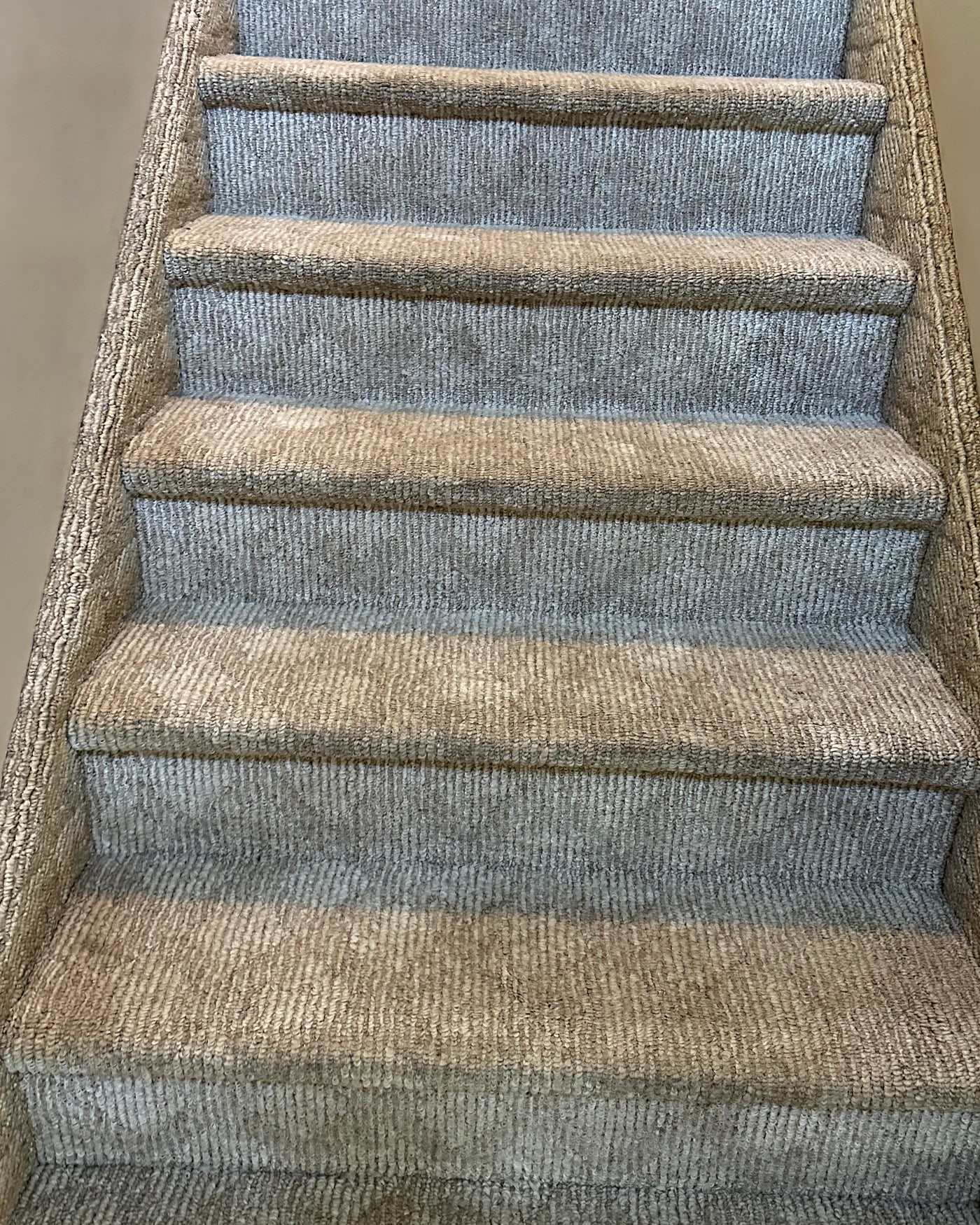
Hot-water extraction pulls the soil back out of the pile instead of pushing it further in. We photograph the work as we go — so what you are deciding on is a picture of your own floor, not a promise about it.
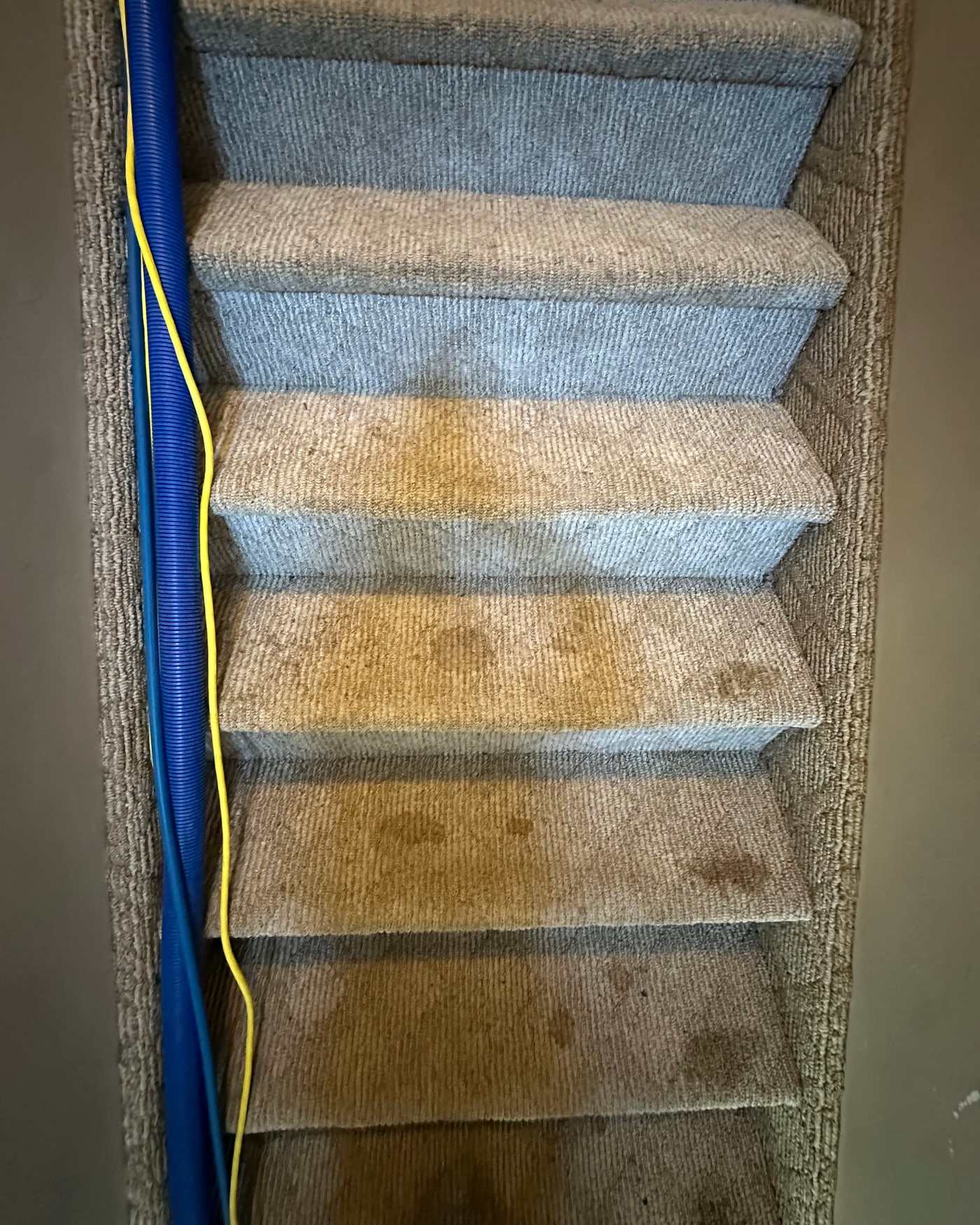
Before
After
Section A
What we clean
Ordered by what people actually call about. Couch cleaning comes up almost as often as carpet in our reviews, so upholstery gets its own visit here rather than being sold as an extra.
- 01Walkable in ~2 hrsCarpet cleaningWall-to-wall carpet in bedrooms, hallways and living rooms · Carpeted stairs, treads, risers and stringers · Traffic lanes, entryways and landings
- 02Dry in 4–8 hrsSofa and upholstery cleaningFabric sofas, loveseats and sectionals · Leather sofas and chairs — cleaned and conditioned · Recliners and armchairs
- 03Dye-tested firstArea and oriental rug cleaningHand-knotted and hand-tufted wool rugs · Oriental and Persian-style rugs · Machine-made synthetic area rugs
- 04Back in use that nightMattress cleaningAll mattress sizes, in place, on the bed · Dust mites, skin cells and allergen reservoirs · Sweat, body oil and yellowing
- 05Grout, not just tileTile and grout cleaningKitchen floors and backsplashes · Bathroom floors, walls and shower enclosures · Entryways, mudrooms and laundry rooms
- 06Call, do not emailWater damage drying and restorationBurst pipes, appliance leaks and overflowing fixtures · Water extraction from carpet and padding · Drying and dehumidifying until materials read dry
Section B · in this order, every time
How the visit goes
- 01Before we come
You tell us what is on the floor
Call, or send a photo of the worst patch. A photo is the fastest way to get a straight answer about what will lift and what will not — and if something will not come out, we would rather say so now than at the door.
- 02On arrival
We test before we clean
Fabric and rug dyes get tested somewhere nobody looks, and the fiber decides the method. This is the step that prevents the two things people actually fear: shrinkage and color bleeding.
Dye test before any moisture
- 03The work
Extraction, then the parts a machine cannot reach
Heated solution goes into the pile and comes straight back out with the soil. Stairs, edges and corners are worked by hand afterwards, because no machine head sits flat on a stair tread.
- 04Handover
You get the room back the same day
Carpet is normally walkable in a couple of hours. Fabric sofas take longer, and we bring air movers when a room has to be usable by a particular time.
4–8 hrs fabric sofa · 6–12 months between cleans
Exhibit 02
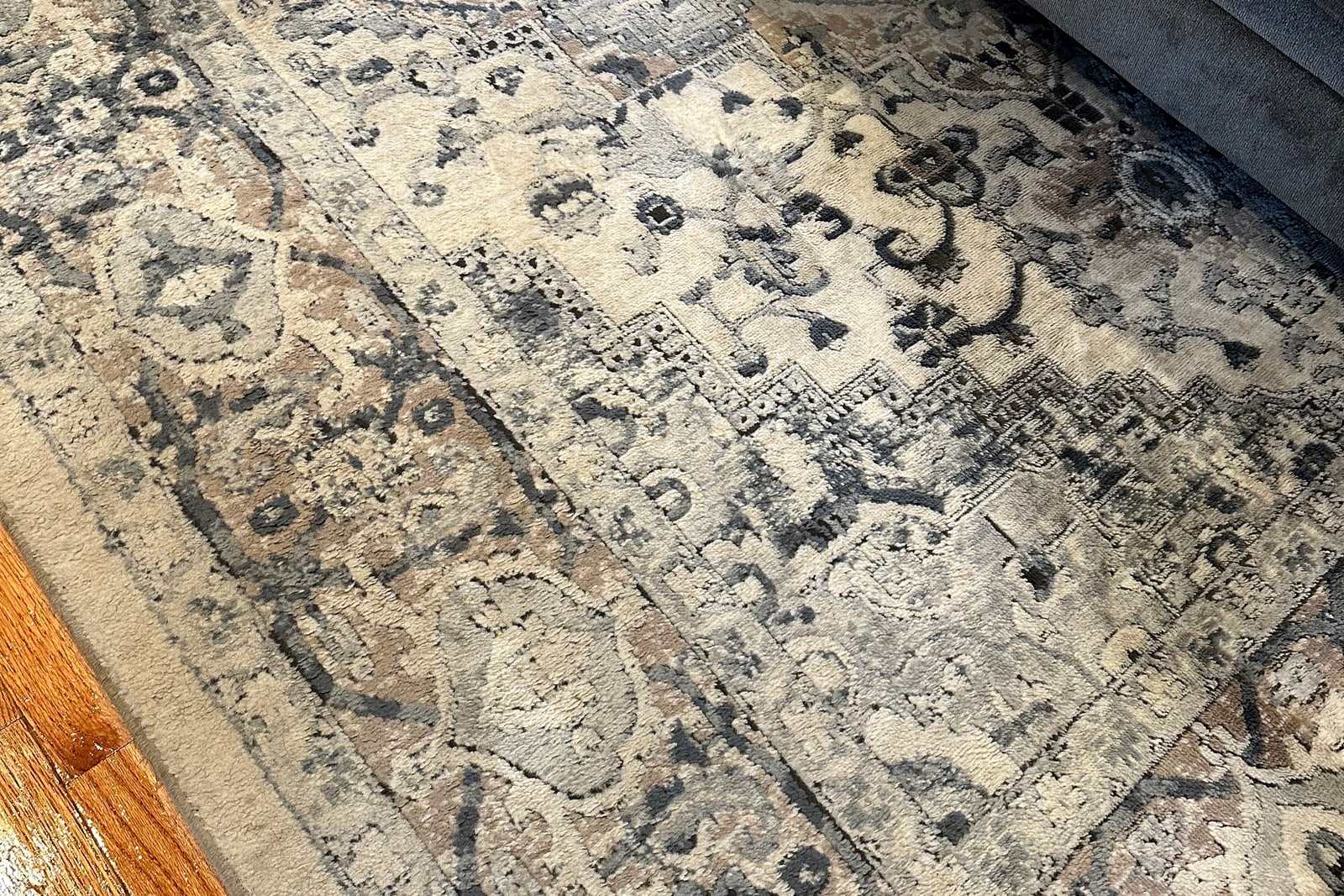
Patterned area rug · same rug
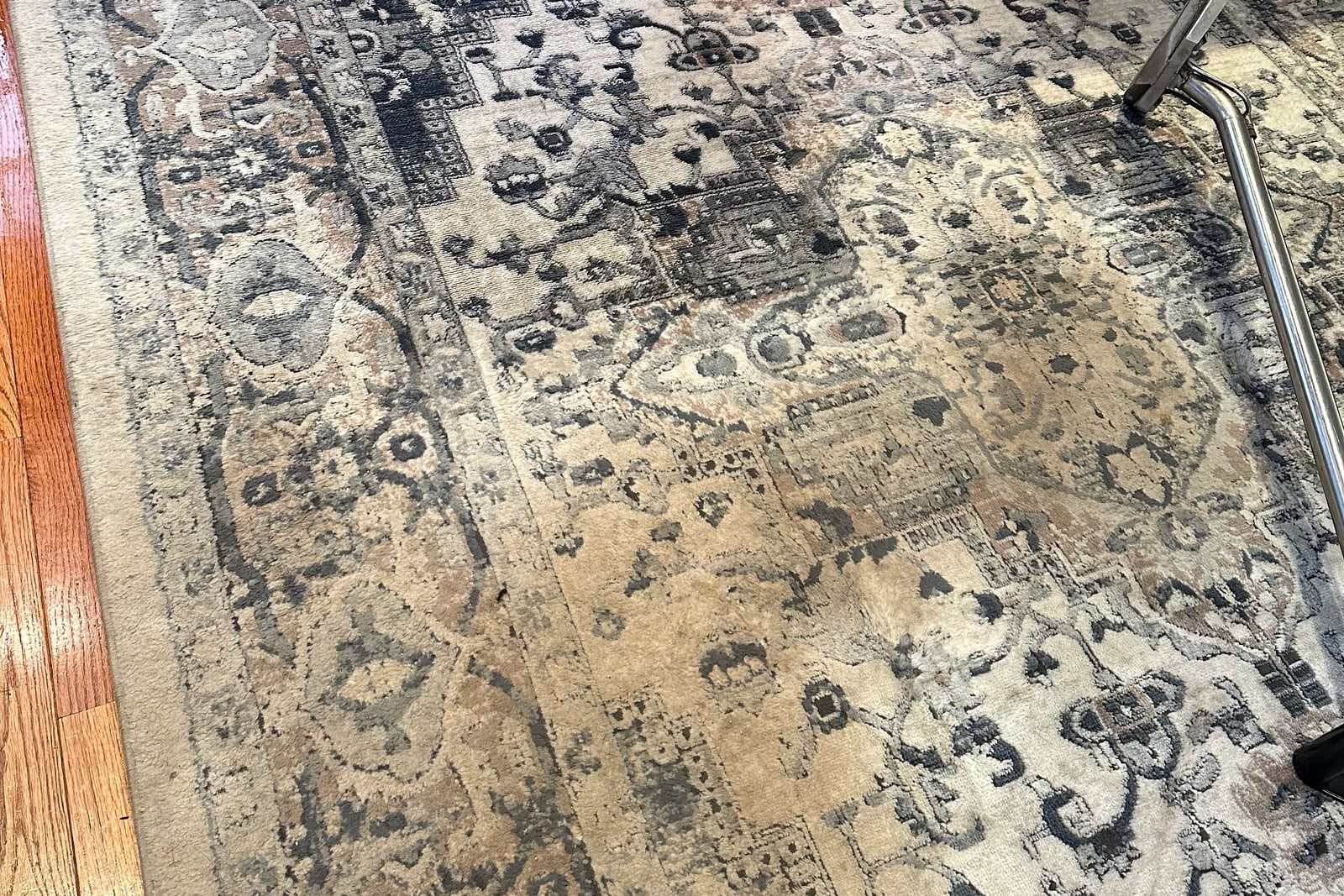
Before
After
Nothing was added to this rug
A layer of dust across the top of the pile scatters light instead of letting it reflect off the dyed fiber, so every color reads a shade duller and the pattern flattens. Take the dust off and people describe the color coming back. It never went anywhere.
Both pairs at full sizeSection C
Google’s own review topics, with Google’s counts.
Smells and pet stains that keep coming back
A pet stain that returns a week after cleaning was never fully removed. The liquid went through the carpet into the padding underneath, and as the carpet dried it wicked back up and brought the stain with it. Clean the surface again and the same thing happens again.
So it gets treated as a depth problem. Where urine has soaked through, the padding is where the smell lives, and that is where the treatment goes. Same logic in a sofa, where the odor is in the foam of the cushion rather than on the fabric.
We used Carpet Cleaning Wizards to remove dog urine from a large area carpet. Jacob was timely in arrival, professional and friendly. He was efficient in taking care of the job and very pleasant while doing it. Would recommend this business.
 Area carpet, dog urine · · Google
Section D
Where we work
We come to the property. There is no shop to bring anything to and no address to visit — the van is the business, and it covers the eight counties below.
- 01Bergen CountyAllendale · Alpine · Bergenfield · Bogota
- 02Essex CountyBelleville · Bloomfield · Caldwell · Cedar Grove
- 03Hudson CountyBayonne · East Newark · Guttenberg · Harrison
- 04Middlesex CountyCarteret · Cranbury Township · Dunellen · East Brunswick
- 05Morris CountyBoonton Town · Boonton Township · Butler · Chatham Borough
- 06Passaic CountyBloomingdale · Clifton · Haledon · Hawthorne
- 07Somerset CountyBasking Ridge · Bedminster · Bernards Township · Bernardsville
- 08Union CountyBerkeley Heights · Clark · Cranford · Elizabeth
Town pages
- Allendale
- Alpine
- Basking Ridge
- Bayonne
- Bedminster
- Belleville
- Bergenfield
- Berkeley Heights
- Bernards
- Bernardsville
- Bloomfield
- Bloomingdale
- Bogota
- Boonton
- Boonton
- Bound Brook
- Branchburg
- Bridgewater
- Butler
- Caldwell
- Carlstadt
- Carteret
- Cedar Grove
- Chatham
- Chatham
- Chester
- Chester
- Clark
- Cliffside Park
- Clifton
- Closter
- Cranbury Township
- Cranford
- Cresskill
- Demarest
- Denville
- Dover
- Dumont
- Dunellen
- East Brunswick
- East Hanover
- East Newark
- East Orange
- East Rutherford
- Edgewater
- Edison
- Elizabeth
- Elmwood Park
- Emerson
- Englewood
- Englewood Cliffs
- Essex Fells
- Fair Lawn
- Fairfield
- Fairview
- Fanwood
- Far Hills
- Florham Park
- Fort Lee
- Franklin
- Franklin Lakes
- Garfield
- Garwood
- Glen Ridge
- Glen Rock
- Green Brook
- Guttenberg
- Hackensack
- Haledon
- Hanover
- Harding
- Harrington Park
- Harrison
- Hasbrouck Heights
- Haworth
- Hawthorne
- Helmetta
- Highland Park
- Hillsborough
- Hillsdale
- Hillside
- Ho-Ho-Kus
- Hoboken
- Irvington
- Jamesburg
- Jefferson
- Jersey City
- Kearny
- Kenilworth
- Kinnelon
- Leonia
- Lincoln Park
- Linden
- Little Falls
- Little Ferry
- Livingston
- Lodi
- Long Hill
- Lyndhurst
- Madison
- Mahwah
- Manville
- Maplewood
- Maywood
- Mendham
- Mendham
- Metuchen
- Middlesex
- Midland Park
- Millburn
- Millburn and Short Hills
- Millstone
- Milltown
- Mine Hill
- Monroe Township
- Montclair
- Montgomery
- Montvale
- Montville
- Moonachie
- Morris
- Morris Plains
- Morristown
- Mount Arlington
- Mount Olive
- Mountain Lakes
- Mountainside
- Netcong
- New Brunswick
- New Milford
- New Providence
- Newark
- North Arlington
- North Bergen
- North Brunswick
- North Caldwell
- North Haledon
- North Plainfield
- Northvale
- Norwood
- Nutley
- Oakland
- Old Bridge
- Old Tappan
- Oradell
- Orange
- Palisades Park
- Paramus
- Park Ridge
- Parsippany-Troy Hills
- Passaic
- Paterson
- Peapack and Gladstone
- Pequannock
- Perth Amboy
- Piscataway
- Plainfield
- Plainsboro Township
- Pompton Lakes
- Prospect Park
- Rahway
- Ramsey
- Randolph
- Raritan
- Ridgefield
- Ridgefield Park
- Ridgewood
- Ringwood
- River Edge
- River Vale
- Riverdale
- Rochelle Park
- Rockaway
- Rockaway
- Rockleigh
- Rocky Hill
- Roseland
- Roselle
- Roselle Park
- Roxbury
- Rutherford
- Saddle Brook
- Saddle River
- Sayreville
- Scotch Plains
- Secaucus
- Somerville
- South Amboy
- South Bound Brook
- South Brunswick
- South Hackensack
- South Orange
- South Plainfield
- South River
- Spotswood
- Springfield
- Summit
- Teaneck
- Tenafly
- Teterboro
- Totowa
- Union
- Union City
- Upper Saddle River
- Verona
- Victory Gardens
- Waldwick
- Wallington
- Wanaque
- Warren
- Washington
- Washington
- Watchung
- Wayne
- Weehawken
- West Caldwell
- West Milford
- West New York
- West Orange
- Westfield
- Westwood
- Wharton
- Winfield
- Wood-Ridge
- Woodbridge
- Woodcliff Lake
- Woodland Park
- Wyckoff
On Google
Google Business Profile
Read 13 August 2026. No street address is listed because there is no shop — we come to the property.
Open the listing(opens in a new tab)The listing shows a service area rather than a shop, because that is what this is: there is no counter to visit and nothing to drop off. If you are inside one of the eight counties, the van comes to you.
Every town we coverSection E
Verbatim from the listing. Names, wording and dates are the reviewers’ own.
What customers wrote
5.0
323 Google reviews
Read 13 August 2026
- Google
Bob was great. He communicated clearly what the job would entail and was honest about what stains could not be 100% removed. Was happy with the service. The carpets looked brand new again!
Carpet
- Google
Jacob was the best. We had a pet accident that he took care of. He was quickly able to clean an area rug and honestly saved the day. Great work, will call again.
Area rug, pet accident
- Google
There was a big difference in the living room rugs. Extraction brought out layers of dirt. Nearly invisible stains remain. Completely happy.
Living room rugs


Section F
Questions we get asked
How often should carpet be professionally cleaned?
Every 6–12 months for most homes. Where you land in that range depends on traffic and pets: a hallway in a house with a dog and children is at the short end, a spare bedroom nobody walks through can go a year or more.
How long before we can walk on it?
Most carpet is walkable within a couple of hours and dry the same day. Fabric sofas take 4 to 8 hours and leather is faster. If a room needs to be back in use sooner, say so when you book and we bring air movers.
Are the products safe around children and pets?
We use non-toxic, biodegradable products, safe around family and pets. Nothing we bring into a house needs the windows opened afterwards or the dog kept elsewhere for the day.
Can you get an old pet stain out?
Often, because the odor usually lives in the padding rather than the carpet and that is where it gets treated. Where urine has already changed the color of the fiber, cleaning will not bring that color back, and we will tell you that before you book rather than after.
Do you have a shop we can bring rugs to?
No — we come to you. Everything is cleaned in the home, including area rugs and the hardwood or tile underneath them, across all eight counties we cover.
More of them — rugs, leather, water damage — on the questions page.
Tell us what needs cleaning
Send a few details and we will come back with a written estimate. If it is easier, call and speak to the person who will be doing the work.