
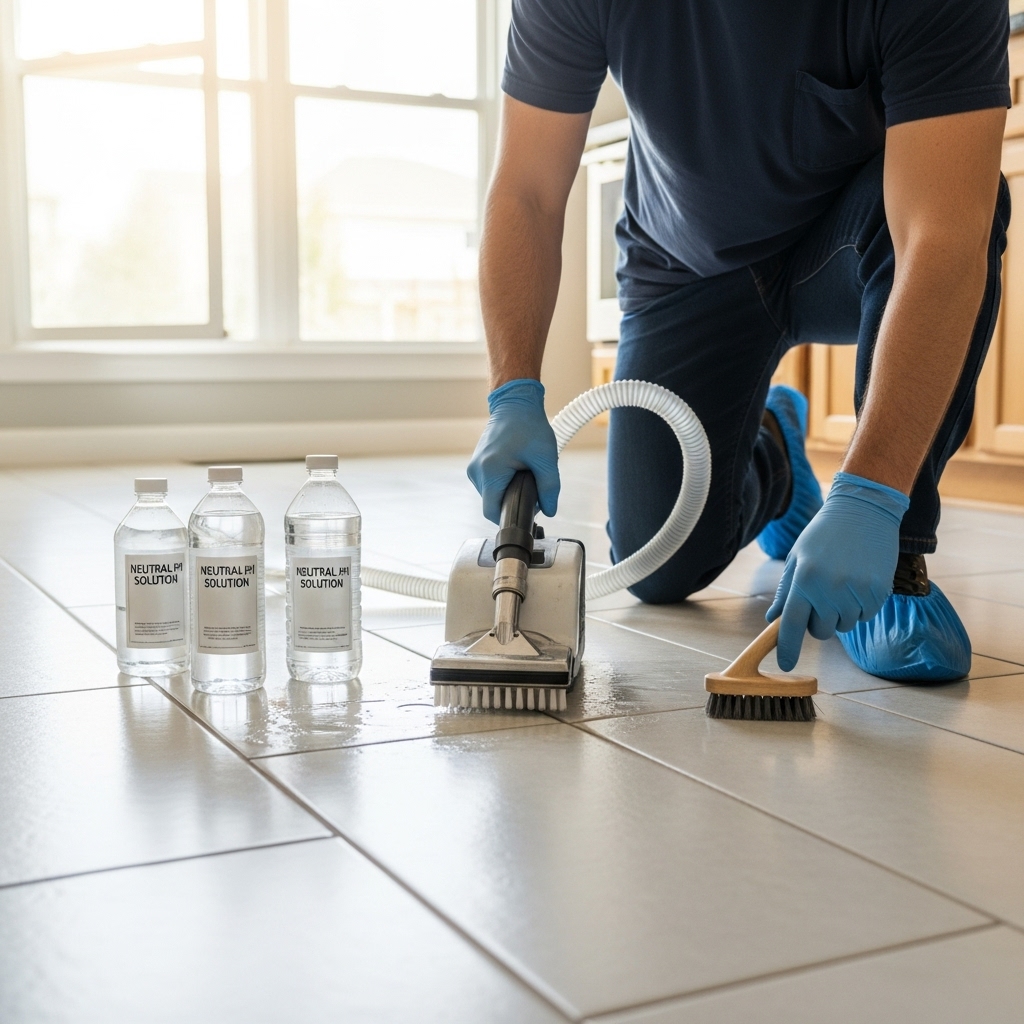
Discover the Best Tile and Grout Cleaning Service in Elizabeth, New Jersey
Your tile floors and grout lines work hard every day, standing up to muddy boots in winter, splashes around the kitchen, and the humidity that comes with summers in Elizabeth, New Jersey. Over time, soil settles deep into porous grout, films build on tile, and at-home mopping stops delivering that like-new shine. If you are searching for truly reliable results, the hallmark of the best service is consistent transformation—floors that look brighter, feel cleaner underfoot, and stay that way longer. As you explore options, you will see why choosing expert tile and grout cleaning sets the standard for a fresher, healthier home.
In this comprehensive guide, you will find what defines “best” in the world of tile and grout care, how professionals approach deep cleaning, what makes Elizabeth’s homes unique, and the practices that keep your surfaces looking excellent month after month. Whether you live near the bustling Port of Elizabeth, in a quiet North Avenue neighborhood, or in a historic property off East Jersey Street, the right service can protect both your tile’s appearance and the investment you have made in your home.
What “Best” Really Means for Tile and Grout Cleaning
The word “best” should be more than a marketing claim. It should describe a consistent experience built on training, process, and outcomes. When you evaluate providers in Elizabeth, consider the following core pillars:
- Technical expertise: Trained technicians who understand tile species (porcelain, ceramic, natural stone such as marble, limestone, slate), grout types (sanded vs. unsanded), and the chemistry required to remove soil while preserving finishes.
- Professional-grade equipment: Controlled pressure, heat, and extraction to lift embedded grime from grout channels without damaging surfaces or forcing moisture beneath tiles.
- Surface-safe chemistry: Solutions balanced for pH and material compatibility, paired with dwell times and agitation that break soil bonds effectively.
- Protective finishes: Options for grout sealing or specific tile protectants that slow re-soiling and make routine cleaning easier.
- Transparent process: A step-by-step approach you can understand and trust—inspection, testing, preparation, cleaning, detailing, and post-care guidance.
- Hygiene and air quality: Methods that minimize aerosolized dust and capture slurry for a cleaner, healthier indoor environment.
True quality shows in the details: edge-to-edge coverage, attention to corners, baseboards, and thresholds, careful protection for nearby furnishings, and respectful communication about your goals, timeline, and expectations.
Local Factors in Elizabeth, NJ That Affect Tile and Grout
Elizabeth’s climate, lifestyle, and housing types all shape how tile and grout age. Winters can bring slush, salt, and grit from driveways and sidewalks into entryways and kitchens. Spring and summer humidity causes sticky soils to cling and darken grout lines. In high-traffic homes—especially multi-generational households—kitchens, mudrooms, and bathrooms see amplified wear. Meanwhile, older houses may have grout that is uneven or cracked, which traps soil and makes DIY cleaning difficult. Apartment buildings and townhomes may have shared entryways that increase dirt load. Understanding these local realities helps the best services tailor their approach and recommend the right maintenance plan for your schedule.
The Professional Process: Step-by-Step Deep Clean
While every company has its own workflow, the best tile and grout cleaning process tends to follow a proven structure designed for thoroughness and safety:
- Inspection and testing: Evaluate tile material and grout condition, note any loose tiles or cracked grout, and test chemistry on a small, inconspicuous area.
- Dry soil removal: Vacuum edges and open areas to pull up grit that can scratch surfaces during wet cleaning.
- Pre-treatment: Apply targeted solutions to start dissolving oils, soap film, kitchen residues, or mineral build-up.
- Dwell time and agitation: Allow chemistry to work, then agitate with brushes matched to grout hardness and tile durability.
- Controlled rinsing and extraction: Use specialized tools that combine heated water, pressure, and immediate vacuum recovery to lift embedded soil without over-wetting.
- Detailing: Hand-scrub edges, corners, and tricky transitions where machines cannot reach, then wipe and dry surfaces for inspection.
- Optional sealing: Apply a penetrating grout sealer to reduce porosity and slow future staining.
- Final walk-through and aftercare: Review results with the homeowner and provide guidance on neutral cleaners and maintenance frequency.
Each step exists to protect your surfaces while maximizing soil removal. Good technicians treat grout as a unique material—porous, uneven, and often the first place to show age—rather than simply a line between tiles.
Surfaces and Situations the Best Services Handle
Not all tile is alike. Elizabeth homes feature porcelain and ceramic in kitchens, glass mosaics in showers, and natural stone in entryways or bathrooms. The best providers adjust to these contexts and challenges:
- Kitchen floors and backsplashes: Grease vapors and cooking residues lead to dull film; grout in traffic lanes becomes darker and sticky.
- Bathrooms and showers: Soap scum, body oils, and hard water deposits cling to grout and textured tile surfaces.
- Entryways and mudrooms: Road salt, fine grit, and moisture accelerate wear and discoloration in grout channels.
- Sunrooms and basements: Temperature swings and humidity can cause efflorescence (white mineral deposits) and stubborn haze.
- Natural stone care: Marble and limestone require gentler chemistry and may benefit from specific poultices or specialized sealing strategies.
The best services adapt to these differences, protecting delicate finishes while delivering transformative results.
Benefits You Can See and Feel
When tile and grout are truly clean, it changes the way a room looks and functions. Fresher grout tones make tile patterns pop. Floors feel smoother. Odors diminish, and cleaning becomes easier day to day. A deep clean can also improve indoor hygiene by removing invisible films and residues where bacteria cling. Sealed grout resists the quick reappearance of traffic lanes, preserving your results longer. For homeowners planning to sell, clean tile elevates photos and first impressions; for those staying put, it restores pride of place and comfort underfoot.
DIY vs. Professional: Knowing When to Call in Help
Routine upkeep—sweeping, vacuuming with a hard floor setting, and damp mopping with a neutral cleaner—goes a long way. But embedded stains, uniform dark grout, or textured tiles that never look “done” after mopping are clear signs of deeper soil. If knees-on-the-floor scrubbing only brightens a small test patch and the rest remains dingy, professional help is the sensible next step. Trained technicians use uniform, controlled extraction that homeowners cannot replicate with household tools. This precision matters most in showers, high-traffic kitchens, and porous grout lines that keep pulling soil back to the surface after each mop.
How to Choose the Best Service in Elizabeth
Selecting a standout provider is easier with a checklist:
- Training and certifications relevant to hard surface care.
- Before/after photos with consistent lighting and close-ups of grout lines.
- Clear explanation of chemistry, pressure, and extraction methods.
- Written aftercare guidance and maintenance recommendations.
- Respect for your home: protective drop cloths, shoe covers, and careful handling of adjacent finishes.
- Local references and experience with Elizabeth neighborhoods and building types.
Ask specifically about grout sealing and how it might help in your kitchen, bath, or entryway. The best services tailor their advice to your lifestyle, not a one-size-fits-all script.
Maintenance That Keeps Results Going
Once your tile and grout look renewed, a simple routine sustains them. Sweep or vacuum several times a week, especially in entryways and kitchens. Damp mop with a neutral pH cleaner designed for tile to avoid leaving a sticky film. Use floor mats at entries to capture grit and salt. In showers, squeegee walls and floors after use to reduce soap and mineral build-up. Spot-treat spills promptly, and avoid harsh acids or bleach on natural stone. Periodically evaluate traffic lanes; if you notice darkening grout or film returning, schedule a professional refresh before the problem becomes entrenched.
Midway Guidepost: Why Method Matters
There is a reason professional results look better and last longer: the marriage of chemistry, mechanical agitation, and controlled extraction. Without that trio, soil stays suspended on the surface, dries into a thin film, and quickly dulls your floor. If you want to learn more about the science and practical steps involved in expert tile and grout cleaning, look for providers who explain their process clearly and show it in action during a walkthrough. Clarity builds trust—and trust leads to floors you love walking on.
Common Mistakes to Avoid at Home
Even well-meaning care can create problems. Avoid mixing chemicals (for example, pairing ammonia-based cleaners with bleach, which is hazardous), using oil-based soaps that leave residue, or scrubbing with metal pads that scratch tile and fray grout edges. Overuse of vinegar on natural stone can etch surfaces. Excess water during DIY cleaning can push dirty solution deeper into grout channels. When in doubt, test products in a small spot, read labels carefully, and prioritize neutral cleaners designed for tile.
Frequently Asked Questions
How often should tile and grout be professionally cleaned?
For busy Elizabeth households, kitchens and entryways often benefit from a professional deep clean every 12–18 months, while lower-traffic areas may go longer. Showers and baths may need more frequent attention depending on ventilation and usage.
Will professional cleaning damage my tile or loosen grout?
When performed correctly with appropriate pressure and chemistry, professional cleaning is surface-safe. Pre-inspection identifies any cracked grout or loose tiles that should be addressed before or during service.
Do I need grout sealing?
Most cementitious grout benefits from a penetrating sealer after cleaning. Sealing helps resist staining and slows re-soiling, making maintenance easier. Epoxy grout typically does not require sealing.
What about natural stone?
Marble, limestone, and travertine require tailored chemistry and gentle methods. A qualified provider will adjust processes and may recommend specialized sealers for stone.
How long until I can walk on the floor?
Light foot traffic is usually fine shortly after cleaning once surfaces are dry. If a sealer is applied, follow the provider’s guidance on cure times before normal use or wet exposure.
Can professional cleaning remove all stains?
Many stains respond well, but some deep-set discoloration, dye migration, or grout that has physically darkened over years may require color sealing or grout repair. A technician should set realistic expectations during the inspection.
What should I do before the appointment?
Pick up small items from floors, clear sensitive breakables, and ensure access to water and power. Vacuum or sweep to remove loose debris if requested.
Ready for a Noticeable Upgrade in Your Home?
Your tile deserves the same care and precision you give the rest of your home. If you are ready to refresh kitchens, baths, and entryways with a process built on training, chemistry, and respect for your surfaces, schedule a visit today. Start with trusted tile and grout cleaning and enjoy brighter grout lines, cleaner tile, and a home that feels newly polished the moment you step inside.