Professional Carpet Cleaning Services in Elizabeth, New Jersey: A Complete Guide
If you live or work in Elizabeth, New Jersey, you know how much daily life can track soil, moisture, and allergens into your home or business. Between seasonal weather shifts, foot traffic from commuters, and busy family schedules, carpets work hard—and so should your plan to care for them. This guide explains how professional cleaners restore carpet appearance, improve indoor air quality, and extend the usable life of your flooring. It covers methods, schedules, stain strategies, and what to expect from a qualified provider so you can make confident decisions. To start exploring options, many residents compare local carpet cleaning services to understand methods and service offerings before booking.
Why Professional Carpet Cleaning Matters
Vacuuming captures dry soil, but it cannot fully remove embedded grit, sticky residues, or microscopic allergens. Over time, abrasive particles scratch carpet fibers, diminishing color and texture. Professional cleaning suspends and extracts soil at depth, revitalizing pile, removing odors, and reducing contaminants that contribute to allergies. Done properly, it helps carpets maintain resilience, which supports long-term value and a cleaner indoor environment.
Carpet Construction and Soil Types
Every carpet is a combination of fiber, dye system, backing, and pile design. Nylon stands up to abrasion and recovers well; polyester resists water-based stains and offers vibrant color; olefin (polypropylene) manages moisture and is common in basements and commercial spaces; wool provides luxury, warmth, and natural resilience. Understanding the fiber type guides chemistry choices, water temperature, and agitation levels. Equally important is recognizing soil types: dry particulate (sand, dust), oily residues (cooking vapors, body oils), water-soluble spills (beverages), and protein-based contaminants (food, pet accidents). Each responds best to specific preconditioning solutions and dwell times.
Common Professional Cleaning Methods
Professionals select the method that aligns with carpet material, soil load, and building needs. The most recognized approaches include:
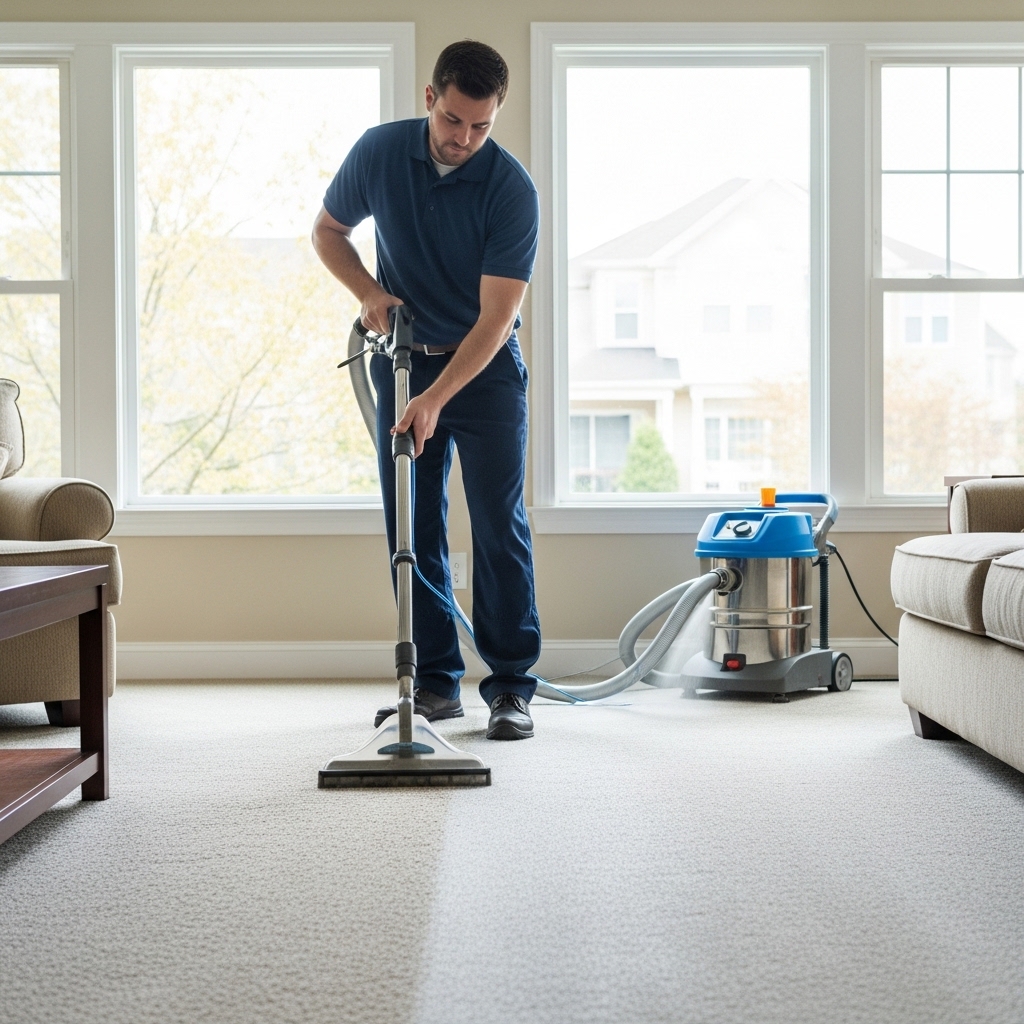
- Hot Water Extraction: Sometimes called steam cleaning, this method uses preconditioning detergents to break down soil, followed by a pressurized rinse and powerful vacuum extraction. It is widely recommended by manufacturers for residential carpets when performed with correctly balanced chemistry and proper drying practices.
- Low-Moisture Encapsulation: A polymer-based cleaner surrounds soil particles, which are then removed during post-vacuuming. Encapsulation is valued for quick dry times, making it popular in commercial maintenance programs and light-to-moderate soil scenarios.
- Bonnet Maintenance: An absorbent pad agitates and lifts surface soil. This method can refresh appearance between deeper cleanings but is not a substitute for periodic restorative extraction.
- Dry Compound: A minimally wet granular compound applied and agitated into the carpet absorbs soil; it is then vacuumed away. Useful for moisture-sensitive installations.
Experienced technicians often combine methods across areas of a property, choosing restorative extraction in heavy-use zones and encapsulation for ongoing maintenance in lower-traffic rooms.
What a Thorough Professional Process Looks Like
- Inspection and Testing: The technician identifies fiber type, pre-existing conditions, problematic stains, and areas of wear. They test for colorfastness and set expectations for achievable results.
- Dry Soil Removal: Commercial-grade vacuuming lifts dry particulate that would otherwise turn to mud under moisture.
- Preconditioning and Agitation: A targeted solution breaks down oily binding agents and residues. Mechanical or manual agitation moves the chemistry through the pile for even coverage.
- Suspension and Dwell: Time is given for the solution to work, without allowing it to dry on the fiber.
- Rinse and Extraction: A balanced rinse removes loosened soils, chemistry, and allergens, pulling them into recovery tanks.
- Spot and Stain Treatment: Specialized techniques are used after the main rinse for stubborn challenges like coffee, dye transfers, and filtration lines.
- Grooming: Pile grooming aligns fibers for faster drying and a uniform finish.
- Drying Acceleration: Air movers and ventilation reduce dry time, minimizing resoiling and disruption to your routine.
Stains, Spots, and Odors: What You Should Know
A spot is a foreign substance on the fiber; a stain is a permanent color change in the fiber. Many spots are removable with the right chemistry and process, while stains may be reduced or re-dyed depending on severity. Protein-based spills, petroleum residues, synthetic dyes, and tannins each respond to different approaches. Odors often arise from organic residues or moisture trapped in backing and cushion. Urine, for example, shifts pH as it dries, forming salts that continue to attract moisture and release odor. Professionals address both the surface contamination and, when needed, sub-surface extraction to reach the backing.
Drying, Resoiling, and Long-Term Appearance
Fast, even drying is essential to maintain results. When residues remain, carpets can resoil prematurely because sticky leftover surfactants attract dirt. Balanced chemistry and thorough rinsing prevent this, while pile grooming reduces matting and wicking. Good airflow plus climate controls typically support dry times in a few hours, though conditions vary with humidity and air movement. Avoid heavy foot traffic until the carpet is fully dry, and place walk-off mats at entries to reduce future soil load.
Recommended Cleaning Frequency
The right schedule depends on occupancy, lifestyle, and warranty requirements. Homes with children and pets often benefit from professional cleaning every 6 to 12 months. Elderly households or low-traffic rooms may stretch longer, while busy living areas, stairs, and hallways need more frequent attention. Commercial spaces usually adopt maintenance programs with monthly, quarterly, or semiannual service to break soil cycles and preserve a consistent appearance.
How to Prepare for Your Appointment
- Declutter floors to allow unobstructed access to all areas.
- Point out concerns during the walkthrough, including recurring spots, pet zones, or draft marks along baseboards.
- Secure pets and plan for drying time in main pathways.
- Identify delicate furnishings or items that should not be moved; most technicians shift light furniture within reasonable limits and protect feet with tabs.
- Ensure parking and entry access, especially in multi-unit buildings.
Choosing the Right Provider
Look for trained technicians with recognized credentials, clear pre-inspection practices, documented processes, and strong local references. Insurance and appropriate business licensing demonstrate professionalism. Ask about chemistry choices, fiber-safe temperatures, and drying strategies. Providers who offer tailored options for wool, olefin basements, or mixed-fiber stair runners show the expertise needed to treat each area appropriately. Many Elizabeth residents compare providers by reviewing service menus, certifications, and maintenance plans linked to ongoing carpet cleaning services that fit their lifestyle and property type.
Common Mistakes to Avoid
- Overwetting: Excessive moisture can cause slow drying, browning, and odor. A skilled technician balances solution volume and recovery.
- Harsh Chemistry: Strong alkalinity or oxidizers may dull or discolor certain fibers. Balanced, fiber-appropriate products protect color and texture.
- Skipping Pre-Vacuuming: Extracting without removing dry soil reduces cleaning efficiency and can create mud that is harder to rinse.
- Ignoring Filtration Soiling: Dark lines along walls need targeted treatment and may require multiple passes with specialized products.
- Using Untested Spotters: Household treatments can set stains or strip color. Blot, do not rub, and wait for professional guidance if unsure.
Add-On Services That Support Results
- Carpet Protector: Helps repel spills long enough to blot before they set, and reduces abrasive wear by limiting particle adherence.
- Deodorizing and Odor Control: Addresses the source of odors and neutralizes malodors without heavy masking scents.
- Pet-Specific Treatments: From detection to sub-surface extraction, these services resolve odor at its origin.
- Upholstery and Area Rug Cleaning: Coordinated service keeps textiles fresh across the whole room.
- Tile, Stone, and Grout Care: Reduces soil transfer between hard floors and adjacent carpeted areas.
Elizabeth, New Jersey Considerations
Local climate and urban density shape carpet care strategies. Winter slush brings in de-icing residues that leave white edges on darker fibers; spring rains increase humidity, extending dry times without proper airflow; summer heat pushes more body oils into fibers; autumn leaf debris adds tannins and fine particulates. Entry mats, seasonal maintenance, and timely professional cleaning help manage these cycles. In multifamily buildings, communication with property managers about elevator access and service hours ensures smooth appointments. For commercial properties, after-hours scheduling can minimize business disruption.
Healthy Home Benefits
Cleaner carpets support healthier indoor air. By removing accumulated dust, pet dander, and allergens, professional cleaning reduces triggers that affect sensitive occupants. Rinsing away sticky residues limits future soil bonding and keeps floors feeling softer underfoot. Regular maintenance also supports a more hygienic environment for children who play on carpets and for pets that nestle into the pile.
Myths and Realities
- Myth: Cleaning makes carpets get dirty faster. Reality: Residues cause rapid resoiling, not cleaning itself. Proper rinsing and neutralization leave carpets fresher for longer.
- Myth: All methods are the same. Reality: Each method has a best-fit scenario depending on soil levels, fiber type, and time constraints.
- Myth: DIY machines match professional outcomes. Reality: Professional equipment and experience achieve deeper, safer results with faster dry times and better stain reduction.
- Myth: Protector is unnecessary. Reality: Modern protectors help prevent permanent staining and reduce abrasive wear in high-traffic zones.
Maintenance Between Professional Visits
- Vacuum high-traffic areas several times a week with a quality machine and a properly adjusted beater bar or brush roll.
- Address spills immediately by blotting with a clean, white towel. Work from the edges inward to avoid spreading.
- Rotate furniture and use runners on halls and stairs to distribute wear patterns.
- Use entry mats indoors and outdoors to capture soil before it reaches the carpet.
- Change HVAC filters regularly to reduce airborne particulates that settle into the pile.
Frequently Asked Questions
Q: How long will my carpets take to dry after a professional cleaning? A: Typical dry times range from a few hours to the same day, depending on humidity, airflow, and method. Technicians can use air movers to speed drying.
Q: Will professional cleaning remove all stains? A: Many stains can be significantly reduced or removed, but permanent color loss or dye transfers may not be fully correctable. A pre-inspection sets realistic outcomes.
Q: Is hot water extraction safe for wool? A: Yes, when performed with wool-safe chemistry, moderated temperature, controlled moisture, and careful extraction.
Q: How often should I schedule cleaning? A: Most homes benefit from every 6 to 12 months, with higher-traffic areas cleaned more often. Commercial spaces typically follow a maintenance plan.
Q: Can pet odors be fully eliminated? A: Odor can be resolved when the source is identified and treated, sometimes requiring sub-surface extraction to reach pad-level contamination.
Q: Do I need to move furniture? A: Technicians commonly move small items and light furniture. Discuss large or delicate pieces during the pre-inspection.
Q: Are green products effective? A: Yes. Modern eco-conscious formulas clean efficiently while supporting indoor air quality and reduced environmental impact.
Q: What should I do if a spot reappears? A: Wicking can bring residues to the surface as the carpet dries. Contact your provider for a follow-up; additional passes often resolve the issue.
Take the Next Step in Elizabeth
Fresh, healthy carpets are achievable with the right plan and a reliable partner. Whether you want a one-time restorative clean or an ongoing maintenance schedule, choose a team that inspects thoroughly, communicates clearly, and cares for your flooring as if it were their own. If you are ready to explore trusted options, compare local carpet cleaning services and schedule a convenient appointment that fits your routine.