DIY Sofa Cleaning Machine Rental in Elizabeth, NJ: Pros and Cons
Renting a machine to clean your sofa can feel empowering. You set the schedule, control the process, and tackle stains the moment motivation strikes. In Elizabeth, New Jersey—where apartments, townhomes, and single-family houses coexist—DIY options are accessible and tempting. Before you carry a unit up the stairs and start spraying, it helps to understand what rental machines do well, where they struggle, and how to avoid common pitfalls. For comparison, you might also look at local sofa cleaning services that handle delicate fabrics and tricky stains with tools you may not have at home. This guide lays out a balanced view so you can make an informed choice.
Understanding Rental Machines
Most rental units are compact extractors designed primarily for carpets but sometimes adapted with upholstery tools. They apply solution, agitate lightly, and vacuum out the moisture. Some models include heat; others rely on room temperature water. Compared with professional equipment, rentals generally have lower suction, less heat stability, and fewer specialized attachments.
Key implications of this difference include longer dry times, reduced ability to flush deeply embedded soils, and a higher risk of leaving residue if not rinsed properly. That does not mean rentals are ineffective—only that their best use cases are moderate soil levels on durable fabrics and maintenance between professional visits.
Pros of DIY Sofa Cleaning
-
Control and Convenience: You choose when to clean, pause for calls or errands, and focus on the worst spots.
-
Light Maintenance: For a lightly soiled sofa or quick refreshes before guests arrive, rentals can provide a visible lift.
-
Learning Opportunity: You gain insight into how your fabric responds to moisture and agitation, which can inform future care decisions.
-
Immediate Action: If a fresh spill occurs, a rental unit on the same day may prevent permanent staining by flushing contaminants before they set.
Cons and Limitations
-
Moisture Control: Over-wetting is the number one risk. Lower suction means more water can remain in the cushion, inviting wicking, rings, or slow drying.
-
Residue Risk: Incomplete rinsing leaves detergent residue that attracts soil, leading to dulling and rapid re-soiling.
-
Insufficient Heat and Pressure: Stubborn oily soils often need hotter, controlled rinses and stronger vacuum than rentals provide.
-
Fabric Sensitivity: S-coded or delicate fibers may suffer texture change or color bleeding when exposed to water-based methods.
-
Limited Spotting Chemistry: Advanced stain families—dyes, inks, tannins—typically require specialty agents and careful testing.
Fabric Codes and What They Mean
Before any DIY effort, find the fabric code on the tag or documentation. This code guides safe methods:
-
W: Water-based cleaning allowed.
-
S: Solvent-only; water can cause ringing or distortion.
-
WS: Water or solvent; choose cautiously based on testing.
-
X: Vacuum only; leave to professionals for specialized care.
When in doubt, patch test in a hidden area with a white cloth. Look for color transfer, texture change, or fuzzing. If anything seems off, stop and consult a pro.
Step-by-Step DIY Workflow
-
Vacuum Thoroughly: Use a crevice tool to remove debris from seams and under cushions. This reduces abrasives and prevents mud when moisture is added.
-
Pre-Treat Stains: Apply a fabric-appropriate spotter to problem areas, allowing recommended dwell time. Blot, do not scrub aggressively.
-
Mix Solution Correctly: Follow dilution instructions—stronger is not better. Excess concentrate increases residue and re-soiling.
-
Light, Even Passes: Apply minimal solution with overlapping strokes. Immediately follow with extraction-only passes to remove as much moisture as possible.
-
Rinse: If the machine allows, run a fresh-water rinse to remove detergents. Even a small rinse pass helps reduce stickiness.
-
Targeted Drying: Use towels to blot, then set up fans. If possible, lift cushions vertically to encourage airflow on all sides.
-
Groom: Brush nap lightly to restore texture and prevent matting lines.
Common Mistakes to Avoid
-
Soaking Cushions: Heavy saturation invites wicking and browning. Keep solution application conservative.
-
Skipping the Rinse: Detergent left behind will magnetize dust and oils. Always do extraction-only passes and, if possible, a clean-water rinse.
-
Using Multi-Surface Cleaners: Products not made for upholstery can be too alkaline or solvent-heavy, risking color shifts.
-
Scrubbing Hard: Aggressive agitation can fuzz fibers and distort the weave.
-
Ignoring Dry Times: Replacing throws or sitting too soon can imprint patterns or trap moisture.
When DIY Works Best
DIY shines when the fabric is W or WS-rated, the soil load is light to moderate, and you are disciplined about moisture and residue control. Maintenance passes between professional visits can keep a family sofa presentable and reduce the effort required during the next deep clean.
When to Call a Professional
Several scenarios benefit from trained hands and specialized equipment: S-coded fabrics, expensive or delicate textiles like linen or rayon blends, severe pet contamination, old set stains, dye transfer from clothing, and recurring rings from previous DIY attempts. If your sofa feels sticky after previous cleaning or re-soils quickly, residue removal with skilled rinsing will help reset the fabric.
Local Factors in Elizabeth, NJ
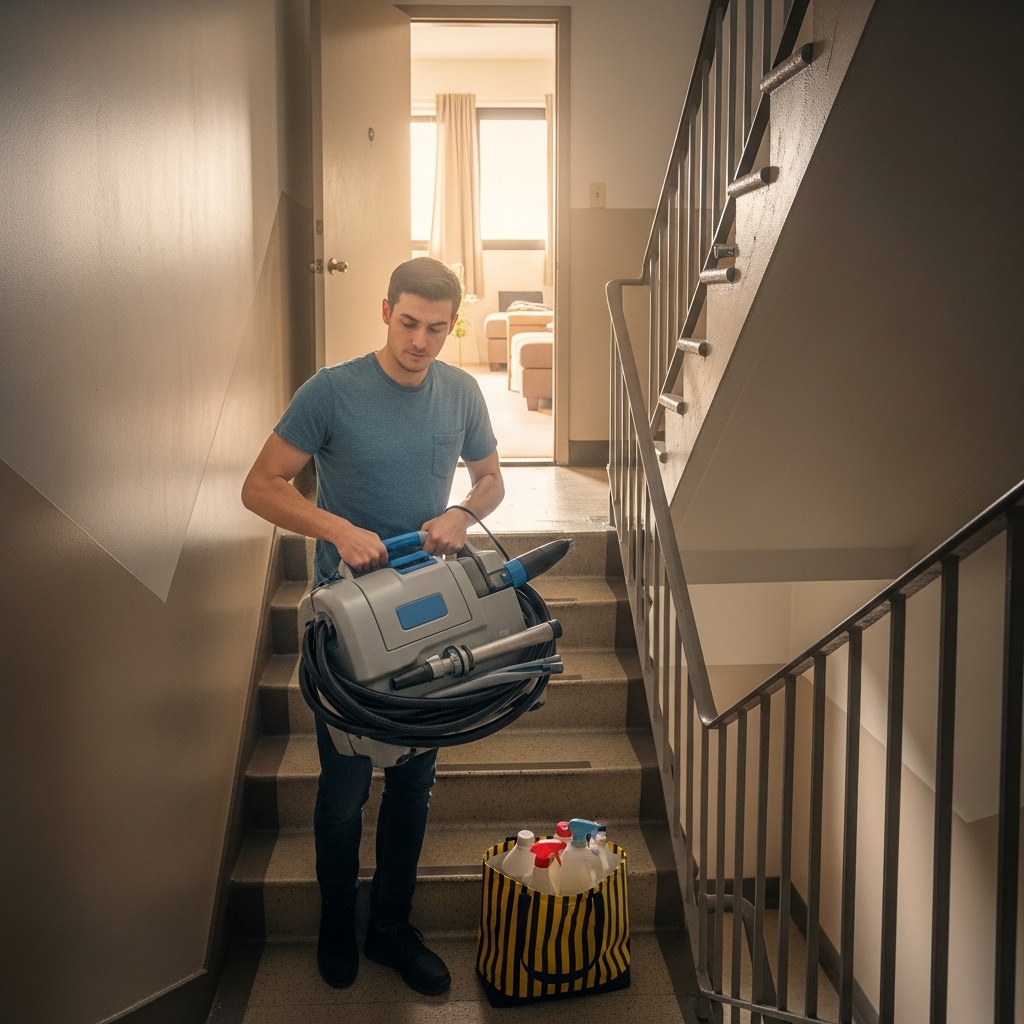
Urban living adds logistical challenges. Carrying a rental unit up multiple flights can be tiring and risky if the machine spills. Weather plays a role too—humid summers slow drying, while winter heating speeds it but may require anti-static care for synthetics. Plan your cleaning day around airflow opportunities: open windows when weather allows or position fans to create cross-ventilation.
Comparing DIY to Professional Methods
Professionals bring higher vacuum lift, more precise heat, and fabric-specific chemistry. They also perform testing to avoid unwanted changes in texture or color. The most meaningful difference is often the rinse: strong extraction leaves fibers residue-free and reduces future soil capture. Add-ons like protective treatment or enzymatic odor control can extend cleanliness and prevent odors from returning.
Midpoint Reality Check
If you start a DIY session and notice color transfer on your towel, a musty smell, or rings appearing during drying, it is wise to stop and reassess. Continuing can set problems deeper into the fiber. At this stage, seeking a local opinion or scheduling an inspection can salvage the project. For an overview of methods, you can compare how providers approach sofa cleaning in relation to your fabric code and stain types.
Eco and Health Considerations
Choose fragrance-free, fabric-safe products when possible and ventilate well. Keep children and pets away from the area until the sofa is dry. Dispose of dirty solution responsibly and avoid pouring it into storm drains. Towels used to blot pet accidents should be laundered promptly.
Maintenance Between Cleanings
-
Weekly Vacuuming: Use a soft brush tool and low suction to avoid lifting fibers.
-
Rotate and Flip: Distribute wear by rotating cushions and flipping when construction allows.
-
Immediate Spill Response: Blot with clean white towels, working from the outside of the spill inward.
-
Sunlight Management: Protect from direct sun to reduce fading and fiber dehydration.
FAQs About DIY Sofa Cleaning
Will a rental machine remove set stains? Some stains lighten, but many set dyes and inks require specialized chemistry and controlled methods best handled by a pro.
How long should drying take? It varies with fabric and humidity. Aim for hours, not days. If cushions are still damp the next day, increase airflow and contact a professional if odor develops.
Is hot water always better? Not necessarily. Excess heat can set protein stains or affect certain synthetics. Follow product guidance and test first.
Can I use a steam-only device? Steam can distort fibers and cause rings, especially on delicate fabrics. It is generally not recommended for upholstery.
What if I see browning? Browning indicates cellulosic fibers wicking impurities. Stop adding moisture and consult a professional for corrective treatment.
Putting DIY Into Perspective
DIY upholstery cleaning is a useful tool in your home-care toolkit. For routine refreshes on safe fabrics, it can deliver a visible improvement. Recognize the limits, respect the fabric code, and keep moisture and residue in check. When the project involves delicate textiles, persistent odors, or stubborn stains, professional attention restores balance and prevents unintended consequences.
Ready to Decide?
Whether you handle light maintenance yourself or prefer a carefully managed visit from a trained team, the goal is the same: a comfortable, clean sofa that welcomes your family and guests. If you decide that expert help would bring safer, longer-lasting results, schedule a convenient appointment with a local sofa cleaning service that prioritizes testing, moisture control, and thorough rinsing.