
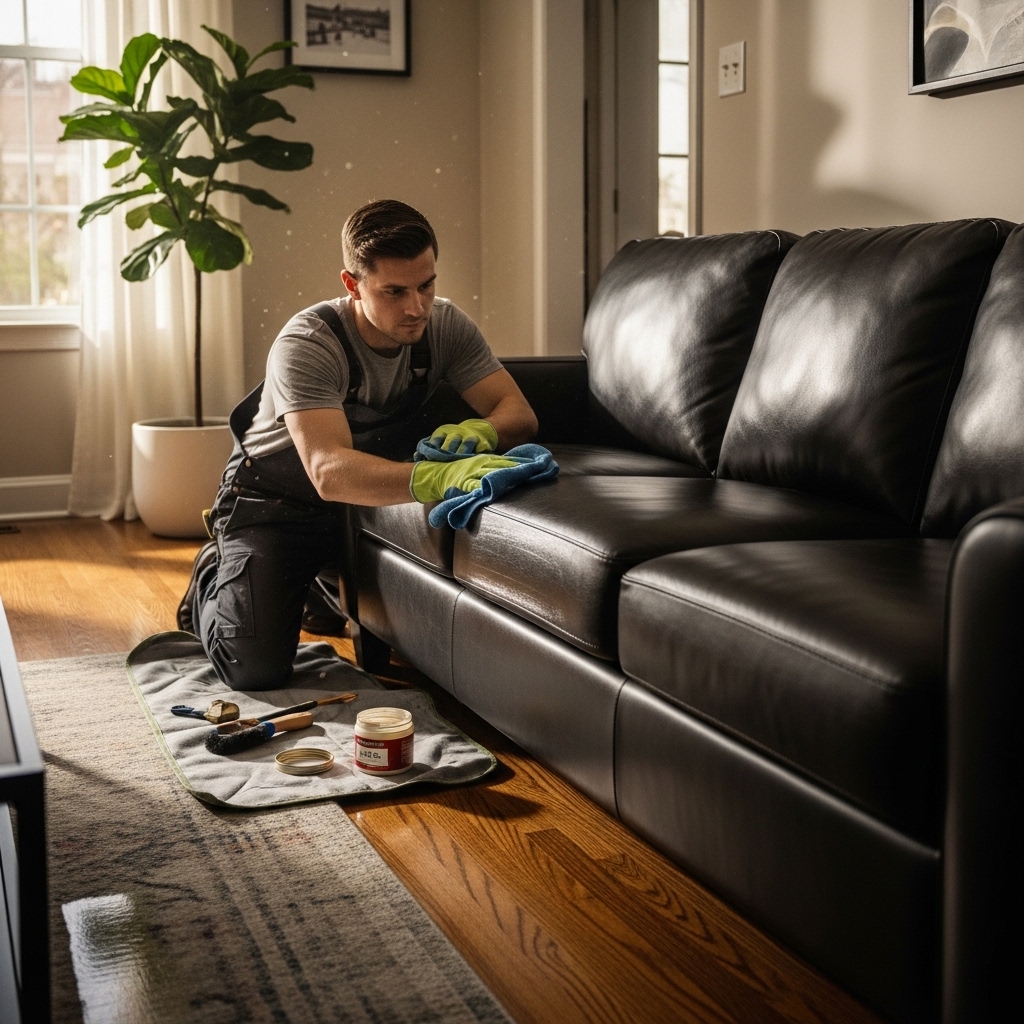
Leather Sofa Cleaning in Elizabeth, NJ: Safe Methods and Ongoing Care
Leather sofas combine comfort with timeless style, but they demand a different approach than fabric upholstery. Oils, dyes, and finishes react uniquely to cleaners and climate. If you have wondered how to maintain that supple feel without risking dryness, sticky residue, or color changes, this guide explains the essentials. You will learn how to identify your leather type, clean it safely, and protect it from everyday wear. If you are exploring local options for thorough sofa cleaning that include leather expertise in Elizabeth, New Jersey, the details below will help you evaluate providers and avoid common pitfalls.
Know Your Leather
Not all leather behaves the same. Understanding your type is step one because cleaning and conditioning vary accordingly.
-
Protected/Pigmented Leather: A durable coating shields the surface, making it more forgiving with gentle cleaners.
-
Aniline Leather: Dyed through without a protective topcoat; luxurious but sensitive to stains and sun.
-
Semi-Aniline: Gains a thin protective finish while keeping a natural look.
-
Nubuck/Suede: Sanded for a soft nap; extremely absorbent and fragile—requires specialized care.
Find clues on product documentation or ask the retailer. If unknown, a professional can often identify the type by appearance and water-response testing in an inconspicuous spot.
Daily and Weekly Care
-
Dust Regularly: Use a soft, dry cloth to remove grit that can abrade finishes.
-
Vacuum Crevices: A soft brush attachment picks up crumbs and pet hair without scratching.
-
Blot Spills Immediately: Absorb with a clean, dry cloth. Do not rub or apply water to aniline or nubuck.
-
Rotate Cushions: Equalize wear and maintain shape.
Safe Cleaning Methods
Cleaning leather is about gentle, minimal moisture and pH-appropriate products.
-
Protected Leather: A lightly damp microfiber with a leather-safe cleaner can remove body oils and surface grime. Follow with a dry cloth.
-
Aniline: Avoid water-based cleaning. Use specialized solutions sparingly and always test. Absorb spills quickly and consult a pro for stains.
-
Nubuck/Suede: Use a nubuck cloth or sponge to lift dry soils. Avoid liquid methods; consider professional attention for spots.
Conditioning Without Overdoing It
Conditioners replenish oils and keep leather supple. However, too much product can leave a sticky feel that attracts dirt. Apply light, even coats at intervals appropriate for your home’s climate and use patterns. Let products absorb fully and buff with a clean cloth for a natural sheen, not a greasy surface.
Dealing With Body Oils and Darkening
Arms and headrests accumulate natural oils that gradually darken leather, especially aniline. Address this routinely with approved cleaners to prevent deep penetration. On protected leather, gentle, frequent maintenance keeps the finish clear. On aniline, consult a specialist before attempting treatment, as aggressive efforts can worsen contrast.
Stains and Challenges
-
Ink: Highly mobile; avoid DIY unless instructed by a leather specialist. Professional spotters and swift response offer the best chance of improvement.
-
Grease: On protected leather, a leather-safe degreaser may help; on aniline, the stain can migrate and require expert care.
-
Dye Transfer: Dark clothing can transfer dye. Prompt, gentle attention gives the best outcome.
-
Water Rings: Occur on sensitive leathers when moisture moves through the surface unevenly. Blot immediately and call a pro.
Climate and Environment Considerations in Elizabeth, NJ
Seasonal humidity swings affect leather. Summer moisture can feel sticky; winter heat dries hides and encourages fine lines. Keep sofas away from direct heat sources and south-facing windows that magnify sun exposure. A stable environment helps maintain finish integrity and color uniformity.
Professional Leather Cleaning: What It Looks Like
Trained technicians begin with identification and testing. They remove dry soils, apply pH-appropriate leather cleaners, and work in sections to control moisture. Protected leathers may receive a gentle rinse and thorough drying. Aniline and nubuck are handled with specialty tools and products to avoid pushing stains deeper. Conditioning and, when appropriate, application of a protector complete the process, leaving a soft hand and a natural look.
What to Ask a Provider
-
Which leather types do you work with most often, and how do you identify mine?
-
What cleaners and conditioners do you use, and how do they align with my leather’s pH needs?
-
How do you manage dye transfer and ink on sensitive leathers?
-
What is your approach to drying and buffing to prevent residue?
Avoid These Common Mistakes
-
Using All-Purpose Cleaners: They can strip finishes and alter color.
-
Over-Wetting: Moisture can travel under the finish and create rings or stiff areas.
-
Over-Conditioning: Builds a sticky film that attracts soils.
-
Skipping Sun Protection: UV exposure dries and fades leather rapidly.
Odor and Hygiene
Leather itself does not harbor as much dust as fabric, but crevices and cushion gaps can. Regular vacuuming and occasional professional attention keep the seating area fresh. For households with pets, surface oils and dander accumulate and should be cleaned promptly to prevent dulling and odors.
Repair vs. Cleaning
Some issues require a leather repair specialist rather than routine cleaning: finish wear-through on armrests, deep scratches, color loss, or tears at seams. In these cases, color-matching and finish restoration may be necessary. A reputable cleaner will tell you when a repair pro is the right next step.
Mid-Guide Perspective Check
If you are uncertain about your leather type or notice color transfer on a test cloth, stop and consult an expert. Proceeding without clarity can set damage that is difficult to reverse. To understand how local providers tailor methods, review how they integrate leather care into broader sofa cleaning services and ask for details about product lines and testing protocols.
Protectors and Longevity
Modern protectors for leather can add a subtle barrier that resists dye transfer and body oils without changing the feel. Applied correctly, they make maintenance easier and help preserve color. Follow reapplication intervals recommended for your leather type and usage.
Routine Timeline
-
Weekly: Dust, vacuum crevices, and quick visual inspection for new marks.
-
Monthly: Light clean of high-touch areas on protected leather; adjust frequency for aniline and nubuck based on sensitivity.
-
Seasonally: Evaluate humidity effects, condition if needed, and adjust placement to reduce sun exposure.
FAQs: Leather Sofa Care
Will cleaning make leather shiny? No. Proper methods maintain the leather’s intended sheen. Over-conditioning can cause unnatural gloss, which is why moderation matters.
Can I use baby wipes? Avoid them. Many contain additives unsuited for leather finishes.
How do I handle pet scratches? Minor scuffs on protected leather may buff gently; deeper scratches and color loss need specialist repair.
Is conditioning always necessary? It depends on leather type and environment. Protected leathers need less frequent conditioning than aniline.
What if my sofa feels sticky after cleaning? This indicates residue or over-conditioning. A professional can remove build-up and restore a natural feel.
Bringing Confidence to Leather Care
Caring for leather balances cleanliness, protection, and restraint. Identify your leather, clean gently, and condition wisely. Maintain a stable environment and respond promptly to spills and marks. With the right habits—and occasional professional attention—your sofa will age gracefully and remain a centerpiece of comfort and style.
Restore the Beauty of Your Leather Sofa
If your leather sofa needs careful, product-smart attention, consider scheduling a visit from a team experienced with identification, testing, and finish-safe cleaning. Bring back a supple feel and natural look by booking a trusted sofa cleaning service that understands the nuances of leather across Elizabeth, NJ homes.