
Best Mattress Cleaning Machines for Home Use in Elizabeth, New Jersey
Keeping a mattress clean in Elizabeth, New Jersey requires a blend of smart tools, gentle methods, and attention to our region’s climate. While nothing replaces the precision of a trained professional for deep extraction and allergen reduction, the right home machines elevate your weekly and monthly maintenance. This comprehensive guide reviews the main types of mattress cleaning devices, how to choose among them, and how to use each safely without overwetting or damaging foam. We also map out maintenance routines that harmonize home efforts with occasional professional mattress cleaning for a sleep surface that stays fresher, longer.
Mattresses are multilayered and sensitive to moisture and heat. A tool that excels on carpets may be too aggressive for foam. Selecting the right machine means matching capabilities to the unique needs of quilting, batting, and cushion layers while respecting the limits of memory foam, latex, and hybrid builds.
Types of Home Machines and What They Do
Not all tools serve the same purpose. Understanding the categories helps you build a balanced kit:
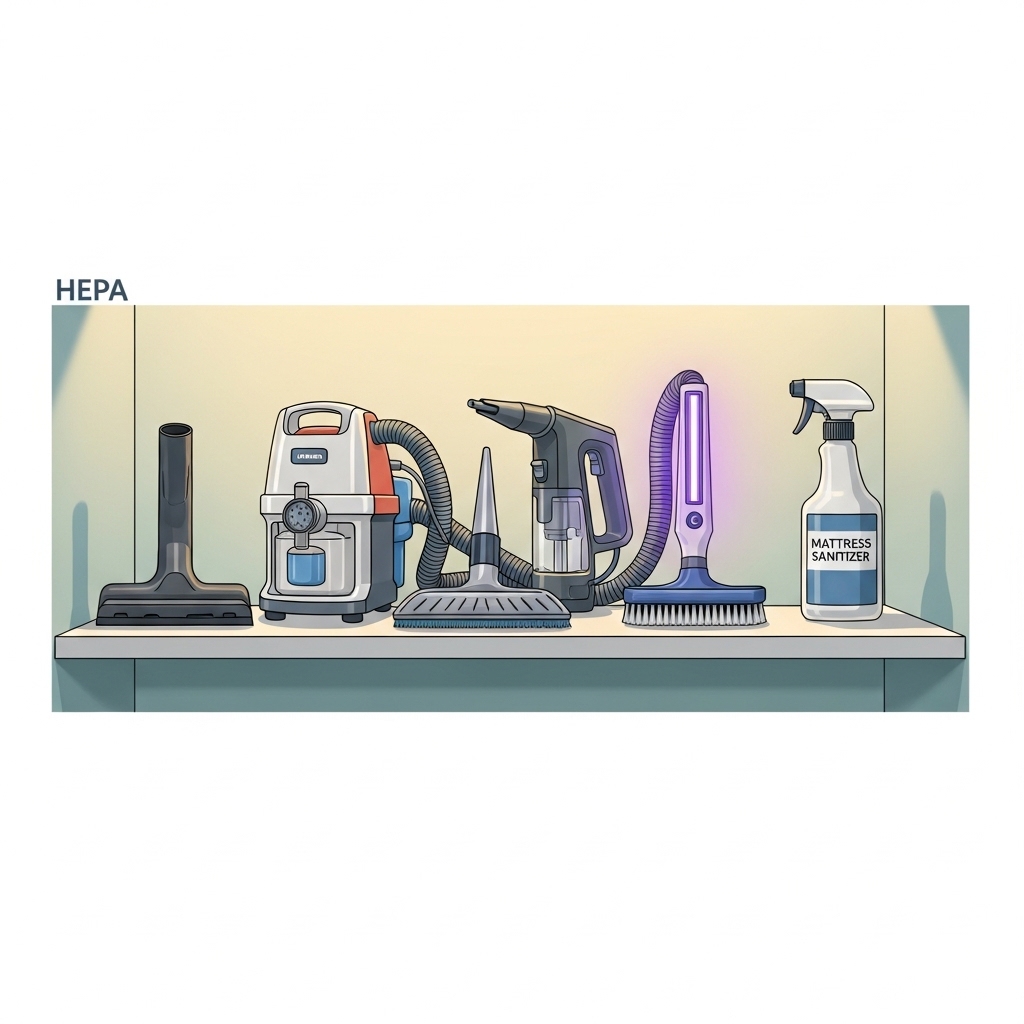
- HEPA Upholstery Vacuums: Capture fine dust, dander, and allergens from surface layers without scattering particles back into the air.
- Portable Extractors: Deliver controlled application and recovery of cleaning solutions for spot treatment and low-moisture rinsing.
- Steam Cleaners: Offer heat that can help with sanitation, but require precise technique to avoid overwetting or heat damage.
- UV Sanitizing Wands: Target microbial load on the surface; best as a supplementary step, not a replacement for extraction.
- Handheld Agitation Tools: Soft-bristle attachments lift debris from quilting and seams without tearing.
Combining these tools strategically gives you flexibility for daily touch-ups and post-spill responses without risking structural harm.
HEPA Upholstery Vacuums: First-Line Defense
A quality HEPA vacuum is the backbone of mattress care. Choose a model with strong, adjustable suction and a clean, dedicated upholstery tool. The HEPA filter traps fine particles rather than recirculating them. To use, make slow overlapping passes across the entire surface, focusing on sleep zones and edges where dust accumulates. Monthly vacuuming, or more often for allergy-prone households, significantly reduces the allergen load and odors.
Look for sealed systems that prevent bypass leakage, and maintain filters according to the manufacturer schedule. Keep a separate attachment for the mattress to avoid transferring soils from floors.
Portable Extractors: Controlled Spot Cleaning
Portable extractors allow targeted application of cleaning solution and immediate recovery. For mattresses, control is everything: use fine spray settings, minimal solution, and short dwell times. Always test on a hidden area. After application, extract thoroughly with multiple dry passes. Follow with airflow to speed drying. Choose units with adjustable flow and strong suction in compact bodies that maneuver easily in bedrooms.
Steam Cleaners: Proceed with Care
Steam offers heat benefits but must be used sparingly on mattresses, especially foam. If you choose to use steam, select a model with variable output and low-moisture performance. Brief, gliding passes with adequate spacing reduce saturation risk. Allow substantial drying time and ensure the room is well-ventilated. Steam can be helpful for surface refreshment, but it is not the primary tool for deep extraction inside a mattress.
UV Sanitizing Wands: Supplemental, Not Standalone
UV tools can reduce surface microbial presence when used at the correct distance and duration, following the maker’s instructions. However, UV does not remove dust, oils, or stains. Use it after dry extraction and spot cleaning for an added layer of hygiene on the surface quilting.
Handheld Agitation and Detail Tools
Soft-bristle attachments and gentle agitation help lift debris from seams without tearing threads. Avoid stiff brushes that can pill fabrics or snag quilting. Detail tools also help distribute baking soda for odor management and then collect it evenly during vacuuming.
Choosing the Right Machine for Elizabeth Homes
Consider room size, storage, and climate. In summer humidity, favor tools that minimize moisture and speed drying. In winter, manage dust from heating systems with frequent HEPA vacuuming. Compact extractors and vacuums with strong suction are practical for apartments. For larger homes, a canister system with long hoses may be convenient for reaching multiple bedrooms efficiently.
Features That Matter Most
- Adjustable suction and flow control to tailor intensity to delicate quilting.
- HEPA filtration with sealed systems to prevent particle leakage.
- Lightweight build and ergonomic design for maneuvering around bed frames.
- Clear recovery tanks for visual confirmation of soil removal.
- Attachments designed for upholstery, not just floors.
Quality of design often matters more than raw power. A balanced tool that emphasizes control reduces risk and yields better results on mattresses.
Set Up a Safe Cleaning Routine
- Weekly: Launder bedding; inspect for fresh stains.
- Monthly: Vacuum the mattress with a HEPA upholstery tool.
- Quarterly: Spot clean with a portable extractor where needed; refresh with baking soda and thorough vacuuming.
- Seasonally: Evaluate humidity control; add UV passes after dry extraction if desired.
- As Needed: Respond to spills immediately with blotting and minimal solution.
This cadence keeps soils from entrenching and complements occasional professional service for deeper layers.
Technique Tips to Avoid Damage
- Use minimal solution volumes and short dwell times on foam.
- Make multiple dry extraction passes after any liquid application.
- Favor cool to lukewarm solutions unless the manufacturer specifies otherwise.
- Keep airflow moving post-cleaning; avoid direct high heat on foam.
- Test every new product or tool on an inconspicuous area first.
Careful technique prevents rings, warping, and slow-drying patches that can lead to odors.
Dealing with Stains at Home
For protein-based spills, rely on cool water and enzyme solutions used sparingly. For tannins like tea or coffee, a mild detergent in diluted form can help. Always blot, never rub. Finish with a light baking soda rest to absorb residual moisture and odor, then vacuum slowly. If a stain persists or wicks back after drying, a deeper approach or professional help may be needed to reach subsurface layers.
Odor Management Between Cleanings
Odors stem from body oils, moisture, and environmental dust. Regular HEPA vacuuming removes odor-carrying particles. Baking soda applied thinly and vacuumed thoroughly acts as a gentle deodorizer. Avoid heavy perfumes that mask rather than solve the source. Airflow after cleaning matters as much as the cleaning itself.
Integrating Home Tools with Professional Care
Home machines are most effective when paired with periodic expert attention, especially in households with pets, kids, or sensitivities. A professional visit restores baseline cleanliness, while your routine sustains it. Plan a midyear check-in to sync filter changes, decluttering, and expert mattress cleaning for a comprehensive reset of your sleep environment.
Safety for Specific Mattress Types
- Memory foam: Avoid saturation and high heat; emphasize dry extraction and light spot work.
- Latex: Favor low-moisture methods and gentle vacuums; be cautious with chemical exposure.
- Hybrid: Treat quilting delicately and watch seam lines where moisture can hide.
- Innerspring: More forgiving with moisture, but still avoid soaking; speed drying is key.
Always consult the manufacturer’s care guidance. If cleaning instructions are unclear, err on the conservative side with minimal liquid and more airflow.
Storage and Maintenance of Your Machines
Clean and dry tanks after each use. Replace filters and seals as recommended. Store machines in a dry, temperate area to prevent mildew odors from developing inside hoses or tanks. Label upholstery-only attachments and keep them separate from floor tools to avoid cross-contamination.
Troubleshooting Common Issues
- Lingering odor after cleaning: Increase airflow, re-vacuum, and reassess moisture use.
- Water rings or halos: Reduce solution volume, increase blotting, and expand the cleaning area outward to blend edges.
- Slow drying: Add dehumidification, elevate the mattress temporarily, and avoid heavy bedding until fully dry.
- Fuzzing or pilling of quilting: Use softer attachments and lighter pressure.
Most issues resolve with gentler technique and more drying time. If problems persist, consult a professional to prevent compounding damage.
Frequently Asked Questions
Q: Can I use a carpet cleaner on a mattress? A: Carpet machines are often too wet and aggressive. If you use one, employ upholstery settings with minimal solution and strong extraction, but a dedicated upholstery extractor is safer.
Q: Is steam my best option? A: Not usually. Steam has its place for surface refreshment, but moisture control and drying can be challenging on mattresses, particularly with foam.
Q: How often should I vacuum my mattress? A: Monthly is a good baseline, more often for allergy-prone households or during heavy pollen seasons.
Q: What about UV sanitizers? A: They are helpful as a supplement, not a substitute for extraction and stain work.
Q: Do protectors make machines unnecessary? A: Protectors reduce risk but do not eliminate the need for periodic cleaning.
Q: Are fragrance-free products available? A: Yes, look for gentle, residue-free formulations that align with sensitivities.
Q: How do I avoid wicking after spot work? A: Use minimal liquid, short dwell times, thorough blotting, and strong dry passes with airflow.
Q: Can I clean both sides of a non-flippable mattress? A: Clean the sleeping surface and sides; the underside may be lightly vacuumed but usually does not require liquid treatments.
Build a Long-Term Plan
Combine weekly bedding care, monthly HEPA vacuuming, and quarterly spot checks with safe extractor use. Support clean results with steady airflow and humidity control. These habits stretch the interval between major interventions and keep your bed fresher, season after season.
Get More from Your Home Routine
The right tools, used correctly, make mattress care simple and sustainable. If you want to reset the baseline or address issues beyond the reach of home machines, book expert support and then maintain the results with your new skills. For a confident refresh from top quilting to deeper layers, schedule professional mattress cleaning and enjoy a consistently comfortable sleep surface in Elizabeth.