
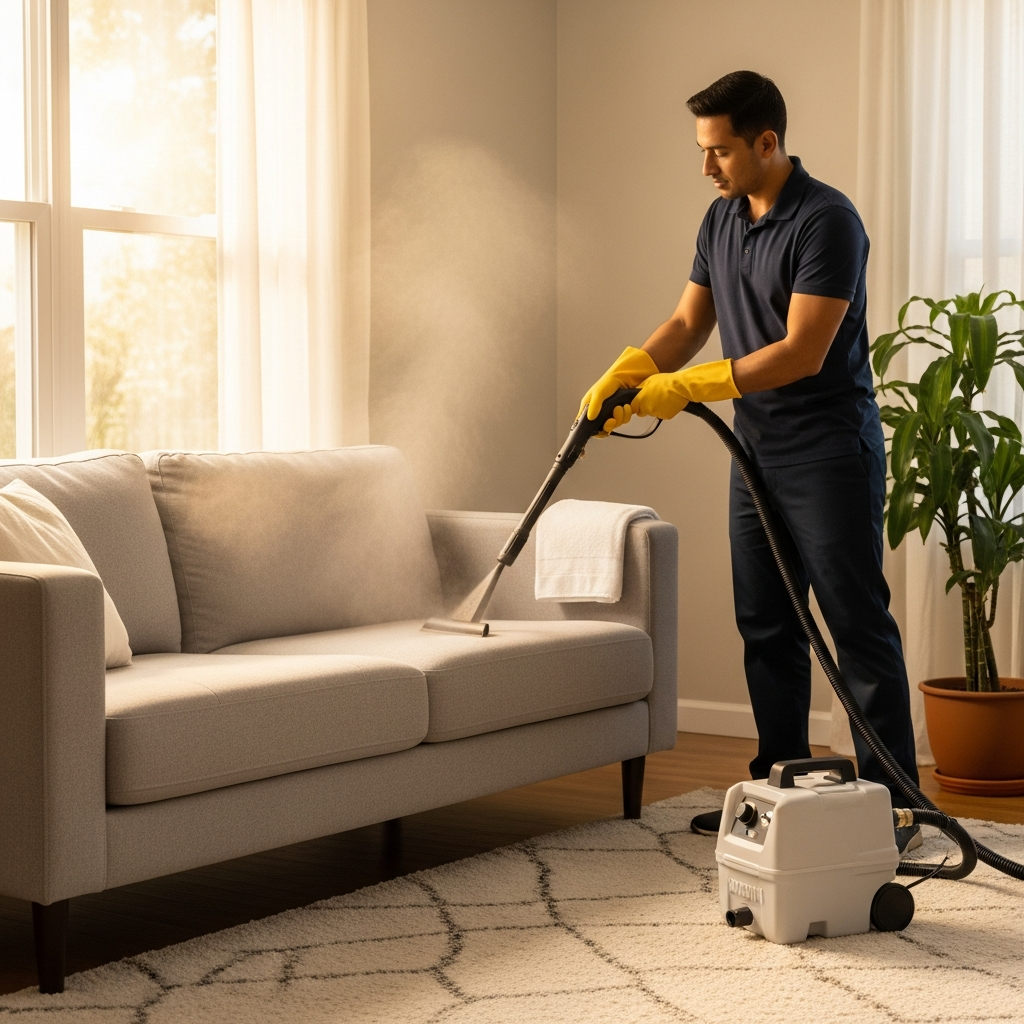
If you are looking to revive a tired, dusty, or stained couch in Union County, learning how sofa steam cleaning works can help you keep your living room healthier and more inviting. In Elizabeth, New Jersey—where humid summers, salty winter slush, and dense urban living all collide—your sofa can quickly collect grit, allergens, and lingering odors. This in-depth guide explains how steam cleaning actually cleans, what fabrics respond best, what mistakes to avoid, and how to plan a maintenance routine suited to local conditions. Whether you are attempting a careful do-it-yourself approach or preparing to hire a professional, the following best practices will help you make confident choices. If you want a quick resource to bookmark, consider starting with a trusted page on sofa cleaning and then return here for the full, locality-focused walkthrough.
Why Steam Cleaning Suits Elizabeth, NJ Living
Elizabeth experiences a wide swing in seasonal conditions. In the summer, humidity can trap dust and pet dander in upholstery fibers. In the winter, melting snow and street debris get walked inside, then settle invisibly into fabric. Steam cleaning uses heated water vapor combined with powerful extraction to dissolve and lift soil, grime, and odor-causing residues from deep within upholstery. Because the process relies primarily on heat and water rather than heavy detergents, it can be one of the more fabric-conscious ways to sanitize everyday seating, when done correctly.
For busy households with kids and pets, the heat of steam can also help deactivate common allergens such as dust mites and certain bacteria. This makes a noticeable difference during peak allergy seasons around Elizabeth and nearby neighborhoods, especially when windows are closed and indoor air recirculates for months at a time.
How Steam Cleaning Works
Steam cleaning combines two actions: thermal energy to loosen contamination and mechanical extraction to remove it. The device heats water to produce hot vapor or near-boiling solution. As that vapor meets a cool fabric surface, it condenses and transfers heat efficiently, softening oily soils and suspending particulate dirt. The wand then vacuums the slurry into a holding tank, preventing re-deposit.
Proper technique balances dwell time (how long heat and pre-sprays sit) with controlled moisture. Too little heat or contact time leaves stubborn residues behind; too much can overwet cushions, slow drying, and risk browning or watermarking. The goal is to introduce enough energy to loosen soil, then remove it promptly and thoroughly.
Benefits of Sofa Steam Cleaning
There are clear advantages for urban and suburban homes in Elizabeth:
Deep soil removal from within cushion cores, not just on the surface, which keeps fabric brighter longer between sessions.
Reduction of common allergens and musty odors that build up from closed-window seasons.
Compatibility with many synthetic upholsteries found in modern sofas, allowing safe, effective results when pre-tested and performed with proper settings.
Minimized reliance on heavy detergents, which can leave sticky residues that otherwise attract new soil quickly.
Understanding Fabric Types Before You Begin
Fabric identification is crucial. Many sofas include a cleaning code on their tags:
W indicates water-based cleaning is acceptable. These typically respond well to steam when used with care.
S means solvent-only. These should not be steam cleaned. Dry methods are recommended.
WS or SW signals that water-based and solvent methods may be used, but spot-testing is mandatory.
X denotes vacuum-only. These are delicate and should generally not be cleaned with steam or wet methods.
Beyond the code, fiber content matters. Polyester, nylon, and olefin blends often tolerate steam when performed by a trained hand. Viscose (rayon), linen, or certain cotton weaves are far more moisture sensitive and can shrink, bleed dye, or develop water marks. Microfiber (polyester) is usually resilient but may matte if overheated or brushed harshly; gentle grooming can restore texture.
Pre-Inspection and Colorfast Testing
Before any steam touches fabric, perform a colorfast test. Dampen a clean white towel with your chosen pre-spray and gently blot a hidden area. If dye transfers, or if the fabric changes noticeably in texture or sheen, stop and consider an alternative treatment method. Inspect high-wear areas such as armrests, headrests, and cushion edges for body oils and hair products that may require specialty pretreatments.
Essential Equipment and Supplies
At minimum, a capable hot-water extraction machine with an upholstery tool, clean microfiber towels, a neutral or fabric-safe pre-spray, and a vacuum with a crevice attachment are recommended. Use a machine designed for upholstery; the right tool allows you to control pressure and heat levels suitable for delicate weaves. Keep multiple dry towels on hand to absorb moisture, and consider an air mover or a standard household fan for faster drying after the service.
Step-by-Step Steam Cleaning Process
First, vacuum thoroughly. Dry soil removal is absolutely essential; steam will only turn leftover dust into muddy residue if you skip this step. Pay attention to seams, buttons, and crevices where grit collects.
Second, pre-treat. Lightly apply a fabric-safe pre-spray to the dirtiest areas. Allow it to dwell for several minutes, but do not let it dry on the fabric. This phase breaks down oils and sticky grime so steam can remove them more easily.
Third, steam and extract. Using controlled passes, work methodically in small sections. Overlap strokes to avoid streaks and monitor moisture levels constantly. Fewer, slower passes with adequate extraction are better than repeated, overly wet passes.
Fourth, blot and groom. Immediately after extracting, press a dry towel against the fabric to remove remaining moisture. Gently groom the nap with a soft brush or by hand in the fabric a0direction to prevent shading.
Fifth, accelerate drying. Direct airflow across cushions to disperse moisture quickly. Rotate cushions periodically while they dry to ensure even results and prevent impressions.
Safety and Moisture Control
Overwetting is the most common steam-cleaning mistake. Too much heat or too many slow, saturated passes can push moisture into foam cores, leading to prolonged drying times and the possibility of musty odors. In winter, when Elizabeth homes are heated and humidity is low, drying can be faster, but forced-air heat can also create static and fabric brittleness, so balance is key. In summer, use fans and open windows when weather allows to improve air exchange.
Stain Strategies That Pair Well With Steam
Steam cleaning can remove a surprising amount of everyday staining when paired with targeted spot treatments. For food spills, a mild fabric pre-spray followed by careful steam extraction usually works well. For protein-based spots (milk, egg), cool pretreatments help avoid setting the stain. For beverage spills like cola, clear seltzer blotted beforehand can help lift sugars before the steam step. For oil-based marks from skin, lotions, or takeout mishaps, a solvent-safe spotter (on applicable fabrics only) can break oils before you introduce moisture.
Always work from the outside of a spot toward the center, and never rub aggressively. Blotting preserves fibers and keeps stains from spreading.
Dealing With Pet Odors and Allergens
Pets are family, but fur, dander, and occasional accidents challenge any sofa. A thorough vacuum with crevice tools removes hair and dander before steam. Targeted odor control for pet accidents requires locating the source—sometimes in the cushion core rather than on the surface. When appropriate for the fabric, controlled steam extraction can help flush residues from both surface and sub-surface textiles, followed by airflow to dry the piece completely. For allergy relief, consistent maintenance—frequent vacuuming, periodic steam cleaning, and air filtration—works better than any single dramatic treatment.
When to Choose DIY and When to Call a Pro
DIY can work well for resilient, water-safe fabrics that have light to moderate soiling. If your sofa is a delicate natural fiber, a rare vintage, deeply stained, or labeled solvent-only, consider a different method. Professional technicians bring fabric identification, specialized tools, and controlled chemistry to complex situations. In busy Elizabeth homes or multifamily buildings with limited drying conditions, a scheduled service can help you avoid common DIY pitfalls. If you are comparing options, you can study the techniques used in reputable sofa cleaning services to understand what a thorough, fabric-conscious process looks like from start to finish.
Drying Tips for New Jersey Seasons
In winter, heated indoor air shortens dry times, but you still need airflow. Position fans to move air across, not directly into, the fabric surface. In summer humidity, run air conditioning or a dehumidifier while fans circulate air. Avoid replacing freshly cleaned cushions onto a sofa frame until both cushions and frame textiles are completely dry.
Common Mistakes to Avoid
Skipping vacuuming. Dry soil is abrasive and will turn to mud under moisture.
Using too much product. Heavy detergent residues can attract soil faster than before.
Overwetting. Slow, saturated passes cause wicking and water marks.
Ignoring fabric codes. Solvent-only fabrics should not be steam cleaned.
Rushing drying. Trapped moisture can lead to musty odors.
Routine Maintenance Plan for Elizabeth Homes
Vacuum weekly, focusing on creases, seams, and under cushions. Blot spills immediately with a clean, absorbent towel. Plan a deep clean periodically for water-safe fabrics, aligning with your householda0traffic and allergy needs. Rotate cushions to distribute wear evenly. Whenever possible, keep windows screened and shoes off in carpeted living rooms to reduce the amount of grit tracked onto upholstery.
Eco and Indoor Air Considerations
Steam cleaning is often chosen by families who prefer a low-residue approach. Neutral or lightly alkaline pre-sprays that rinse clean reduce the chance of sticky films. Adequate ventilation during and after cleaning helps dissipate humidity and airborne particles, leaving the space feeling fresh without heavy fragrances. In apartments and townhomes across Elizabeth, plan the work during a time when you can run fans undisturbed for several hours.
FAQs: Sofa Steam Cleaning in Elizabeth, NJ
Q: Will steam cleaning shrink my sofa fabric? A: Not if the material is water-safe and the process is controlled. Shrinkage risk is highest with certain natural fibers like rayon or linen, which may be better suited to alternative methods.
Q: How often should a family with pets consider steam cleaning? A: Frequency depends on shedding and activity levels. Many families benefit from seasonal deep cleaning combined with weekly vacuuming and prompt spot care.
Q: Can steam remove old stains? A: It can lighten or fully remove many, especially with the right pretreatment. Some set-in dyes or tannins may need multiple interventions or a different process entirely.
Q: Is steam safe for microfiber sofas? A: Usually, yes, with moderate heat and careful extraction. Always test first and avoid aggressive brushing that could distort the nap.
Q: What if my tag says S or X? A: Skip steam. Consider dry or solvent-safe methods, and vacuum routinely to manage dust.
Q: Will the sofa smell like chemicals afterward? A: With a low-residue approach and good ventilation, most people notice a neutral or subtly fresh scent rather than heavy fragrance.
Q: Can I sit on the sofa right away? A: Wait until it is fully dry to prevent impressions and wick-back of soils.
Q: Do I need special water in Elizabeth? A: Regular tap water works in most machines. If you have very hard water, some people prefer filtered water to minimize mineral spotting.
Ready to Refresh Your Sofa in Elizabeth?
If your living room seating is due for a deep, fabric-conscious reset, schedule a thoughtful, methodical approach that respects your upholstery type and local climate. For a thorough result that balances heat, moisture, and fiber safety, consider booking trusted experts in professional sofa cleaning and enjoy a cleaner, more comfortable home in Elizabeth, New Jersey.