
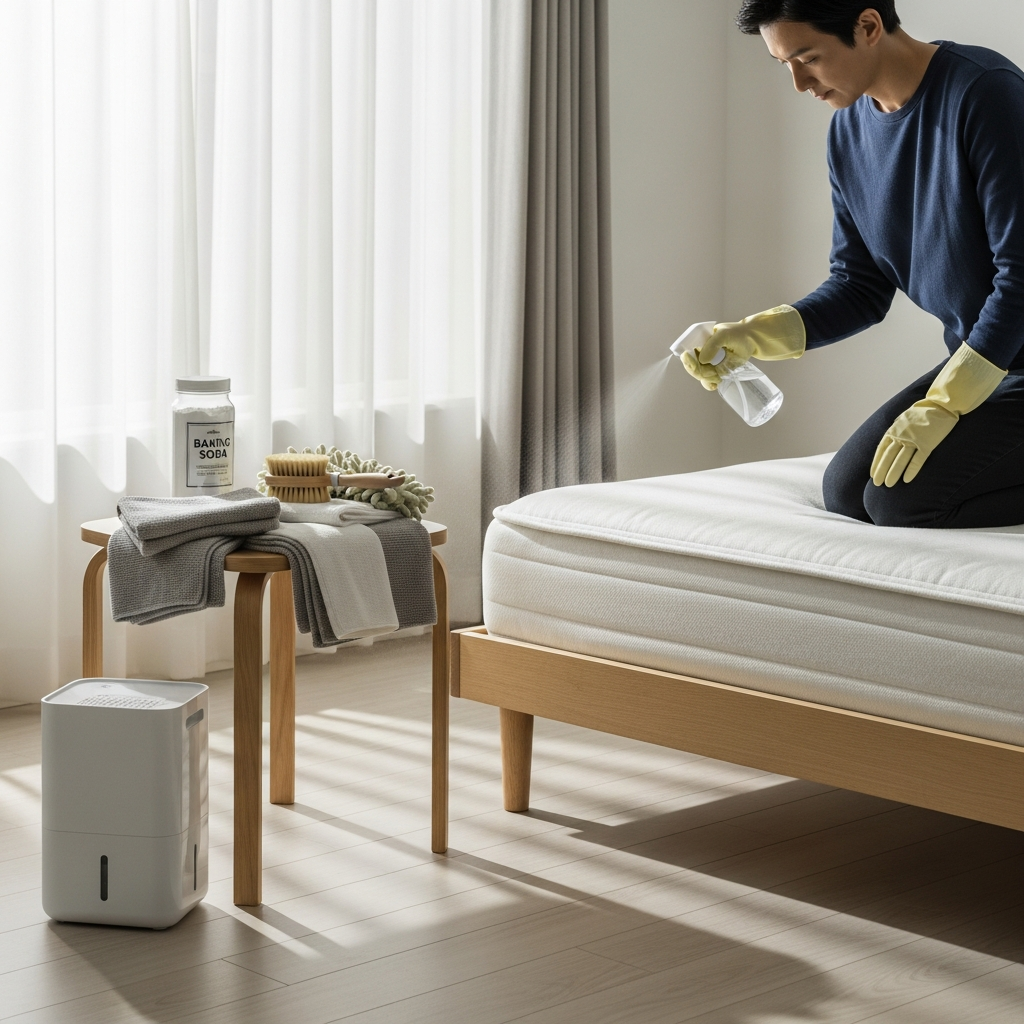
A clean mattress supports deeper rest, calmer allergies, and a healthier home. If you live in Elizabeth, New Jersey, you also contend with coastal humidity, busy households, and seasonal shifts that challenge drying time. Follow this detailed, step-by-step process to clean your mattress thoroughly and safely without risking moisture damage or fabric discoloration. These instructions work for most innerspring, hybrid, and foam models when applied with care. If you ever want a professional reset to complement your routine, you can pair your efforts with expert mattress cleaning for an even deeper refresh.
Step 1: Prepare the room and gather supplies
Effective cleaning starts before you touch the mattress. Assemble your tools and set up airflow so each step dries efficiently.
- Vacuum with upholstery and crevice tools
- Microfiber cloths and white cotton towels
- Soft-bristle brush or soft toothbrush
- Spray bottles for water and mild solution
- Mild liquid detergent and optional enzyme cleaner
- Baking soda
- Fan and, in humid weather, a dehumidifier
- Protective gloves
Open windows on dry days for cross-breeze; otherwise, close them and run a dehumidifier. Clear the area around the bed and angle a fan to move air across the mattress surface.
Step 2: Strip and launder bedding
Remove sheets, pillowcases, blankets, and any protectors. Launder them according to labels, using hot water when the fabric allows. Dry completely before returning them to the bed. This step alone removes a large portion of dust, oils, and allergens from your sleep environment.
Step 3: Identify your mattress type and check labels
Most cleaning mistakes happen when a product meets the wrong material. Look for care directions on the mattress tag or manufacturer website. Foam and hybrid layers need minimal moisture; innersprings offer a bit more forgiveness but still demand thorough drying. If the label forbids steam or certain solvents, follow that guidance strictly.
Step 4: Vacuum methodically
Use slow, overlapping strokes across the entire surface. Work from head to foot, then side to side. Pay special attention to quilting, button tufts, side panels, and the piping along edges. Switch to a crevice tool to trace seams and the border where dust accumulates. Vacuuming first prevents you from creating muddy residue when you add light moisture later.
Step 5: Spot-test cleaning solutions
Before treating visible stains, test a tiny area on the underside or a corner. Apply a small amount of your mild detergent solution or enzyme cleaner, wait 10–15 minutes, and check for color changes or texture shifts. Proceed only if the fabric looks normal.
Step 6: Treat fresh stains immediately
Blot, do not rub. Press a white towel into the area to lift liquid. If the stain is protein-based (urine, sweat, blood), an enzyme cleaner used sparingly can help. For coffee or tea, a mild detergent solution with a touch of white vinegar can reduce tannins. Always work from the outside edge toward the center to prevent spreading.
Step 7: Gentle agitation and controlled rinsing
Apply your mild solution with a light mist—never a pour. Use a soft-bristle brush or microfiber cloth to agitate with small circular motions. Rinse by blotting with a towel slightly dampened with plain water. The goal is to remove residues, not to soak the layers.
Step 8: Odor neutralization
Dust a thin, even layer of baking soda over treated areas or the whole surface for a general refresh. Let it sit 30–60 minutes to absorb odors, then vacuum slowly to remove all powder from the fabric and seams.
Step 9: Drying in Elizabeth’s climate
Drying is where most people go wrong. Angle the mattress, keep air moving across the top, and run a dehumidifier when humidity rises. If the surface feels cool after several hours, it may still be damp internally. Continue airflow until the mattress feels neutral to the touch. Avoid concentrating high heat directly on foam.
Step 10: Rotate and protect
Once dry, rotate the mattress head-to-foot unless the manufacturer advises otherwise. Add a breathable, waterproof protector to guard against future spills and sweat. Replace bedding only when everything—mattress and linens—is fully dry.
Advanced steps for stubborn problems
Some situations need an extra layer of care. Use these targeted methods while maintaining strict control over moisture and drying time.
- Recurring rings: Tackle from the edges inward with minimal liquid and immediate blotting to prevent wicking.
- Pet accidents: Enzyme cleaner with proper dwell time, followed by baking soda and long drying under strong airflow.
- Set-in blood: Cool water and a small amount of peroxide on white or colorfast ticking; blot quickly and rinse by blotting.
- Musty odor: Prioritize ventilation and dehumidification before any additional wet cleaning.
Safety and warranty considerations
Check for warnings against steam or solvents. Do not use bleach on mattress fabrics or foam. Limit moisture to the surface layer and keep electrical fans safely away from water sources. If your mattress has handles or tufts, avoid pulling or scrubbing them harshly; they are structural elements, not cleaning targets.
Common mistakes to avoid
- Over-wetting foam layers that dry slowly and trap odors
- Scrubbing aggressively, which can distort fabric and push stains deeper
- Skipping the vacuum step, resulting in muddy residues
- Sealing the bed with linens before it is fully dry
- Using highly perfumed products to cover odors rather than remove residues
When to bring in extra help
If you face widespread staining, a mattress that stayed wet for more than a day, or persistent odors returning after multiple attempts, it may be time to combine your routine with periodic professional mattress cleaning. Pros can extract more moisture safely and accelerate drying without flooding the layers, which is difficult to achieve at home—especially during humid stretches in Elizabeth.
Frequently asked questions
Q: How often should I perform a full step-by-step clean? A: Seasonally is a good rhythm, with quick spot treatments and weekly vacuuming in between.
Q: Can I clean both sides of a no-flip mattress? A: You can vacuum and lightly refresh the underside, but avoid heavy wet cleaning. Focus your deeper work on the sleep surface.
Q: Is a hair dryer safe for drying spots? A: Use caution. Low heat with constant movement is safer than high heat. Airflow and dehumidification are more effective overall.
Q: What if baking soda leaves a residue feel? A: Vacuum slowly with multiple passes and agitate the surface with your hand between passes to loosen powder clinging to fibers.
Q: Do protectors make cleaning unnecessary? A: Protectors reduce problems and speed cleanups, but you should still vacuum and refresh seasonally to manage dust and odors.
Make your next cleaning day smooth
With an organized process, patient drying, and the right tools, you can restore freshness to your mattress and keep it that way through New Jersey’s changing seasons. When you want a deeper reset after a spill, renovation dust, or busy family life, schedule dependable mattress cleaning to complement your routine. Better sleep starts with a clean, dry, comfortable bed—begin today and enjoy the results tonight.