Planning a professional cleaning for the carpets in your Elizabeth, New Jersey home means evaluating more than a quick refresh. It is about understanding the elements that shape the scope of work, the level of effort your space requires, and the results you should expect when experts apply the right method to your specific fibers and soils. This comprehensive guide walks you through the moving pieces—from room usage and fiber type to method selection and aftercare—so you can make a balanced decision rooted in value and long-term care. To ground the conversation, we will highlight how respected local providers deliver full-service carpet cleaning services with a focus on health, appearance, and durability, without cutting corners on preparation or drying.
Why value-focused planning matters in Elizabeth
Elizabeth’s seasonal shifts bring salt, slush, pollen, humidity, and leaf litter. Families, pets, and city life add layers of soil that normal vacuuming cannot reach. When you plan a professional clean, you benefit most by matching the service level to your carpet’s realities: fiber type, traffic lanes, entryways, and spots that keep recurring. A thoughtful approach preserves color, texture, and indoor air quality, and it reduces premature wear that can shorten a carpet’s useful life.
Core elements that shape the scope of service
Although every home is unique, several consistent elements determine how a professional technician approaches your project. Think of these as the “inputs” that guide the step-by-step plan.
- Fiber identification: Nylon, polyester, olefin, and wool respond differently to heat, agitation, and chemistry. Correct identification protects dyes, backing, and texture while allowing effective soil removal.
- Soil load and traffic patterns: Entryways, hallways, and family rooms carry more embedded debris and often need extra pre-treatment and agitation.
- Specialty concerns: Pet accidents, beverage spills, and past DIY residues may require enzymatic or oxidizing strategies, pad assessment, and targeted dwell time.
- Residue from previous cleanings: Sticky feel and rapid resoiling indicate leftover detergents; a well-matched rinse neutralizes and lifts residues away.
- Access and layout: Stairs, tight halls, and multi-level units require thoughtful equipment placement and protective measures for corners and baseboards.
Methods and when each shines
The most capable providers select or combine methods based on your goals and the carpet’s needs.
- Hot water extraction: Deep-clean option that flushes out embedded soil and many allergens. Excellent after a busy season or when carpets feel dull and sticky.
- Low-moisture encapsulation: Great for appearance maintenance and quick turnarounds between deep cleans, especially in commercial or high-traffic settings.
- Bonnet cleaning: A surface-level refresh that can brighten appearance but should not replace periodic deep cleaning.
- Dry compound cleaning: Useful when moisture must be minimized, with results that depend on compound quality and thorough machine work.
What a professional process should include
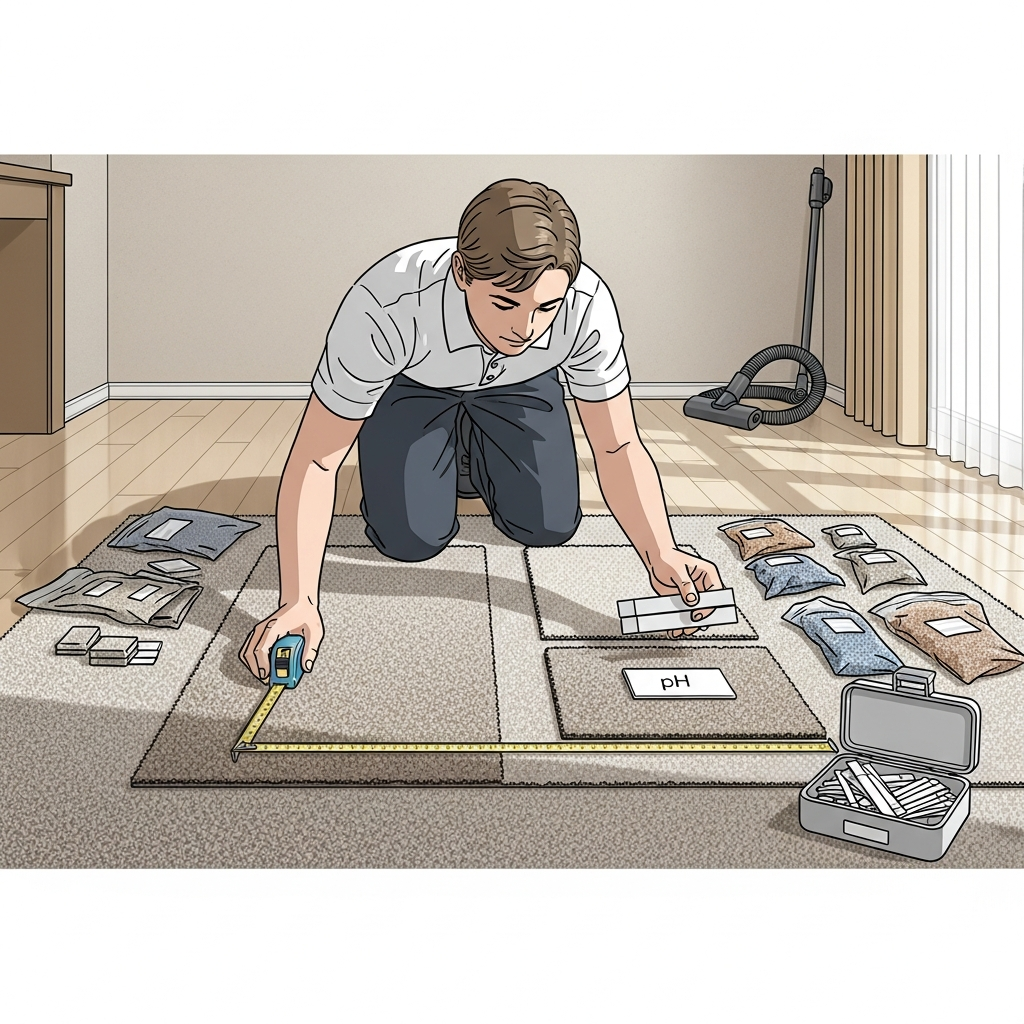
- Pre-inspection and conversation: Discuss rooms, problem spots, fiber sensitivities, pets, and lifestyle priorities.
- Detailed dry soil removal: Comprehensive vacuuming, including edges and under accessible furniture, lifts the majority of debris.
- Targeted pre-treatment: Solutions are matched to common soils and unique spots; dwell time is observed for best results.
- Agitation: Mechanical or manual action loosens stubborn contamination from deep within the pile.
- Rinse and extraction: A rinse appropriate to your fiber neutralizes pre-treatments and removes suspended soils.
- Specialty spot care: Dye transfer, tannins, and protein-based accidents get individualized attention.
- Grooming and drying strategy: Pile setting and air movement speed dry time and improve final appearance.
- Aftercare guidance: Clear instructions help you protect the clean and respond to future spills safely.
Planning around Elizabeth’s seasons
Seasonality influences both soil type and drying environment. In winter, slush and salt demand neutralizing rinses and thorough extraction, while closed windows mean air movers and interior airflow are crucial. Spring’s pollen and tracked-in debris call for careful vacuuming and filtration-minded techniques. Summer humidity can extend natural dry times, so a disciplined extraction routine paired with fans helps. Fall brings abrasive grit and leaves, which benefit from edge detailing and protective mats after the clean.
Aligning service level to your goals
Decide what outcome you value most: allergen reduction, renewed appearance, odor control, or all three. If you want fewer irritants in the home, prioritize thorough dry soil removal, hot water extraction, and ventilation support. For fast spruce-ups between deeper visits, low-moisture methods can keep hallways and living areas looking fresh. If pets are part of the family, ensure technicians carry enzyme-based options, UV detection, and strategies for deeper contamination beneath the carpet face.
Common misconceptions that affect planning
- “Hot water extraction is too wet.” When executed correctly with modern equipment and measured passes, extraction leaves carpets damp—not soaked—and uses airflow to support timely drying.
- “Low-moisture methods are enough forever.” They are great for maintenance but cannot fully remove embedded soils or residues indefinitely. Periodic deep cleaning is still critical.
- “All spots will disappear.” Some discolorations are permanent dye damage. Honest technicians will set expectations and work for the best achievable improvement.
What to ask a prospective provider
- Which methods do you recommend for my fiber and soil level, and why?
- How do you protect corners, baseboards, and furniture during the job?
- What steps do you take to promote faster drying without leaving residue?
- How do you handle pet contamination that reaches the pad or subfloor?
- What aftercare tips will help me maintain results in high-traffic lanes?
Preparing thoughtfully for the appointment
- Clear the floor of small items and cords so technicians can work efficiently.
- Designate a safe area for pets away from equipment and damp carpet.
- Identify recurring spots or odor sources to prioritize during pre-inspection.
- Plan airflow by opening interior doors and, weather permitting, a window.
- Move delicate décor from surfaces along likely hose paths to prevent accidents.
A mid-guide look at value and outcomes
The most rewarding projects begin with clear goals and a provider who listens. If you want a reset after a busy season, a full deep clean with strong extraction is ideal. If appearances matter week to week, schedule intermittent low-moisture touch-ups between deeper visits. In every case, the basics—detailed vacuuming, fiber-appropriate chemistry, careful rinse, and drying support—separate excellent outcomes from so-so work. For many Elizabeth households, the smartest path blends both maintenance and periodic restoration through trusted carpet cleaning services that are designed to support health, comfort, and durability.
Aftercare: protecting your clean
Good habits multiply the benefit of professional work. Vacuum regularly with a machine that fits your carpet height and maintains strong airflow. Use breathable mats at entryways and rotate furniture occasionally to balance traffic. Address spills quickly with blotting and a fiber-safe spot method. If you host pets, prompt accident response and occasional deeper treatments prevent recurring issues. When carpets are freshly cleaned, limit shoes indoors until they are fully dry and follow any guidance about replacing furniture protectors.
Pet households and odor control
Puppies, senior pets, and rescues can have accident patterns that require more than a surface solution. Skilled technicians inspect with UV light, map contamination, and explain whether the issue is confined to the face fiber or has migrated to the pad. Depending on findings, they use targeted chemistry and, when needed, discuss steps for addressing deeper sources. Clear communication and a phased plan help achieve realistic, lasting improvement.
Commercial and multi-unit considerations
In offices, retail spaces, and apartment common areas, appearance and uptime are both priorities. Providers often pair low-moisture maintenance with periodic extraction to manage embedded soil. Coordination with building schedules, elevators, and parking ensures minimal disruption to residents and customers in busy Elizabeth corridors.
Frequently Asked Questions
Q: How do I know which method is right for my carpet? A: Start with fiber type and soil level. A thorough pre-inspection guides method selection. For embedded soil and allergens, hot water extraction excels. For quick appearance upkeep, low-moisture options are effective between deeper cleans.
Q: Will cleaning remove all stains? A: Many will improve significantly or disappear, but some discolorations reflect dye loss or chemical change. Honest providers set expectations and pursue the best safe outcome for each spot.
Q: How can I help carpets dry sooner? A: Promote airflow. Open interior doors, run fans, and follow technician guidance. Thorough extraction during the appointment is the foundation for timely drying.
Q: I tried a store-bought cleaner and the spot came back. Why? A: Residue can attract soil, causing spots to reappear. A professional rinse and extraction neutralize lingering detergents and lift suspended soil away.
Q: Are green options available? A: Many teams use low-residue, fiber-safe formulations with a focus on healthier indoor air. Ask about solutions suitable for homes with children, elders, or pets.
Q: How frequently should I schedule service? A: Frequency depends on occupancy, pets, and lifestyle. Many households pair periodic deep cleaning with interim maintenance in high-traffic areas.
Elizabeth-specific maintenance tips
- Entryway focus: Place mats inside and outside doors and clean them regularly to intercept grit and salt.
- Seasonal checks: After winter, plan a deep clean to address alkaline residues; during high-pollen months, vacuum more frequently with a clean filter.
- Furniture rotation: Shift furniture slightly from time to time to prevent permanent traffic patterns.
- Spot response: Blot spills immediately and avoid aggressive scrubbing that can distort fibers.
Choose for lasting results in Elizabeth
Professional care is about clarity, communication, and a methodical process. When you prioritize thorough pre-inspection, fiber-matched chemistry, careful rinse, and drying, your carpets look better and last longer. If you are ready to refresh your home with trusted local pros who deliver attentive service, seek out respected carpet cleaning services that tailor solutions to Elizabeth’s homes and apartments. Share your goals, schedule a visit, and enjoy a cleaner, more comfortable space season after season.