
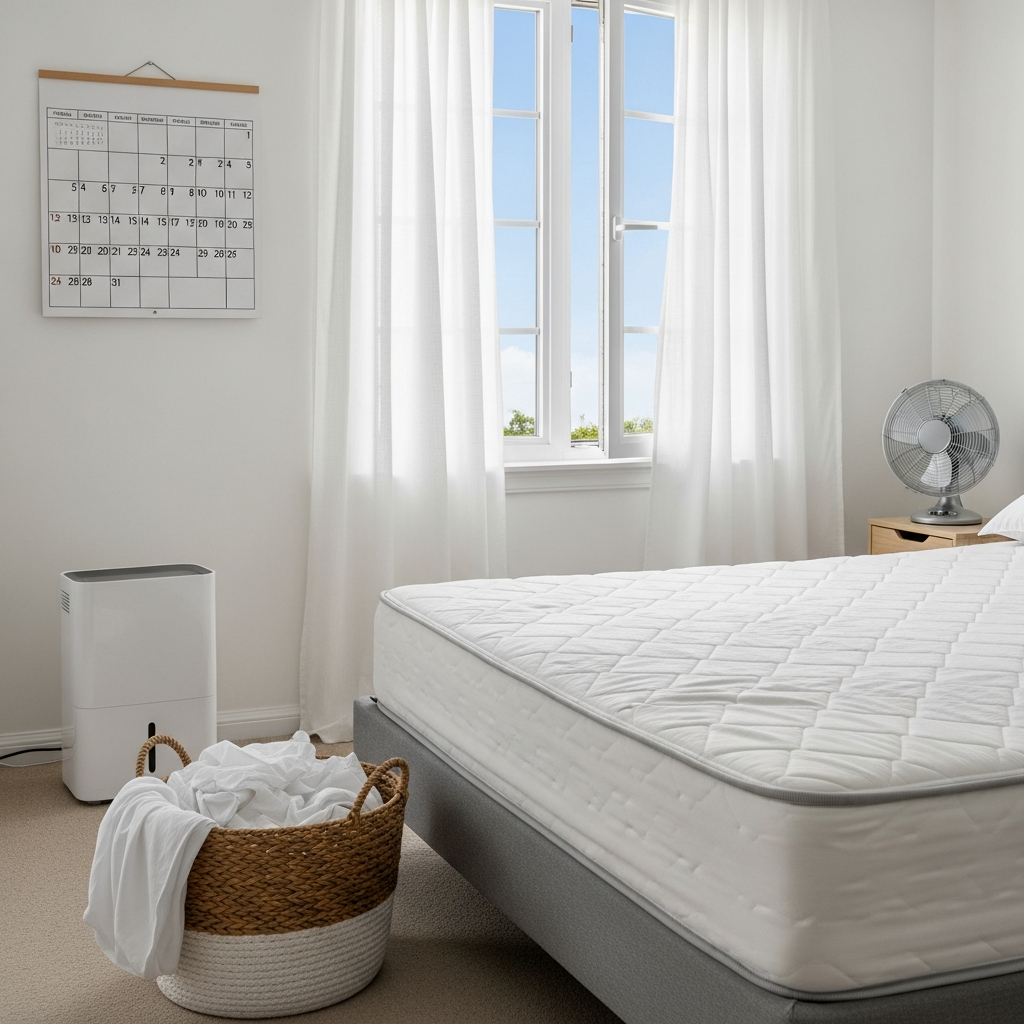
Wondering how often to clean a mattress in Elizabeth, New Jersey? The right schedule depends on your household, local climate, and mattress materials. Between summertime humidity, winter heating, and the daily realities of kids, pets, and long commutes, mattresses here work hard. This guide lays out practical timelines for light maintenance, deeper refreshes, and seasonal resets—plus signs that it’s time to call in professional mattress cleaning for an extra level of care.
Why Frequency Matters
A mattress acts like a filter for dust, dander, sweat, and skin cells. Over time, these can affect sleep quality and may trigger allergies. A routine that mixes quick upkeep with periodic deep cleaning can keep your bed fresher, longer, without overwhelming your schedule.
Weekly and Biweekly Maintenance
- Wash sheets and pillowcases weekly on warm or hot, if safe for the fabric.
- Air out the mattress for 15–30 minutes when you strip the bed.
- Quick vacuum pass on the surface every other week with an upholstery tool.
- Address spills immediately: blot and spot treat before they set.
Monthly Refresh
- Vacuum more thoroughly, including seams and sides.
- Light deodorizing with baking soda; let it sit 45–60 minutes before vacuuming.
- Inspect for stains and treat with minimal moisture.
Quarterly or Seasonal Deep Clean
Every three to four months, plan a more detailed session:
- Strip bedding and launder protectors.
- Vacuum slowly with overlapping passes.
- Spot treat with enzyme cleaner for biological stains, or mild soap for others.
- Deodorize with baking soda and re-vacuum.
- Allow ample drying and airflow before remaking the bed.
Who Needs More Frequent Cleaning?
- Allergy sufferers: Monthly deep refreshes can help reduce triggers.
- Homes with pets or kids: Expect more frequent spot treatments and quarterly deep cleans.
- Hot sleepers: Sweat can build up faster; deodorize monthly and deep clean seasonally.
- Apartment dwellers: Limited airflow may call for lighter, more frequent maintenance.
Elizabeth, NJ Climate Considerations
Humidity in summer can slow drying. Pick clear, breezy days for deeper work, or run a dehumidifier and fans. Winter heating accelerates drying but can stir up dust—vacuum the room before and after to minimize resettling on the mattress.
Mattress Type and Care Intervals
- Memory foam: Low-moisture methods are best; stick to quarterly deep cleans and frequent light maintenance.
- Latex: Resilient but still sensitive to excess moisture; seasonal deep cleans are usually sufficient.
- Hybrid: Varies by construction; aim for seasonal deep cleans with careful moisture control.
- Innerspring: Often more forgiving of light moisture; still avoid over-wetting and dry thoroughly.
Signs It’s Time for Extra Attention
- Lingering odors despite baking soda treatments
- Recurring stains that wick back after cleaning
- Worsening allergies or irritated skin
- Mustiness after a humid spell
When any of these show up, consider scheduling a professional visit. A seasoned Elizabeth team can assess materials, choose low-moisture techniques, and manage drying for you. If you are balancing a tight timeline—like hosting guests, moving, or preparing a short-term rental—look to a reputable mattress cleaning service that can deliver a deep refresh without a long wait.
How to Build a Simple Annual Plan
- Winter: Light monthly refresh; rely on indoor heat and ventilation for quick drying.
- Spring: Post-pollen deep clean to remove allergens.
- Summer: Focus on odor control and shorter sessions; use dehumidifiers.
- Fall: Rotate the mattress, deep clean, and prepare for closed-window months.
Healthy Habits That Extend Time Between Deep Cleans
- Use a zippered, breathable mattress protector to block spills and dust mites.
- Shower before bed if you’re a hot sleeper or after workouts.
- Keep pets off the bed if possible, or add a washable coverlet as a barrier.
- Vacuum the bedroom carpet or rugs regularly to cut down on tracked-in dust.
Spot Treatment Frequency
Spots shouldn’t wait. Treat as soon as you notice them. For biological spills, apply a small amount of enzyme cleaner, let it dwell, and blot carefully. For non-biological stains, use mild soap and cold water sparingly. Always allow extra drying time after spot work, especially in summer humidity.
FAQ: Your Mattress Cleaning Schedule Questions Answered
Q: What’s the minimum I should do each month? A: A thorough vacuum and a short odor-control step with baking soda will carry you far.
Q: Can I steam clean monthly? A: Most mattresses are not designed for frequent steam. Save steam (if allowed by the care tag) for rare occasions, and favor low-moisture methods.
Q: Do protectors really help? A: Yes. A good protector can intercept spills and reduce dust mites, making each deep clean easier and less frequent.
Q: How often should allergy sufferers deep clean? A: Many benefit from a monthly mini-refresh and a seasonal deep clean, adjusting based on symptoms.
Q: Is there a best day to clean in Elizabeth? A: Choose clear, dry days with good ventilation, or rely on a dehumidifier and fans indoors.
Q: What about mattresses in guest rooms? A: Clean before and after longer visits, and do a seasonal refresh even if the bed is rarely used.
Putting It All Together
Your ideal schedule blends lifestyle, climate, and mattress type. Start with weekly bedding care, add monthly vacuuming and deodorizing, and plan seasonal deep cleans. Adjust up or down based on signs like odors, stains, or allergy changes.
Make Your Next Clean Simple
If you want a predictable routine and an expert helping hand when needed, connect with local specialists who understand Elizabeth’s climate, building styles, and common mattress materials. For considerate scheduling, careful techniques, and refreshed comfort, rely on trusted mattress cleaning and enjoy a healthier night’s sleep all year.