
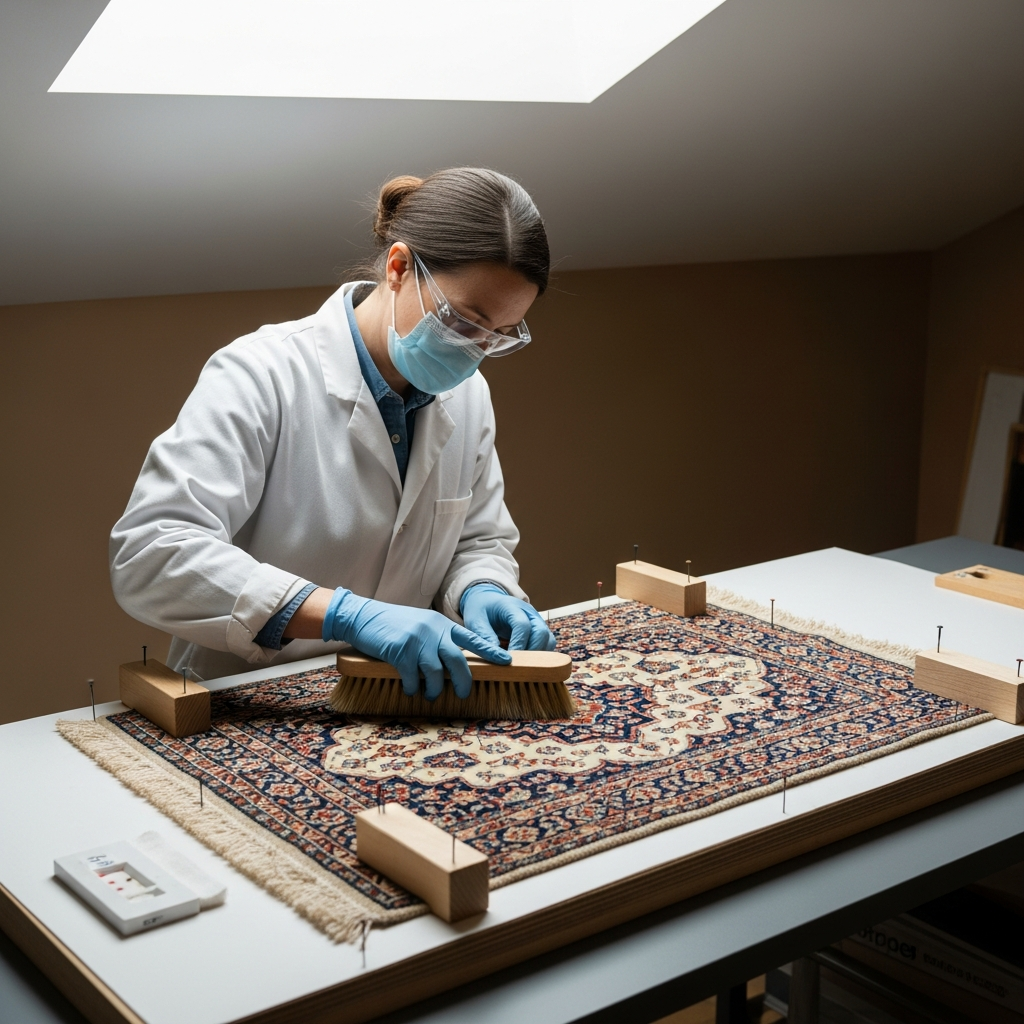
Respecting Tradition: Safe Oriental Rug Cleaning in Elizabeth, NJ
Oriental rugs—hand-knotted works from regions with rich weaving traditions—carry history underfoot. Their beauty lies in natural fibers, nuanced dyes, and meticulous craftsmanship. Cleaning these textiles requires respect for materials and methods, a gentle hand, and patience. In Elizabeth, New Jersey, where lively households and seasonal weather test textiles, safe care keeps heirlooms vibrant. This guide translates museum-minded practices into practical steps homeowners can follow. For complex pieces or high-value antiques, professional rug cleaning complements sensible at-home maintenance.
Understanding the Anatomy of an Oriental Rug
To clean safely, start by understanding what you are handling:
- Fibers: Most Oriental rugs feature wool pile on cotton foundations; some include silk highlights or full silk construction.
- Dyes: Natural (plant and insect) or synthetic aniline dyes each respond differently to water, pH, and temperature.
- Structure: Hand-knotted pile (Turkish or Persian knots) over warps and wefts; kilims and flatweaves lack pile but still need careful handling.
These elements influence soil retention, dye migration risk, and resilience to agitation. Knowledge guides every step, from vacuuming direction to drying speed.
Preventive Care: The Three Pillars
Conservation-minded care hinges on prevention:
- Regular dusting and vacuuming: Use suction-only or a gentle beater bar setting, following the nap to minimize fuzzing.
- Rotation: Shift the rug 180 degrees every three to six months to even out foot traffic and sun exposure.
- Padding: A quality pad stabilizes the rug, reduces stress on knots, and protects hardwood finishes in Elizabeth’s older homes.
Color Safety: Testing Before Any Wet Work
Dye migration, or “bleeding,” is the biggest avoidable risk. Always perform a colorfastness check in a hidden area:
- Dampen a white cloth with cool water.
- Press on each color for 10–15 seconds.
- Check for transfer. If present, avoid immersion and aggressive rinsing; choose low-moisture techniques and call a specialist.
For valuable rugs, a pro may add a dye stabilizer (retarder) to the rinse or pre-spray to reduce risk further.
Dry Soil Removal: Gentle but Thorough
Because wool naturally hides dry soil, a seemingly clean rug can carry pounds of grit that abrade fibers from within. Remove as much as possible before moisture:
- Vacuum the back first to vibrate grit upward, then vacuum the face with the nap.
- Use a rug beater outdoors if feasible, supporting the rug to avoid stress on edges.
- Run a crevice tool along the binding and fringe base where sand accumulates.
Face-Fiber Cleaning: pH and Moisture Control
When testing shows dyes are stable and the construction can handle it, proceed carefully:
- Choose a pH-balanced wool-safe solution around neutral to mildly acidic.
- Light agitation with a soft brush or microfiber pad, always with the nap, prevents distortion.
- Thorough rinsing until water runs clear reduces residue that can stiffen pile.
- Blot extraction or centrifuge-level water removal enables rapid drying, lowering risk of browning or odors.
For silk highlights or full silk rugs, reduce agitation further and keep solutions cool. Many pros prefer controlled low-moisture approaches for silk to protect sheen and texture.
Fringe and Edge Care
Fringes are often cotton and readily discolor if over-wet. Tackle them last, with targeted cleaning:
- Vacuum fringe with suction-only to avoid tangling.
- Apply mild cleaners sparingly and rinse carefully, blotting repeatedly.
- Dry fast with airflow. Clip stray fibers only—never cut into the fringe base.
Blocking and Drying: Returning the Rug to True
After wet work, traditional rugs benefit from blocking to restore square edges and flat lay:
- Lay the rug on a flat, breathable surface.
- Align edges and corners; use light weights or pins on durable bindings.
- Circulate air above and below. In humid Elizabeth summers, dehumidifiers shorten drying windows and protect against musty odors.
Low-Moisture Alternatives for Sensitive Pieces
Some Oriental rugs feature unstable reds or blues, fugitive blacks, or compromised foundations. For them, consider:
- Dry compound cleaning to reduce moisture exposure.
- Solvent-based face cleaning for viscose or blends misidentified as silk.
- Localized stain reduction with pH-controlled agents and protective barriers to prevent bleed.
These methods require patience and precise application. When in doubt, consult experts who handle similar textiles frequently.
Moth Prevention and Storage
Wool is a protein fiber, making it attractive to clothes moths if stored soiled. Prevent damage with:
- Pre-storage cleaning: Moths prefer dirty fibers rich in oils and skin cells.
- Breathable wrapping: Avoid plastic; choose cotton or acid-free paper to allow airflow.
- Elevated storage: Keep off basement floors; inspect quarterly for webbing or larvae.
Local Realities: Elizabeth Homes and Urban Dust
Urban dust, road grit, and seasonal salt can find their way into homes and onto fine rugs. Entry rugs need more frequent dusting; living-room showpieces need rotated sun exposure. In older Elizabeth homes with radiant heat or steam radiators, watch for localized dryness near heaters that can make wool brittle; maintain moderate indoor humidity.
When Professional Help Is the Right Choice
Call a specialist for antique pieces, silk, dye instability, pet contamination that has reached the foundation, or severe ripples and creases. Professional rug cleaning for Oriental textiles pairs conservator thinking with practical tools: thorough dusting, stabilized washing or low-moisture control, centrifuge extraction, and careful blocking.
Frequently Asked Questions
How often should Oriental rugs be professionally cleaned? Typically every 1–3 years depending on traffic, pets, and indoor conditions. Entry or dining areas may need more frequent service.
Is immersion safe for all Oriental rugs? Not for pieces with unstable dyes, compromised foundations, or viscose content. Testing guides method selection.
Can sun fading be reversed? True fading is permanent. Strategic rotation, window treatments, and UV films prevent further loss.
What is blocking, and why is it important? Blocking re-squares edges and sets dimensions after washing. It maintains a rug’s proper fit and appearance.
Do I need a pad under an Oriental rug on hardwood? Yes. Pads prevent slipping, reduce wear on knots, and protect finishes from dye transfer.
Will vacuuming harm hand-knotted rugs? Vacuum with care: suction-only for fringes and a gentle setting for pile, moving with the nap.
How do I handle a wine spill on wool? Blot immediately with clean towels, apply a small amount of cool water, blot again, and contact a professional if color remains.
Are moth larvae visible? Often you see webbing, sand-like droppings, or missing pile first. Inspect hidden areas under furniture and along edges.
Restore and Protect Your Oriental Rugs
Your Oriental rugs deserve care that honors their craftsmanship. With balanced pH, thoughtful moisture control, thorough dusting, and patience, you can preserve their beauty for decades. When a delicate piece requires more than routine care, schedule professional rug cleaning to safeguard dyes, structure, and value while keeping your Elizabeth, NJ home welcoming and refined.