
Introduction: Make Clean Upholstery Your New Normal
In Elizabeth, New Jersey, busy schedules, changing seasons, and family life can take a toll on sofas, chairs, ottomans, and headboards. The key to long-lasting results is not a single deep clean, but a simple maintenance rhythm that prevents build-up and keeps fabrics feeling comfortable and healthy. This guide shows you how to design a practical plan for weekly, monthly, and seasonal care—plus how to handle small issues before they become big ones. For periodic deep refreshes or delicate fabrics, reinforce your routine with professional upholstery cleaning that aligns with your home’s needs.
With the right habits, your furniture will look better, last longer, and contribute to cleaner indoor air throughout the year.
Set Up a Simple Maintenance Calendar
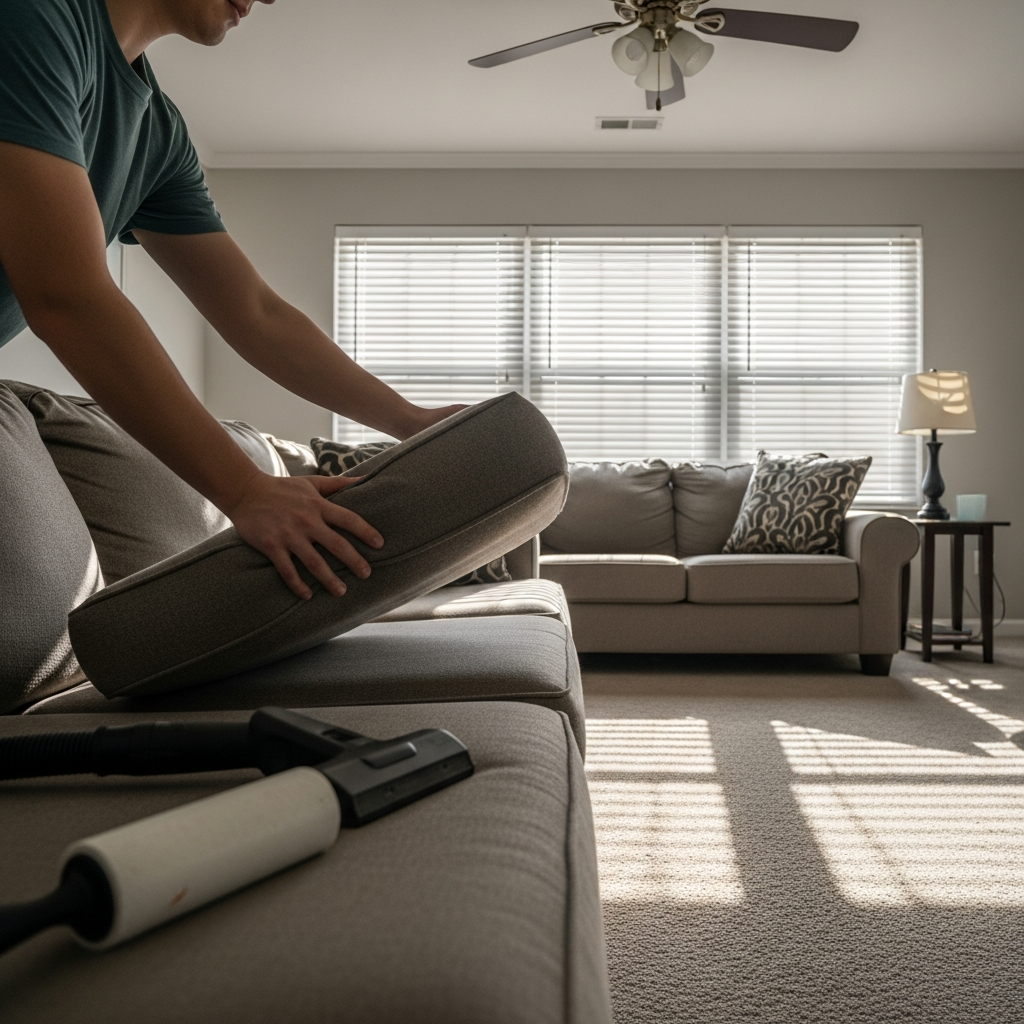
- Weekly: Vacuum with upholstery attachments, lint-roll pet hair, and scan for new spots.
- Monthly: Rotate and flip cushions, groom the nap on textured fabrics, and wipe high-contact zones lightly.
- Quarterly: Perform a careful refresh on the most-used seating pieces with minimal moisture and strong airflow.
- Annually: Combine DIY with a professional visit to remove embedded soils and address recurring concerns.
Consistency is more powerful than intensity. Light, regular attention prevents the gray shading and oily halos that are hard to reverse.
Start with Dry Soil Removal
Dust and grit abrade fibers and make fabrics look dull. Use a vacuum’s upholstery tool to make slow, overlapping passes. Pay special attention to seams, piping, tufted buttons, and cushion edges. Follow with a lint brush or slightly damp glove to catch fine hair and fuzz. Removing dry soil first ensures that any later damp cleaning will not create muddy residue.
Control Moisture Wisely
Moisture is helpful when used sparingly and harmful when overdone. For W/W-S fabrics, a few drops of mild soap in distilled water create an effective cleaning solution. For S-only fabrics, stick to solvent spot-cleaning on a cloth. Always test and keep the cloth barely damp. After any cleaning pass, follow with a plain distilled water wipe on W/W-S fabrics to minimize residue, then blot dry thoroughly. Fans are your friend—use them to speed drying without heat.
Focus on High-Use Zones
Armrests, headrests, cushion fronts, and the place where knees meet cushion edges pick up the most oils and dirt. A monthly light wipe in these areas prevents the darkening that can appear sooner than you expect. In family rooms near entries, watch for outdoor soils that transfer from clothing. In dining spaces, prioritize seat cushions and backs following gatherings.
Seasonal Adjustments for Elizabeth’s Climate
Spring pollen increases indoor dust; vacuum more often and wipe surrounding hard surfaces so particles do not migrate back onto fabrics. Summer humidity slows drying; plan cleaning early in the day with windows open and fans running. Fall brings leaf debris; clean crevices and under cushions to stay ahead of gritty soils. Winter boots track in road grit; add doormats, brush off outerwear before sitting, and increase attention to armrests and cushion fronts.
Small Spills: A Playbook
- Blot fast with a dry towel—do not rub.
- Identify the stain type: protein, oil, dye, or particulate.
- Choose a fabric-appropriate method: mild soap solution for W/W-S, solvent dab for S-only.
- Rinse lightly with distilled water on W/W-S fabrics to remove residue.
- Blot thoroughly and run a fan to speed drying.
Repeat gentle passes rather than flooding the area. If color transfers to your cloth or texture changes, stop and reassess.
Odor Prevention and Control
Keep airflow strong after any spot treatment. On dry fabric, a small sprinkle of baking soda followed by a thorough vacuum can help with mild odors. For persistent smells in W/W-S fabrics, consider cautious, repeated light enzyme treatments—especially for pet accidents—while avoiding over-wetting. Never mask odors with heavy fragrance; focus on removal and thorough drying.
Care for Special Fabrics
Linen and cotton look crisp but can wrinkle; use minimal moisture and blot extensively. Wool blends are resilient but may felt if agitated; keep motions light. Microfiber responds well to gentle cleaning but benefits from nap grooming after drying. For delicate silks or specialty weaves, skip DIY wet methods and consult an expert for spot issues that threaten color or texture.
Protective Habits That Extend Fabric Life
- Use washable throws on pet-favorite spots.
- Rotate seat positions to even out wear.
- Keep food and colorful drinks to dining areas when possible.
- Address sunscreen or lotion transfer immediately after beach or pool days.
- Close blinds to reduce UV fading during peak sun hours.
When to Bring In Reinforcements
Call for help if stains persist after careful attempts, if dye instability appears during testing, or if the fabric construction is complex (tufting, trims, antique textiles). Expert processes can flush soils more completely and stabilize colors. A timely professional visit prevents minor problems from becoming permanent eyesores.
Frequently Asked Questions
Q: How often should I vacuum upholstery? A: Weekly for most homes, and more often with pets, kids, or open windows during pollen season.
Q: What causes reappearing stains? A: Residue and wicking. Use minimal cleaner, rinse lightly on W/W-S fabrics, and ensure strong airflow and thorough blotting.
Q: Can I use steam on my sofa? A: Only if the fabric code and construction allow it. Many pieces respond better to low-moisture cleaning with careful residue control.
Q: How do I know if a stain is oil-based? A: It often has a translucent look and darkens the fabric. Blot dry first, then use solvent methods on S-only or minimal soap solution on W/W-S.
Q: Are protector applications worthwhile? A: On high-use seating or homes with kids and pets, a protector can slow absorption and buy time for blotting. Choose based on fabric type and lifestyle.
Q: What if my furniture has no cleaning tag? A: Begin with the mildest, least-wet method on a hidden area. If you see color transfer or a texture shift, stop and consult a professional.
Keep Your Furniture Looking Its Best
If you are ready for a deeper refresh or want tailored advice for delicate fabrics, schedule professional upholstery cleaning for your Elizabeth, New Jersey home. A smart maintenance rhythm, paired with expert care when needed, will keep your rooms comfortable, clean, and welcoming all year long.