
Introduction: Understanding Value Without Surprises
When you look for upholstery cleaning near Elizabeth, New Jersey, it helps to understand what influences the overall scope of service and how to prepare your furniture for a smooth visit. This guide explains the factors that shape quotes, what a typical appointment includes, how to evaluate quality, and how to plan your home so technicians can work efficiently. While exact numbers vary by item and condition, the insights here will help you compare options thoughtfully and feel confident about your decision. If you prefer a blend of home care and expert support, periodic professional upholstery cleaning complements your routine and preserves fabric integrity.
Instead of focusing on dollar figures, think in terms of value: the time saved, the health benefits of cleaner fabrics, and the extended life of your furniture.
What Drives a Quote for Upholstery Cleaning
- Fabric Type and Delicacy: Natural fibers, blends, and specialty textiles may require low-moisture or solvent-based methods, added testing, and slower techniques.
- Soil Level and Staining: Light maintenance differs from heavy body oil buildup, pet accidents, or set-in dyes. Heavier soil often involves more steps and dwell time.
- Item Size and Complexity: Sectionals, recliners, tufted chairs, and pieces with intricate trims or cushions need more handling than a simple side chair.
- Accessibility: Tight stairways, parking limitations, or cluttered spaces can add setup time. Clear pathways improve efficiency.
- Special Requests: Odor treatments, protector applications, or delicate-handling protocols can extend service time.
What a Professional Visit Typically Includes
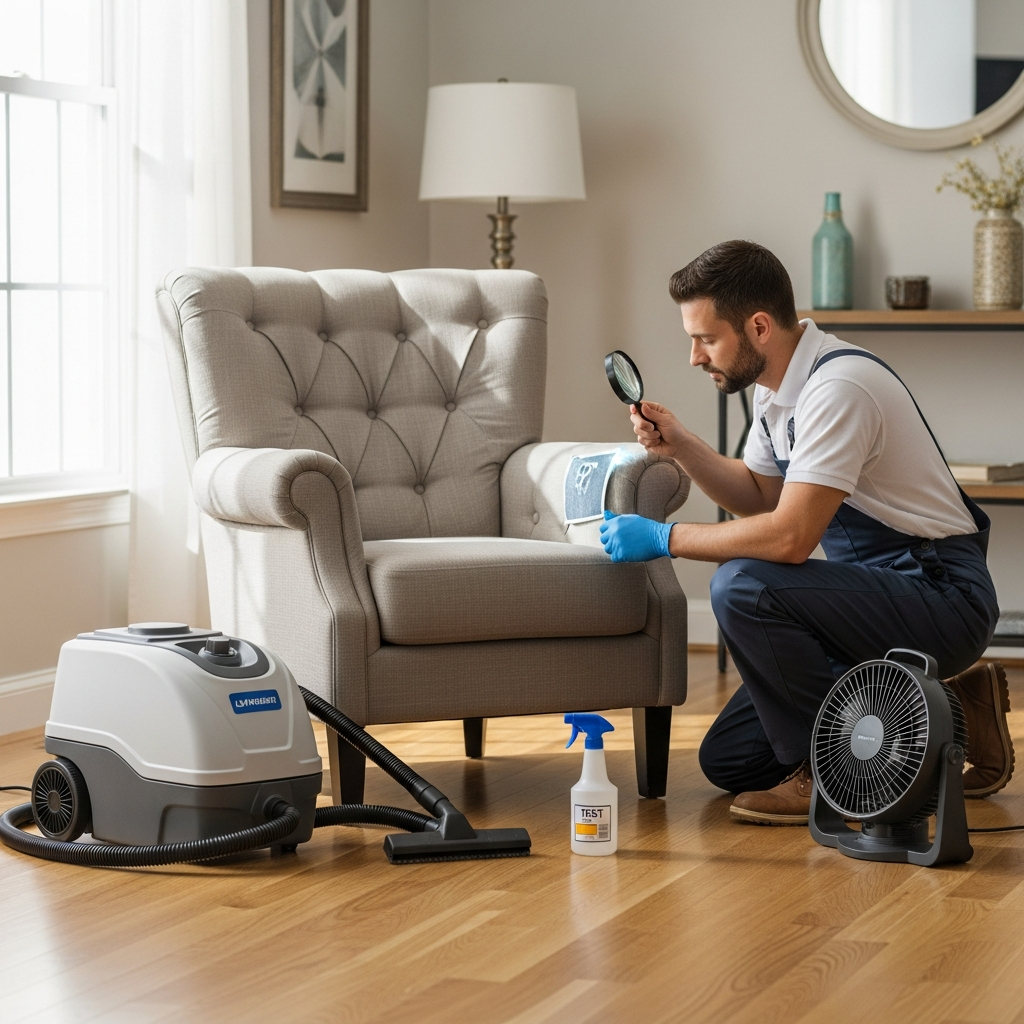
- Inspection and Testing: The technician checks construction, fabric code, color stability, and existing damage. A small test ensures the method is safe.
- Dry Soil Removal: Detailed vacuuming of surfaces, seams, buttons, and crevices removes debris that can turn muddy with moisture.
- Spot and Pre-Treatment: Targeted attention to visible stains, matched to their chemistry and the fabric’s tolerance.
- Cleaning Method: Low-moisture techniques for delicate fibers or water-based hot/tepid cleaning for tolerant fabrics, always with controlled passes.
- Residue Management: A rinse or neutralizing step reduces sticky films that can attract future soil.
- Drying and Grooming: Airflow, towel blotting, and nap grooming leave fabrics uniform and reduce reappearing stains.
- Post-Inspection and Care Advice: The technician reviews results, points out any limitations, and offers tips for maintenance.
How to Prepare Your Home and Furniture
- Declutter Access: Provide a clear path from entry to the furniture. Move breakables and small tables out of the way.
- Vacuum Lightly: A quick pre-vacuum helps, though technicians will still perform detailed dry soil removal.
- Identify Concerns: Point out spots, odors, pet areas, or previous DIY attempts so the approach is calibrated correctly.
- Plan for Drying: Allow airflow and time after the service. Keep pets and kids off damp furniture until fully dry.
Quality Signals to Look For
- Inspection and Testing: Pros do not skip fabric checks or dye tests.
- Moisture Control: Even water-tolerant fabrics should not be saturated. Multiple light passes are safer than one heavy one.
- Residue Awareness: A rinse or neutralizer keeps fabrics from feeling stiff or attracting soil too soon.
- Clear Communication: A technician who explains methods and aftercare helps you maintain results longer.
Why Value Outweighs a Simple Number
Comparing services solely by a single figure can miss important differences in training, equipment, and time on task. Higher-quality work often includes careful testing, better residue control, and deliberate drying methods—details that protect your furniture from issues like browning, shrinkage, or recurring spots. In Elizabeth’s variable climate, the skill to adjust moisture and airflow to the season is a meaningful advantage.
Common Add-Ons and When They Make Sense
Odor treatments help when pet accidents or smoke have affected both fabric and underlying foam. Low-moisture methods shine on delicate or S-coded materials, where water-based techniques could cause rings. Protector applications can slow future staining on frequently used family seating. None of these are mandatory for every job—choose based on your fabric type, household habits, and goals for longevity.
How Long Results Typically Last
Longevity depends on use, indoor air quality, and your maintenance habits. Vacuuming weekly, rotating cushions, and addressing small spills immediately stretch the time between appointments. Homes with pets, hosting, or open windows during pollen season may need attention sooner. A well-executed professional cleaning should leave fabrics fresh, residue-light, and easier to maintain going forward.
DIY Between Visits
Between appointments, vacuum regularly and spot-clean with mild, fabric-appropriate methods. Avoid heavy suds, use distilled water where possible, and give fabrics ample drying time with fans. If an attempt causes color transfer or a change in texture, stop and consult a professional rather than pressing on.
Frequently Asked Questions
Q: How do I compare services without focusing on a number? A: Look at the process: inspection and dye testing, dry soil removal, moisture control, residue management, and drying methods. Ask how they approach delicate fabrics and heavy pet issues.
Q: Will my furniture be very wet afterward? A: It should not be. Quality methods keep moisture measured and rely on airflow and blotting. Fabrics that allow water-based cleaning should feel only slightly damp and dry within a sensible window.
Q: Can all stains be removed? A: Not always. Dye damage, sun fading, and set-in discoloration can be permanent. An honest technician will set expectations after testing and focus on safe improvement rather than risky over-treatment.
Q: How should I prepare on service day? A: Clear paths, move breakables, do a light vacuum if you wish, and point out concerns. Plan to keep seats unused until fully dry.
Q: What if my fabric has no cleaning tag? A: Pros can test fibers and dyes to determine a safe method. At home, use the gentlest approach and avoid over-wetting until an expert evaluates it.
Q: How often should I schedule appointments? A: Frequency depends on household activity. Busy homes or pet owners may benefit from annual visits; lighter-use homes can stretch longer, especially with good maintenance habits.
Make an Informed Choice
If you want clarity, a tailored method, and results that last, partner with trusted upholstery cleaning professionals serving the Elizabeth, New Jersey area. With thoughtful preparation and a quality-first mindset, you can enjoy cleaner, healthier furniture without surprises.