
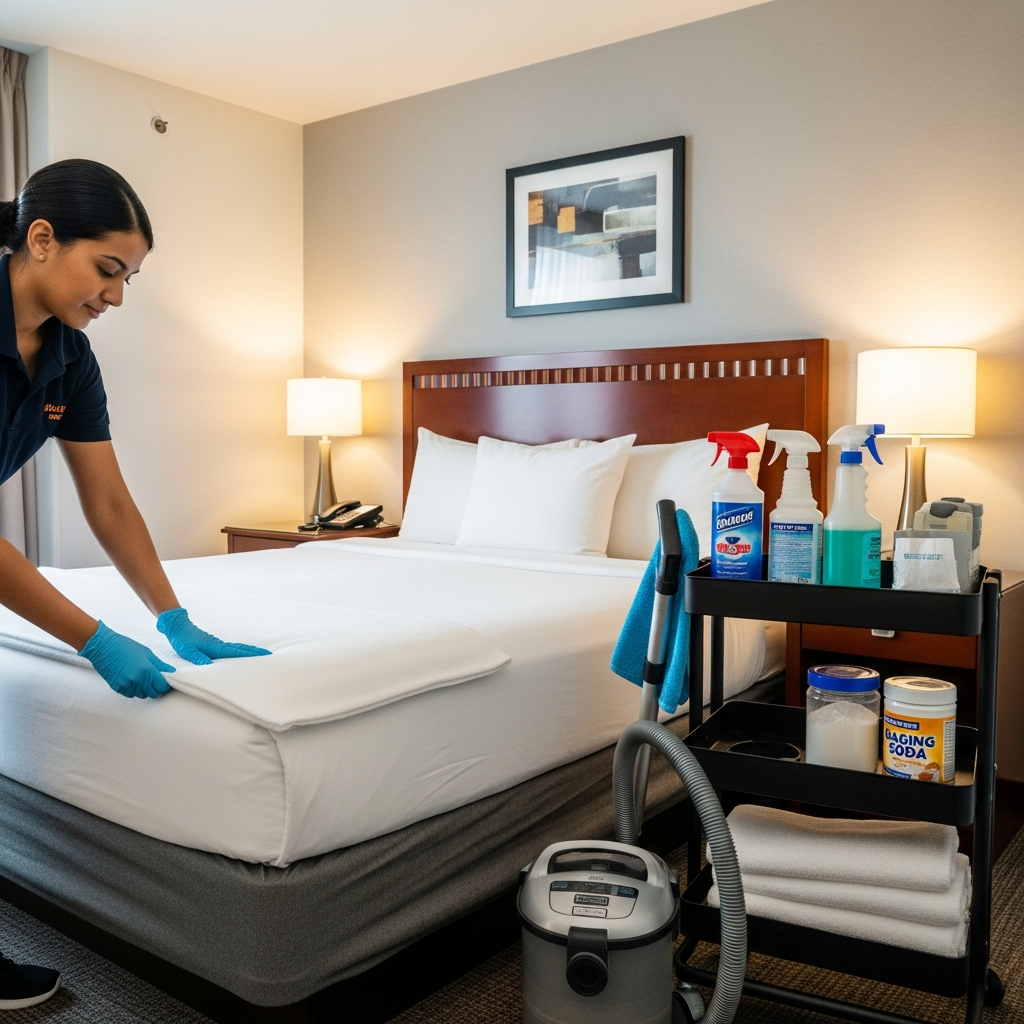
For businesses in Elizabeth, New Jersey—hotels, short-term rentals, student housing, healthcare offices, and corporate accommodations—mattress cleanliness is a frontline standard of care. It influences guest satisfaction, reviews, staff efficiency, and long-term asset protection. The following maintenance guide outlines a reliable, compliance-aware program that teams can implement immediately. If you want to compare your internal procedures with third-party standards at any point, you can consult this helpful keyword as you shape protocols that fit your property profile and occupancy patterns.
Why Mattress Maintenance Matters for Elizabeth Businesses
Elizabeth’s location near major transportation corridors and coastal influences introduces soot, pollen, and humidity that accelerate soiling and odor buildup. In a hospitality or multi-tenant environment, mattresses face frequent use, variable hygiene habits, and increased risk of spills. A structured maintenance program controls these variables, reduces allergy triggers, and preserves brand reputation without overburdening staff.
Program Goals and KPIs
- Hygiene: Odor-neutral mattresses with reduced allergens.
- Durability: Even wear patterns, intact quilting, and protected cores.
- Efficiency: Standardized workflows that fit turnover times.
- Compliance: Adherence to manufacturer care guidance and property policies.
- Guest Satisfaction: Fewer complaints and stronger reviews.
Team Roles and Training
- Housekeeping: Executes daily and turnover tasks, documents incidents, and performs visual inspections.
- Supervisors: Conduct quality checks, maintain supply levels, and escalate issues.
- Maintenance: Addresses frames, foundations, and ventilation systems that affect drying and odor control.
- Management: Sets schedules, audits KPIs, and authorizes professional support when needed.
Supply Standards
- Commercial-grade vacuum with upholstery and crevice tools
- White towels or microfiber cloths
- Enzyme cleaner for protein stains
- Color-safe oxygen cleaner
- Distilled water in labeled spray bottles
- Baking soda for deodorizing
- Breathable, waterproof mattress protectors and pillow encasements
- Optional: garment steamer for steam-approved models
- PPE: disposable gloves and masks for staff safety
Daily and Turnover Tasks
- Visual Inspection: Look for stains, odors, or damage when stripping beds.
- Quick Vacuum: One slow pass with an upholstery tool to remove surface debris.
- Spot Response: Immediate blotting with enzyme cleaner for fresh biological spills.
- Protector Check: Inspect seams and membranes; replace if compromised.
- Ventilation: Open windows if feasible and safe; otherwise run room fans for air exchange.
Weekly Tasks
- Thorough Vacuum: Overlapping passes across the surface; crevice tool for edges and tufts.
- Deodorize: Light baking soda application and full vacuum removal.
- Room-Level Dust Control: Vacuum under beds and along baseboards to reduce re-soiling.
Monthly Tasks
- Launder Protectors: Wash and dry fully; inspect for wear.
- Rotation: Head-to-foot to distribute wear; document date.
- Inventory Review: Check enzyme and oxygen cleaner levels; verify PPE stock.
Quarterly Tasks
- Full Deep Clean: Combine stain auditing, controlled spot work, baking soda deodorizing, and extended airflow.
- Bed Frame Audit: Tighten fasteners and verify center support to prevent sagging.
- HVAC and Dehumidification Check: Ensure adequate air exchange to support drying in humid months.
Standard Operating Procedure (SOP) for Stains
-
Identify the Stain Type: Protein, oil-based, or tannin; default to mild methods first.
-
Apply Cleaner to Cloth: Never pour directly onto the mattress.
-
Blot from Outside In: Contain spread; avoid scrubbing.
-
Rinse by Blotting with Distilled Water: Keep moisture minimal, especially on foam.
-
Dry and Deodorize: Use baking soda and thorough vacuuming; allow airflow until fully dry before remaking the bed.
Humidity Management in Elizabeth
During summer peaks, ambient moisture slows drying and can encourage odors. Build extra time into turnover schedules when deep spot work is required. Leverage dehumidifiers in problem rooms and consider afternoon cleaning windows when humidity dips. In winter, lower humidity aids drying but increases dust; compensate with additional vacuum passes.
Quality Assurance and Documentation
- Checklists: Use standardized forms for daily, weekly, and quarterly tasks.
- Photo Documentation: Capture before/after images of significant stains for training and audit trails.
- Issue Escalation: Define thresholds for calling in professional support—e.g., recurring odors, suspected mold, or multiple severe stains.
Guest-Facing Communication
Train staff to respond courteously to cleanliness inquiries. A calm, confident explanation of your routine—vacuuming, spot treatment, protector laundering, and rotation—reassures guests. Provide contact details for prompt follow-up if a guest notices a concern post check-in.
Special Environments
- Short-Term Rentals: Build a concise turnover checklist that includes vacuuming, protector inspection, and spill audits.
- Student Housing: Educate residents on protectors and quick spill response; schedule quarterly deep cleans.
- Healthcare Offices: Emphasize encasements and frequent vacuuming; ensure waiting-area upholstery is also maintained.
Middle-of-Program Checkpoint
Mid-quarter, review odor logs, stain incident counts, and rotation records. Confirm that airflow tools—fans and dehumidifiers—are available on each floor. If your internal outcomes fall short of targets, benchmark practices against this established keyword and decide whether supplemental professional service cycles are warranted.
Mattress Type Guidance for Operations
- Memory Foam: Minimize moisture; rely on blotting and extended airflow.
- Latex: Avoid solvents and high heat; keep solutions mild.
- Innerspring/Pillow-Top: Surface is more forgiving but still easy to over-wet—stay conservative.
- Hybrids: Combine the rules; train staff to treat foam layers as moisture-sensitive.
Odor Control Without Fragrance
Neutral scent is the goal; fragrance can mask issues or trigger sensitivities. Baking soda, enzyme action for biological residues, and robust ventilation form a sound odor strategy. Keep linens fully dry before storage and avoid plastic bags that trap humidity during off-season rotations.
Preventive Measures That Save Time
- High-Quality Protectors: Choose breathable membranes that withstand frequent laundering.
- Topper Strategy: If using toppers, ensure they are washable and kept under protectors for easier turnover.
- Bed Frames: Solid center support prevents sag valleys that concentrate debris and moisture.
- Room Cleanliness: Vacuum under beds and along walls; dust headboards to reduce fallout.
Training Modules for Staff
- Stain Basics: Identifying types and choosing the right cleaner.
- Blotting Technique: Hands-on practice to prevent spread and over-wetting.
- Airflow and Drying: Fan placement, window management, and dehumidifier use.
- Documentation: Accurate logging of rotations, incidents, and resolutions.
Risk Management and Escalation
- Suspected Mold: Remove room from inventory and consult qualified remediation.
- Bed Bugs: Immediate inspection of seams and tufts; consult licensed professionals for treatment guidance.
- Structural Issues: Address squeaks, broken slats, or sagging to maintain comfort and hygiene standards.
KPIs to Monitor Monthly
- Incident Rate: Number of stain events per occupied room.
- Resolution Time: Average hours from incident report to clean, dry, and remade.
- Protector Integrity: Percentage in good condition after laundering cycles.
- Guest Feedback: Cleanliness mentions in reviews and post-stay surveys.
Frequently Asked Questions
Q: How often should businesses rotate mattresses?
A: Every one to three months depending on occupancy rates and mattress type; document each rotation.
Q: Are steamers appropriate for quick sanitation?
A: Only on steam-approved mattresses and with brief, gliding passes followed by strong airflow.
Q: How do we handle recurring odors in certain rooms?
A: Audit airflow, check for slow-drying incidents, re-treat with enzyme action, and ensure protectors are intact. Consider dehumidifiers in chronic rooms.
Q: What supplies should be on each housekeeping cart?
A: Enzyme cleaner, distilled water spray, white cloths, baking soda, gloves, and a compact upholstery tool for quick vacuums.
Q: Do protectors wear out quickly under commercial use?
A: High-quality protectors hold up well; inspect monthly and replace when membranes fail or seams fray.
Q: When should we bring in professionals?
A: For persistent odors after thorough in-house treatment, suspected mold, or clusters of severe stains. Periodic deep cycles can reset baseline hygiene.
Q: Is fragrance acceptable for guest satisfaction?
A: Neutral is better. Fragrance can suggest masking and may irritate sensitive guests.
Continuous Improvement Cycle
Review metrics monthly, adjust training, and reallocate equipment where needed. Update SOPs ahead of summer humidity and fall pollen waves. Share successes and lessons learned in brief huddles so new staff adopt best practices quickly. If your property benefits from a scheduled external deep-clean cycle, align it with peak seasons or major events to maintain consistency. To compare your internal standards with established methods and schedule supplemental support, reference this reliable keyword as part of your planning.
Set the Standard in Elizabeth
A structured mattress maintenance program protects assets, supports glowing reviews, and keeps operations smooth in a climate with real humidity and pollen challenges. Equip your teams, codify routines, and measure outcomes. When you want a dependable partner for periodic deep refreshes or specialized situations, coordinate through this convenient keyword and deliver consistently fresh, comfortable sleep experiences for every guest and resident.