
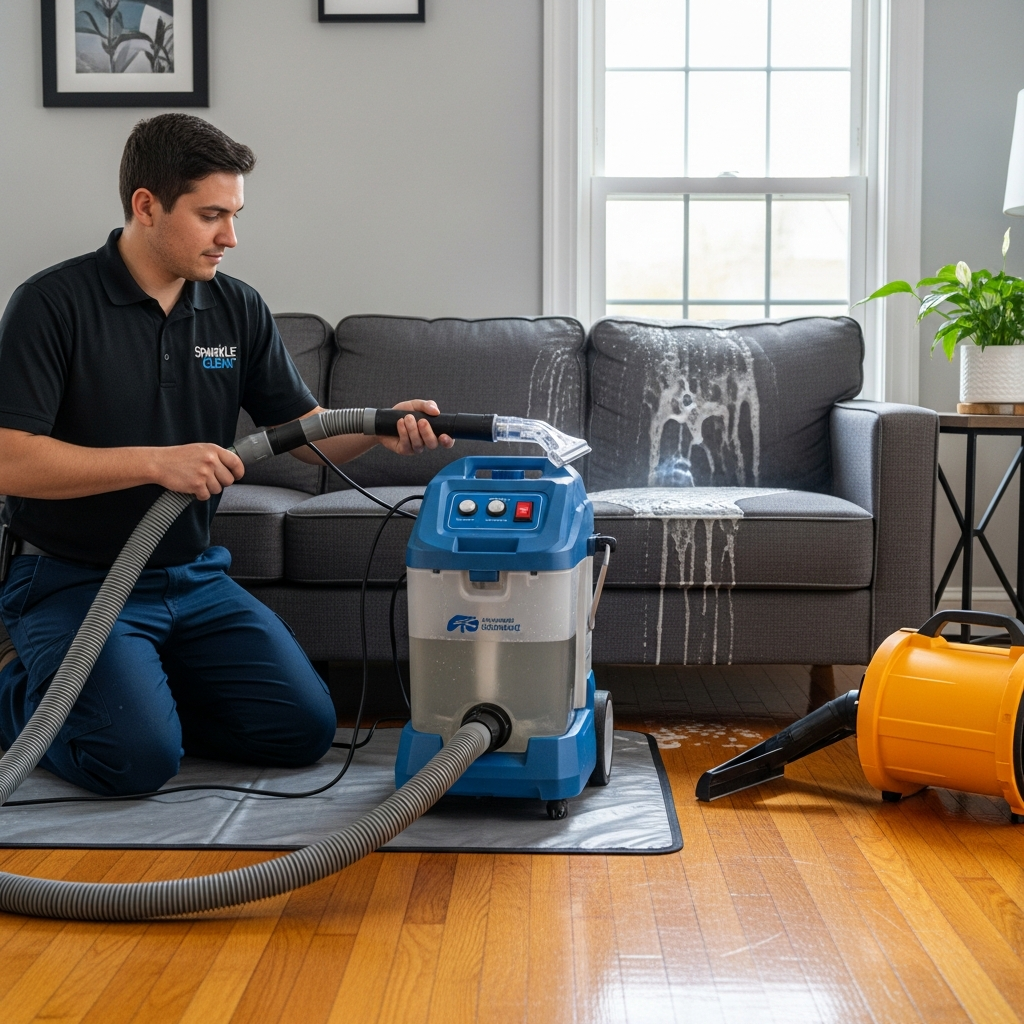
Professional sofa cleaning combines fabric science, specialized equipment, and disciplined technique to restore upholstery safely and thoroughly. If you live in Elizabeth, New Jersey—where humid summers, winter heating, and heavy foot traffic can tax furniture—understanding the steps a skilled technician follows helps you set expectations, recognize quality work, and maintain results between visits. This article explains each stage from inspection to final grooming so you can make confident decisions about care. If at any point you decide a trained service would be the best route, explore local sofa cleaning solutions that tailor methods to your exact fabric and soil level.
1. Pre-Inspection and Fabric Identification
A thorough professional job begins with a conversation about your sofa’s history—age, fabric type, known spills, and prior cleaning attempts—followed by a close visual inspection. The technician checks seams, piping, buttons, tufting, and cushion edges for damage or loose threads. Fabric codes (W, S, WS/SW, X) are noted; when tags are missing, colorfast and compatibility tests are performed in inconspicuous areas. Understanding fiber content—natural, synthetic, or blends—guides pH choice, solvent vs. water-based cleaners, agitation level, and drying strategy.
2. Dry Soil Removal
Up to the majority of visible soiling can be removed without moisture. Technicians use a commercial vacuum with an upholstery tool, crevice attachment, and sometimes gentle compressed air to dislodge embedded grit from seams and folds. This step prevents turning soil into muddy residue during wet processes and protects delicate fibers from abrasion.
3. Pre-Conditioning: Targeted Chemistry
Based on the fabric and soils present—body oils, food residue, makeup, pet accidents—the pro selects a pre-conditioner. For W/WS fabric, a low-foaming, fabric-safe cleaner at the correct pH helps loosen binders holding soil to fibers. For S-only fabrics, a carefully chosen solvent solution is applied to a cloth and worked across the surface with precision. The goal is to suspend soils for easy removal while safeguarding color and texture.
4. Agitation and Dwell Time
After application, controlled agitation with a soft brush or upholstery pad accelerates cleaning chemistry. Dwell time—allowing the solution to work for a short, measured period—is critical. Professionals watch for early signs of color movement or overwetting and adjust quickly. In tufted or patterned pieces, agitation is minimized to protect construction and alignment.
5. Soil Extraction: Hot Water or Low-Moisture
Technicians choose between hot water extraction (HWE) and low-moisture encapsulation or solvent-based methods depending on fabric, construction, and situation:
- Hot Water Extraction: Suitable for many W/WS fabrics. A specialized upholstery tool injects controlled solution and recovers it immediately, pulling suspended soils into the machine. Heat, flow, and vacuum strength are carefully moderated.
- Low-Moisture or Solvent Methods: Ideal for moisture-sensitive or S-coded upholstery. Encapsulation products surround soil particles, which are later removed by vacuuming, while solvent cleaning dissolves oils without water.
The technician works in sections, maintaining consistent passes and ensuring no area becomes saturated, especially at seams or cushion cores where drying is slower.
6. Rinse and Neutralize
A properly balanced rinse neutralizes remaining detergents and stabilizes dyes, preventing rapid re-soiling or color shifts. In HWE, the rinse is delivered through the tool; in other methods, it may be a light mist-and-blot step. The goal is to leave minimal residue so fibers feel soft, not sticky.
7. Spot Treatment Revisited
After general cleaning, persistent stains are reassessed. Some soils—tannin, dye, oil, protein—respond to specialized spotters. The technician applies precise amounts, avoids oversaturation, and follows with rinse steps. Decision-making is conservative; the priority is improving appearance without damaging fibers or finishes.
8. Deodorizing and Sanitizing Considerations
For pet odors or spills, compatible enzyme deodorizers may be applied with measured dwell time. Ventilation is increased to ensure complete drying. The process is about source removal, not masking; eliminating residues that harbor smells keeps the sofa fresh longer, an important consideration for households in Elizabeth’s humid months.
9. Speed Drying and Fabric Grooming
Air movers, fans, and strategic cushion positioning shorten dry times and prevent water marks. On nap fabrics like velvet or chenille, grooming with a soft brush restores uniform appearance. A final inspection confirms even drying, color consistency, and tactile quality.
10. Protector Application (Optional)
Some clients choose a fabric protector after cleaning to help resist future spills and ease maintenance. Pros match protector type to fabric, applying with even coverage and allowing proper cure time. This step is optional but valuable in active homes with kids and pets.
Homeowner Prep Tips Before the Appointment
- Clear the area around the sofa for safe access.
- Identify concerns: specific stains, pet activity zones, or odors.
- Secure pets in another room to reduce stress and ensure safety.
- Plan ventilation: slightly open windows or run fans to aid drying.
How Pros Adapt to Elizabeth’s Climate
Technicians in New Jersey tailor drying and moisture management to the season. In humid summer weather, they increase air movement and limit water load. In winter, they balance indoor heating that can dry fibers too quickly and cause static. This climate-aware approach safeguards your upholstery year-round.
Quality Standards You Can Expect
- Clear communication about methods suitable for your fabric
- Testing in inconspicuous areas before full application
- Measured moisture control to protect cushion cores and seams
- Neutralization of residues to prevent rapid re-soiling
- Documented post-inspection and care tips to maintain results
How to Maintain Results Between Professional Visits
Vacuum weekly with slow, overlapping passes. Address spots promptly by blotting, not scrubbing. Rotate cushions and launder throws frequently. Maintain airflow during any DIY cleaning and avoid heavy moisture. These small habits dramatically extend the fresh, clean feel that follows a professional visit.
Comparing Professional Methods to DIY
Homeowners can achieve excellent maintenance results with careful vacuuming, targeted spot treatment, and low-moisture cleaning on appropriate fabrics. Professionals add advanced tools, stronger vacuum recovery, refined chemistry, and experience interpreting fabric behavior. If your sofa has delicate fibers, complex construction, or persistent odors, a professional workflow is often the safest path. To see how advanced techniques might benefit your piece, review specialized sofa cleaning offerings that outline fabric testing, controlled extraction, and accelerated drying.
Frequently Asked Questions
Q: How long does professional sofa cleaning take to dry? A: Many fabrics dry within a few hours with proper airflow, though heavy padding or humid weather can extend drying time. Air movers and ventilation help significantly.
Q: Will cleaning shrink or fade my sofa? A: Trained technicians test for colorfastness and use controlled moisture and pH-balanced solutions to protect size and color. Shrinkage and fading risks are minimized by correct method selection.
Q: Can all stains be removed? A: Some dyes and set-in stains have limited removability. The goal is maximum safe improvement without harming fibers. Post-cleaning, a protector can help with future spills.
Q: Is hot water extraction safe for all upholstery? A: No. It is excellent for many W/WS fabrics but not for S or moisture-sensitive pieces. Professionals evaluate and select the proper approach.
Q: How often should I schedule professional sofa cleaning? A: Frequency depends on use, fabric, and household factors like pets or allergies. Many homes benefit from an annual visit, with touch-ups as needed.
Q: Do I need to be home during the service? A: It is helpful for the initial walkthrough and to discuss concerns, though not always required for the entire appointment.
Restore Comfort and Confidence
When your upholstery needs expert attention, choosing seasoned professionals brings peace of mind and lasting results. If you are ready to revive color, texture, and comfort in your living room, schedule trusted sofa cleaning and enjoy a fresh, healthy home in Elizabeth, New Jersey.