
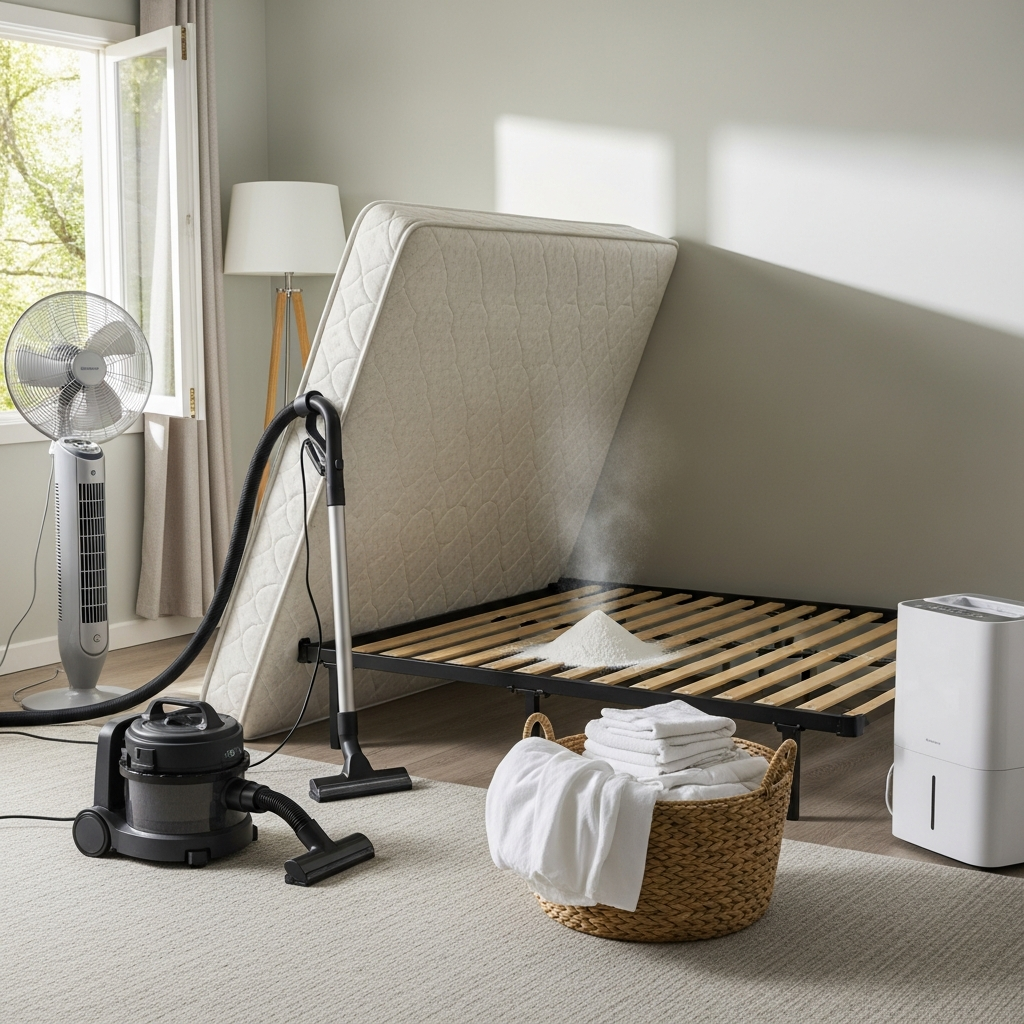
Homeowners in Elizabeth, New Jersey juggle four distinct seasons, variable humidity, and the dust of a lively urban environment. That mix makes mattresses prime targets for odors, stains, and allergens if they are not maintained with intention. Use this comprehensive, homeowner-friendly checklist to simplify your routine and keep every bed in your home fresh. From weekly tasks to seasonal deep refreshes, you will find practical steps that fit busy schedules, whether you live in a single-family home, townhome, or apartment. If you want a periodic professional boost to complement your plan, consider pairing your routine with occasional mattress cleaning for a complete refresh.
Weekly essentials: The foundation of a clean bed
Short, consistent actions outperform occasional marathons. These weekly habits keep dust, oils, and odors under control so bigger jobs are faster and easier.
- Vacuum the mattress surface with the upholstery tool. Use slow, overlapping passes and focus on seams and quilting.
- Change and launder sheets and pillowcases. Hot water when fabric allows helps remove dust mites, sweat, and oils.
- Spot-check for fresh spills or marks. Address them immediately with a mild detergent solution and blotting.
- Air the bed. Pull back covers for 30–60 minutes after getting up so moisture can evaporate.
- Pet management. If pets sleep on the bed, shake out a dedicated throw or blanket and launder it weekly.
Monthly must-dos: The maintenance middle ground
Once a month, go beyond the surface. These steps prevent buildup that leads to persistent odors and dingy discoloration.
- Launder the mattress protector or encasement according to its label. Replace it if the waterproof layer cracks or peels.
- Rotate the mattress head-to-foot, unless the manufacturer advises against it. Rotation evens out pressure and wear.
- Edge attention. Vacuum crevices, piping, and the perimeter where dust collects.
- Light deodorizing. Sprinkle baking soda, let sit 30–60 minutes, then vacuum thoroughly.
Seasonal deep-refresh checklist for Elizabeth’s climate
Each season in New Jersey changes indoor conditions, so align deeper tasks with the weather for faster drying and better results.
- Spring: After pollen surges, vacuum thoroughly and wash all bedding, including duvets. Consider a light enzyme pass on sweat-prone areas.
- Summer: Manage humidity. Use a dehumidifier during deep-cleaning and drying. Keep window fans running for cross-breeze on dry days.
- Fall: As heating starts, dust increases. Vacuum more slowly and consider HEPA filtration. Rotate mattresses and launder pillow encasements.
- Winter: Dry air speeds evaporation but encourages static. Keep rooms ventilated during cleaning and maintain balanced indoor humidity.
Quick response guide for common spills
Speed and gentleness matter more than fancy products. Use minimal liquid, blot carefully, and keep air moving.
- Coffee/tea: Blot immediately; apply a mild detergent solution with a splash of white vinegar if tannins persist. Rinse by blotting with plain water; dry thoroughly.
- Urine: Use an enzyme cleaner sparingly. Allow sit time, blot well, apply baking soda, and dry with fans and dehumidifier.
- Blood: Cool water only. Dab with mild detergent; test a small amount of peroxide on white or colorfast ticking, blot, and rinse by blotting.
- Vomit: Remove solids, then apply enzyme cleaner lightly. Blot repeatedly and deodorize with baking soda before vacuuming.
Allergen control for New Jersey homes
Managing allergens requires routine dust removal and breathable barriers that withstand frequent washing. This simple plan reduces triggers year-round.
- Weekly vacuuming of the mattress and headboard upholstery if present.
- Hot-water washing of sheets and pillowcases weekly when fabric permits.
- Zippered encasements on mattresses and pillows to block dust mites.
- Limit stuffed animals on children’s beds; wash or freeze them periodically to reduce dust mites.
- Change HVAC filters on schedule; consider higher MERV ratings if compatible with your system.
Room setup for faster drying in Elizabeth
Drying is often the slowest step, especially in summer. Optimize airflow so moisture leaves the mattress instead of settling deeper.
- Cross-ventilate by opening windows on opposite sides during dry weather; otherwise, run a dehumidifier.
- Angle the mattress slightly so air can pass under and over the surface.
- Keep a fan moving air across the top. Avoid prolonged, direct high heat on foam layers.
- Start early in the day to allow ample drying time before bedtime.
Comprehensive homeowner checklist
- Strip and launder all bedding, including protectors, as directed by labels.
- Vacuum the entire mattress surface slowly; repeat passes on seams and edges.
- Inspect with bright light for stains, rings, or damp patches.
- Spot-test any cleaner on an inconspicuous area.
- Treat stains with a mild solution or enzyme cleaner, using minimal liquid and gentle agitation.
- Blot with white towels to lift residues; avoid hard rubbing.
- Rinse by blotting with plain water to remove detergent residue.
- Apply baking soda for odor control; allow 30–60 minutes of dwell time.
- Vacuum thoroughly to remove baking soda and loosened particles.
- Dry completely using cross-breeze and a dehumidifier as needed.
- Rotate the mattress head-to-foot if recommended by the manufacturer.
- Replace bedding with clean, fully dry linens and a breathable waterproof protector.
Signs it is time for a deeper intervention
Even diligent homeowners sometimes face an odor or discoloration that resists routine steps. Watch for these indicators that an elevated approach is prudent.
- Odor returns within 24 hours after cleaning despite good airflow.
- Wicking rings appear repeatedly around old stains.
- The mattress feels cool and faintly damp a day after treatment.
- There is a history of a significant spill or leak that soaked past the surface.
- Allergies or respiratory symptoms flare despite regular washing and vacuuming.
If any of these persist, consider scheduling periodic professional mattress cleaning to reset the baseline. Afterward, your normal checklist becomes faster and more effective because you start from a cleaner slate.
FAQs for Elizabeth homeowners
Q: How often should I rotate my mattress? A: Monthly for the first few months, then seasonally—unless your manufacturer advises otherwise. Rotation helps distribute wear.
Q: Is baking soda enough to remove all odors? A: It helps neutralize mild smells but will not dismantle deep-set biological residues. Pair it with enzymes for urine or sweat issues.
Q: Can I steam my mattress to sanitize it? A: Many foam and hybrid models do not tolerate steam. Follow your label; if allowed, use quick passes and ensure thorough drying.
Q: What is the best protector type? A: A breathable, waterproof encasement that zips closed protects against spills and dust mites while allowing airflow.
Q: How do I know if I used too much cleaner? A: If the area stays cool to the touch for hours or rings appear after drying, you likely over-wetted. Next time, use lighter mists and more blotting.
Refresh every bedroom with confidence
With a clear checklist, you can maintain cleaner, healthier mattresses across your Elizabeth home without guesswork. Build the weekly and monthly habits, align deeper work with the seasons, and call in reliable mattress cleaning when you need a thorough reset. Consistency is your biggest ally—and tonight’s sleep will thank you.