
Even with careful routines, sofa cleaning in Elizabeth, New Jersey can throw you curveballs: rings that reappear, shadows that won’t lift, lingering pet odors, or textures that feel “off” after drying. This troubleshooting guide helps you diagnose problems quickly and apply fixes that match your fabric code and local climate. From humid summers along the Port-area breeze to salt-flecked winters, you’ll learn how to correct issues without making them worse. And when it’s time for a deeper reset, remember you can combine DIY care with periodic professional sofa cleaning to restore color and comfort while you focus on routine maintenance.
Bookmark this page and use it like a flowchart. Identify your symptom, confirm your fabric code (W, S, W/S, or X), and follow the recommended steps. Minimal moisture, thorough blotting, and patient drying are the common threads that lead to success.
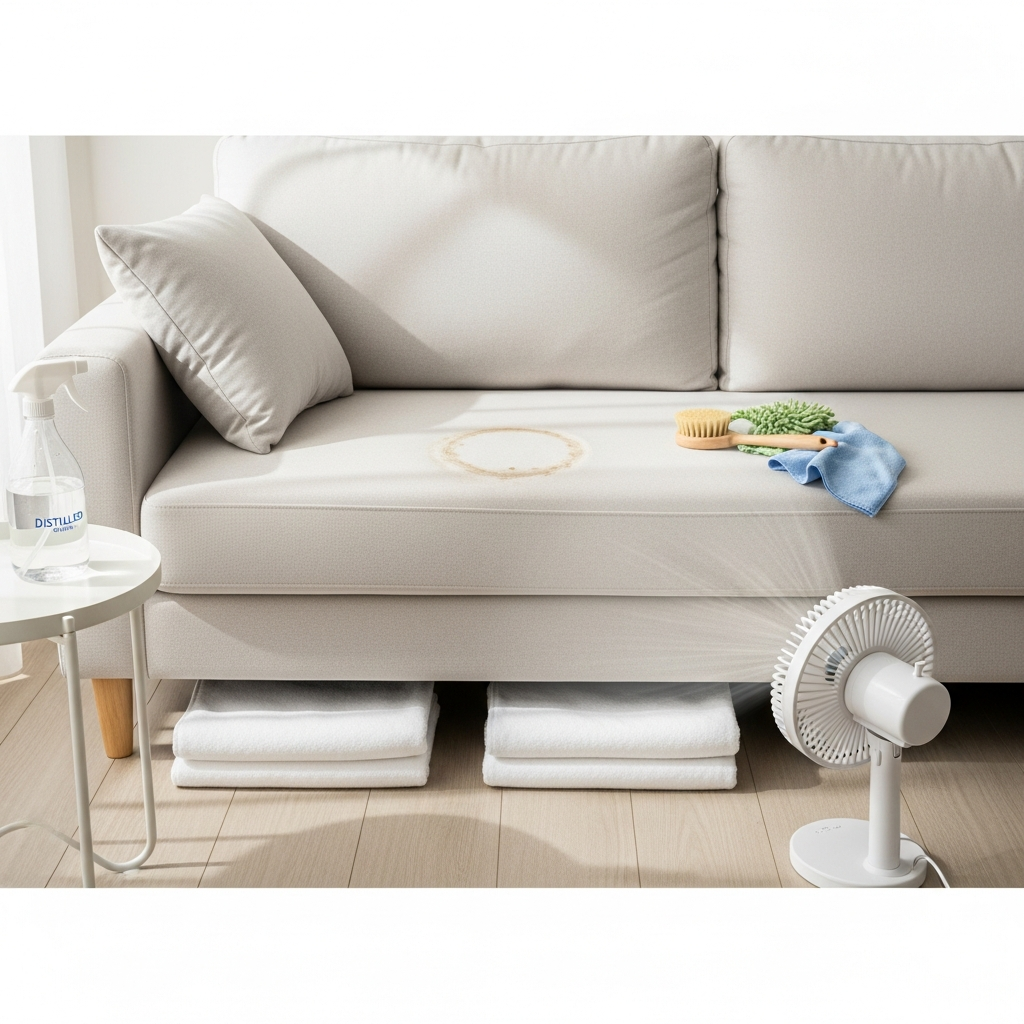
Problem: Persistent Water Rings Or Tide Marks
Likely Causes: Overwetting, tap water minerals, or uneven drying.
- Fix For W/W/S: Lightly re-wet just beyond the ring with distilled water. Blot outward in wide circles with clean white towels, replacing sides often. Allow to dry with a fan.
- Fix For S: Avoid re-wetting with water. Use a compatible solvent and feather the boundary minimally. Ventilate well.
- Prevention: Use distilled water, apply solutions sparingly, and work in small sections.
Problem: Shadowy Dark Areas That Return After Cleaning
Likely Causes: Residual oils, incomplete rinsing (W), or wick-back from deeper foam contamination.
- Fix For W: Target the area with a mild detergent, agitate gently, and perform a careful distilled-water rinse. Blot extensively and dry fast with a fan or dehumidifier.
- Fix For S: Apply a solvent cleaner sparingly and blot repeatedly. Increase ventilation to quicken evaporation.
- Prevention: Wipe armrests weekly with a dry microfiber cloth; consider fabric protector compatible with your code.
Problem: Fabric Feels Crunchy Or Stiff After Drying
Likely Causes: Soap residue or hard water minerals.
- Fix For W: Perform a light distilled-water rinse over the affected zone and blot thoroughly until towels lift clean. Brush the nap gently when dry.
- Fix For S: Reduce product quantity next time; for current stiffness, very gentle brushing can help restore hand-feel.
- Prevention: Use the smallest effective detergent dose and rinse W fabrics until towels show no suds.
Problem: Lingering Musty Odor
Likely Causes: Slow drying in humid weather or moisture trapped in cushion foam.
- Fix For W: Move cushions apart, run fans and a dehumidifier, and give the room cross-ventilation. If odor persists, repeat a light clean with extra blotting and longer drying time.
- Fix For S: Improve airflow and avoid adding more liquid. If odor remains, consider professional evaluation for deeper foam treatment.
- Prevention: Choose dry days for cleaning in Elizabeth summers and prioritize fast drying.
Problem: Color Fading Or Uneven Appearance
Likely Causes: Sun exposure, uneven cleaning, or directional nap.
- Fix: Reposition the sofa or use throws on sun-exposed areas. Clean the entire panel—not just spots—to blend tones. For nap fabrics, brush consistently in one direction after drying.
- Prevention: Rotate cushions monthly and vary seating positions to even out wear and light exposure.
Problem: Wicking—Stain Reappears After Drying
Likely Causes: Residue or contaminants moving up from deeper layers as the surface dries.
- Fix For W: Repeat the clean with lighter solution, followed by a meticulous rinse and extended blotting. Dry vertically with airflow to minimize wick-back.
- Fix For S: Blot with solvent carefully and allow slow, even evaporation. Avoid heat that can set residues.
- Prevention: Use minimal moisture and frequent towel changes; address spills immediately before they penetrate.
Problem: Pile Distortion On Velvet, Chenille, Or Microfiber
Likely Causes: Aggressive scrubbing or uneven agitation.
- Fix: After the area is fully dry, brush gently with a soft upholstery brush to realign fibers. For microfiber, a clean dry sponge can also help revive texture.
- Prevention: Replace scrubbing with light agitation and blotting. Work in small sections and be patient.
Problem: Pet Odors Or Stains That Keep Returning
Likely Causes: Incomplete removal of organic residues or slow drying.
- Fix For W: Use an enzyme cleaner labeled for upholstery, test first, and allow dwell time. Rinse lightly with distilled water and dry thoroughly, preferably with a dehumidifier in summer.
- Fix For S: Blot to remove as much as possible and consult a professional; avoid excess moisture.
- Prevention: Prompt treatment, increased airflow, and consistent vacuuming reduce recurrence.
Problem: White Haze Or Dull Film On Fabric
Likely Causes: Soap film or minerals.
- Fix For W: Rinse with distilled water in a controlled, light application and blot until towels stop picking up residue.
- Fix For S: Use minimal product next time and buff gently with a clean dry cloth.
- Prevention: Measure detergents and use distilled water when possible.
Problem: Fabric Shrinkage Or Ripples
Likely Causes: Excess moisture, heat, or incompatible cleaning method.
- Fix: Stop wet cleaning. Allow full dry time with gentle airflow and avoid heat. If ripples persist, seek professional advice, especially for natural fibers.
- Prevention: Follow fabric codes strictly and avoid heavy saturation.
Problem: Static And Flyaway Fibers In Winter
Likely Causes: Dry heated indoor air.
- Fix: Lightly brush the fabric and increase room humidity to a comfortable level. Avoid heavy sprays that leave residue.
- Prevention: Keep sofas a few inches away from heat vents or radiators.
Elizabeth Climate: When To Clean And When To Wait
Timing matters. On humid summer days, limit wet cleaning and plan for maximum airflow with fans and a dehumidifier. On crisp, dry autumn afternoons, cleaning and drying are often easier. In winter, moderate indoor humidity helps prevent static while ensuring reasonable drying times.
Diagnostic Checklist—From Symptom To Solution
- Identify Code: W, S, W/S, or X.
- Assess The Symptom: Ring, odor, residue, color change, or texture issue.
- Choose Minimal-Moisture Method: Light mist for W; sparing solvent for S.
- Rinse If Applicable: Distilled water rinse for W fabrics to remove residue.
- Dry Fast: Fans, open interior doors, and dehumidifiers accelerate safe drying.
- Reassess: Inspect in strong light after drying; repeat cautiously if needed.
Emergency Spills: First Aid Protocol
- Blot Immediately: Use white towels. Do not rub.
- Classify The Stain: Tannin, protein, oily, or dye.
- Match The Method: W fabrics get a mild detergent and a rinse; S fabrics get a compatible solvent.
- Feather The Boundary: Extend just past the stain to avoid a sharp edge.
- Dry Completely: Separate cushions and run a fan.
Apartment And Townhome Realities
Working in tighter Elizabeth spaces means staging is critical. Set up a “dry zone” with towels on a bed, pre-label your spray bottles, and plan airflow ahead of time. Cleaning in smaller, more controlled sections lowers the risk of rings and speeds up troubleshooting if a problem appears.
Frequently Asked Questions
Q: Why do stains look worse after I try to fix them?
A: Overwetting and incomplete rinsing (on W fabrics) leave residue and cause ring edges. Use less solution, more blotting, and distilled water for rinsing.
Q: Can I steam clean any sofa?
A: Only if the label allows and you manage moisture carefully. Many problems—rings, texture change—come from too much heat or water.
Q: How long should drying take?
A: With good airflow, most W-fabric spot cleanings dry in a few hours. In humid summers, plan for extra time and run a dehumidifier.
Q: Is solvent cleaning safe in apartments?
A: Yes, with strong ventilation and minimal application. Always test first and follow product guidance.
Q: My sofa is X-coded. What can I do?
A: Vacuum and brush only. Call a professional for stains to avoid damage.
Preventative Habits That Reduce Troubleshooting Later
- Vacuum weekly with proper attachments.
- Blot spills immediately and treat per code.
- Rinse W fabrics lightly after cleaning and dry rapidly.
- Rotate cushions monthly and brush nap when needed.
- Time your cleaning for Elizabeth’s drier days when possible.
When To Call In Reinforcements
If rings won’t fade, odors persist, or the fabric code is unclear, pause DIY efforts. A professional evaluation can reset the sofa safely and provide guidance for future maintenance. Many Elizabeth homeowners alternate between personal upkeep and periodic expert sofa cleaning to keep upholstery looking its best.
Ready To Solve Stubborn Sofa Issues?
You now have a step-by-step approach to diagnose and fix common upholstery problems in Elizabeth, NJ homes. For a confident reset and long-lasting freshness, pair your routine with occasional professional sofa cleaning and enjoy a brighter, cleaner living space through every season.