
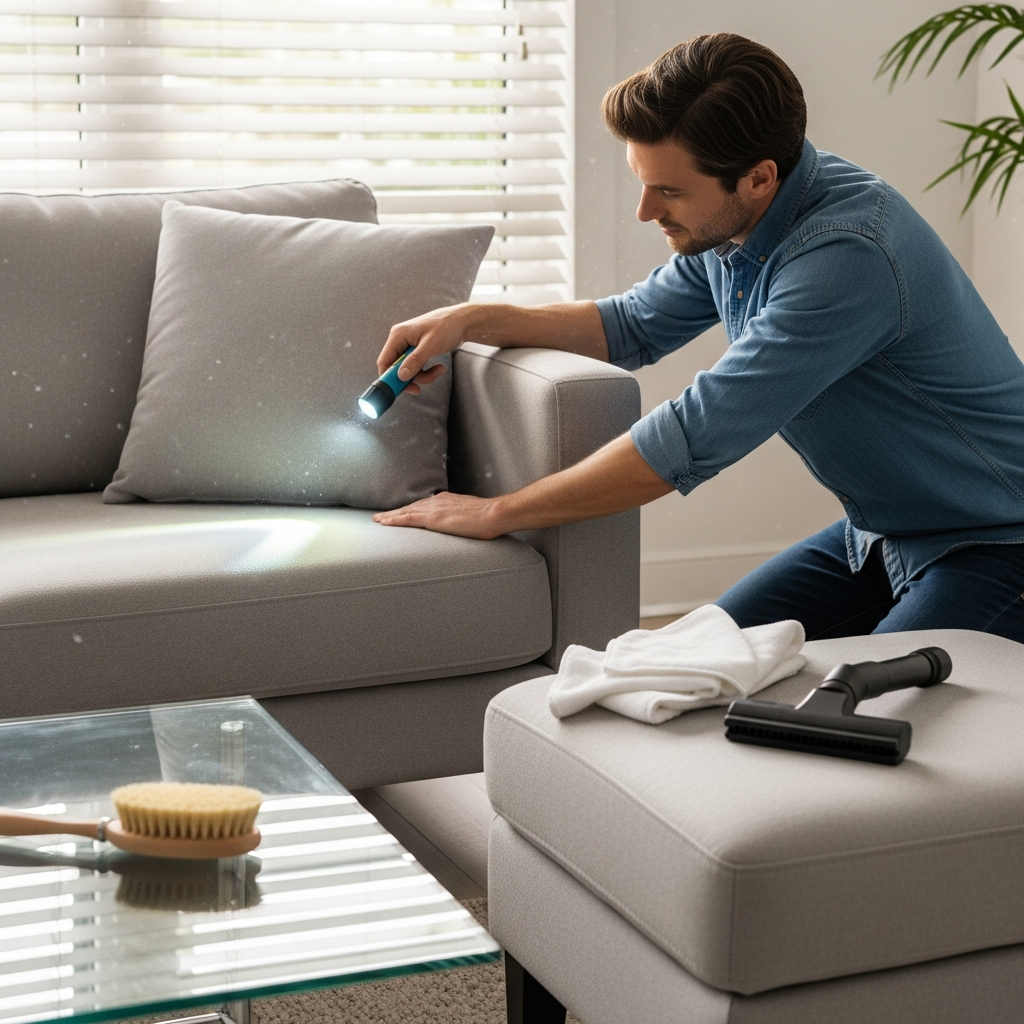
Regular inspections are the backbone of safe, effective sofa care in Elizabeth, New Jersey. Whether you manage a busy household or live a quieter lifestyle, routine checks reveal early signs of wear, hidden stains, moisture issues from humid summers, and dust buildup from urban living. This guide translates inspection best practices into a clear plan that prevents surprises, protects your investment, and keeps your living room inviting. In addition to DIY steps, many residents combine periodic evaluations with occasional professional sofa cleaning for deep resets while maintaining daily upkeep themselves.
Think of inspection as your map: it guides what to clean, how urgently to act, and which technique to choose based on fabric type. With a few minutes each month—and a focused quarterly review—you can catch problems before they turn into permanent stains, odors, or fabric damage.
Know Your Fabric And Label Codes
Inspection starts with the basics. Locate the upholstery tag under a cushion or along a seam. The codes usually read:
- W: Water-based cleaning permitted.
- S: Solvent-only cleaning recommended.
- W/S: Either method may be used; always test first.
- X: Vacuum only—no wet cleaning.
Record the code in a note on your phone. This simple step speeds up decisions when you find a new spot and reduces the risk of using the wrong cleaner.
Monthly Visual And Tactile Inspection
Set a monthly reminder. Your checklist can be done in 10–15 minutes:
- Lighting: Turn on bright room lights and open blinds to reveal faint stains.
- Surface Scan: Look for darkening on armrests, headrests, and cushion fronts.
- Seams And Piping: Check for loose threads, snags, or fraying.
- Under-Cushion Deck: Lift cushions and inspect the deck for crumbs, dust, or hidden spills.
- Odor Check: Smell near creases and cushion seams—mustiness suggests slow drying after a spill.
- Touch Test: Feel for tacky areas indicating residue from prior cleanings that need a proper rinse (for W fabrics).
Quarterly Detailed Inspection
Every quarter, go deeper:
- Color Consistency: Compare shaded versus sunlit areas to catch fading.
- Fabric Texture: Note shiny spots or crushed nap and plan gentle brushing.
- Structural Health: Press seat edges and arms; listen for squeaks or looseness that can alter fabric tension and create wear lines.
- Allergen Load: If anyone in the home has allergies, check dust accumulation; a HEPA vacuuming and filter replacement may be due.
- Moisture History: Review any spills from the past season and ensure no stale odors linger—especially after humid weeks in Elizabeth.
Inspection Tools
- Bright flashlight or phone light
- White microfiber cloths
- Soft upholstery brush
- Vacuum with upholstery and crevice tools
- Distilled water and spray bottle (for W fabrics, testing only)
- Notepad or phone checklist
What To Do When You Find…
- Shadowy Dark Patches: Usually accumulated body oils. For W/W/S fabrics, plan a targeted clean with mild detergent and a distilled-water rinse. For S, use a compatible solvent and ventilate.
- Ring Marks: Typically from prior overwetting or tap water minerals. Treat with a light re-wet using distilled water, then blot widely to feather edges (W fabrics).
- Sticky Residue: Signals leftover detergent. Rinse lightly with distilled water and blot dry (W fabrics).
- Faint Odors: Improve airflow, dry with a fan, and schedule a light overall clean if needed. Persistent odors may indicate deeper foam contamination—consider professional help.
- Loose Threads/Seam Wear: Trim frays carefully and consider early repair before gaps widen.
Moisture And Climate Considerations In Elizabeth, NJ
Humid summers are a top risk for slow drying and musty odors. During inspection, pay special attention to crevices and cushion cores after any recent clean. If surfaces feel cool or slightly damp, increase airflow immediately. In winter, heated indoor air is drier; watch for static and brittle textures that benefit from gentle brushing.
Pet-Related Inspection Points
- Hair Accumulation: Focus on cushion corners and under cushion lips where fur collects.
- Scratch Tracks: Look for tiny snags or pulled loops; address promptly with a fabric shaver or by tucking threads back (do not cut loops on woven fabrics).
- Odor Hotspots: Smell near favorite nap zones. If you detect a persistent odor, plan a targeted clean and fast drying.
Kid And Guest Traffic Signals
Spills during family gatherings or playdates often hide along cushion fronts and the deck. During inspection, tilt cushions and use a flashlight at a shallow angle to reveal dried residue. Early treatment prevents hard-to-blend tide marks later.
Inspection-Driven Cleaning Schedule
- Immediate Response: New spills or fresh pet accidents get top priority. Blot, treat per fabric code, and dry thoroughly.
- Weekly: Vacuum all surfaces and seams; brush nap where it looks crushed.
- Monthly: Target high-contact zones found during inspection.
- Quarterly: Do an overall clean per code and reassess color uniformity.
Preventing Re-Soiling After An Inspection Clean
Residues attract soil like a magnet. If your inspection triggers a cleaning session on W fabrics, always follow with a light distilled-water rinse and thorough blotting. Use white towels and switch to a fresh side often. For S fabrics, keep applications minimal and ensure strong ventilation.
Common Inspection Findings And Fixes
- Armrest Darkening: Cause—skin oils. Fix—targeted detergent (W) or solvent (S), followed by protection or washable covers.
- Seat “Grime Lines”: Cause—edge friction from clothing. Fix—periodic gentle cleaning and cushion rotation.
- Shiny Patches On Velvet: Cause—crushed nap. Fix—soft brushing in the nap direction after complete drying.
- Ringed Water Spots: Cause—excess moisture or minerals. Fix—feathered re-wet with distilled water and wide blotting.
- Mildew Smell In Summer: Cause—slow drying. Fix—fans, dehumidifier, and timely cleaning on low-humidity days.
Safety And Testing Protocol
- Spot Test: Always test cleaners on a hidden area and check for color transfer or texture change after drying.
- Ventilation: Open windows or use fans—especially for S-code solvent cleaning.
- Protective Gear: Gloves and a mask help if you’re sensitive to dust or fragrances.
Documentation: The Secret Weapon
Take quick photos during inspection—stains, seams, and high-use zones. Save them in a dated album on your phone. Over time, you’ll spot patterns like recurring armrest darkening or slow-drying areas. This helps you choose better prevention, like fabric protectors or rearranged seating to minimize direct sunlight.
Landlord, Tenant, And Shared Housing Tips
In multi-unit buildings or shared homes, align expectations. Post a simple checklist: vacuum weekly, treat spills immediately, and report new stains. Shared accountability keeps upholstery cleaner and extends its usable life for everyone.
Mid-Inspection Course Corrections
If, halfway through, you notice spreading rings or sticky patches, stop and adjust. Use less solution, more blotting, and fresh towels. If the fabric code is unknown, restrict yourself to dry soil removal until you can confirm the safest method. If a deep reset feels overdue, consider scheduling an expert sofa cleaning visit and then return to your monthly checks.
Frequently Asked Questions
Q: How often should I inspect my sofa in Elizabeth, NJ?
A: A quick monthly check plus a quarterly deep review is a solid rhythm for most homes.
Q: What’s the most common issue inspections reveal?
A: Gradual armrest darkening from skin oils and tide marks from prior overwetting are frequent finds.
Q: How do I know if a smell indicates a serious problem?
A: Persistent mustiness after thorough drying suggests deeper foam contamination. Consider a professional evaluation.
Q: Can inspection prevent color fading?
A: It helps by identifying sun-exposed areas early so you can use throws or reposition the sofa to balance light exposure.
Q: What if my sofa is labeled X?
A: Limit to vacuuming and brushing. Do not attempt wet cleaning. For stains, consult a professional.
Elizabeth-Focused Final Checklist
- Record your fabric code and keep the right products on hand.
- Do monthly visual, odor, and touch checks; vacuum weekly.
- Watch humidity, especially in summer; dry fast after any cleaning.
- Document problem spots and address them early.
- Blend DIY care with occasional expert resets as needed.
Make Inspection A Habit—Your Sofa Will Thank You
A consistent inspection routine reveals small problems before they become big headaches. Use this guide to set monthly reminders, align your products with your fabric code, and act on what you see. When you want extra assurance or have delicate materials, pair your efforts with professional sofa cleaning, then continue your monthly rounds. Your Elizabeth home will feel cleaner, smell fresher, and welcome guests with confidence all year long.