Searching for the best professional help to revive your floors can feel overwhelming, especially when you type “near me” and see a long list of names. If you live in Elizabeth, New Jersey, you juggle unique local conditions—salt and slush from winter, humid summers, and busy households—that all leave carpets looking tired faster than you expect. The secret to choosing well is knowing what to look for and how to compare options. When you compare carpet cleaning services, focus on results that are healthy, long-lasting, and tailored to your home’s specific needs.
What “best” really means for Elizabeth homeowners
“Best” is not just the company closest to your house or the quickest to answer the phone. The best provider delivers consistent results, uses methods that suit your carpet fibers, protects indoor air quality, communicates clearly, and stands behind the work. In Elizabeth, where multi-family homes, historic residences, and modern townhouses sit side by side, versatility matters. A top team understands how to handle high-traffic hallways, kids’ play areas, pet-friendly rugs, basement rooms that see moisture, and delicate fibers in formal living rooms. They arrive on time, explain the plan, and leave your space feeling fresh rather than over-wet or chemical-heavy.
Key qualities of a top-tier provider
Look for training and documented processes that signal reliability. Technicians should be skilled in fiber identification and stain chemistry, comfortable working with professional-grade equipment, and prepared to adjust techniques for wool, nylon, polyester, olefin, and blends. Transparency is a hallmark of excellence: you should understand what will be cleaned, how, and why, along with realistic expectations for stain removal. Reliable businesses also carry appropriate insurance, follow safety protocols, and treat your home with care—corner guards, shoe covers, and protective mats show attention to detail.
Cleaning methods explained
There is no single “right” way to clean every carpet. Hot water extraction (often called steam cleaning) is a deep-cleaning staple that flushes soils and allergens from the pile when performed with calibrated heat, water pressure, and extraction. Low-moisture encapsulation is excellent for maintenance between deep cleans; it crystallizes soils so they can be vacuumed away, reducing downtime and moisture exposure. Dry compound methods can be helpful for moisture-sensitive spaces. Bonnet cleaning offers fast appearance improvement for lightly soiled or commercial settings but is not a substitute for periodic deep extraction. The best teams choose a method—or a sequence—that aligns with your carpet type, soil load, and dry-time needs.
Local factors in Elizabeth, NJ
Elizabeth’s seasonal shifts challenge carpet fibers in different ways. Winter runoff brings road salt and grit that abrade fibers and dull color. Summer humidity near Newark Bay can contribute to slow drying if poor methods are used. Many homes have entryways directly off the street, which increases tracked-in soils. Multi-level residences with basements may see odor issues from moisture or storage. A provider familiar with the area understands these patterns, recommends proper entry matting, and selects techniques to reduce wicking and prevent musty smells—especially important in garden-level or basement rooms.
Signs it’s time to call the pros
Beyond the obvious marks and spills, pay attention to gray traffic lanes that reappear after vacuuming, lingering odors from pets or cooking, and flattened pile that resists grooming. If vacuum bags or canisters fill quickly, or if your allergies flare indoors, embedded soil and dust may be the culprit. DIY spot treatments that leave rings or a crunchy feel indicate residue buildup—a professional rinse is needed. If you are preparing a rental turnover or listing your home for sale, expert cleaning boosts first impressions and can reveal true carpet color and texture you forgot existed.
What to expect during a professional visit
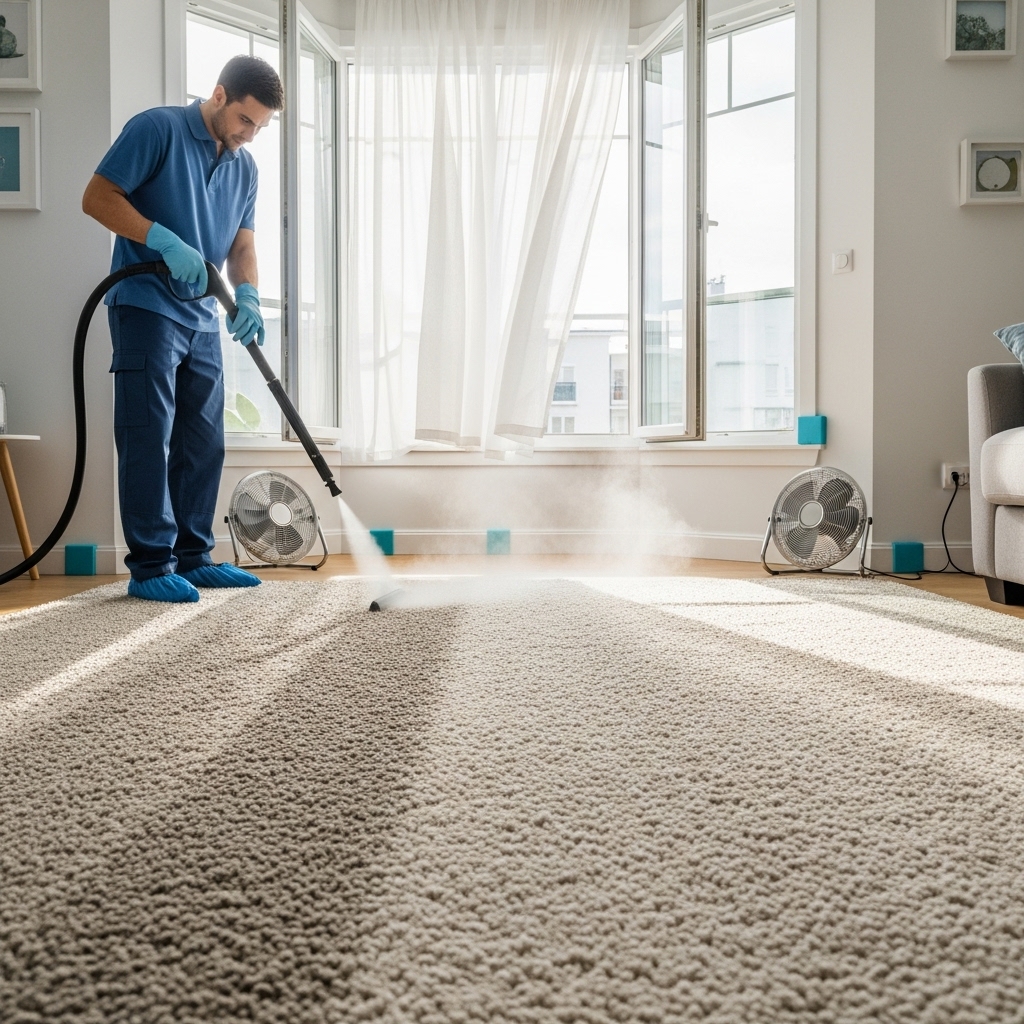
The process typically starts with a walkthrough and fiber test to avoid damage and choose the best prespray. Dry soil removal is critical—thorough vacuuming before any moisture hits the carpet prevents mud. A targeted prespray breaks down oils, sugars, protein-based soils, and particulate matter. Agitation (manual or machine-assisted) improves contact with the fibers. The technician then performs extraction or the chosen method, followed by neutralizing and grooming to set the pile and speed drying. Airflow aids, open windows as weather permits, and careful placement of fans help ensure carpets are ready to use quickly.
Health and safety considerations
Healthy results come from neutral pH finishes, proper rinsing, and avoiding over-wetting. Reputable teams use solutions formulated for indoor environments and choose hypoallergenic or fragrance-free options when requested. If you have infants who crawl, sensitive pets, or family members with allergies, communicate those needs so the technician can tailor products. Over-application of detergents or deodorants may mask issues temporarily but can cause rapid re-soiling. The best outcome is a soft, residue-free carpet that vacuum cleans more easily for weeks to come.
In the middle of your research, it helps to compare service descriptions, methods, and guarantees side by side. Local homeowners who want clarity about scheduling, fabric safety, and maintenance plans can review reputable carpet cleaning services to understand what’s included and how professionals approach different challenges.
How to vet a company: a practical checklist
- Ask about training and continuing education for technicians.
- Confirm insurance coverage and safety protocols in occupied homes.
- Request an explanation of methods and why they suit your carpet.
- Learn how they handle pet accidents, odor issues, and recurring spots.
- Discuss dry-time targets and steps taken to prevent overwetting.
- Verify what furniture will be moved and how it will be protected.
- Check for environmentally considerate options if desired.
- Seek clear communication before, during, and after the job.
Preparing your home for success
- Clear small items from the floor: toys, shoes, pet bowls, and cords.
- Pin up floor-length drapes or bedskirts to avoid contact with damp carpet.
- Secure or move fragile decor from traffic paths and stairs.
- Vacuum thoroughly to remove dry soil and speed up the visit.
- Identify concern areas—rust, dye spots, pet zones—so nothing is missed.
- Make a plan for pets during cleaning to minimize stress and interruptions.
- Ensure adequate parking and access for equipment and hoses.
Aftercare and long-term maintenance
Once cleaned, protect your results with simple habits. Use high-quality mats at every exterior door, and vacuum at least weekly, more often in busy households. Address spills immediately: blot gently, avoid scrubbing, and use small amounts of cool water before any spot product. Grooming the pile with a carpet rake restores appearance between vacuuming. Consider periodic low-moisture maintenance visits for high-traffic areas so deep cleans can be spaced appropriately. Rotating area rugs and adjusting furniture slightly prevents permanent crush lines and uneven wear.
Pet and odor considerations
Elizabeth is a pet-loving city, and accidents happen. Urine can travel into pad and subfloor; surface cleaning alone may not solve the issue. Successful odor control begins with identifying affected areas using moisture meters or UV inspection, then treating the source. Enzyme-based solutions, proper dwell time, and careful extraction are key. Avoid heavy perfumes that only mask smells. If you notice recurring odors after DIY treatments, a professional decontamination may be needed to break down residues and restore freshness.
Stain types common in the area
Road salt tracking leaves white crust and stiff fibers; a gentle acid rinse can dissolve residues while protecting dyes. Coffee and tea from morning commutes create tannin stains that require targeted reducers. Rust marks from radiator feet or metal furniture call for specialty treatments. In family rooms, fruit juice, sauces, and craft paint might be frequent offenders. Communicate what caused the spot and how long it has been present—this informs the safest, most effective approach.
Common mistakes to avoid
- Overusing high-alkaline spotters that leave sticky residue.
- Scrubbing stains aggressively, which fuzzes fibers and sets dyes.
- Skipping vacuuming before wet cleaning, turning dust into mud.
- Allowing furniture legs to sit on damp carpet without protection.
- Closing up the room without airflow, slowing dry times unnecessarily.
When replacement is not your only option
Before you assume a discolored hallway or flattened stairs are beyond saving, get a professional opinion. Reappearing spots may be residue or wicking that an experienced technician can resolve with a thorough rinse, targeted drying, and proper chemistry. Even carpets that are years old can surprise you when soil is removed from the base of the pile and the texture is reset. A careful inspection helps you decide if another cleaning could extend the life of your flooring.
Frequently Asked Questions
Q: How often should I schedule professional cleaning in Elizabeth, NJ?
A: Most households benefit from a deep clean every 12 months, with high-traffic homes or pet families opting for maintenance at shorter intervals. Seasonal factors—like winter salt—may justify a spring refresh.
Q: Will professional cleaning remove all stains?
A: Many stains respond well to expert treatments, but results depend on the substance, how long it has set, and previous attempts. A reputable technician will set expectations and explain what is achievable safely.
Q: How long does it take carpets to dry?
A: With proper technique and airflow, most areas are ready for light use within a few hours. Heavier piles or cooler, humid weather can extend dry time; professionals plan accordingly.
Q: Is hot water extraction safe for my carpets?
A: When performed correctly, yes. Calibrated heat and controlled moisture followed by strong extraction are both safe and effective for many fibers. The key is technician training and equipment quality.
Q: Do I need to move furniture?
A: Clear small items ahead of time. Discuss larger pieces with your provider—some will move and protect select items, while others work around heavy furniture for safety and efficiency.
Q: What about allergies and indoor air quality?
A: Removing embedded dust, pollen, and residues can make a noticeable difference. Ask for a neutral rinse and low-scent options to keep the environment comfortable for sensitive family members.
Ready to refresh your carpets?
If your floors no longer reflect the comfort and care you put into your home, partner with a local team that prioritizes fiber safety, health, and lasting results. Schedule a visit with proven experts who listen, explain, and deliver. Start by exploring professional carpet cleaning services and choose a solution that brings color, softness, and cleanliness back to every room.