
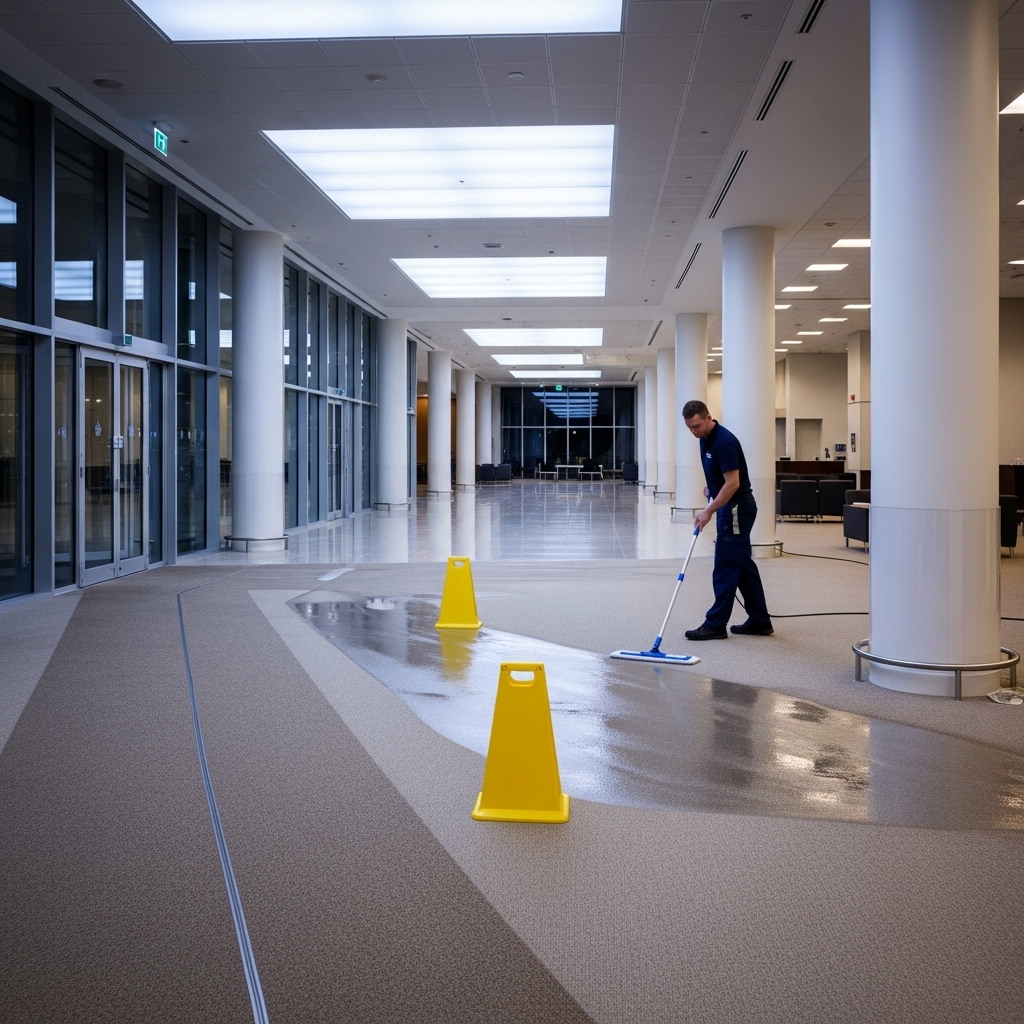
Keeping commercial carpets clean in Elizabeth, New Jersey requires planning, coordination, and a focus on safety and appearance. Offices, retail spaces, medical suites, schools, hospitality venues, and multifamily common areas all face different challenges: heavy foot traffic, seasonal moisture, spill-prone zones, and limited cleaning windows. Rather than looking only at surface-level results, evaluate partners on their ability to protect assets, minimize downtime, and maintain a consistent standard across every visit. To compare capabilities and methods, start by reviewing reputable carpet cleaning services and how they structure programs for busy properties.
Defining the scope for business environments
Commercial projects succeed when the scope of work aligns with operations. Map out square footage by use: lobbies, corridors, conference rooms, workstations, executive suites, and break areas. Identify building access, loading zones, elevator logistics, and security protocols for after-hours entry. Decide which items can be moved and which must be worked around. In retail or healthcare, designate zones that require special attention due to spills or rolling carts that embed grit into the pile.
Method selection for high-traffic spaces
Many properties blend methods for performance and speed. Hot water extraction restores heavily soiled areas by flushing contaminants from the pile. Low-moisture encapsulation offers quick turnaround for maintenance, allowing foot traffic sooner and reducing re-soiling when paired with routine vacuuming. Bonnet work can improve appearance between deeper services in certain settings but should not replace periodic extraction. The right sequence depends on fiber types, backing, and the need to control moisture in climate-controlled buildings.
Scheduling that respects operations
Night and weekend service windows keep employees and customers moving without disruption. Coordinating with facility managers ensures alarms are set, elevators are reserved, and signage is placed to guide detours. The team should protect adjacent floors, baseboards, and corners with guards and mats. Effective communication—pre-service notices, floor maps, and post-service reports—keeps everyone aligned and reduces surprises on Monday morning.
Elizabeth-specific conditions
Winter weather brings salt and abrasive grit that wear down high-visibility corridors and lobbies. Summer humidity can slow drying without adequate airflow or dehumidification. Older buildings with radiators or historic trim require extra protection against moisture and spotting. Multi-tenant properties may need staggered schedules to respect different business hours and security requirements. A local partner that understands these patterns builds them into method selection and logistics.
Safety and compliance in occupied buildings
Professional crews must adhere to building policies and emphasize occupant safety. Clear signage, cord management, and slip prevention are non-negotiable. Low-scent or neutral options may be preferred in healthcare and education settings. Technicians should be trained to respond to sensitive materials, including wool in executive suites or specialized carpet tiles in tech spaces with raised floors. Documentation helps property teams track work, performance, and any areas flagged for follow-up.
Measuring results beyond appearance
Appearance is important, but it’s not the only metric. Track soil load reduction through routine vacuum bag checks and colorfastness observations. Monitor dry times and re-soiling intervals. Keep a log of recurring stains or wicking to evaluate if method adjustments are needed. Periodic photo documentation supports reporting to stakeholders and helps refine the maintenance plan for better outcomes over time.
Creating a maintenance calendar
A successful program blends periodic restorative cleaning with frequent low-moisture maintenance. Lobbies and main corridors may require monthly attention, while conference rooms and private offices can be rotated quarterly. Break areas and cafe seating zones often need focused treatments due to spills. Stairs and elevator lobbies benefit from additional passes, as soil concentrates near transitions. Align the calendar with tenant turnover cycles and seasonal weather patterns.
Furniture and workstation considerations
Moving large items may not be practical. Instead, plan linear cleaning paths through open office layouts, shifting chairs and small pieces as needed. Use protective tabs if furniture must rest on damp carpet. For modular workstations, coordinate with IT and facility teams to avoid disrupting cabling or equipment. In customer-facing areas, schedule sections to keep part of the space open while another section is serviced.
Odor management and indoor comfort
Break rooms, entry mats, and areas near exterior doors often trap odors. Proper source treatment with adequate dwell time yields lasting freshness. Choose products and rinses that leave minimal residue to avoid rapid re-soiling. In properties with sensitive occupants, communicate fragrance preferences and consider advanced filtration during and after the visit to support indoor comfort.
In the middle of planning, it’s useful to study how established carpet cleaning services document their protocols—inspection, protection, method choice, airflow, and post-service reporting. That transparency makes it easier to align expectations with building operations.
Common pitfalls to avoid
- Relying solely on fast appearance methods and skipping periodic deep extraction.
- Ignoring entry matting performance, which is the first defense against grit.
- Underestimating the impact of humidity and airflow on dry times.
- Failing to communicate service windows to tenants or staff, causing avoidable interruptions.
- Overlooking stairwells and landings that accumulate soil quickly.
Communication checklist for facility managers
- Provide floor plans and notes on sensitive areas or specialty fibers.
- Confirm access credentials, alarm codes, and elevator reservations.
- Share building rules on signage, noise, and disposal of recovered water.
- Define success metrics: appearance goals, dry-time targets, and follow-up procedures.
- Establish a single point of contact for real-time coordination.
Industry-specific notes
Healthcare: Favor low-scent solutions and meticulous cord management. Retail: Schedule around peak hours, prioritize dressing rooms and main aisles. Education: Align with breaks, protect baseboards in crowded corridors. Hospitality: Blend quick-turn low-moisture cycles with periodic deep restoration in banquet spaces and corridors. Multifamily: Coordinate with leasing to prepare model units and amenity areas for tours.
Training and quality assurance
Look for teams that emphasize technician education and field supervision. Check that staff understand fiber identification, stain chemistry, and safe handling of wool, nylon, and solution-dyed materials. A quality assurance process—spot checks, photo logs, and post-visit summaries—demonstrates accountability and helps facility leaders forecast future needs based on real observations, not guesswork.
Frequently Asked Questions
Q: How often should commercial carpets be serviced?
A: Frequency depends on traffic and use. Lobbies may need monthly attention, with offices and meeting rooms addressed on a quarterly rotation, and restorative deep cleaning scheduled periodically.
Q: How do you minimize disruption in active spaces?
A: After-hours scheduling, clear signage, cord management, and phased cleaning that leaves pathways open all help maintain normal operations.
Q: What about sensitive tenants or occupants?
A: Communicate fragrance preferences and request low-scent or neutral options. Proper rinsing and airflow support indoor comfort for everyone.
Q: Can every stain be removed?
A: Many can, but success depends on the substance and time elapsed. A professional will explain likely outcomes and safe limits before treatment.
Q: How can I tell if the program is working?
A: Track re-soiling intervals, monitor dry times, document problem areas, and compare photos over time. Adjust the maintenance calendar accordingly.
Elevate your property’s first impression
Choose a commercial partner that aligns with building operations, emphasizes safety, and delivers consistent, residue-free results. With a well-planned schedule and clear communication, your floors can handle daily traffic while projecting a clean, professional image. Explore proven carpet cleaning services to set a program that fits your property’s rhythm and keeps every corridor, lobby, and suite looking its best.