Choosing a local team to care for your carpets is about more than finding a quick clean; it is about protecting the look, feel, and health of your home for years to come. If you live in Elizabeth, New Jersey, you are in a unique market with a mix of historic homes, bustling apartment buildings, and busy family residences shaped by four true seasons. In this guide, we compare approaches, methods, credentials, and customer experience standards so you can confidently sort through options and identify the best partner. To start you strong, we will clarify what separates techniques and how to assess real quality, and we will point you to professional carpet cleaning services that align with your expectations for safety, thoroughness, and reliability.
Why comparison matters in Elizabeth, New Jersey
Elizabeth’s climate and everyday living patterns create specific carpet challenges. Winters track in salt and slush that can leave alkaline residue and premature wear. Spring introduces pollen that clings to fibers and lowers indoor air quality. Summer humidity can encourage musty odors if soil and moisture remain deep in the pile. Fall brings a new wave of debris, from leaves to fine grit, that settles in entryways and hallways. Comparing companies is not just about finding availability; it is about selecting a partner who understands these local factors and adjusts solutions to protect your carpet’s texture, color, and lifespan.
Major cleaning methods and what they mean
When companies in Elizabeth advertise their approach, you will often see several methods listed. Understanding the strengths and limits of each helps you match your needs to the right service model.
- Hot water extraction (often called “steam cleaning”): A deep-clean approach in which heated water and a cleaning solution are injected into the carpet, then extracted with powerful suction. Excellent for removing embedded soil, many allergens, and residue from previous DIY attempts. Drying times vary based on airflow, fiber type, and equipment power.
- Low-moisture encapsulation: A polymer-based cleaner is worked into the carpet with a machine, surrounding soil particles so they crystallize as they dry. Later vacuuming removes the crystals. This is popular for maintenance cleaning and commercial settings with short downtime.
- Bonnet cleaning: A rotating pad dampened with cleaner agitates and absorbs surface soil. This is primarily a surface appearance method, useful between deeper cleans in busy spaces, but not a substitute for periodic extraction.
- Shampooing: An older method using foaming detergents. Can brighten the surface but may leave residue without proper rinse and extraction steps.
- Dry compound cleaning: A granular compound is spread, brushed in, and vacuumed out. Useful for specific circumstances where moisture must be minimized, though thoroughness depends on the compound quality and machine power.
Top-tier providers typically recommend hot water extraction for periodic deep maintenance and use low-moisture methods for interim upkeep. The best teams tailor a plan rather than pushing a single technique for every situation.
Essential comparison criteria
To compare companies effectively, match them across the following dimensions. A company that performs strongly in each area is far more likely to deliver consistent results.
- Training and certifications: Look for technicians with recognized training in fiber identification, stain chemistry, spot removal, and safe solution handling. This helps ensure they use the right method and cleaning agents for your carpet type.
- Equipment quality and maintenance: High-performance extractors, proper agitation tools, and well-maintained vacuums significantly impact soil removal and dry times.
- Cleaning chemistry: The best providers use solutions matched to specific soils, residues, and fibers, with a focus on low-residue formulas that rinse clean. For homes with children, elders, or pets, ask about hypoallergenic and eco-conscious options.
- Pre-inspection and testing: Reputable teams perform a walk-through, check for fiber type and colorfastness, and do small tests for tricky spots to avoid surprises.
- Spot and stain expertise: Pet accidents, beverage spills, and dye transfer each demand different strategies. Ask how technicians diagnose and address each, including when pad or subfloor treatment is appropriate.
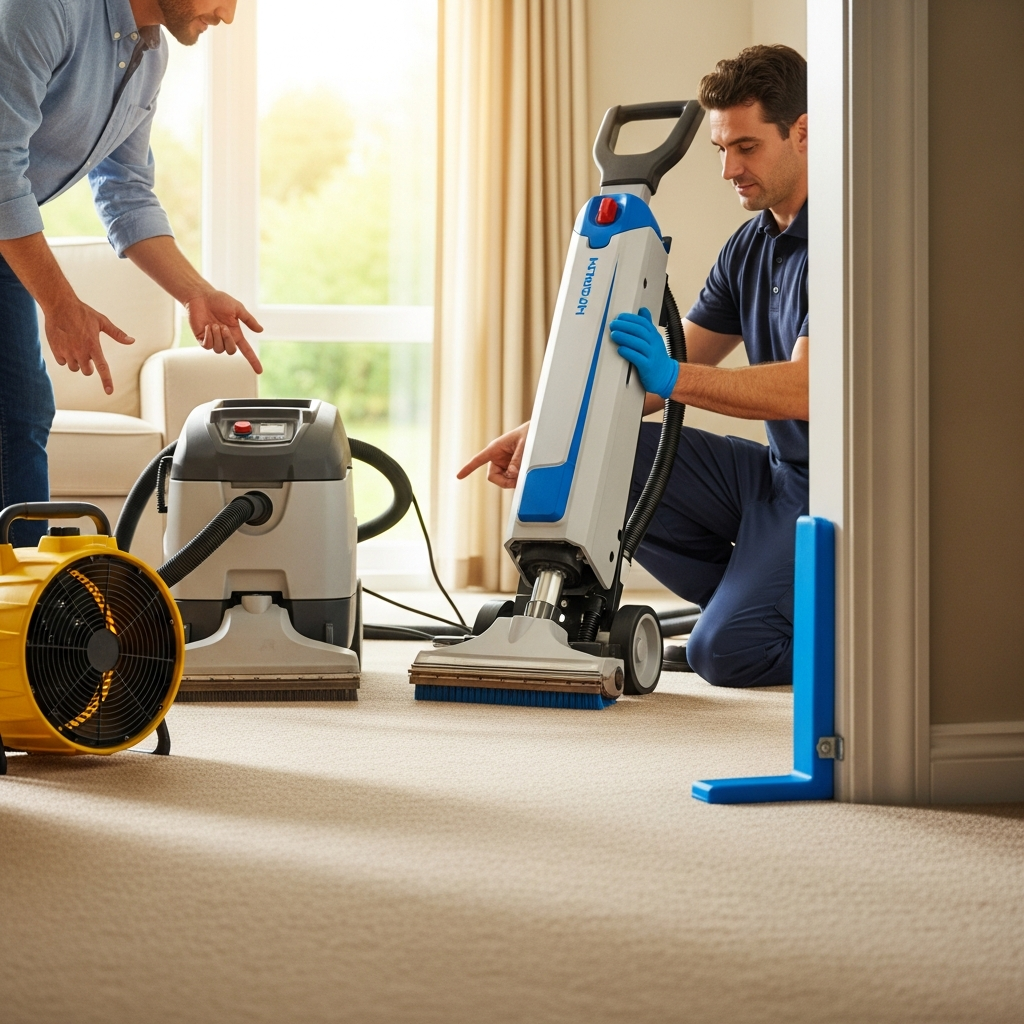
- Protective measures: Corner guards, shoe covers, and careful hose management show respect for your home and reduce risk.
- Drying strategy: Air movers, proper extraction passes, and room-by-room sequencing shorten dry time and help prevent musty odors.
- Scheduling and communication: Clear arrival windows, text updates, and responsive support reduce stress—especially in multi-unit buildings where elevator or parking coordination matters.
- Satisfaction support: Thoughtful aftercare guidance and responsive follow-up signal commitment to results beyond the initial visit.
Understanding carpet fiber and how it affects outcomes
Different fibers respond uniquely to heat, agitation, and cleaning chemistry. Nylon can be resilient but requires proper rinse to avoid residue. Polyester resists water-based stains yet can trap oil-based soil that needs appropriate emulsifiers. Olefin handles moisture well but can crush in traffic lanes without correct grooming. Wool prefers moderate temperatures, gentle chemistry, and careful drying. Companies that identify fibers correctly and adapt method and chemistry will produce consistent, safe results, preserving color and texture.
What a thorough process looks like
While each home differs, a professional process typically follows a logical flow designed for safety, coverage, and quality control.
- Initial conversation: Discuss rooms, high-traffic lanes, special concerns (pet accidents, allergies, sensitivities), and access or parking needs.
- On-site pre-inspection: Map out problem areas, test colorfastness in inconspicuous spots, and confirm fiber type when necessary.
- Dry soil removal: Detailed vacuuming, including edges and baseboards, lifts the majority of particulate soil before moisture is introduced.
- Pre-treatment: Targeted solutions address common soils and specific spots, with dwell time for chemistry to work effectively.
- Agitation: Mechanical or manual brushing helps loosen stubborn contamination from the fiber surface and down in the pile.
- Rinse and extraction: A carefully matched rinse neutralizes pre-treatments while high-powered extraction removes moisture and suspended soil.
- Specialty spot work: Reassess remaining discolorations and apply fiber-safe methods for dyes, tannins, or protein-based accidents.
- Grooming and pile setting: Lifts the nap, promotes even drying, and improves final appearance.
- Drying support: Strategic air movement and ventilation reduce downtime and help prevent post-clean odors.
- Final walk-through: Confirms satisfaction and explains aftercare, furniture protection, and traffic recommendations.
Local factors unique to Elizabeth
Parking rules and building access can influence how smoothly a visit goes. In walk-up apartments, hose runs and equipment placement may require extra planning. In historic homes, original wood thresholds and delicate baseboards benefit from added corner guards. Winter salt and city grit often concentrate at building entrances, so a provider familiar with these realities will emphasize edge vacuuming, entryway pre-treatment, and neutralizing rinses that address residue without over-wetting.
How often to schedule a deep clean
Scheduling depends on occupancy, pets, family routines, and whether the carpet serves as your primary air filter in a home without central duct filtration. Many households benefit from periodic deep cleaning paired with interim maintenance in high-traffic lanes. A balanced plan protects fibers, reduces allergens, and maintains a pleasant appearance between visits.
Common red flags to watch for
- One-method-fits-all promises: Carpets differ; methods should, too.
- No pre-inspection: Skipping a walkthrough risks damage or missed spots.
- Residue-heavy results: A sticky feel after cleaning suggests poor chemistry or insufficient rinse.
- Rushed dry times with little extraction: Without adequate extraction, moisture lingers and can cause musty odors.
- Unclear process steps: If a company cannot explain its approach, it may not follow a consistent system.
Questions to ask before you book
- What methods do you recommend for my fiber type and soil level, and why?
- How do you handle pet accidents that may have penetrated the pad?
- What steps do you take to protect my walls, baseboards, and furniture?
- How do you promote faster drying without sacrificing thorough extraction?
- What aftercare guidance will you provide so I can maintain results?
Comparing companies by communication and care
Beyond the technical aspects, customer care sets great providers apart. Look for teams that listen and restate your goals, provide clear scheduling updates, and explain what to expect during and after the appointment. Reliable communication helps you prepare furniture or pets, plan for airflow, and coordinate elevator access. After the job, thoughtful tips on vacuuming, spot care, and protective mats extend the life and look of your carpet.
Midway check-in: aligning services to your goals
As you narrow your list, revisit your priorities. If indoor air quality and allergen reduction top your concerns, prioritize providers who invest in thorough dry soil removal, well-rinsed hot water extraction, and strong air movement for drying. If you want frequent touch-ups with minimal downtime, ask about low-moisture maintenance paired with periodic extraction. If pet care is central, confirm that technicians carry enzyme treatments, UV inspection tools, and strategies for addressing pad and subfloor when necessary. During this stage, review examples and descriptions of past work and consider trusted local teams that provide full-scope carpet cleaning services suited to Elizabeth’s homes and apartments.
Preparing your home for a smooth appointment
- Declutter floors: Pick up loose items, toys, and cords so technicians can focus on detailed cleaning.
- Secure pets: Keep animals safe and comfortable in a room that will not be cleaned.
- Note special concerns: Mark legacy spills, pet accident zones, or areas with recurring odors.
- Plan airflow: Open interior doors and, weather permitting, a window to help with drying.
- Protect valuables: Move delicate items from low tables or shelves near hose paths.
Aftercare that preserves results
Post-clean routines maintain freshness and appearance. Vacuum regularly with a quality machine that has appropriate height settings and a clean filter. Place breathable mats in entryways and rotate furniture occasionally to avoid wear patterns. Tackle new spills promptly with blotting (not rubbing) and a fiber-safe spot solution. If you have pets, consider a routine that includes prompt accident response and periodic professional treatments that neutralize odor sources beneath the face fiber.
Special attention for pet households
Pet accidents are a chemistry challenge as much as a cleaning one. A good provider distinguishes between surface spots and deeper contamination. For recent incidents, targeted treatments may resolve issues during a standard appointment. For recurring or strong odors, deeper inspection and pad-level strategies may be necessary. Transparency about what can be achieved during one visit—and what requires additional steps—signals experience and honesty.
Environmental and health considerations
Modern solutions emphasize low-residue, fiber-safe formulations that rinse clean. If you or a family member has sensitivities, ask about fragrances, pH ranges, and allergen-reduction strategies. HEPA filtration during vacuuming and proper ventilation during drying support a healthier home. Low-moisture interim methods can help keep busy households clean between deeper appointments without extended downtime.
Commercial and multi-unit realities
Elizabeth includes offices, retail, and apartment common areas that experience intense foot traffic. For these spaces, providers often design a maintenance plan that combines periodic extraction with frequent low-moisture touch-ups. Coordination with building management for access, water sources, and off-peak scheduling helps reduce disruption to residents and customers.
Frequently Asked Questions
Q: How can I tell whether my carpet needs a deep clean rather than a quick surface refresh? A: Look for dingy traffic lanes that stay dull after vacuuming, lingering odors, and fibers that feel sticky or matted. If spots reappear soon after you treat them, residue may be pulling soil back to the surface, which is a sign that a thorough rinse and extraction are due.
Q: Will carpet cleaning shrink or damage my rug? A: When technicians match temperature, solution, and agitation to your fiber type and test for colorfastness, cleaning is safe and restorative. Shrinkage concerns are typically associated with improper methods on sensitive fibers; careful testing and a controlled process address this.
Q: How long does drying usually take? A: Drying varies with fiber density, airflow, humidity, and the thoroughness of extraction. Good providers use strategic passes and air movement to reduce downtime. Keeping interior doors open and running fans helps speed the process.
Q: What should I do if a pet accident returns as a faint spot or odor? A: That can mean contamination remains below the face fiber. Contact your provider to discuss deeper treatments that target the pad or subfloor. Quick communication and a step-by-step plan are key to permanent results.
Q: Is low-moisture cleaning enough on its own? A: It is excellent for maintenance and appearance between deep cleans, especially in commercial settings. Periodic extraction is still recommended to remove embedded soils, residues, and allergens from deep within the pile.
Q: Can professional cleaning help with allergies? A: Yes. Detailed dry soil removal, followed by a well-rinsed deep clean and thorough drying, removes many particles that affect indoor air quality. Maintaining a cleaning schedule aligned to your household’s needs provides the best outcomes.
Q: Do I need to move furniture? A: Discuss this during scheduling. Many providers work around large pieces and move lighter items as part of the process, using protective tabs under legs to prevent transfer while the carpet dries.
Your comparison checklist
- Method matched to fiber and soil level
- Pre-inspection with testing and clear explanations
- Thorough dry soil removal before moisture
- Low-residue chemistry with effective rinse
- Spot and odor expertise, especially for pet households
- Protective measures for walls, corners, and furniture
- Drying strategy and aftercare guidance
- Responsive communication and genuine follow-up
Ready to choose with confidence in Elizabeth?
When you compare companies methodically, you do more than schedule a tidy home—you extend the life of your carpet, support healthier indoor air, and reduce long-term wear. If you want a partner who blends strong technical skill with thoughtful customer care, explore trusted local teams offering complete carpet cleaning services designed for Elizabeth’s homes and businesses. From careful pre-inspection to fast drying and practical aftercare tips, the right crew keeps your carpets looking and feeling their best season after season. Reach out, share your goals, and get your next deep clean on the calendar today.